NYC Woman Avoided Using Her AC for 10 Years to Save Money, Then Discovered Why Her Electric Bills Never Went Down
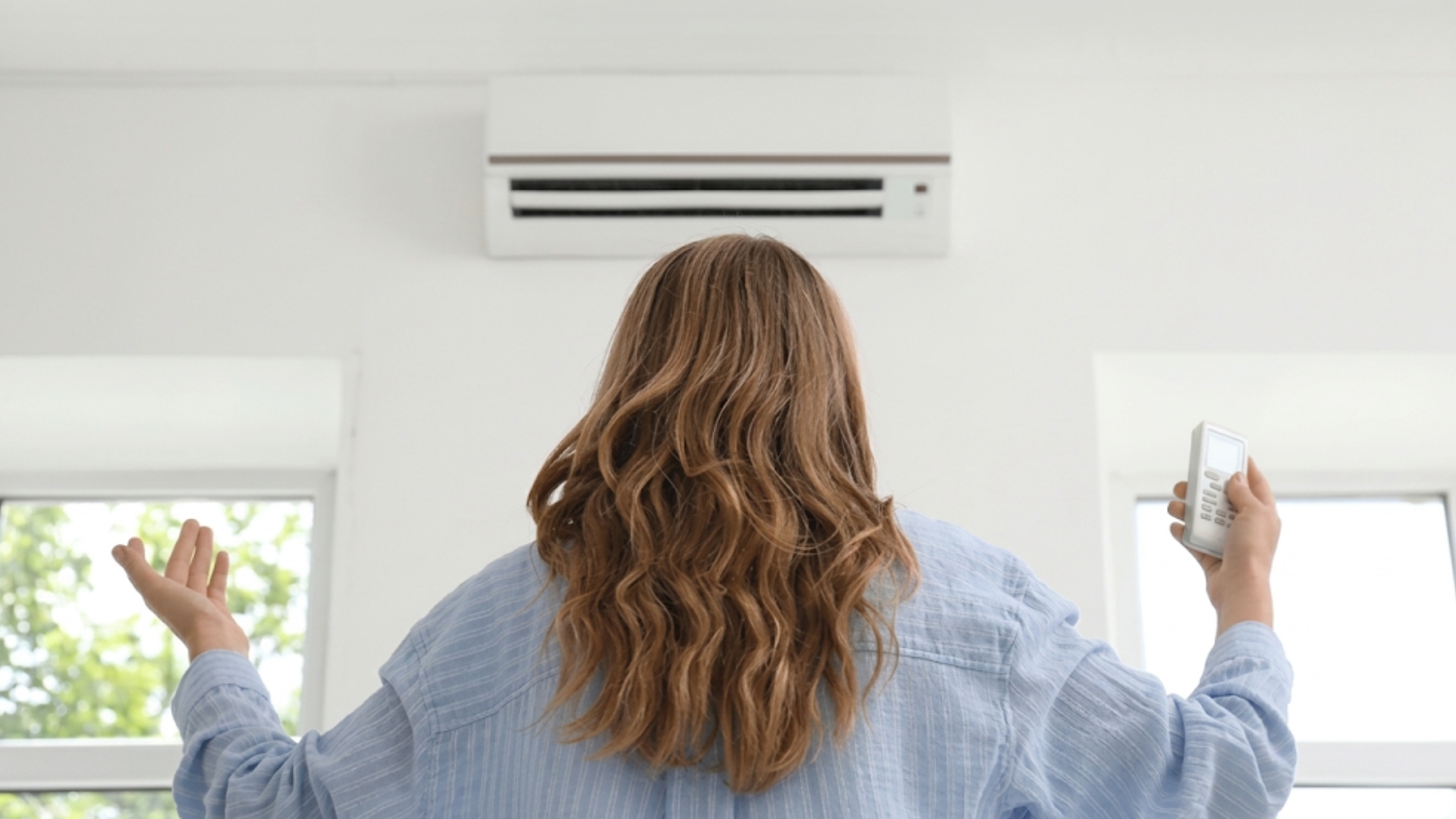

Nicole Niceforo did what most people would do to save money. She stayed away from her air conditioner, even on scorching days. She washed dishes by hand. She limited her power use. Still, her electric bill in Queens, New York, kept climbing. For about 10 years, she assumed the problem was her own habits. The real answer was somewhere she never thought to look. Whose power was she paying for?
Cutting Back Could Not Fix a Bill That Was Never Hers
Cutting back could not fix a bill that was not hers. Niceforo told FOX 5 NY in October that her high bills made her afraid to run her air conditioner, so she went without. She washed dishes by hand and held her electricity use down. Her bills did not drop. That is a hard way to live through a hot summer. She had asked for help early. Who answered?
In 2016 She Asked for Help, and Was Sent Elsewhere

She raised the alarm in 2016, and the problem was passed along. In September of that year, Niceforo emailed Con Edison and asked for a technician to inspect her electricity meter. The utility told her to talk to building management instead. More complaints followed over the years. Her bills stayed high. The question stayed the same. How did the truth finally come out?
It Took More Than Nine Years to Get a Real Answer
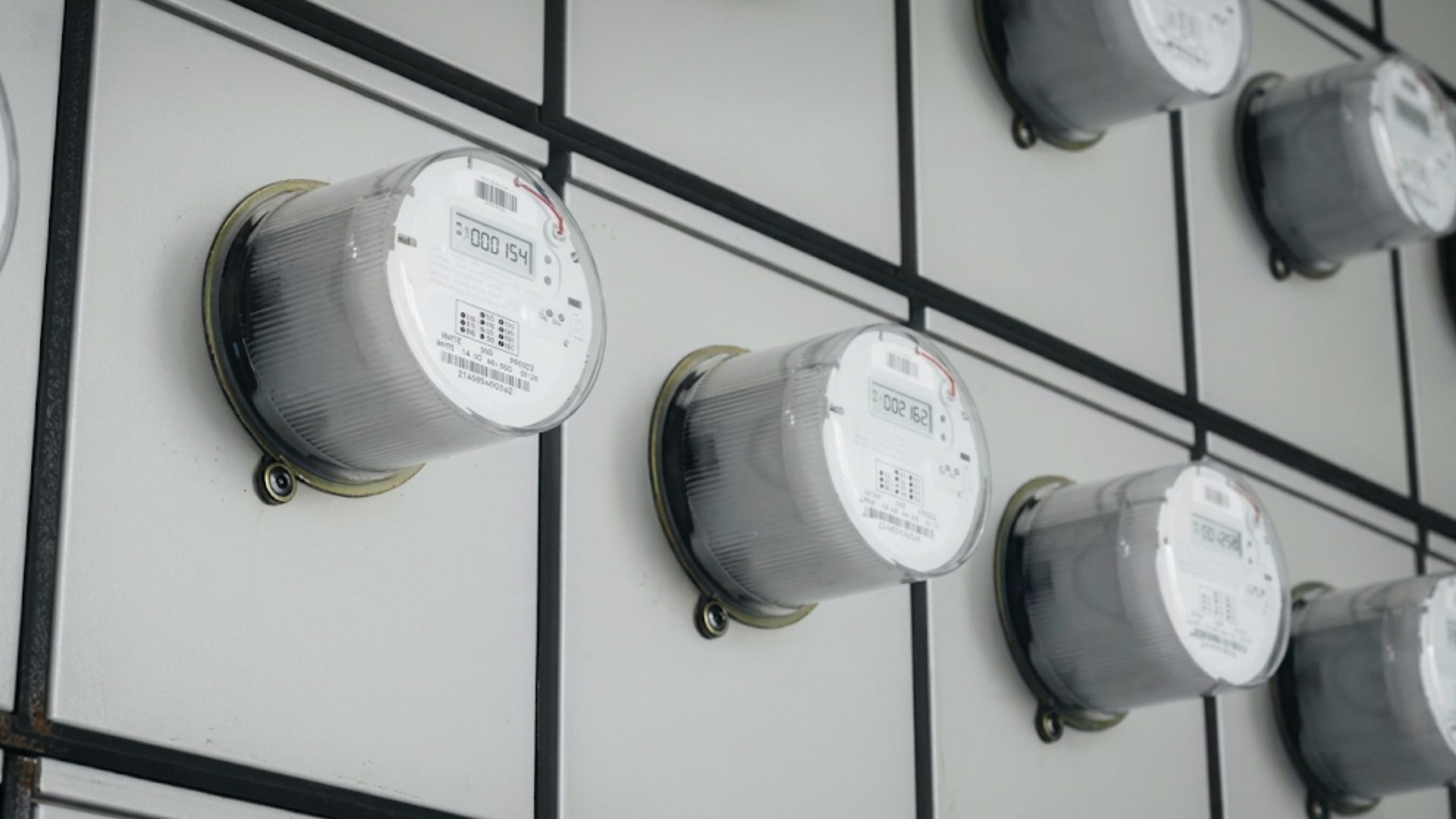
It took more than nine years and many complaints to get a real answer. When Niceforo pushed for another meter test, an inspection finally found the problem. Her electricity bill had been switched with the bill of the apartment directly above hers. She said she was outraged, but also relieved to have an explanation. A decade of worry had a simple cause. What did the mistake cost her?
A Refund Covered Only Six of the 10 Years

The refund covered only part of the damage. Con Edison admitted the error in writing and refunded more than $6,000. But that covered only six of the roughly 10 years she was overcharged. Nearly four years of possible overcharges were left unpaid. For one tenant, that is a lot of missing money. She took her case to the state to try to get the rest.
The State Regulator Sided With the Utility
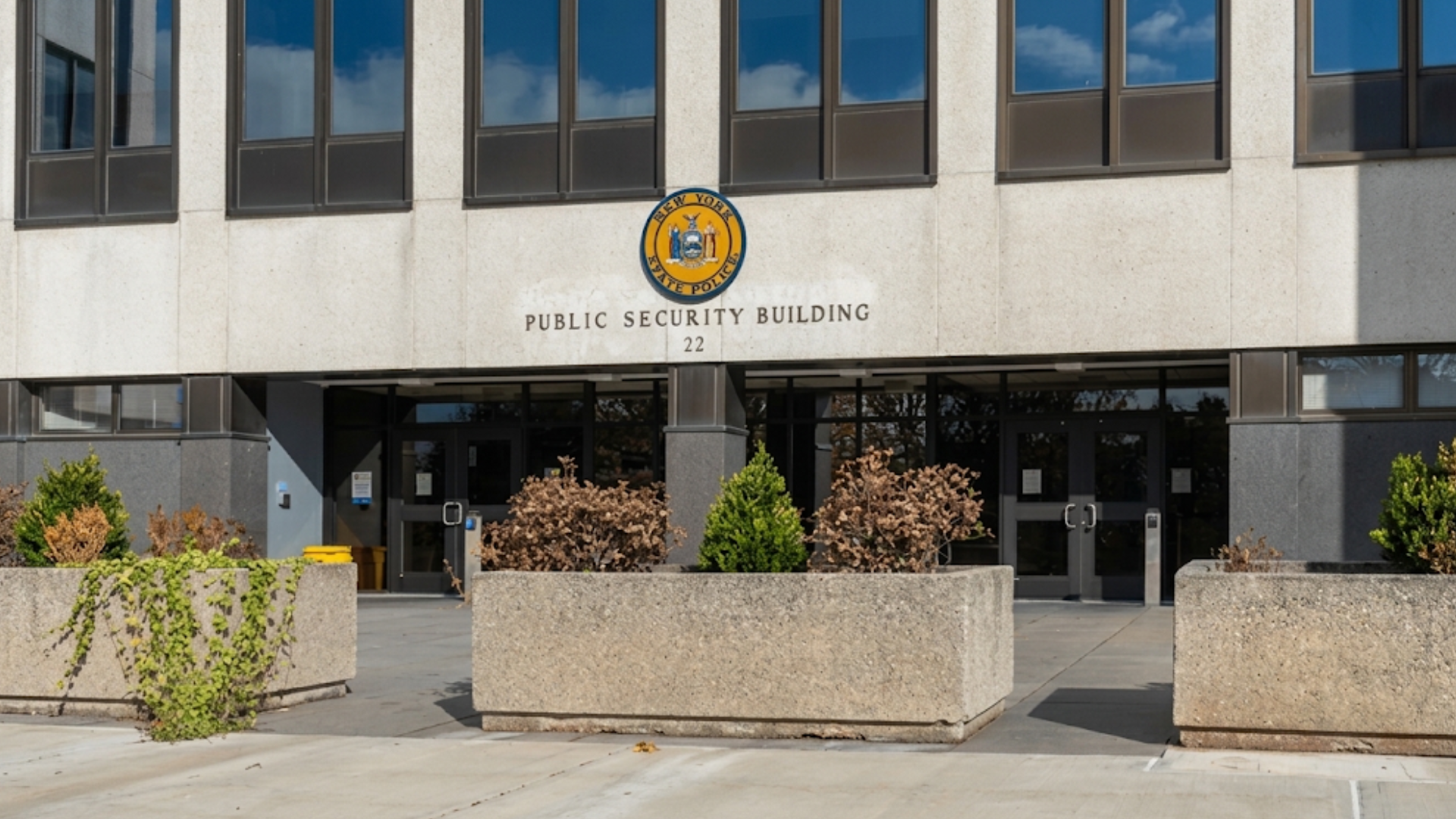
The state regulator did not order more money. The New York State Department of Public Service sided with Con Edison, which argued it did not have to revisit bills more than six years old. The regulator also said it had no record of a 2016 complaint, though emails obtained by FOX 5 NY reportedly showed she had questioned her bills that year. “I just felt like I had no recourse,” she told FOX 5 NY.
Her Case Is Rare, but Pricier Power Is Not

Her case is rare, but rising bills are not. The Bureau of Labor Statistics says the average price of electricity in U.S. cities hit 19.6 cents per kilowatt-hour in September. That is up 46% from 13.4 cents in January 2020. For a home that uses 1,000 kilowatt-hours a month, it works out to roughly $62 more each month. At those prices, a billing mistake costs more. Who feels it most?
Rising Bills Are Already Squeezing Grocery Budgets

Many Americans are already making trade-offs. Consumer Reports surveyed 2,003 adults and released the results in October. About one in five said they had cut back on groceries, switched to cheaper food or looked into it because of electricity costs. About three in four said they trust state utility regulators only a little or not at all. Sara Enright, a senior director at Consumer Reports, said the public is growing more distrustful. What can a customer do?
Keep Records and Escalate If the Bill Looks Wrong

Customers have steps they can take. First, contact the utility to dispute the bill or ask for a review. If that fails, contact your state utility regulator. All 50 states have one, though their powers vary, according to the National Association of Regulatory Utility Commissioners. New York’s Home Energy Fair Practices Act sets rules for billing and complaints. Consumer Reports advises keeping copies of bills and messages. This is general information, not legal advice.
When Saving Does Not Work, Ask Whose Bill It Is

Back to the air conditioner she was afraid to turn on. Niceforo kept asking how she could use less power. The better question was whose power she was using. When your habits change and your bill does not, the numbers may not be about you. Her story is rare. The lesson is not. A bill that does not match your life is worth a second look.