NYC Mayor ‘Roasted’ After Giving Seniors Contradictory Heat Wave Advice
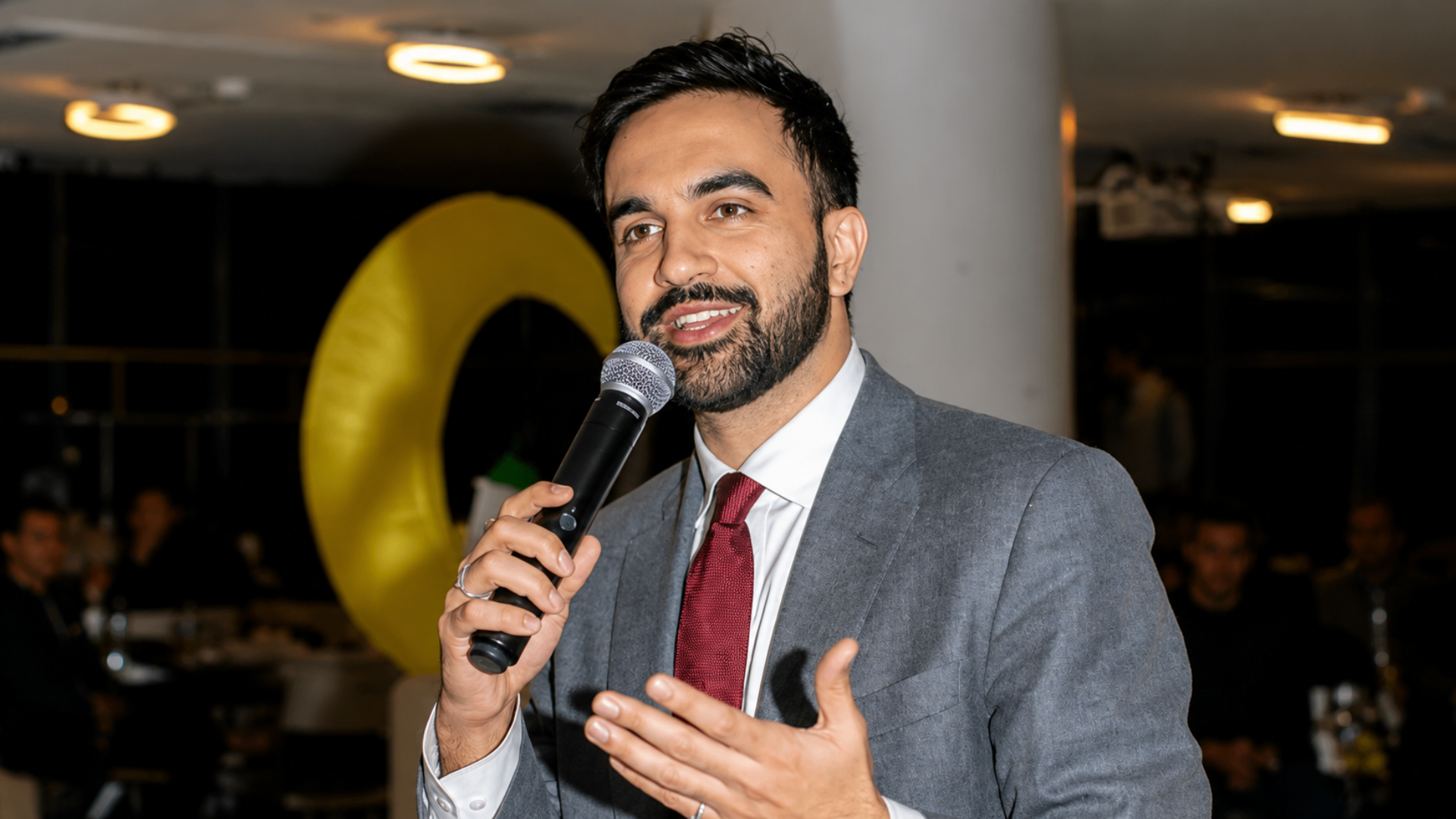

New York’s mayor asked everyone to turn their thermostat up during a dangerous heat wave. In the same breath, he asked people to check on elderly neighbors and make sure they stayed cool. Critics online said those two messages did not add up. Mayor Zohran Mamdani’s advice sparked a wave of pointed reactions questioning how both instructions could work at once. Was this a real contradiction, or just two halves of one message?
The Grid Was the Real Priority Behind the 78-Degree Ask
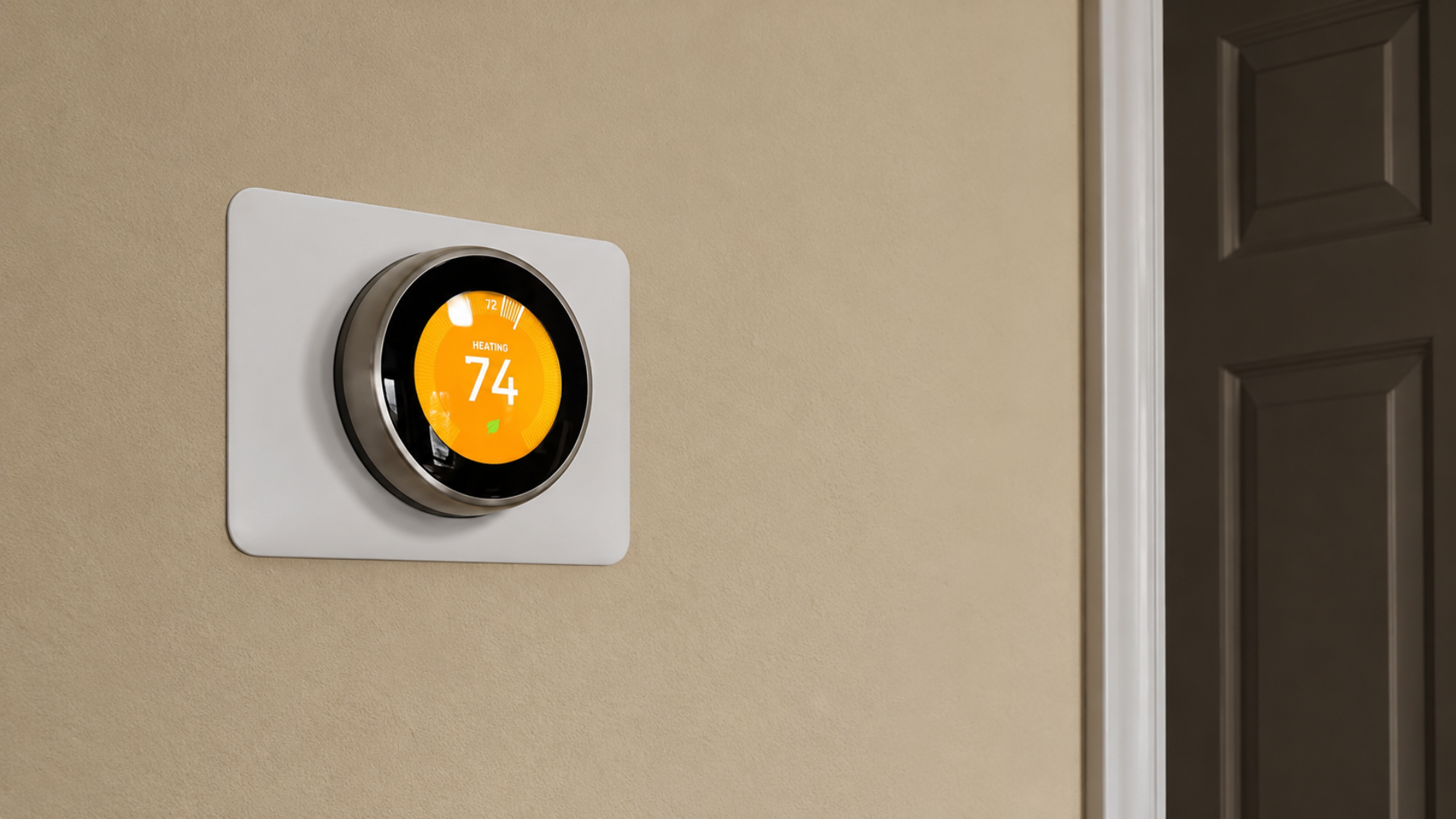
Keeping the power grid running became the top priority as temperatures climbed. Mamdani asked residents to set their air conditioners to 78 degrees, turn off unused lights and electronics, and unplug devices when possible. City buildings agreed to follow the same 78 degree rule, and officials asked private partners to do the same. The goal, according to the mayor’s office, was simple: ease demand so the power grid does not fail entirely.
Seniors Got a Very Different Kind of Warning

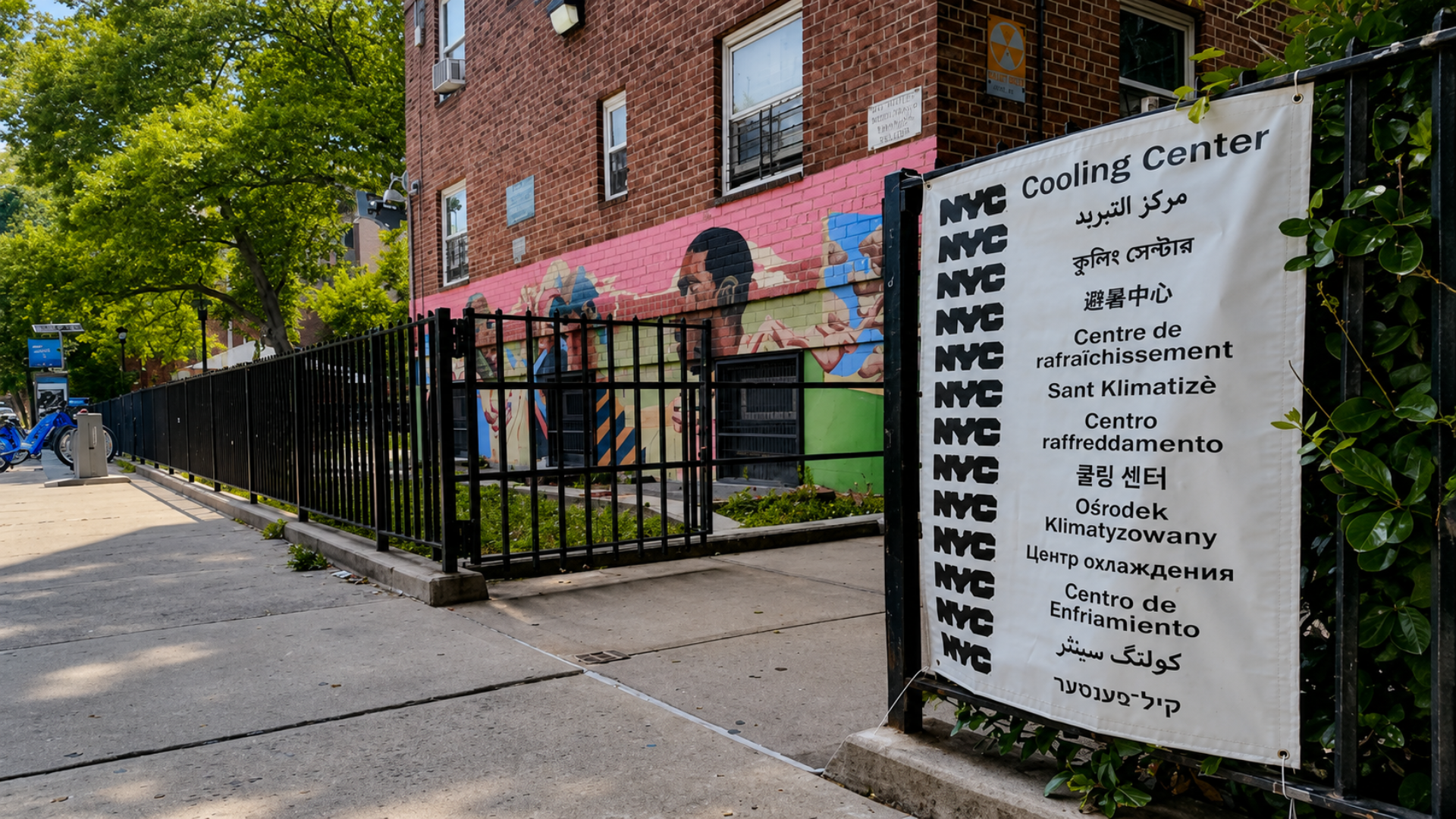
Older residents got a different set of instructions the same day. Mamdani urged New Yorkers to check in on elderly loved ones, neighbors and friends, making sure they stayed hydrated, spent time in air-conditioned spaces, and knew where their nearest cooling center was located. That message treated heat exposure as a real medical risk for seniors specifically. Read on its own, the advice sounded like standard public safety guidance.
Read Together, the Messages Seemed to Clash

Placed side by side, the two messages created an obvious tension online. One post asked seniors to prioritize air conditioning for their safety. Another asked everyone, seniors included, to cap their thermostats at 78 degrees to protect the grid. Social media users quickly pointed out that both instructions applied to the same vulnerable group at the same time. That overlap is exactly what triggered the wave of criticism that followed.
A Media Personality Was Among the First to Push Back

Conservative media personality Gina Milan was among the first to call out the apparent contradiction publicly. She questioned the logic of asking older residents to limit air conditioning while separately warning them about heat-related illness. Her post quickly circulated alongside similar reactions from other users making the same point. The criticism focused less on the heat response itself and more on how confusing the combined messaging felt to ordinary readers.
“Are You On Drugs?” One Critic Didn’t Hold Back

According to Milan, “you just told old people to keep their air at 78. Are you on drugs?” That blunt framing captured what several other commenters were also asking in less pointed terms. For readers unfamiliar with how grid strain and individual safety trade-offs actually interact, the two messages did read as flatly opposed. Clarity, in this case, may have mattered as much as the policy itself.
“A Stable Grid Means the AC Stays On,” Mamdani Argued
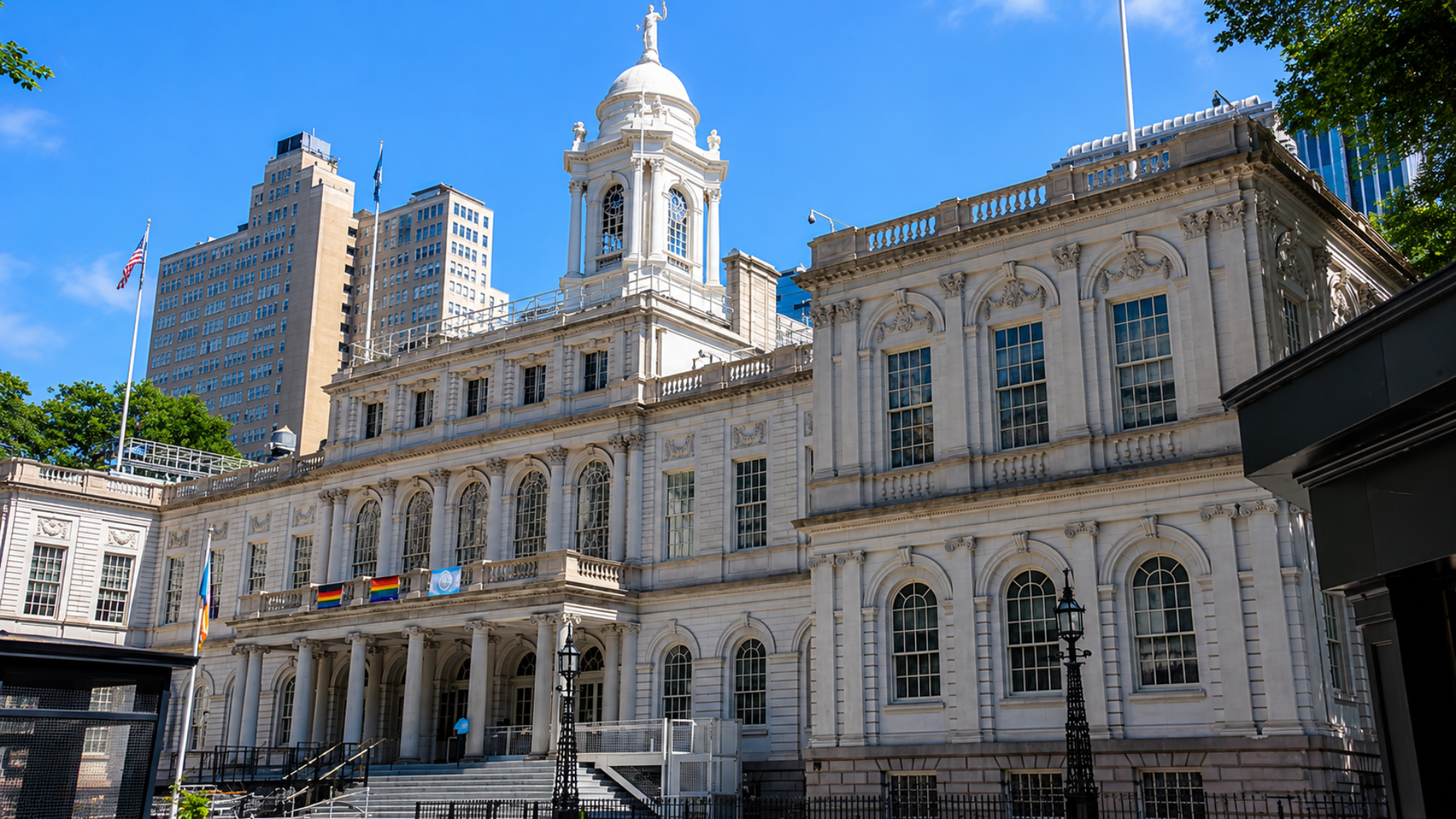
Mamdani’s own explanation focused on the connection between grid stability and public safety, not a contradiction. According to Mamdani, “a stable grid means the AC stays on, and lives are saved.” His argument treated the 78-degree request as protection for everyone’s air conditioning, including the seniors singled out in his other post. Whether that framing landed depended heavily on how each message was read separately versus together.
A Republican Mayor Gave the Same Advice in 1999
This exact kind of heat guidance is not new, or unique to one political party. An archived city press release shows Republican Mayor Rudy Giuliani issued nearly identical instructions back in 1999, urging residents to conserve energy during a heat emergency. That history complicates any claim that this approach reflects one particular political ideology. Managing a strained power grid during extreme heat has apparently crossed party lines in New York for decades.
The Jokes Kept Coming as a Historic Heat Wave Loomed

Political mockery followed regardless of the historical precedent. Reality TV personality and former Los Angeles mayoral candidate Spencer Pratt posted, “show us your thermostat, commie,” aimed directly at Mamdani. Meanwhile, the city’s own forecast warned of a heat wave that could reach up to 112 degrees, described by officials as historic. New Yorkers were left navigating both the political noise and an actual dangerous weather event at the same time.
The Heat Wave Won’t Care How the Messaging Landed
Whether the two messages truly contradicted each other or just read side by side awkwardly, the underlying heat wave was real and dangerous. The city rolled out cooling vans, extended pool hours, and eight additional cooling centers to back up the advice with actual resources. Social media arguments over thermostats will fade once the temperatures do. The heat wave, and the people most vulnerable to it, will not care how the messaging was received online.