Not Every Oven Drawer Is Meant for Storage and Here Is How to Tell What Yours Does
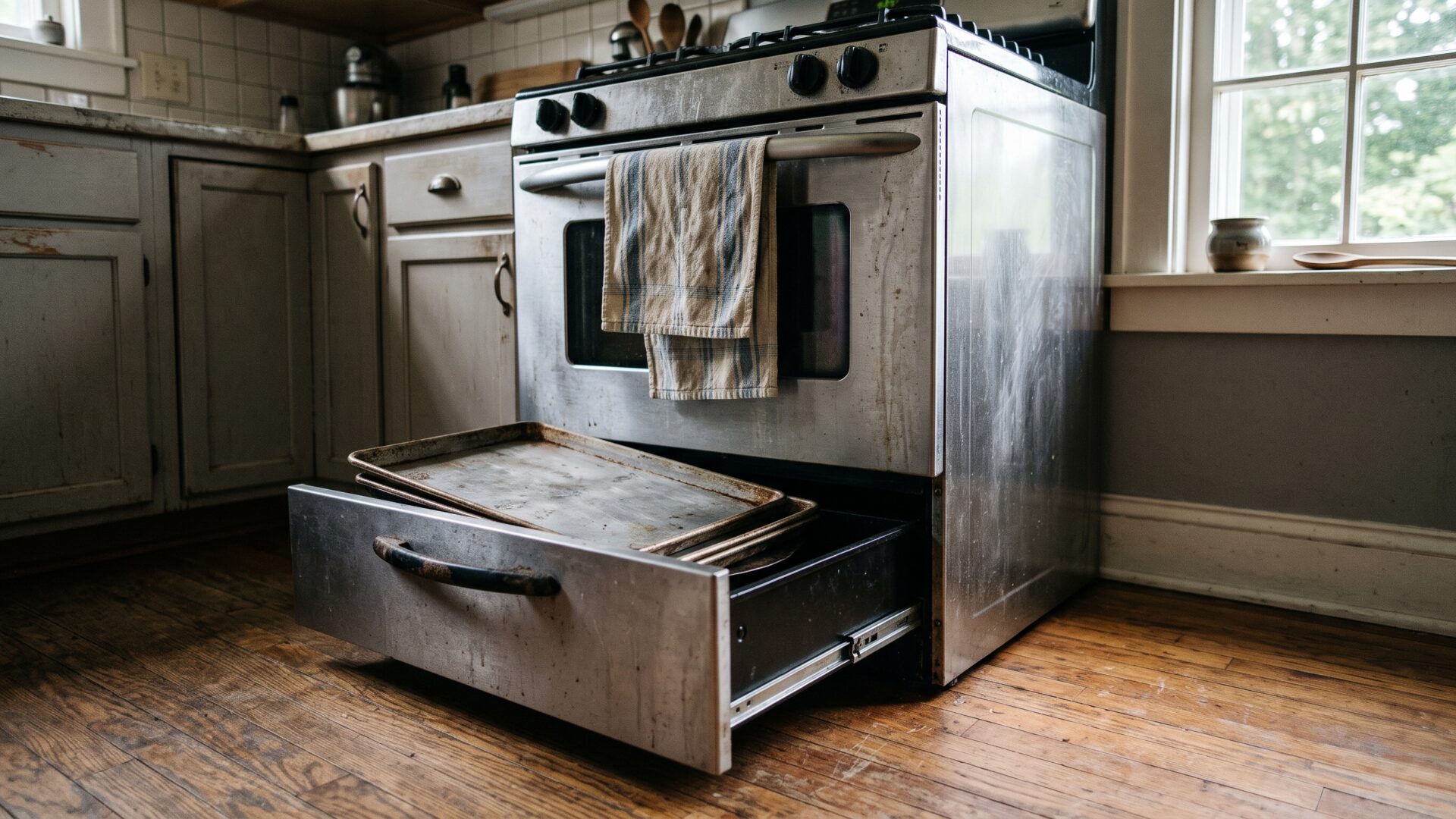

Most people load the drawer under their oven with sheet pans and skillets, then never think about it again. That space can be one of three things, and only one of them is storage. On some ranges it is a warming drawer with its own element and controls. On many gas ranges it is the broiler, which means anything inside is sitting in a cooking chamber.
Kitchen appliance expert Brit Angelesco says using a warming drawer as storage, or the reverse, can damage the appliance or the items stored inside. Which one you have is worth five minutes. The fastest way to settle it is not inside the drawer at all. It is on the panel above it.
This article was created with the assistance of AI and reviewed by our editorial team for accuracy and clarity.
Check the control panel, then check the manual
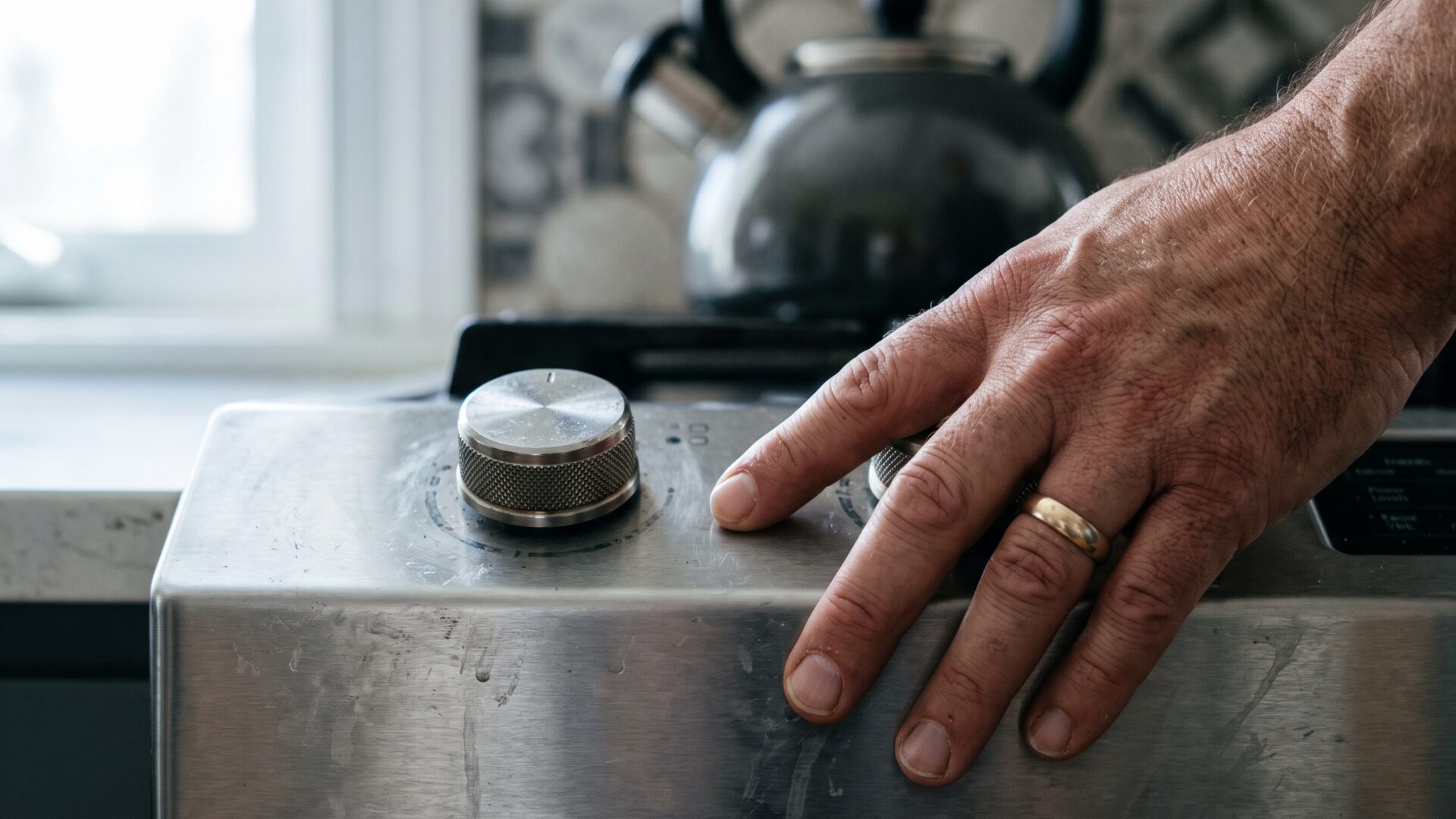
Start with the range’s main controls. A warming drawer usually announces itself there, with a dedicated button, an on and off indicator, or a printed temperature range beside it. Angelesco says a storage drawer, by contrast, is “un-insulated and has no buttons for heat settings.” A blank panel is a strong clue, though not proof.
The manual settles it. The drawer is labeled there with its intended use, and if the paper copy is long gone, searching the brand and model usually turns up a PDF version. On a gas range there is one more thing to check, and it is shaped like a tray.
What a broiler drawer looks like inside
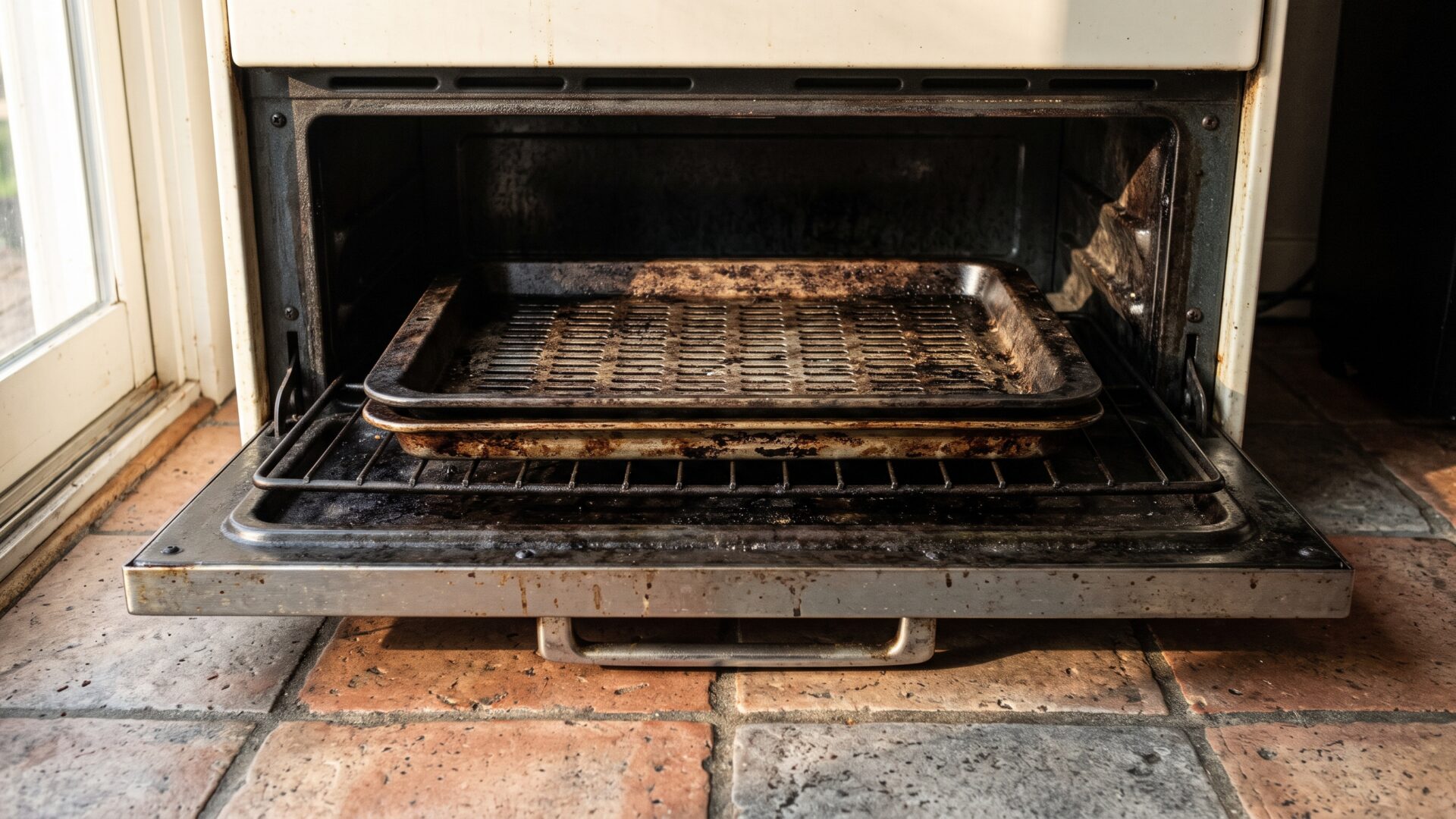
Pull the drawer all the way out and look for a rack. A broiler drawer has a small built-in rack that holds a broiler pan, usually a slotted tray sitting over a shallow drip pan. That setup is common on gas ranges, where the broiler heats the food directly rather than surrounding it with ambient heat.
Bob Vila’s appliance guide points to the matching clue on the front of the range, a control labeled BROIL or BROILER near the oven settings. Angelesco says the design turns up far more often in older gas models, and that the drawer is meant for high, direct heat that browns a dish or melts cheese. That is also why the pans most people stack in there are in the worst spot in the kitchen.
Why a broiler drawer has to stay empty
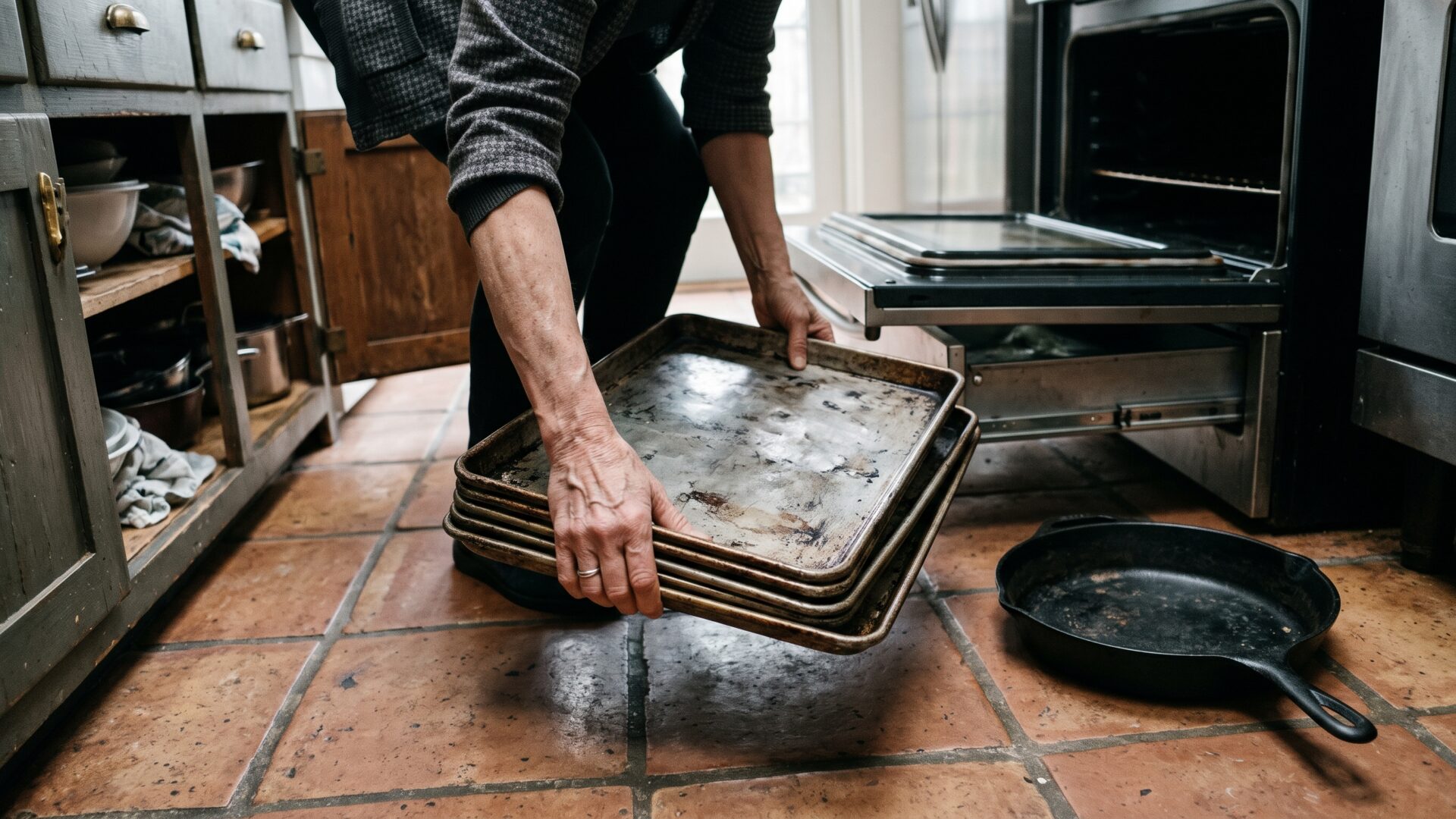
Whatever sits in a broiler drawer is inside the cooking chamber the next time the burner lights, and items stuffed in there can be scorched when the broiler goes on. Plastic lids and wooden handles go first. A stack of baking sheets also blocks the one pan the space was designed around, the one that catches grease under the flame.
Angelesco is direct about the rule: “This type of drawer should never be used for storage.” Clearing it out takes a minute, and the payoff is a broiler that earns its space, for toast, for a crust of cheddar on macaroni, for oysters under full heat. The other heated drawer is friendlier, and it runs closer to a slow cooker than a flame.
A warming drawer runs cooler than an oven
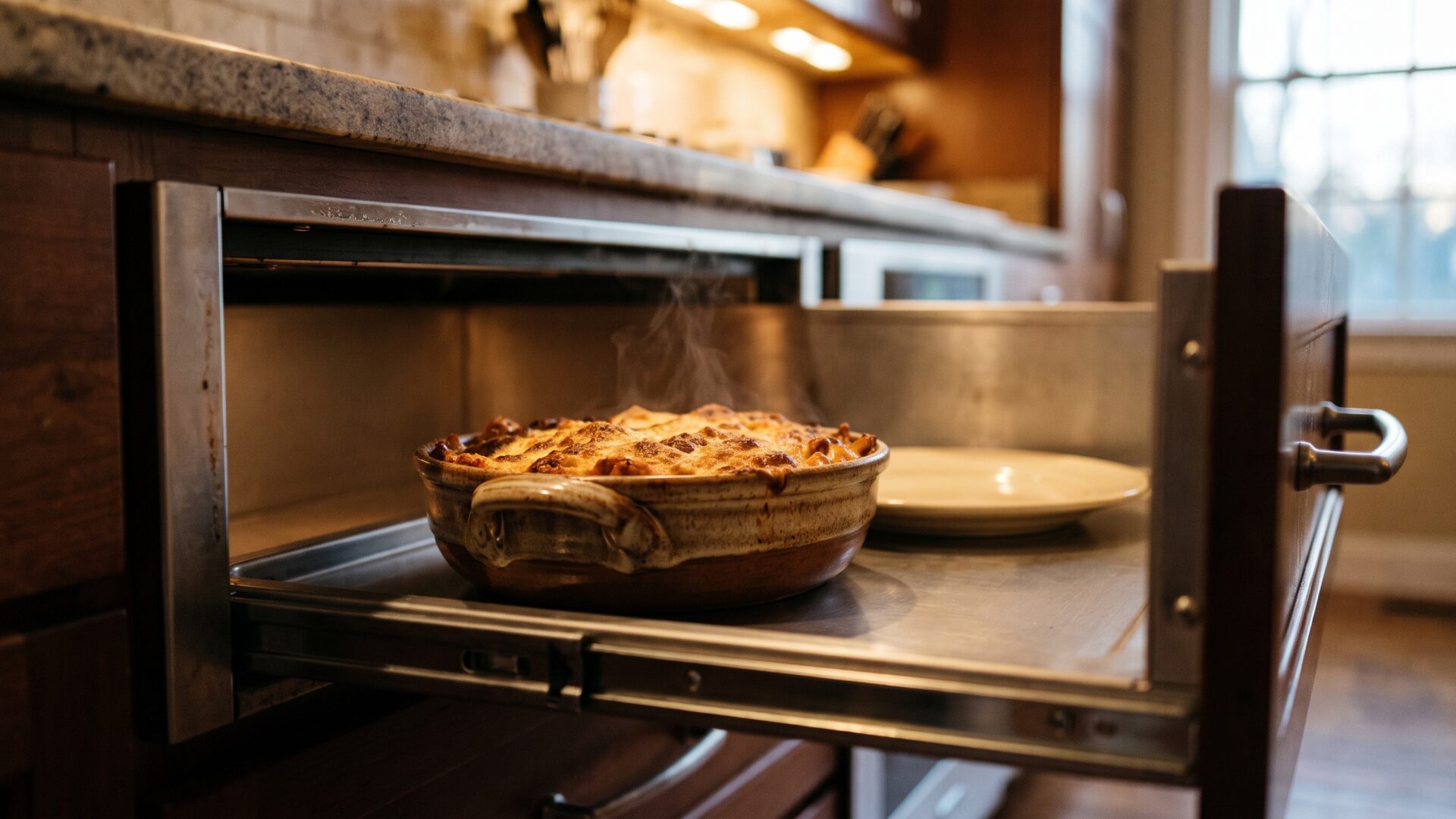
A warming drawer holds food that is already hot, which is why its numbers look small. GE Appliances puts its warming drawer at roughly 140 to 170 degrees Fahrenheit on low, 170 to 210 at the middle position, and 215 to 250 on high. KitchenAid lists 120 degrees on low to 200 on high across its models.
That is holding heat rather than cooking heat. A casserole can sit there while a roast rests, and oven-safe serving dishes and dinner plates can warm while the drawer preheats. Those numbers come with a catch, because on many ranges the drawer has no idea how hot it actually is.
The drawer does not measure its own heat
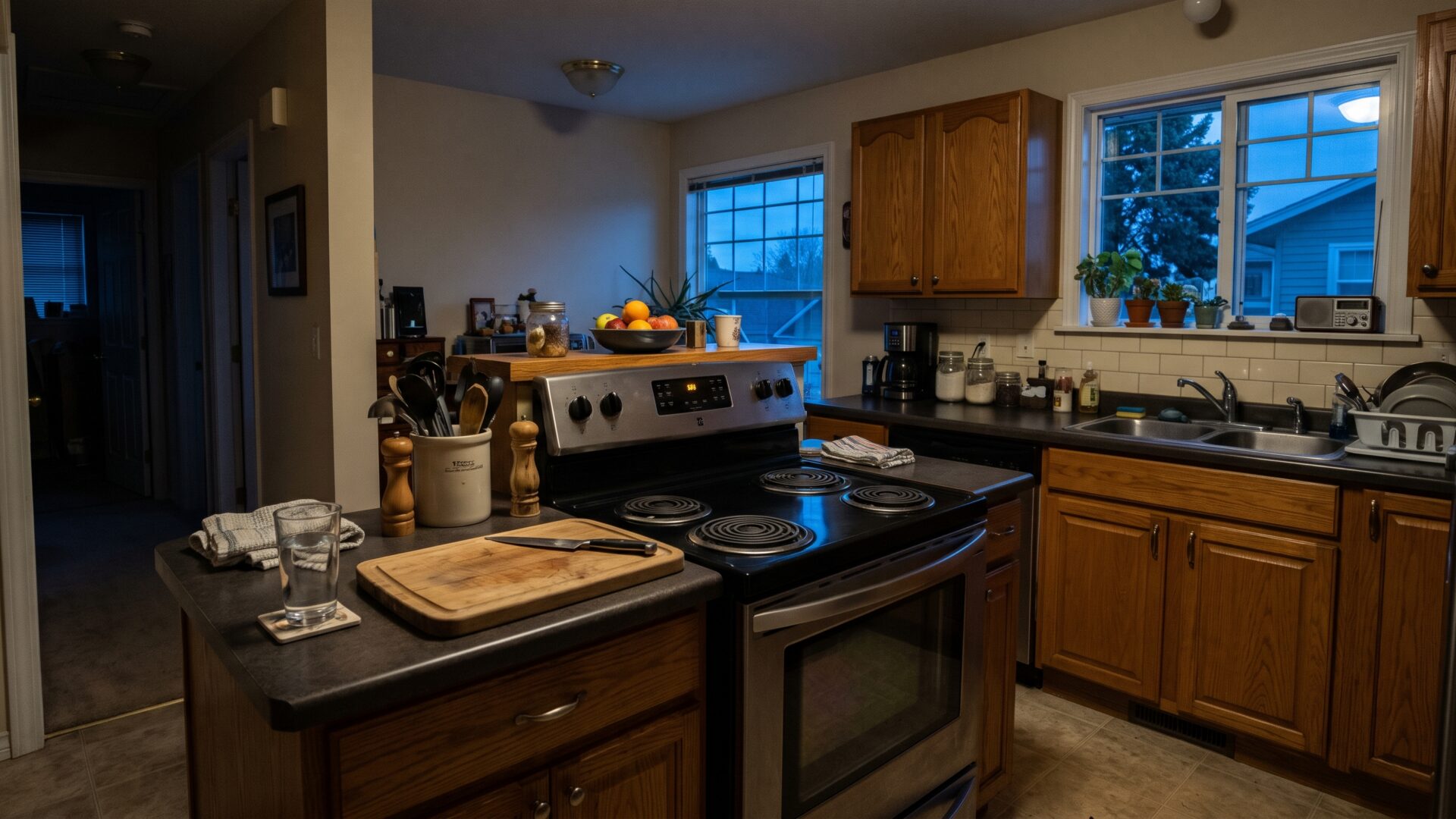
GE Appliances describes its warming drawer as an “open loop system,” meaning the control gets no feedback about the real temperature inside. The actual heat shifts with the voltage in the house, the temperature of the room, and the setting chosen, and GE notes that house voltage under 120 volts pulls the drawer temperature down.
So read Lo, Med, and Hi as positions rather than measurements, and use the food chart in the manual. KitchenAid adds two limits: food should already be cooked and at serving temperature before it goes in, and it should not be held longer than an hour. One setting on that dial is not about keeping dinner warm at all.
The proof setting most owners never use
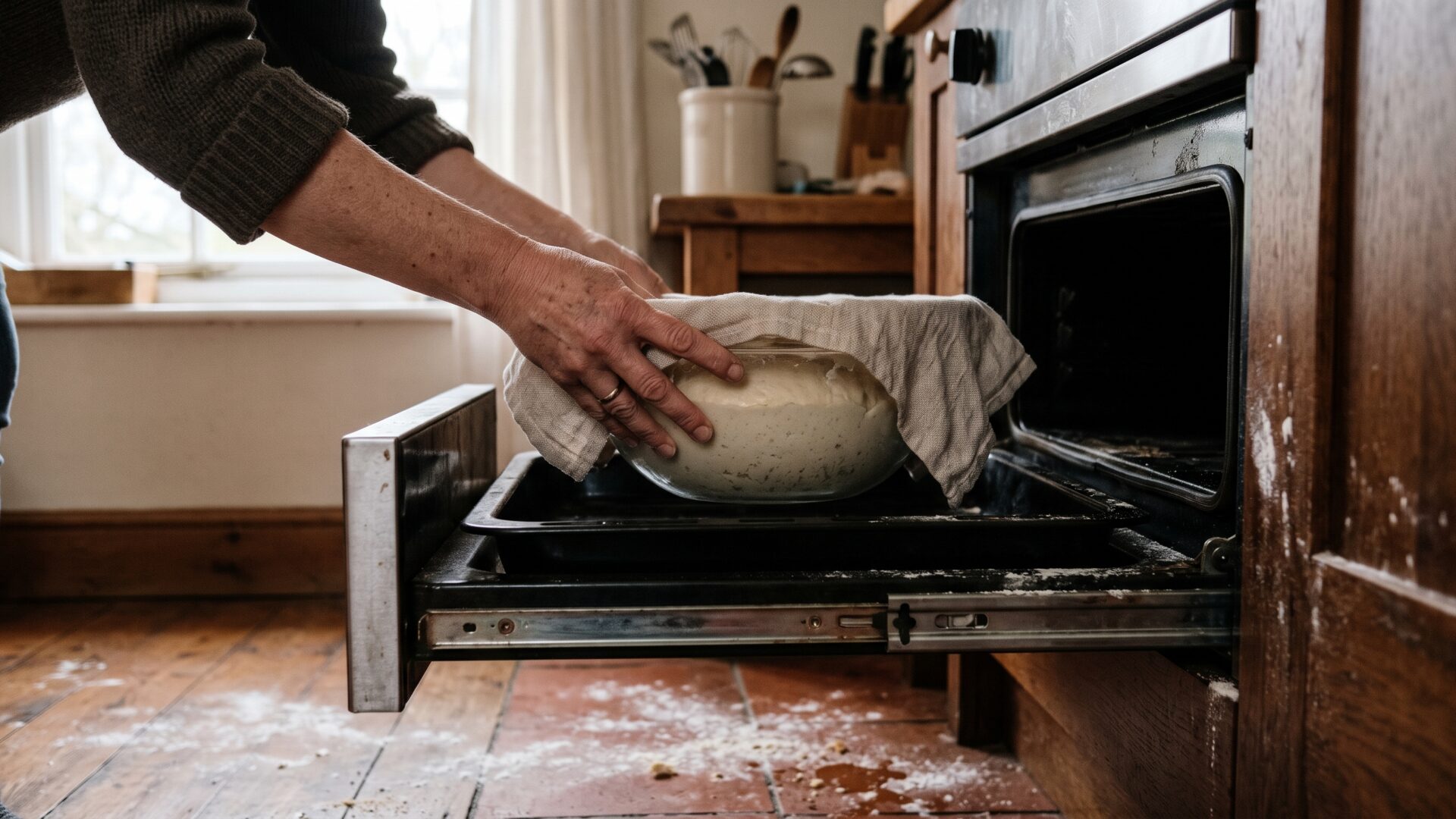
Dough rises best in gentle warmth with no draft, which is the low end of what these drawers do. Wolf’s warming drawers include a proof setting with a preset of 85 degrees Fahrenheit and an adjustable band of 80 to 110 degrees, far below anything an oven can hold steady.
KitchenAid points to the same use, noting that bakers turn to the proofing function for the gentle, draft-free space a rising dough needs. It is the one job in the kitchen where a lukewarm box beats a hot one. Between meals, though, the drawer stays empty, and the reason has nothing to do with tidiness.
A warming drawer is not a cabinet, even switched off
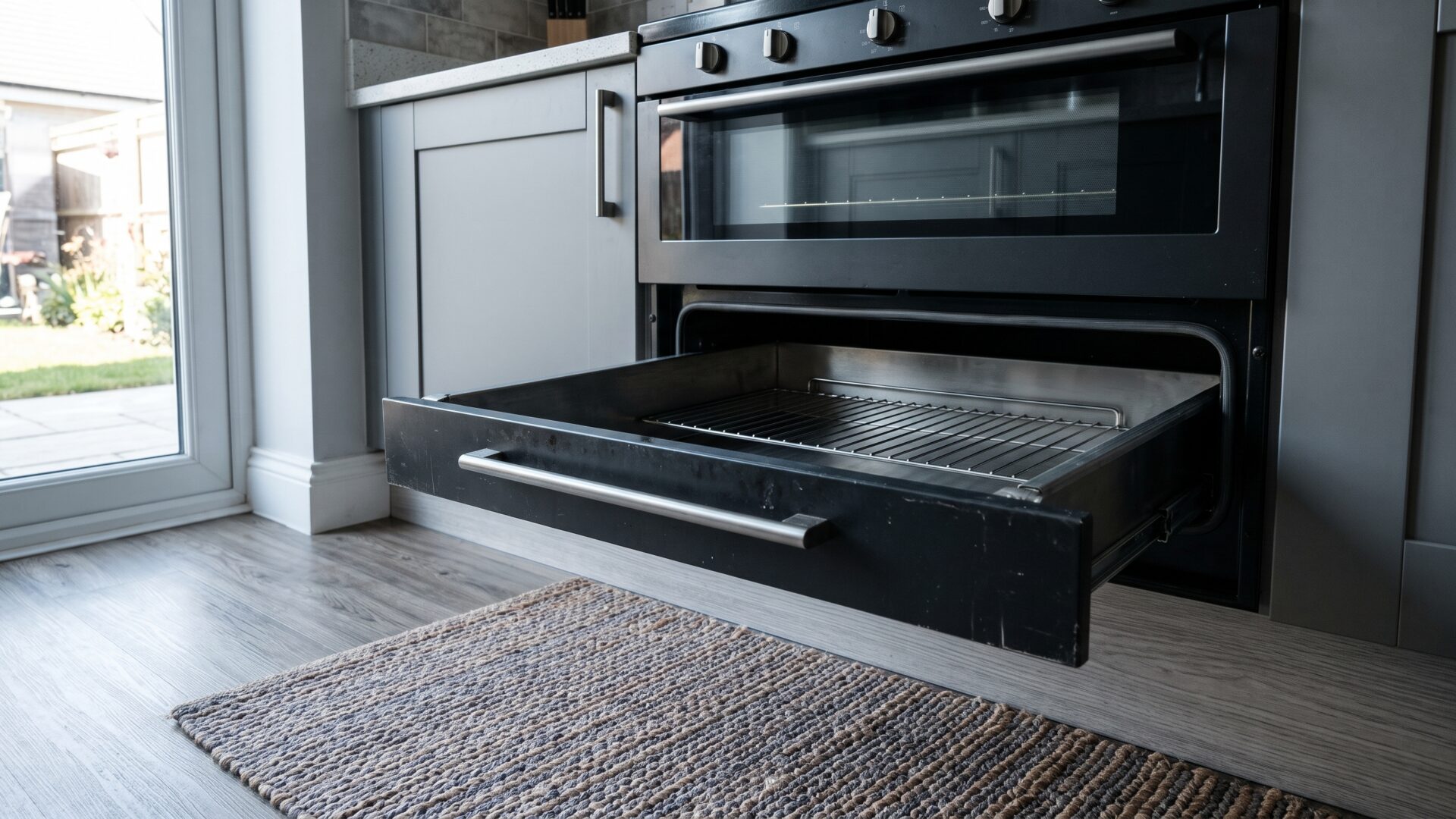
Angelesco says using a warming drawer for storage “can damage the appliance or the items stored inside,” and that a drawer designed for warming should only be used that way.
The hardware explains the caution. A storage drawer is uninsulated with no heat settings, while a warming drawer is a sealed compartment with its own element, and KitchenAid’s version adds an elevated rack and a moist or dry selector. Cookware stacked over the element and across that rack sits in the path of both. KitchenAid also expects the drawer to be completely closed while it runs, which a roasting tin wedged inside makes harder. A true storage drawer has none of that, and a short list of what it can hold.
What belongs in a real storage drawer
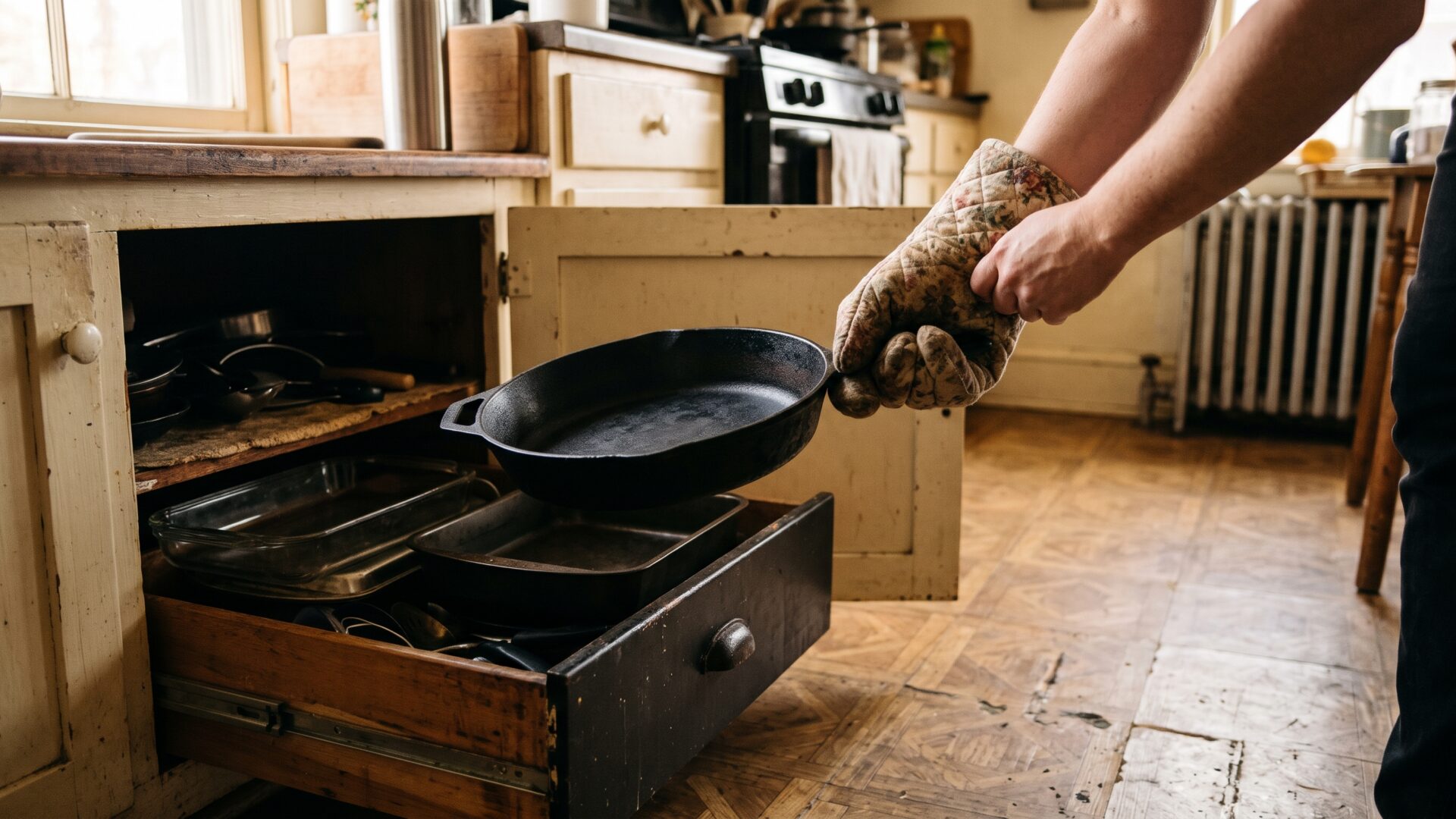
Everything on Angelesco’s list shares one quality: it survives heat it did not ask for. Metal baking sheets, roasting tins, cast-iron cookware, oven-safe glass and ceramic dishes all qualify, because they are not damaged when the oven above them warms up. Spare oven racks can go in too, if the manufacturer permits it.
Heat is still the thing to respect on the way out. Angelesco recommends reaching in with an oven mitt whenever the oven is running, since a cast-iron skillet that has been sitting under a hot oven looks exactly like a cold one. A shorter list never belongs in there, and the oven’s own cleaning cycle explains why.
Clear the drawer before the next self-clean cycle
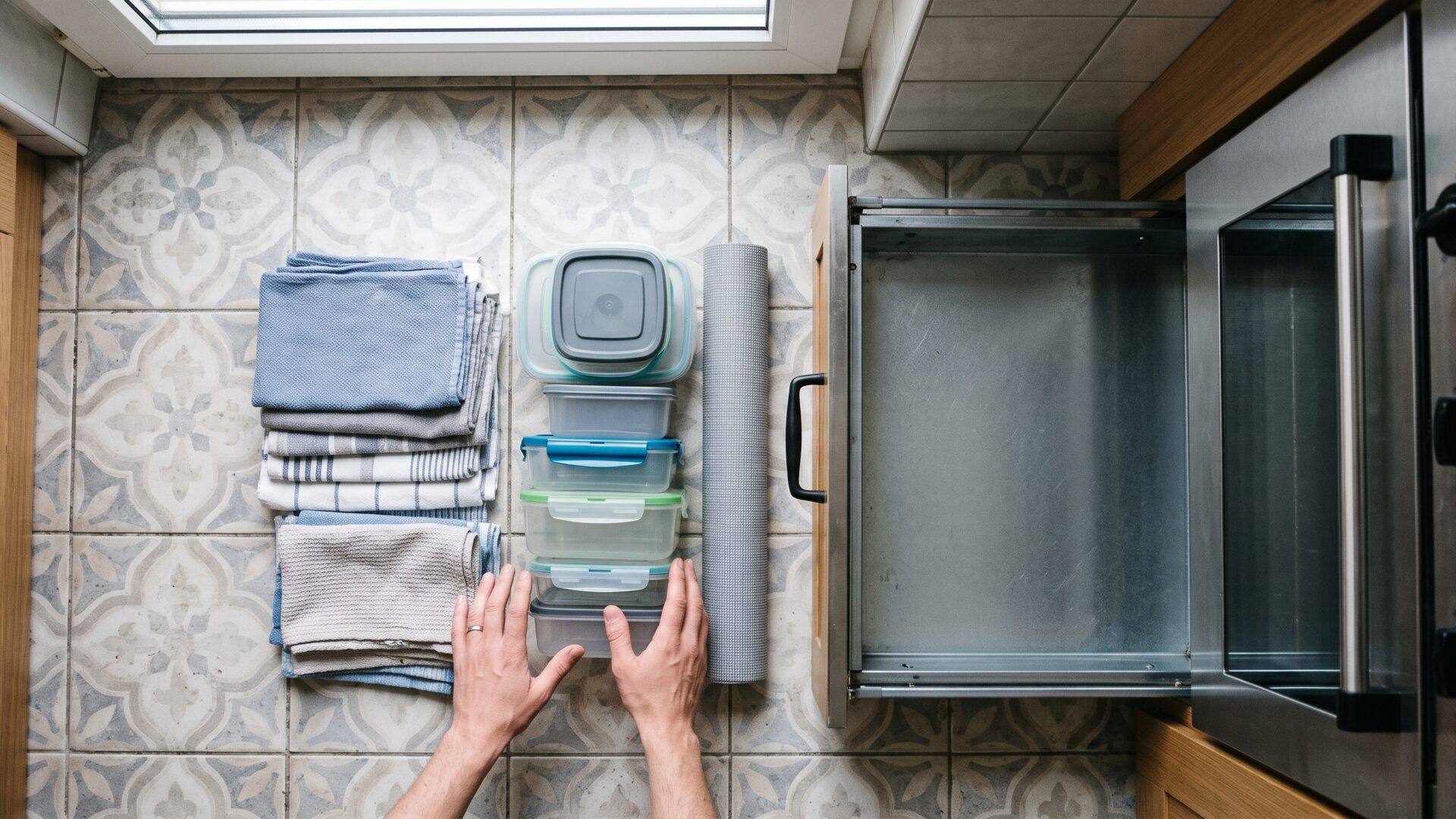
Dish towels, paper towels, cookbooks, and the owner’s manual itself are the wrong tenants, along with plastic containers, contact paper, and shelf liners. Aerosol cans and cleaning supplies are worse, because nothing pressurized or flammable belongs in a compartment bolted to a heat source.
Manufacturers point to the same reason, since the drawer can get warm or even hot while the oven is cooking or running a self-clean cycle. That cycle is the extreme case, running the oven far above baking temperature for a few hours at a stretch. Before you press that button, pull the drawer open, take out anything that is not metal, glass, or ceramic, and leave it empty until the oven has cooled.