Not Being Able to Afford a Home May Not Be Your Fault After All


The typical first-time homebuyer in America is now 40 years old, a record in the National Association of Realtors’ annual survey, which has run since the early 1980s. First-timers made up only 21% of buyers, also a record low. In the 1980s, the typical first-time buyer was in the upper 20s. Younger adults are often told the delay comes down to spending habits. Housing data from the past two years points to causes that sit far outside anyone’s budget.
Freddie Mac Estimates the U.S. Is Short 3.7 Million Homes
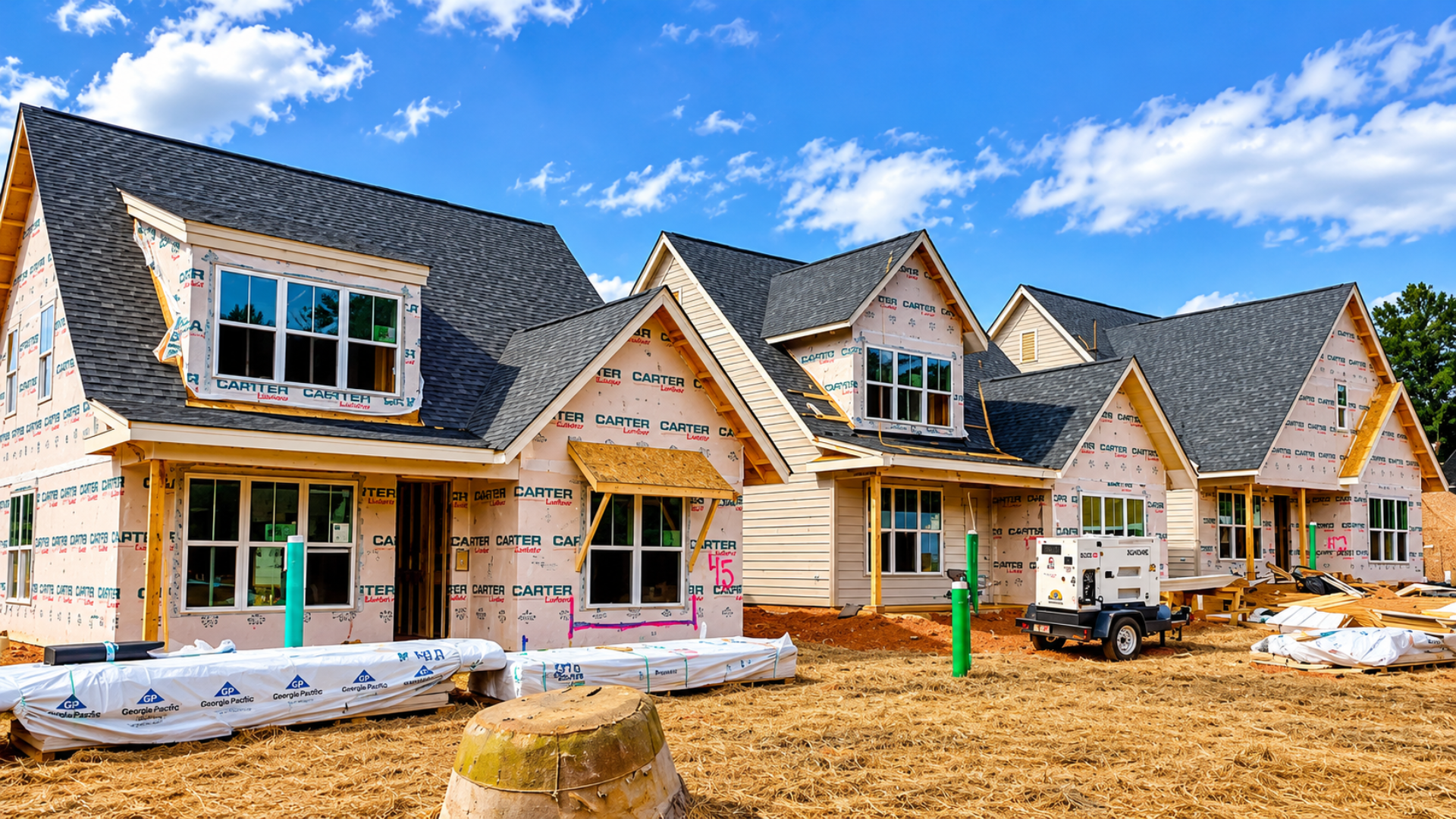
Economists at Freddie Mac calculated that the country’s housing stock sits 3.7 million units below what its population needs, using third-quarter 2024 data. They call the shortage the “root cause” of weaker affordability, since buyers and renters bid up prices for the limited homes available. Other estimates run higher. Zillow has put the gap at 4.5 million, and the White House Council of Economic Advisers has pointed to nearly 10 million. Builders are moving in the wrong direction.
Single-Family Starts Drop to 808,000, Slowest Pace Since November 2022

Builders broke ground at a seasonally adjusted annual pace of 1.239 million homes in July, down 12.4% from June, according to the U.S. Census Bureau. Single-family starts fell 9.9% to 808,000, the lowest since November 2022 and 15.7% below the same month last year. NAHB chairman Bill Owens said builders are wrestling with elevated construction costs and mortgage rates that keep buyers on the sidelines. Those costs begin piling up long before a foundation is poured.
Builders’ Trade Group Says Regulation Adds $131,734 to a New Home
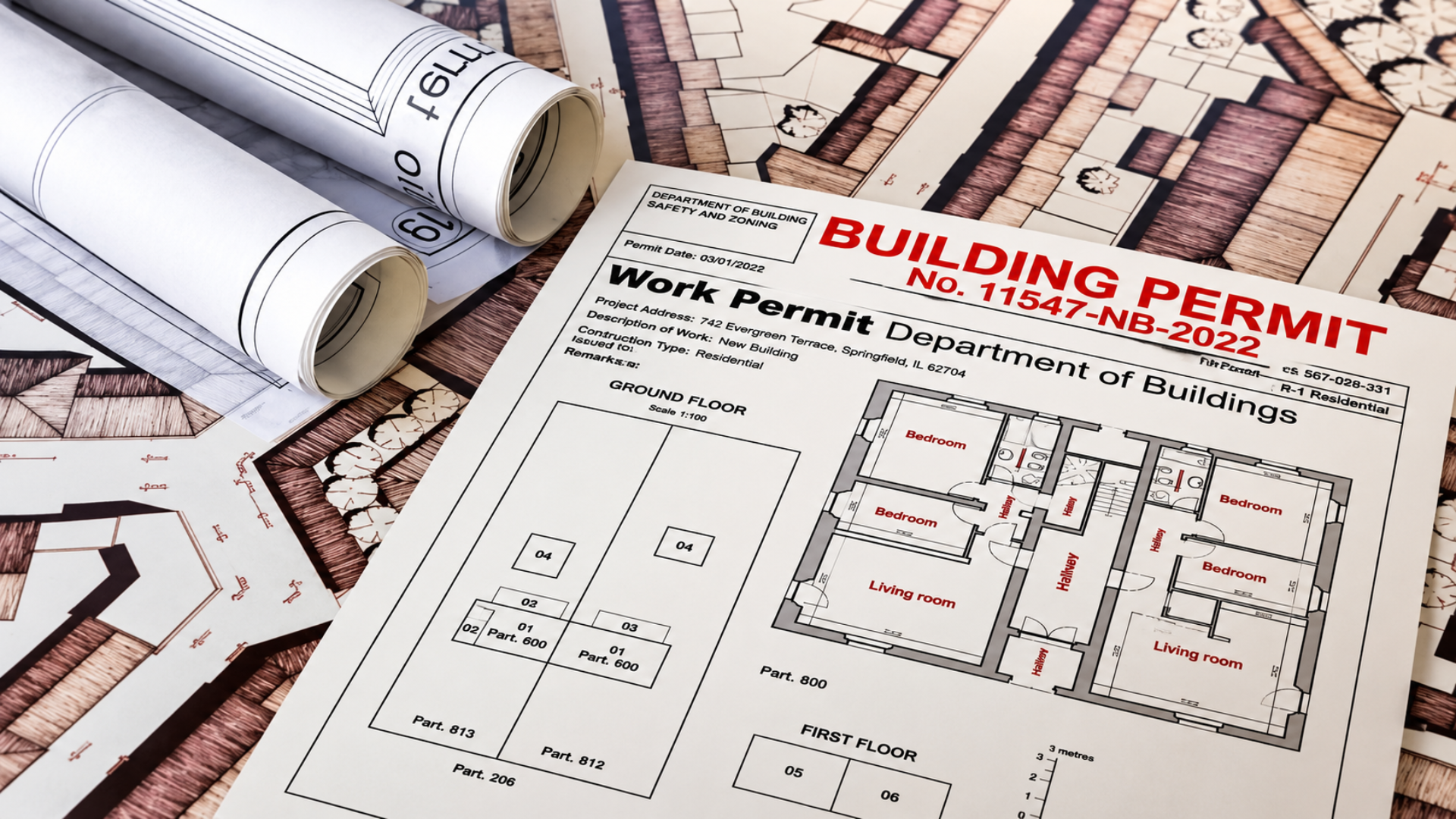
A 2026 study by the National Association of Home Builders, an industry group that lobbies on regulation, found that government rules account for $131,734, or 26.4%, of the average $499,500 new single-family home. That is up more than 40% since 2021. Some $46,795 is built into the price of the lot, and $84,939 is added during construction, driven in part by higher permit fees. Apartment developers report an even heavier load.
Apartment Developers Put Regulation at 40.6% of Project Costs
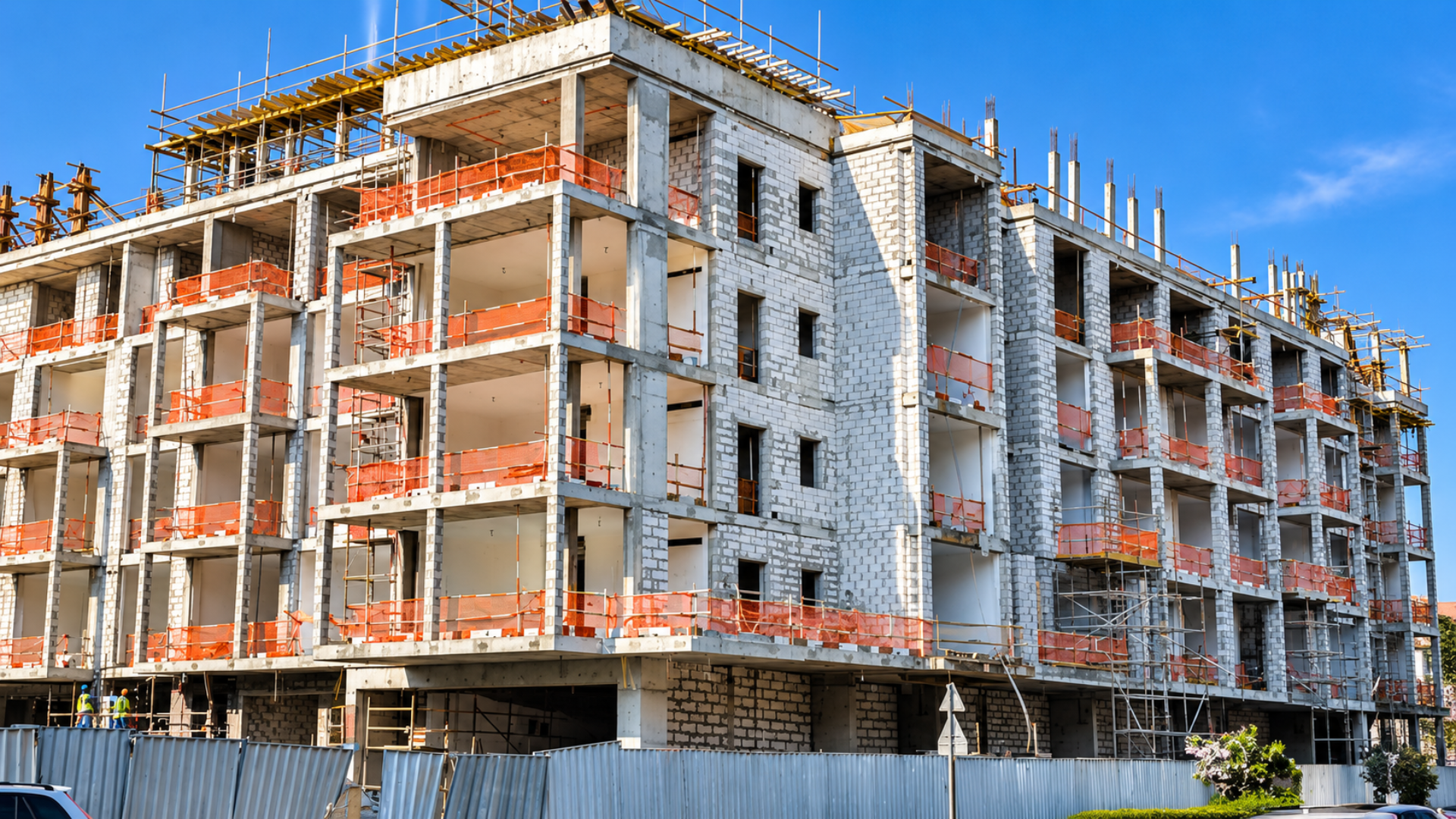
A 2022 survey of 49 multifamily developers, run by NAHB and the National Multifamily Housing Council, found regulation averaged 40.6% of development costs. Neighborhood opposition added another 5.6% on average and delayed delivery by 7.4 months. Every added cost forces rents higher for a project to make financial sense. When rents must climb to cover those costs, upscale buildings can absorb the extra expense more easily than modest ones. The squeeze reaches households long before they ever shop for a home.
Freddie Mac Links 1 Million Missing Households to High Housing Costs

Freddie Mac estimates the country would have about 1 million more households if high housing costs had not held people back, with most of the gap among younger adults living with relatives or friends. Those who do reach the market face steep obstacles to saving. Jessica Lautz, the Realtors’ deputy chief economist, said successful first-time buyers cited rent, student loans, credit cards, car loans and childcare. Some households never reach the market at all.
745,652 Americans Were Homeless on a Single Night in January 2025

The Department of Housing and Urban Development’s annual count found 745,652 people homeless on one night, about 3% below the record 771,480 in 2024 and the first yearly decline since 2016. New York and Illinois accounted for more than 90% of the drop. The National Alliance to End Homelessness reported roughly 17,500 people a week entering homeless systems for the first time during 2024. Washington has now targeted one piece of the cost problem.
New Federal Law Drops the Steel Chassis Requirement for Manufactured Homes

The 21st Century ROAD to Housing Act became law on July 11, 2026, and it removes the rule that manufactured homes sit on a permanent steel chassis. The Niskanen Center estimates the change could save builders $5,000 to $10,000 per home, according to Axios, which reported that a new manufactured home recently averaged about $135,000. The law appropriates no new money, and chassis-free designs still await revised HUD safety standards. Whether buyers ever see the savings is undecided.
McKinsey Sees 20% Construction Savings in Scaled Modular Building
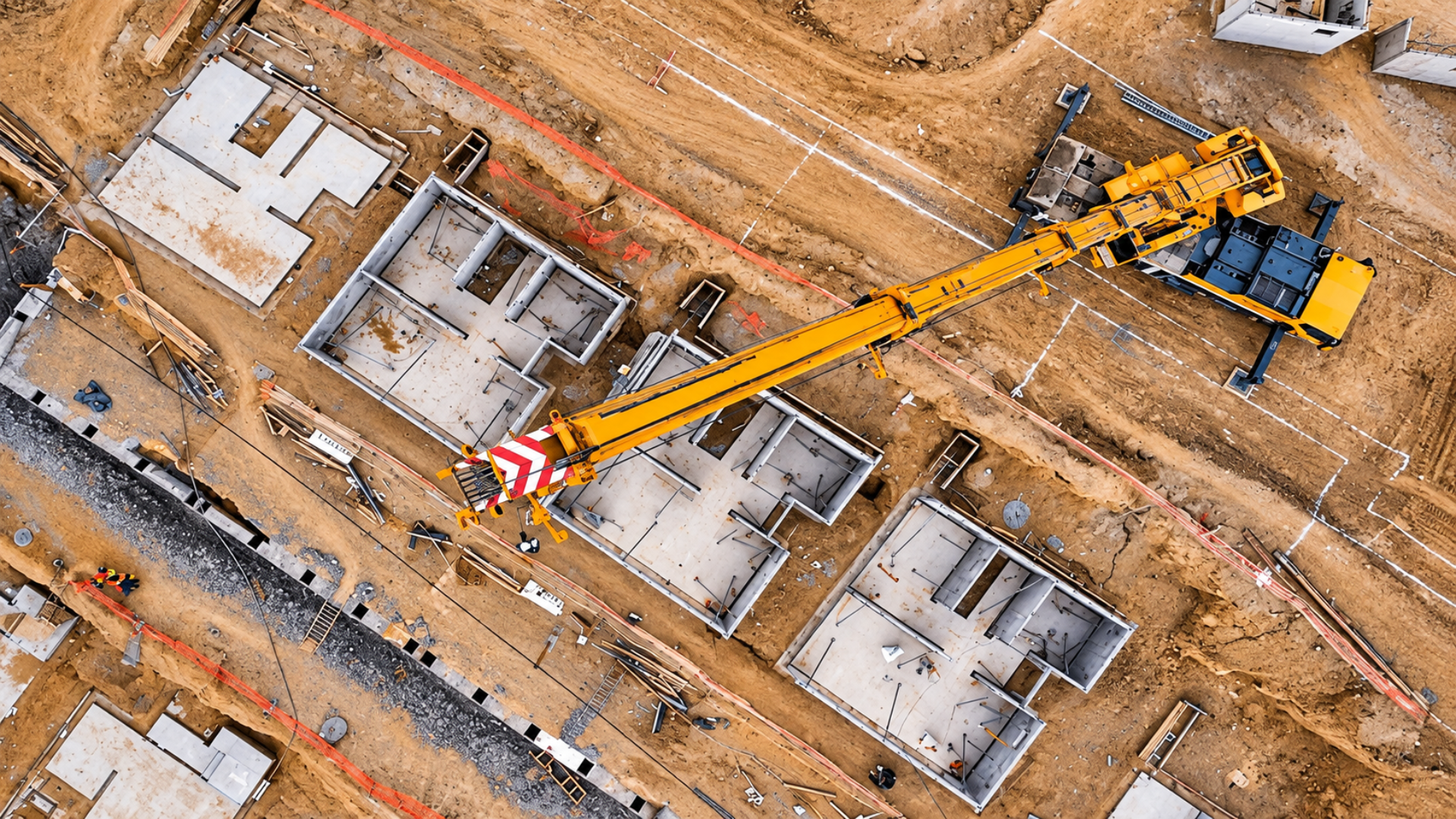
A McKinsey & Company report found modular construction could cut schedules by 20% to 50% and costs by more than 20% for developers that build at scale. The same report described such savings as the exception today and warned of possible losses of up to 10% if delivery or material costs spike. The new housing law directs HUD to study financing barriers for modular homes and whether they need a national building code. Prefab has drifted in and out of favor in the United States since the post-war era.
Missing Homes, Stacked Costs and Tight Financing Explain the Price of Shelter

The evidence describes a market millions of homes behind, where regulation and land costs stack up before construction begins and financing slows the projects that do start. A first-time buyer age of 40 and a homeless count above 745,000 both trace back to that arithmetic. Personal budgeting still counts, but a shortage measured in millions of homes cannot be closed one household at a time. The gap traces to supply, cost and financing conditions that individual buyers do not control.