A 470-Year-Old Nostradamus Warning About a ‘Seven-Month War’ Is Spreading Again
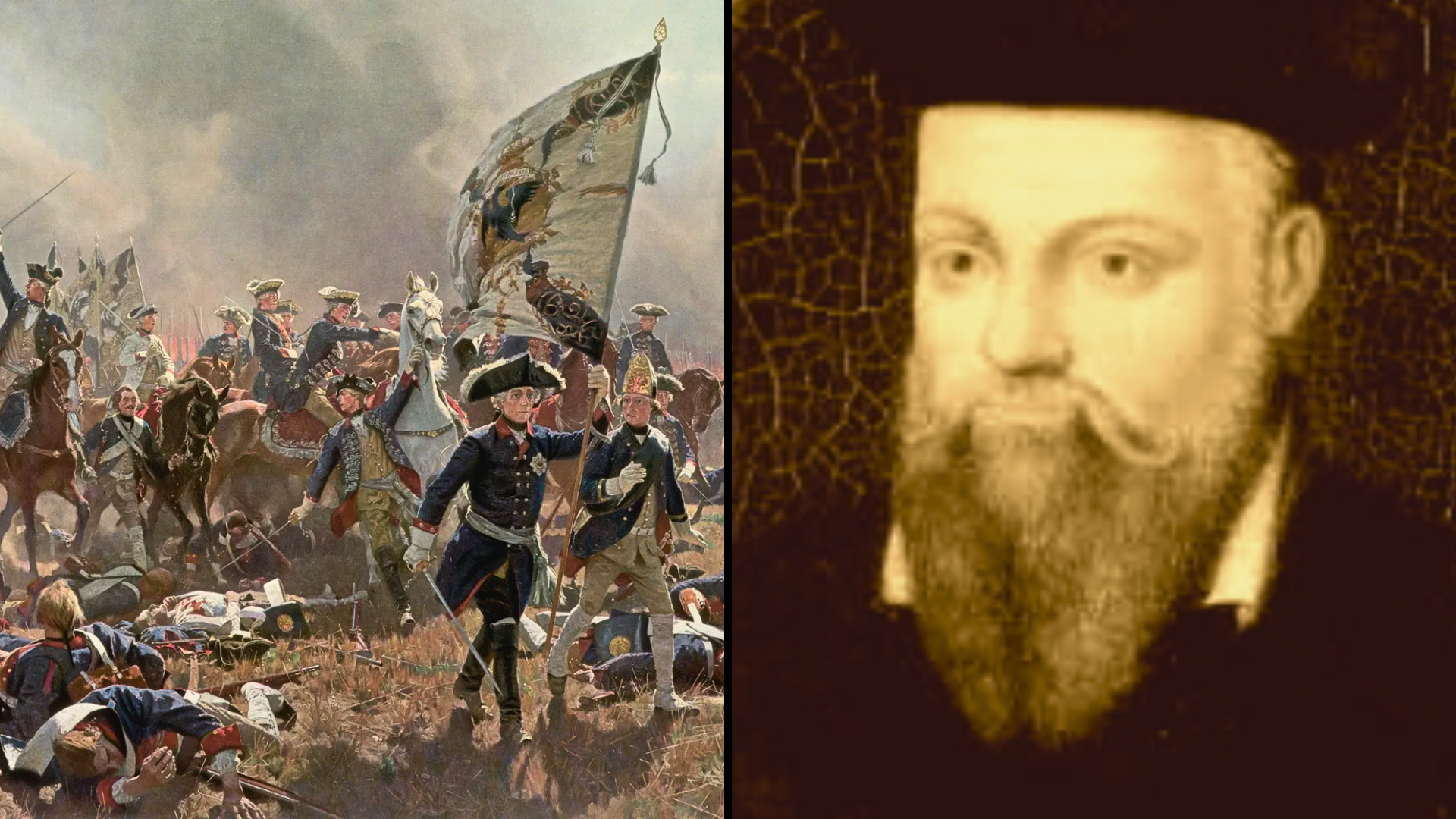

Centuries after his death, the cryptic verses of Michel de Nostredame are once again the center of a global digital storm. As the conflict between the US and Iran reaches a fever pitch in early 2026, followers of the 16th-century seer are pointing to specific quatrains that feel uncomfortably relevant. From references to drone swarms to a specified timeline for a great war, the 1555 book Les Propheties is being scoured for clues. While skeptics dismiss these as vague coincidences, the eerie alignment with modern warfare has caused these ancient warnings to resurface with a new, chilling urgency.
In Quatrain I:26, Nostradamus wrote of a great swarm of bees that arises by night to perform an ambush. While 16th-century readers may have seen this as a bizarre nature metaphor, modern interpreters see a direct link to 2026 drone technology. Both the US and Iran have deployed massive quantities of unmanned aerial vehicles (UAVs) in the current conflict. The buzzing sound and coordinated flight patterns of these strike drones have led many to believe the seer was visualizing 21st-century swarm tactics under the cover of darkness.
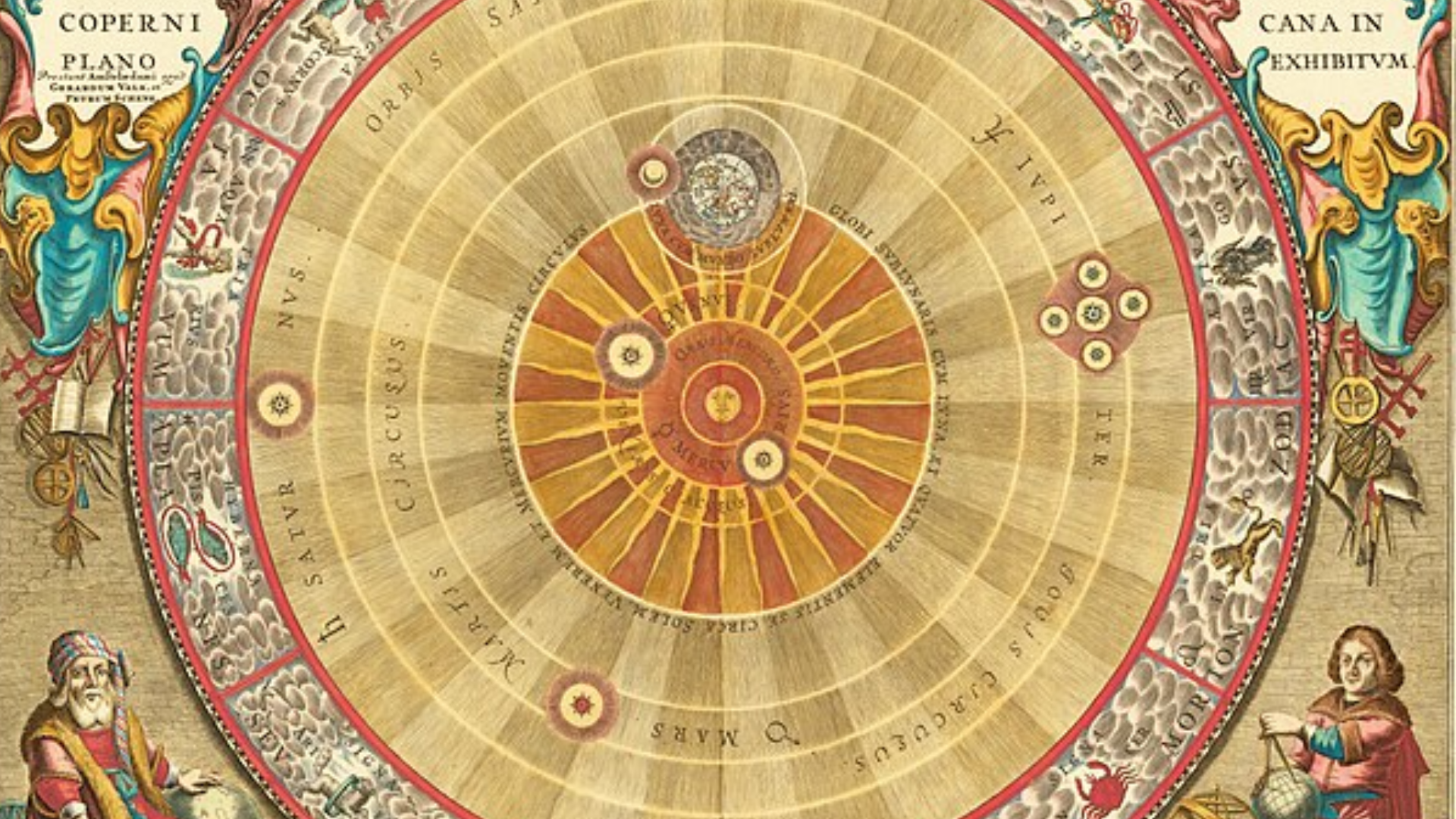
The prophecy gains modern traction as Mars, the ancient Roman god of war, rules its path among the stars in early 2026, an alignment believers cite as the celestial trigger for the current escalation. This passage warns of three fires rising from the eastern sides, which many interpret as the massive strikes currently hitting Tehran and surrounding ballistic sites following the killing of the Ayatollah. The vision concludes with a haunting line about the West losing its light in silence, a phrase analysts suggest points to a devastating cyberattack or an electromagnetic pulse (EMP) capable of crippling a superpower’s grid. As the U.S. intensifies military pressure on Iranian warships, the fear of a silent, technological retaliation suggests this conflict is being fought not just with high-tech bombs, but with a calculated, all-consuming darkness.
The Seven-Month Timeline of Conflict

Perhaps the most specific warning in the resurfaced texts is the mention of a seven months great war where people die through evil. Historical scholars note that Nostradamus rarely provided specific durations, making this seven-month mention stand out as an anomaly. Believers suggest this isn’t a warning of a short, decisive strike, but a grueling campaign in the Middle East that could consume the better part of 2026, marking a significant escalation from previous skirmishes.
The quatrain mentions that the King will not fail, but the cost of that victory appears to be high. In the current context, this is being viewed through the lens of President Trump’s recent declarations regarding Irans nuclear program. Following massive strikes on Tehrans infrastructure, the US administration has signaled a no-fail policy on preventing a nuclear-armed Iran, mirroring the uncompromising, absolute tone of the ancient verses where a leader refuses to retreat regardless of the carnage.
The prophecy mentions specific French locations like Rouen and Evreux. While the current conflict is centered in the Middle East, some fear these references imply that the war could spill over into Europe through domestic unrest or retaliatory strikes. The mention of these cities serves as a reminder that in Nostradamus’s view, a Great War rarely stays confined to a single border, eventually drawing in the global sanctuaries of the West and disrupting the light of distant nations.
Modern Warfare and Ancient Cryptography
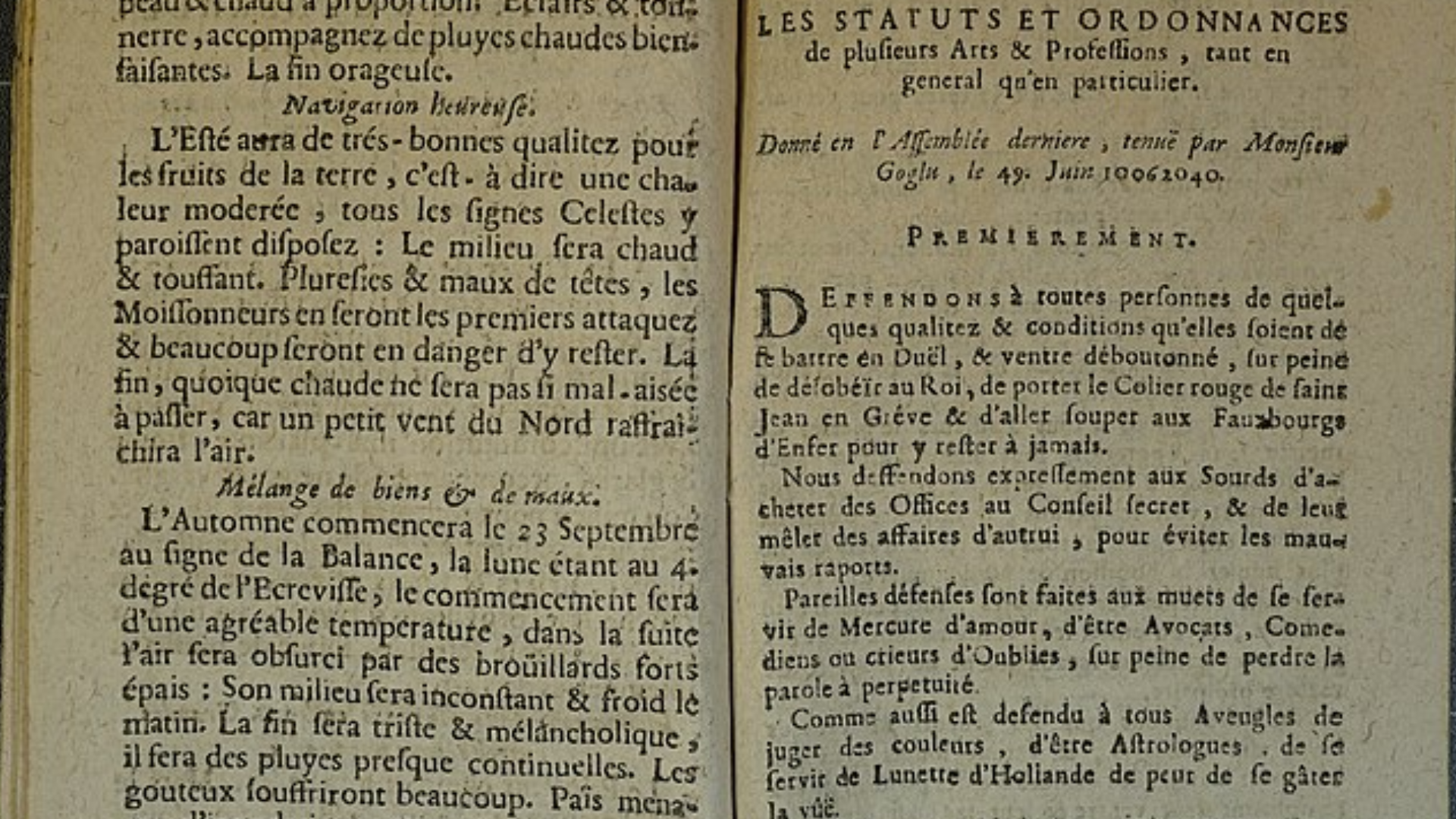
Nostradamus frequently alluded to weapons that fell from the sky or burned in the water. In 1555, these descriptions were purely fantastical, but in 2026, they describe the ballistic missiles and hypersonic projectiles currently being traded between Israel, the US, and Iran. The seer’s use of symbolic language—mixing Latin and Old French—often obscures the technical reality of the weapons he was trying to describe, making the current high-tech theater appear like a fulfillment of his medieval visions.
Followers have also pointed to quatrains regarding the fall of great leaders in the East whose death triggers wider chaos. These verses gained renewed interest following the recent military campaign that resulted in the killing of Ayatollah Ali Khamenei. The subsequent vacuum of power and the three fires rising from the East align with the chaotic transitions described in Les Propheties, where the death of a ruler acts as the spark for a seven-month conflagration that sprinkles the sanctuary with blood.
Critics argue that the seer’s writings are a Rorschach test for global anxiety. Because the quatrains lack exact dates and use highly symbolic imagery, they can be adapted to fit almost any crisis. However, the sheer volume of nearly 1,000 prophetic poems ensures that when a major event occurs, there is almost always a verse that can be interpreted as a match. This fuels the smoldering fire of public fascination, as people search for order and prediction within the chaos of 2026’s escalating violence.
The Path Ahead for Global Stability
The prophecy regarding the fire from the eastern sides is often linked to nuclear devastation. While Iran currently does not possess a nuclear arsenal, the US administration’s claim that Tehran has attempted to rebuild its program has put the world on high alert. Nostradamus’s warnings of sanctuaries being sprinkled with blood suggest that even the most protected areas are not safe from the reach of modern, long-range weaponry, signaling a shift in the Wests perceived invulnerability.
As Mars continues its path through the sky, the global community remains transfixed by both the digital news feed and the ancient book of rhymes. Whether the seven-month war will conclude by late 2026 remains to be seen. However, the psychological impact of these prophecies is real, often influencing public sentiment and adding a layer of fatalism to an already tense geopolitical environment as believers watch for the rising fires predicted centuries ago.
Nostradamus’s enduring popularity during times of crisis is a final statement on humanity’s desire to find order in chaos. Whether he truly saw 2026 or simply understood the repetitive nature of human conflict, his chilling warnings serve as a mirror for our modern fears. As drones continue to swarm like bees and fires rise in the East, the 470-year-old book stays open, waiting for the next quatrain to turn from ink to reality in a world losing its light.