North Texas Residents Push Back Against Massive Data Center Planned Near Their Homes
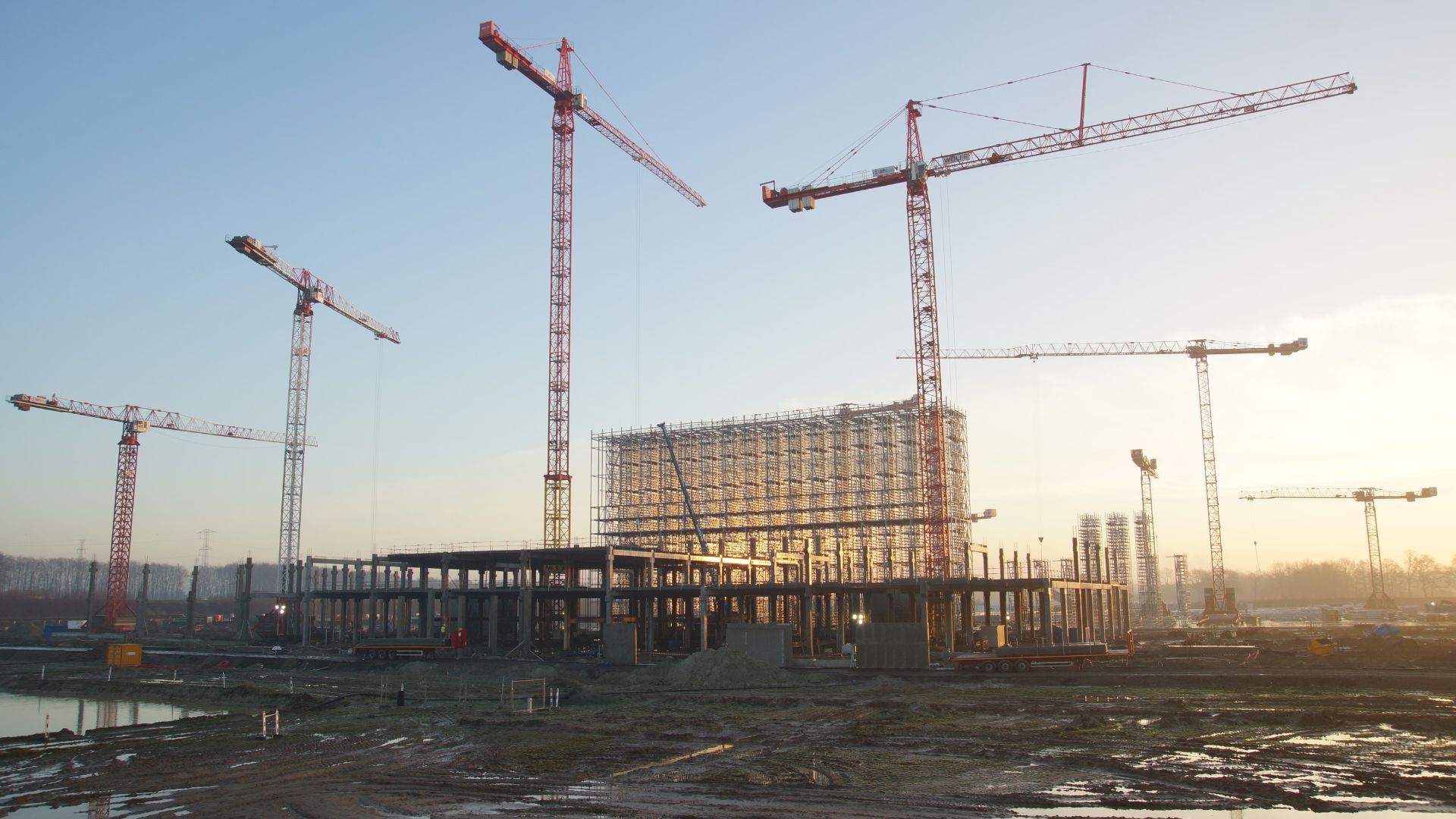

Just north of Fort Worth, in the small Texas town of Westlake, a massive data center project has cleared a major hurdle even as neighbors keep pushing back.
The plan covers almost 88 acres near Highway 377, and this week the town’s planning and zoning committee gave it the green light. For residents who live nearby, the fight is far from over. Some say they only found out about the project through a social media post, and they’re questioning how close it will really sit to their homes. What exactly is being built, and why are so many people upset about it? The details reveal a story with more than one side.
What the Massive Data Center Campus Will Include
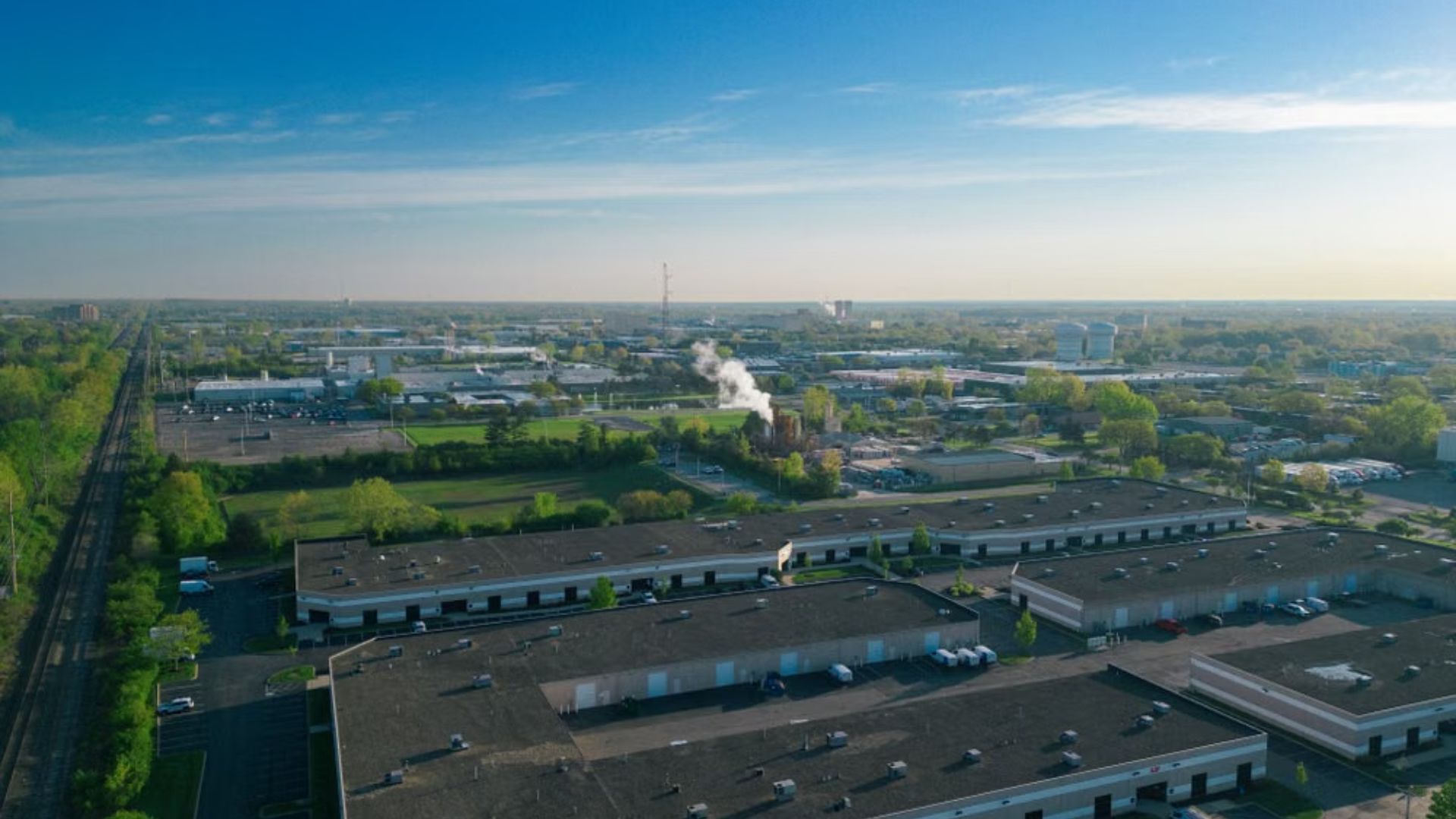
According to plans presented by the developer, the site will hold four separate buildings, plus a private electrical substation and backup generators to keep everything running. The company also plans to add trees and landscaping designed to keep the campus mostly hidden from the road. Data centers like this one house rows of servers that power everything from streaming video to artificial intelligence tools, and they need constant electricity and cooling to function. Westlake’s town staff reviewed the site plan and found that it met all required standards and, in several categories, exceeded the town’s minimum requirements. That approval was enough to move the project to its next stage. But for people living just across the property line, the question wasn’t whether the plan met code. It was how close it would actually be to their backyards.
How Far Is Too Close for Comfort?
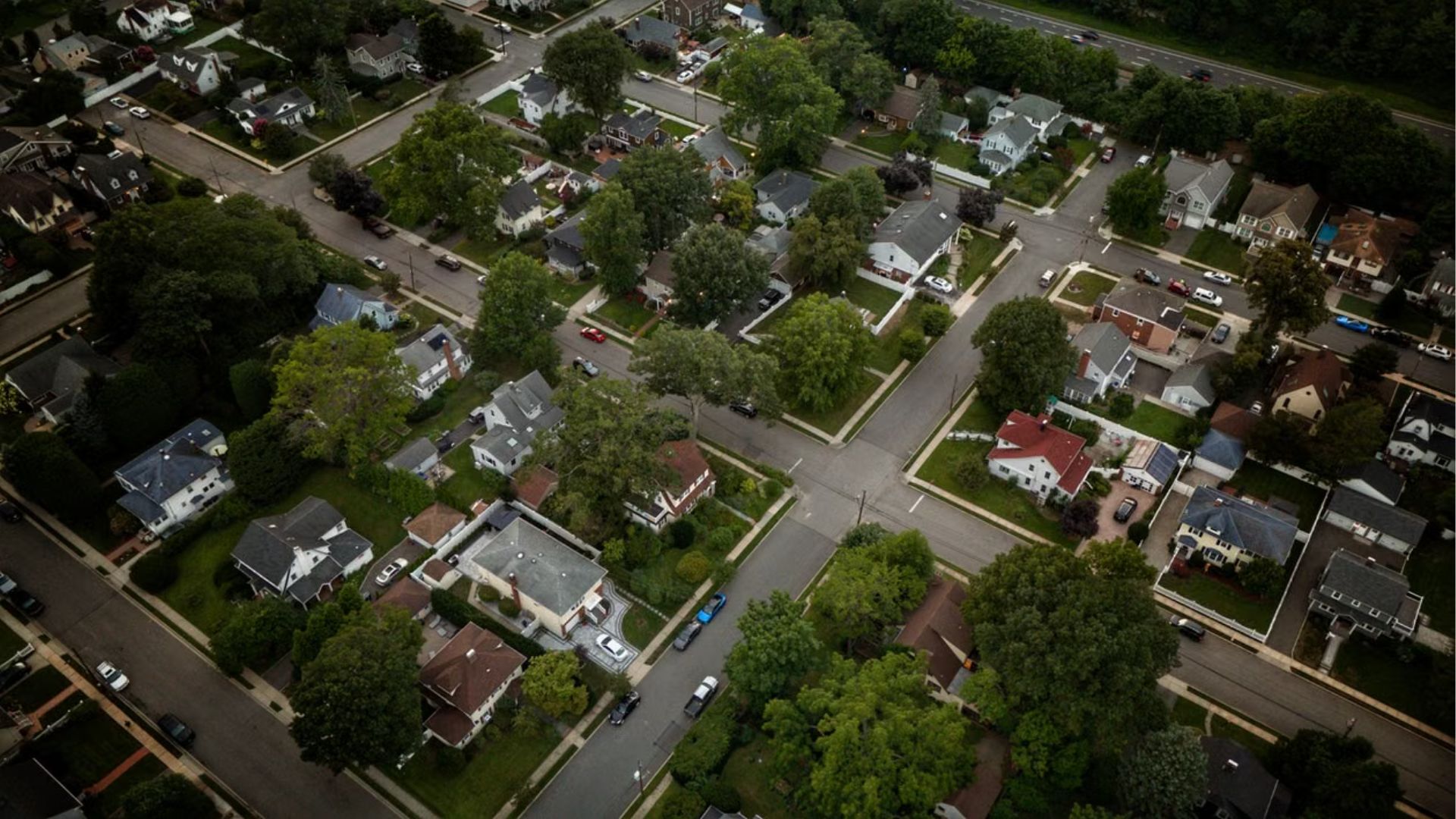
The nearest homes will be about 506 feet from the building line, according to Westlake officials, who note that this distance is well beyond the town’s 150-foot minimum requirement. That might sound like plenty of space. But some neighbors in the Marshall Ridge community, just over the town line in Keller, say the marketing around the project told a different story. Early messaging suggested the closest resident in Westlake would live nearly a mile away. What wasn’t as widely shared was that the property line for Keller homeowners sits only a few hundred feet from the site, not a mile. That gap between what residents expected and what they later learned is part of why tensions have run so high.
A Facebook Post That Changed Everything

For many Keller residents, the first sign of trouble came from social media, not an official notice. One homeowner described learning about the data center through a Facebook post, saying he could hardly believe what he was reading. He and his neighbors felt blindsided, especially since their properties border the site directly. Westlake officials pushed back on the idea that the project came out of nowhere, saying it had been discussed with Keller leadership more than a year earlier, in December 2024. Keller’s former mayor confirmed that a meeting took place but described it as an early, informal conversation rather than a formal proposal. So which version is accurate? Both towns have their own account, and the disagreement itself has become part of the story.
Two Cities, Two Very Different Stories

Westlake later clarified that the December 2024 meeting was meant as a courtesy briefing for Keller’s leadership, not a request for approval. According to the town, no one from Keller raised objections at the time. Keller’s current mayor sees things differently, saying the city expects Westlake to treat its residents with the same consideration Westlake shows its own. It’s a reminder that even neighboring towns can end up with conflicting memories of the same meeting. While the two cities continue pointing fingers, the residents caught in the middle are left waiting for real solutions. Their concerns go beyond who said what, and into questions about daily life once construction begins.
Will It Affect Your Water and Power Bills?
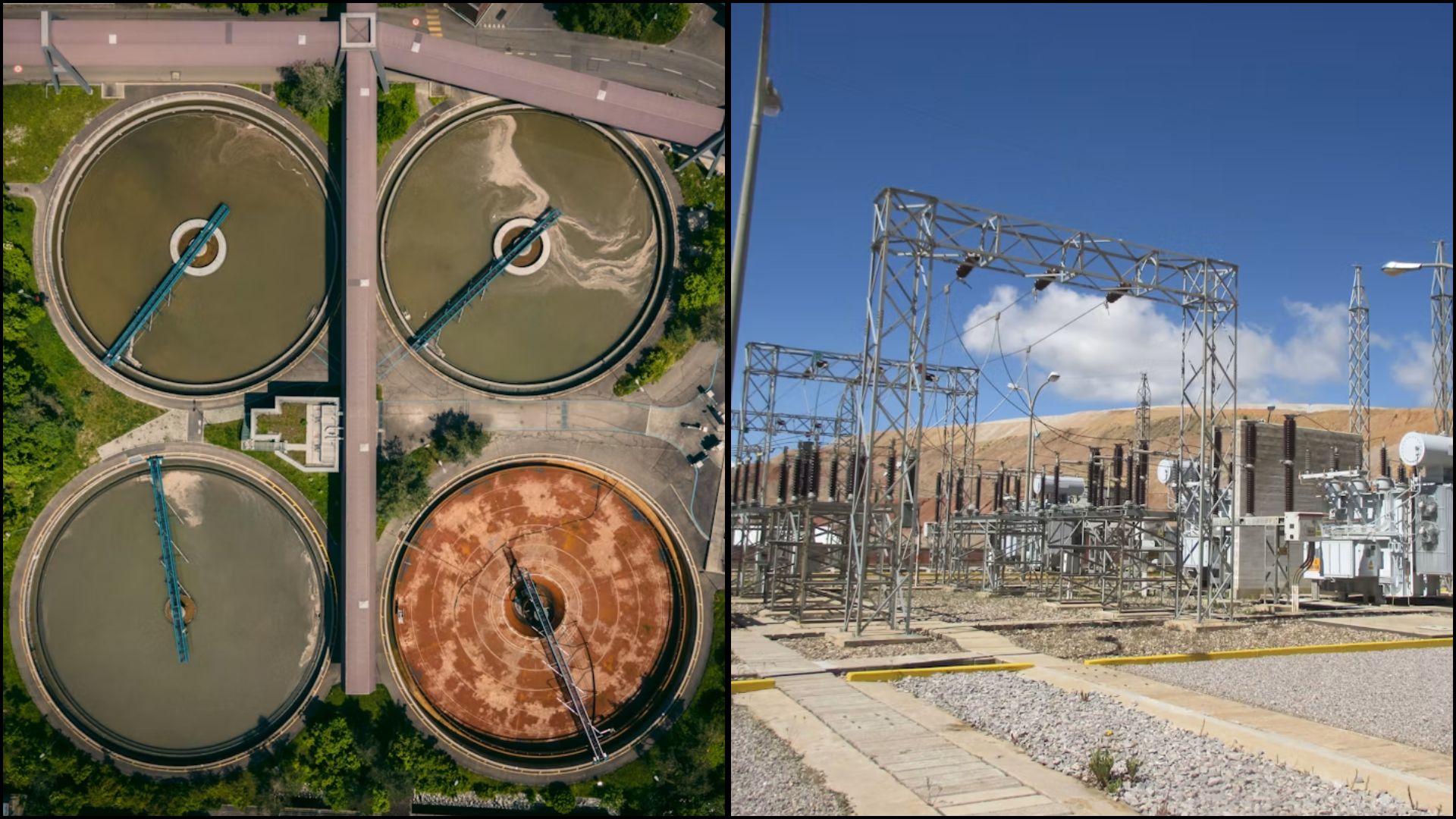
Data centers are famous for using enormous amounts of electricity and water to keep their servers cool, and that reputation is part of what worries nearby homeowners. Westlake addressed this directly in a public FAQ, stating that the facility will use less water than a typical golf course requires for irrigation. The town also says the project will not affect residents’ water or electricity bills. Those are reassuring numbers on paper. Still, for people who have watched data center booms strain local resources elsewhere in the country, comparisons and promises only go so far. The real test will come once the facility is actually up and running.
What About Traffic and Jobs?
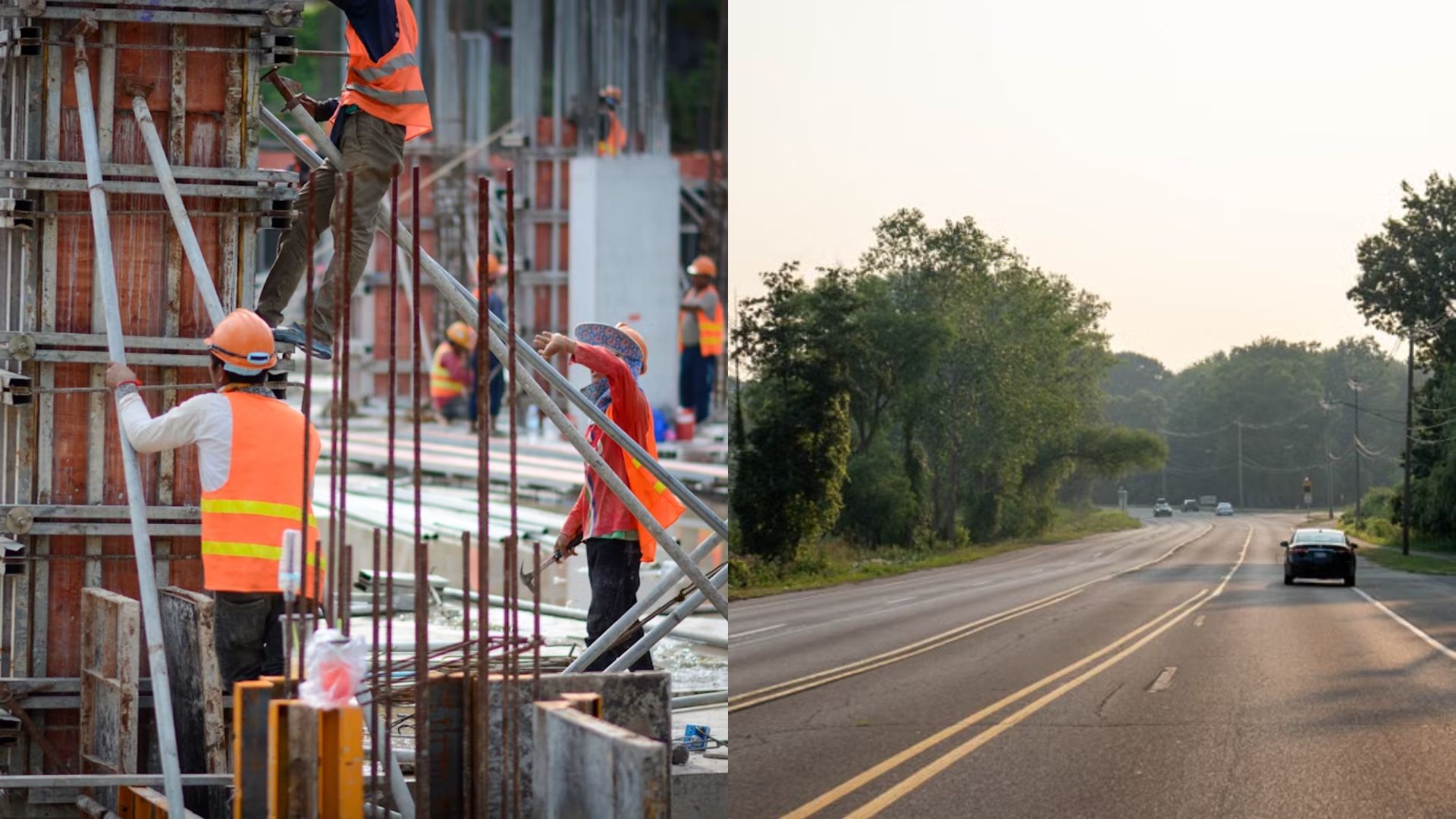
One thing that might surprise people expecting a construction and traffic nightmare is just how few workers the finished site will need. Once operational, the data center is expected to have around 75 employees on site at any given time, a relatively small number for an 88-acre campus. Because of that modest staffing level, Westlake says the long-term impact on local traffic should be minimal. The bigger disruption is likely to come during construction rather than after. That timeline detail matters for residents trying to figure out how their daily commutes and neighborhood streets might change in the months ahead, and for how long.
A Late Concession on Noise
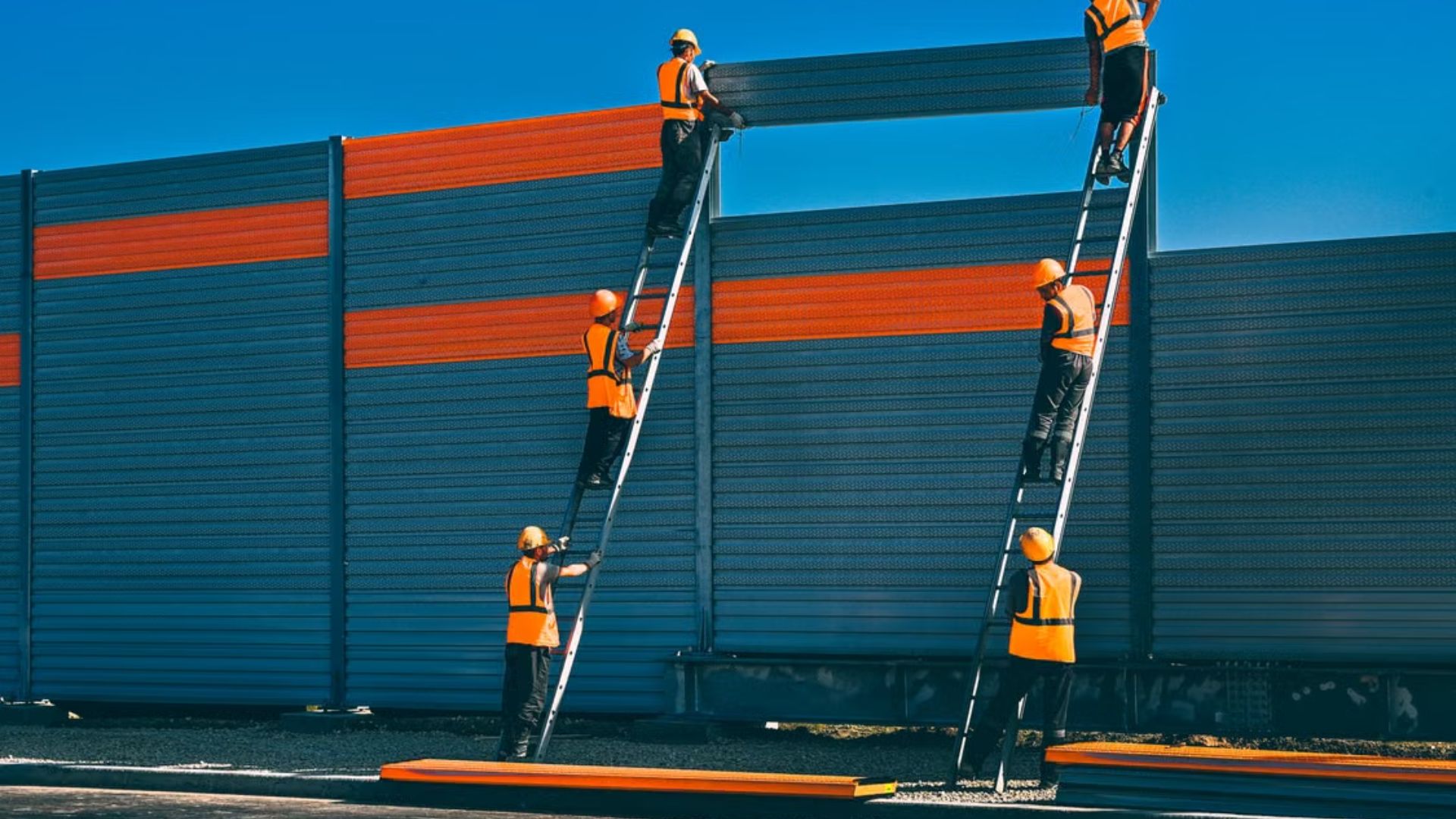
Noise was one of the most common concerns raised by neighbors, and it turned out to matter enough to change the plan. At this week’s meeting, the developer agreed to add extra sound mitigation beyond what had already been proposed, specifically to ease the impact on nearby homes. It’s a small but telling detail. Developers rarely add new commitments unless public pressure makes it worth doing. That kind of last-minute adjustment suggests neighbors’ voices were heard, even if their bigger request, moving the whole project further away, was not granted. The question now is whether these added measures will be enough to satisfy residents once the site is built.
The Vote That Moved the Project Forward

Despite a meeting room full of concerned neighbors, Westlake’s planning and zoning committee voted this week to approve the site plan. Town staff had already determined that the proposal met every applicable requirement, and officials said there was no legal basis left to deny it once those standards were satisfied. That approval doesn’t mean construction starts tomorrow, though. It sets up a final vote by the Westlake town council, the last major decision point before the project can move ahead. For residents who have been organizing and speaking out for months, this stage represents their last real chance to influence the outcome before it becomes permanent.
What Happens Next for Frustrated Neighbors

Westlake’s town council is scheduled to meet again on August 18, though the agenda for that meeting had not been published as of this report. That vote will likely determine whether the project moves forward as planned or faces any last-minute changes. For now, Keller residents like those in Marshall Ridge say they aren’t against Westlake building a data center at all. Their real request has always been distance, hoping officials would extend the same courtesy to them that Westlake extends to its own residents. Whether that request gets any traction before the final vote remains an open question, one that thousands of North Texans will be watching closely.