EV Drivers Lash Out After Nissan Drops Remote App Support, Calling It ‘Unacceptably Bad’
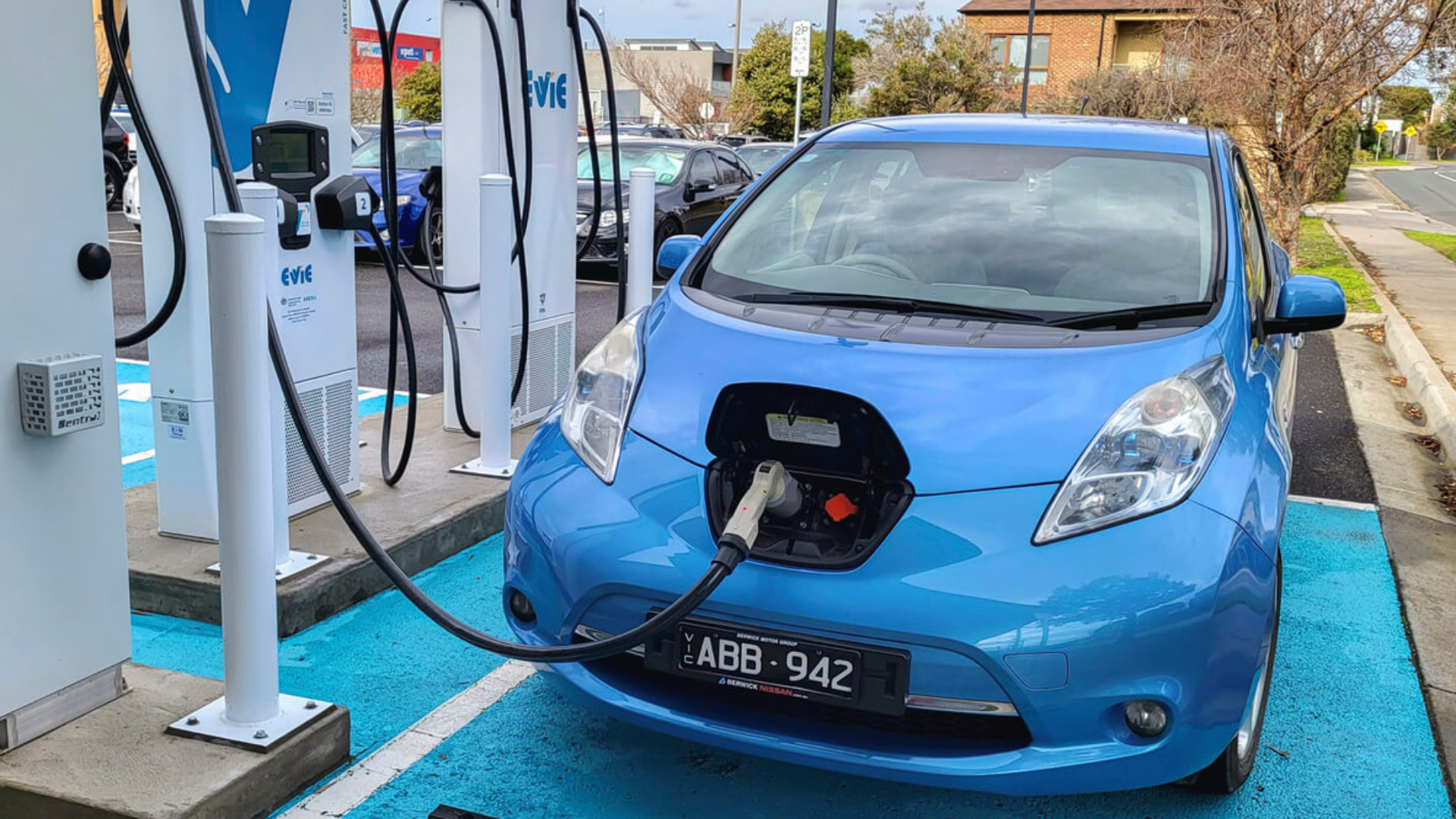

Owners of some of the world’s most popular electric vehicles are expressing “shocking” anger after Nissan announced it would pull the plug on a critical remote-access app. The decision impacts drivers of Nissan Leaf models produced before May 2019 and e-NV200 vans made as recently as 2022. From March 30, these motorists will lose the ability to control battery charging and climate functions from their smartphones.
The shutdown of the NissanConnect EV app has sparked a fierce debate over the longevity of “connected cars”. Many affected vehicles are less than four years old, leaving owners feeling abandoned by a manufacturer they trusted for their transition to green energy. Drivers have labeled the move “unacceptably bad,” noting that a car’s digital systems should be as durable as its mechanical parts.
Nissan defended the move by claiming the aging app could not be “upgraded to support future enhancements”. While in-car controls for heating and timers will still function through the physical dashboard, the loss of remote connectivity is a major blow to convenience. It serves as a stark warning for the entire EV industry as software-driven features begin to expire long before the cars themselves.
The ‘Frosty Morning’ Problem

The reality of the app shutdown hits hardest during daily routines, such as pre-warming a vehicle on a cold day. Drivers like Alan Clucas expressed frustration that they will no longer be able to remotely activate the heater or check battery levels from their phones. For many, these weren’t just “luxury” features but core components of the electric vehicle experience.
Beyond comfort, the loss of remote smart-charging capabilities could impact how owners manage their energy costs. Without the app, checking if a car is fully charged requires a physical trip to the vehicle rather than a quick glance at a screen. One driver noted it was “amazing” that such essential features were only supported for seven years when the average car is expected to last twice that long.
Experts warn that this is just a preview of the “connected car” afterlife. As modern vehicles become even more reliant on internet-based services, manufacturer support is likely to drop away as models age. This could eventually render other high-tech features—like navigation, autonomous driving aids, or even heated seat subscriptions, completely obsolete.
From Ownership to “Software as a Service”

The shift in the automotive world mirrors the tech industry’s move toward “Software-as-a-Service” (SaaS) models. Benjamin Gorman, a senior lecturer at Bournemouth University, compares the situation to software like Photoshop, which shifted from a one-time purchase to a recurring subscription. While this model works for games, it is highly problematic for expensive physical products like cars.
This “rental” mentality raises uncomfortable questions about what consumers actually own. If a manufacturer can turn off a feature with just one month’s notice, the value of the vehicle is effectively at the mercy of a corporate server. This trend toward “pay-to-play” connectivity suggests that future remote features may only be available to those willing to pay ongoing fees.
The environmental impact of this digital decay is also a growing concern. To minimize the carbon footprint of the automotive industry, cars need to be built to last. Rendering a perfectly functional electric car “digitally obsolete” before its time goes against the core sustainability goals that many EV drivers initially signed up for.
A Growing Crisis of Digital Obsolescence
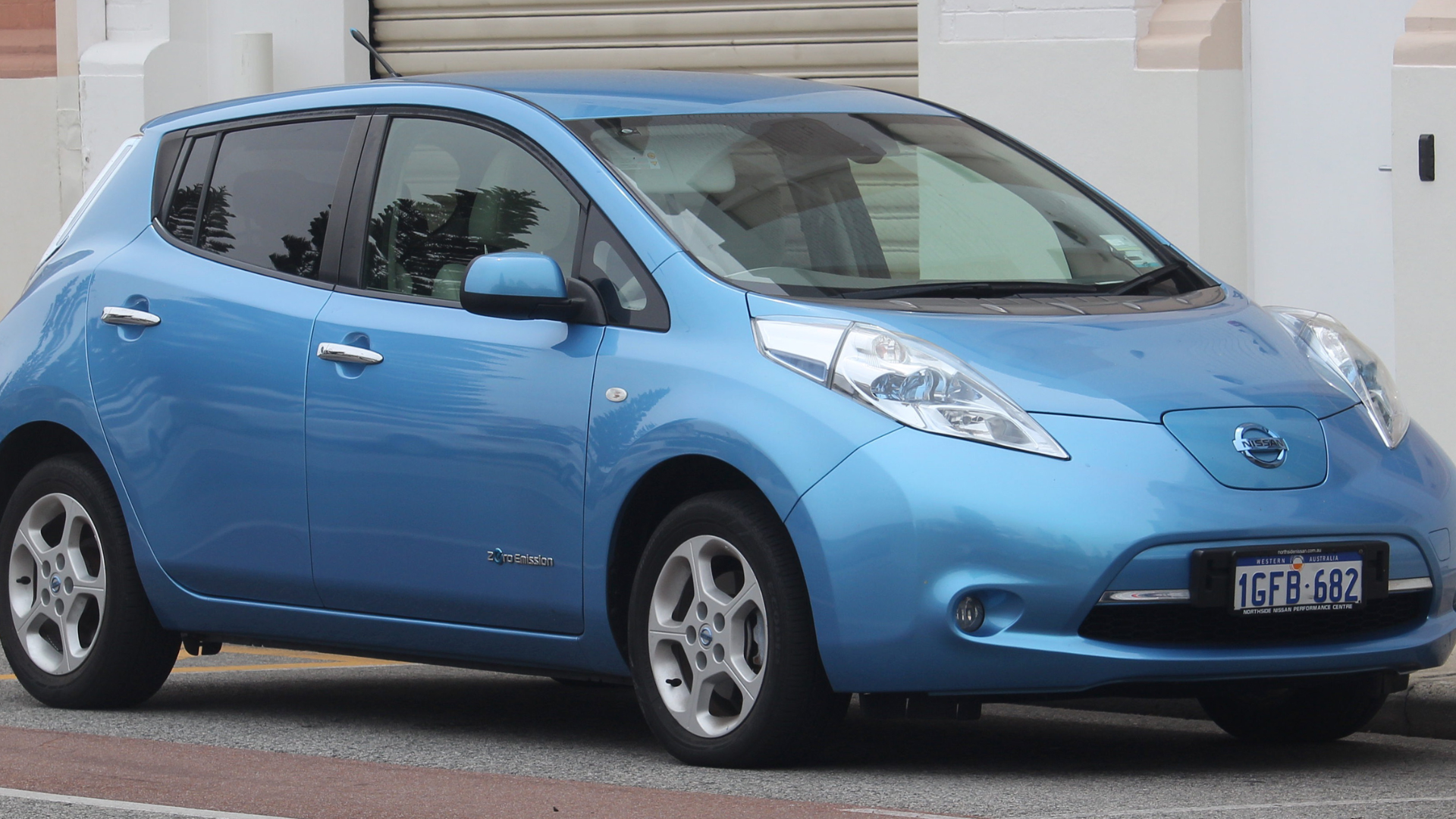
This isn’t the first time Nissan has faced backlash over connectivity; in 2024, the first generation of Leaf cars lost support following the shutdown of 2G networks. However, the latest move targets much newer hardware, signaling a narrowing window of support for automotive software. It highlights a disconnect between the 12-plus year lifespan of a mechanical car and the much shorter cycle of mobile apps.
Industry analysts suggest that software and digital systems must become as reliable as engines and transmissions if the EV transition is to remain credible. For current Nissan owners, the upcoming March 30 deadline is a hard lesson in the fragility of the “smart” car. As more manufacturers experiment with subscription-based features, the definition of vehicle ownership is being rewritten in real-time.
The Nissan app shutdown may be remembered as the moment the “connected car” dream met a harsh reality. While the cars will still drive, they will do so without the digital convenience that once defined them. For a community of drivers who pioneered the electric shift, the feeling of being “left in the cold” is both literal and figurative.