NHTSA Recalls 20,349 Teslas Because Their Headlights Are Too Bright
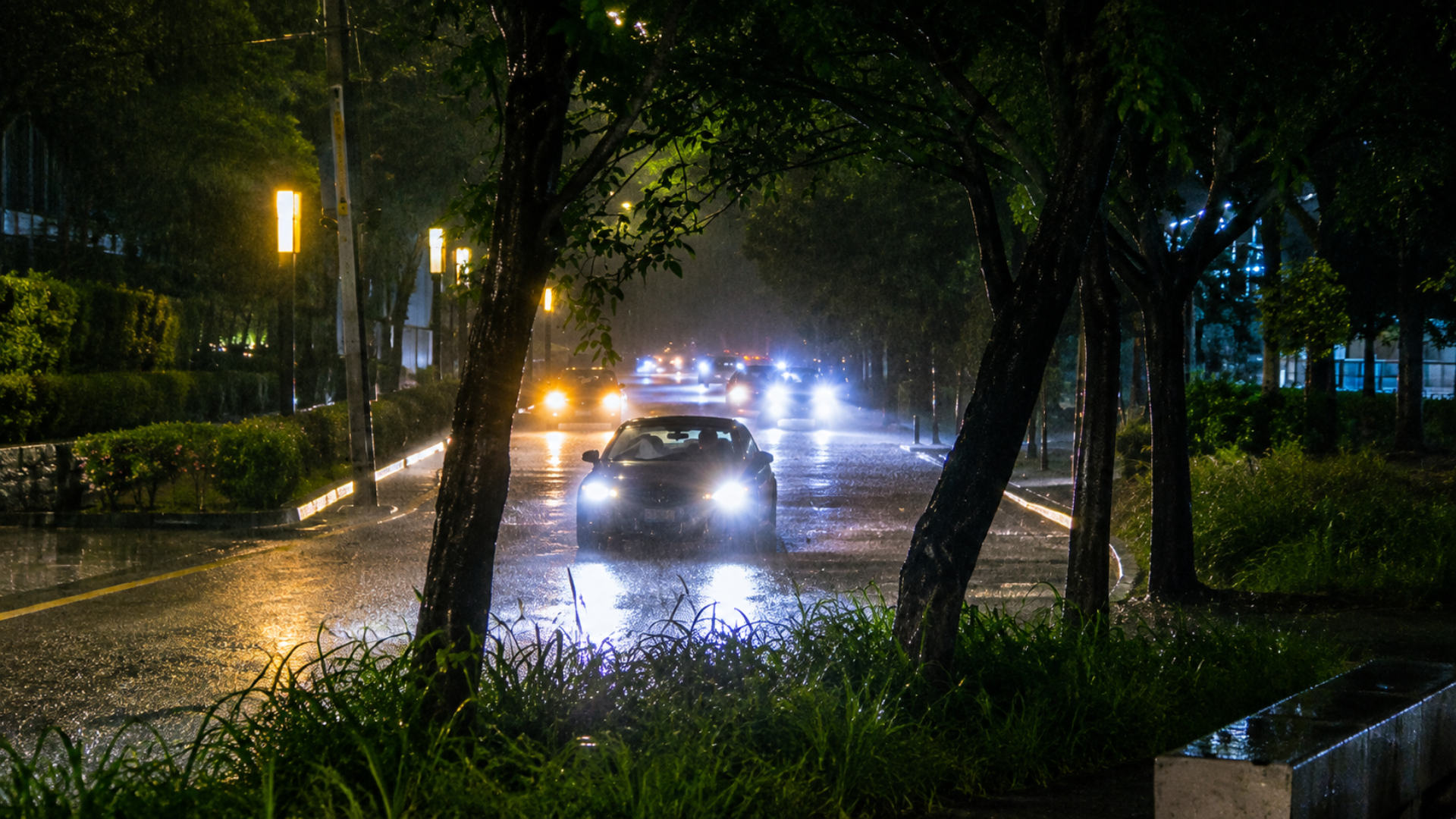

Federal regulators just forced Tesla’s hand on a problem the automaker spent two years trying to argue away. More than 20,000 Model 3 and Model Y vehicles are now under a formal recall because their low-beam headlights shine brighter than what U.S. safety law permits. Tesla didn’t volunteer this fix. It came only after regulators flatly rejected the company’s request to skip the recall entirely.
The recall covers exactly 20,349 vehicles: 18,735 Model Y SUVs built between February 2020 and December 2023, and 1,614 Model 3 sedans built between July 2017 and December 2023. Tesla filed the paperwork with the National Highway Traffic Safety Administration on August 4, 2026, under Recall No. 26V507, closing out a dispute that had been dragging on since 2023.
The issue traces back to a specific supplier. Headlamp assemblies built by Marelli Automotive Lighting exceed the federal brightness limit in two narrow zones of the beam pattern, the upper-left and upper-right corners of what regulators call the 10U to 90U test area. It’s a precise, technical violation, not a blanket problem across the entire headlight.
How Bright Is Too Bright? The Numbers Behind the Violation
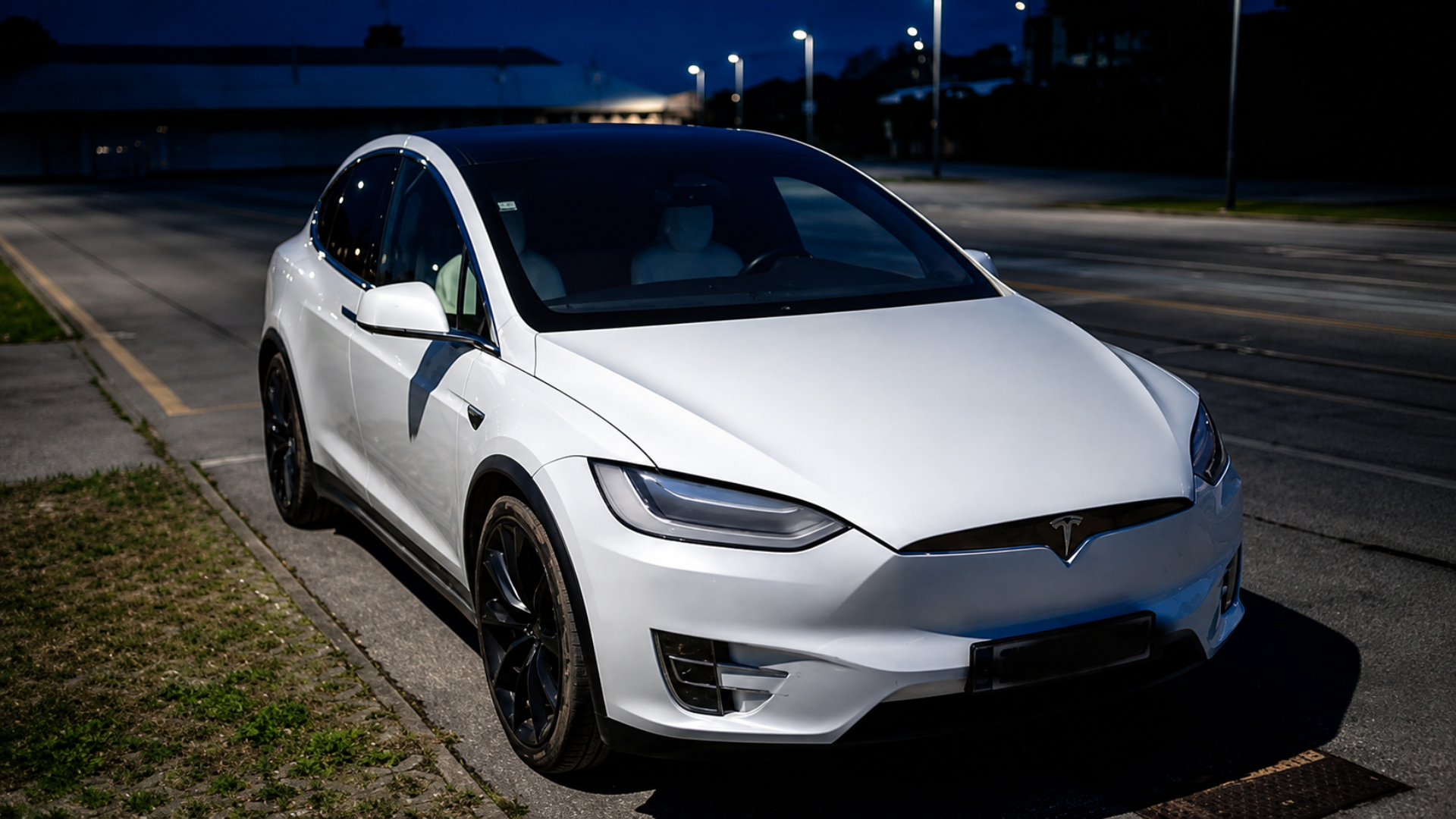
Federal Motor Vehicle Safety Standard 108 caps low-beam intensity at 125 candela in those upper zones, a limit designed to keep oncoming drivers from being blinded. Tesla’s affected headlights measured as high as 230 candela in testing, roughly 84% above the legal ceiling. That’s not a marginal overage. It’s nearly double what regulators consider safe for that part of the beam.
Tesla didn’t dispute the measurements. Instead, the company argued the excess brightness fell outside where a driver would naturally be looking, and pointed out it had never received a single complaint, crash report, or injury claim tied to the low beams. In Tesla’s telling, the numbers were technically over the line but functionally harmless on the road.
NHTSA wasn’t persuaded. The agency pushed back specifically on Tesla’s testing conditions, noting that rain, snow, and fog could intensify glare for oncoming drivers in ways a clean, controlled lab environment wouldn’t capture. Regulators concluded that Tesla “has not met its burden of persuasion that the subject FMVSS No. 108 noncompliance is inconsequential to motor vehicle safety.”
Tesla Fought This Recall for Two Years Before Losing
This wasn’t a case of Tesla catching a problem and immediately alerting owners. The automaker petitioned NHTSA back in 2024, asking the agency to formally classify the noncompliance as inconsequential, a designation that would have let Tesla skip notifying owners or performing repairs altogether. NHTSA sat on that request for roughly a year before denying it on July 17, 2026.
This isn’t the first time Tesla has pushed back against a recall before eventually giving in. The company has previously fought a recall covering roughly 158,000 vehicles before ultimately conceding to regulators. It’s a pattern that shows Tesla is willing to contest NHTSA’s findings rather than accept them automatically, even when it eventually loses the argument.
The timing detail matters here too. Compliant replacement headlamps already exist and have existed for years. Tesla introduced legally compliant units into new production at its Fremont facility on December 4, 2022, and at its Austin facility on August 7, 2023. The fix isn’t a mystery Tesla needs to invent. The company has simply been reluctant to retrofit it into tens of thousands of existing vehicles.
What Happens Next for Affected Owners
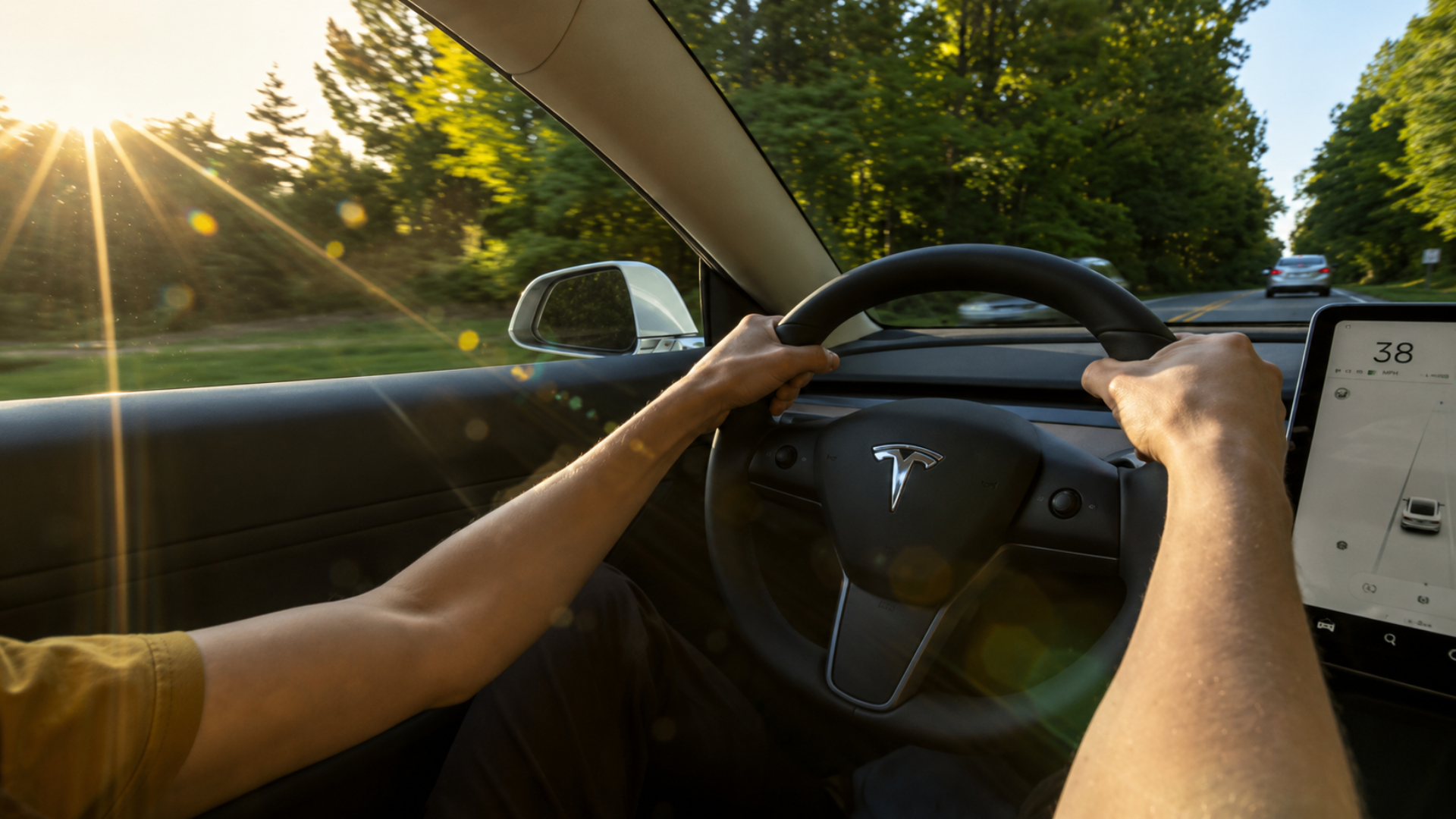
Tesla has not finalized how it plans to fix the headlights. Whatever remedy the company lands on, it will require a service center visit rather than the over-the-air software update Tesla has used to resolve many of its other recalls. According to reporting from Not a Tesla App, recall notification letters are scheduled to go out by September 15, though many owners will likely see the alert through the Tesla app before that letter arrives.
If Tesla opts to replace the entire headlamp unit rather than repair the existing one, affected vehicles would also gain whatever current hardware ships in new production, which in some configurations includes a matrix beam function not present in the original units. That would make this recall one of the rare cases where a forced fix quietly upgrades the vehicle rather than simply restoring it to spec.
For now, the repair itself remains undetermined, the visits haven’t started, and roughly 20,349 owners are left waiting on a fix Tesla resisted providing for two years. What’s clear is that the choice was never really Tesla’s to make. Federal regulators forced this outcome, and the company’s own testing data left it with no real argument left to stand on.