New Vehicle Rule Raises Questions Over Drunk-Driving Safety and Driver Control


A rule meant to keep drunk drivers off the road may be running into a bigger question: how much say drivers should have over their own vehicles. Posts warning that a government “kill switch” is set to arrive on new cars in 2027 have spread widely on social media. The reality is more layered, involving unfinished regulations, unproven technology, and a growing fight in Congress over privacy and control.
At the center of the debate is the HALT Drunk Driving Act, a bipartisan measure passed in 2021 as part of the Infrastructure Investment and Jobs Act. Five years later, the technology the law envisioned still hasn’t been approved for use, and no final rule has been issued by regulators. That delay has left plenty of room for speculation to spread.
Pennsylvania Republican Rep. Scott Perry argues the mandate violates the Fourth Amendment’s protection against unreasonable searches and would make new cars more expensive. Safety advocates counter that the law could ultimately prevent thousands of drunk-driving deaths. Consumer Reports, meanwhile, says much of the online alarm is based on misinformation. Much of the disagreement comes down to a gap between what the law would actually require and what automakers are already doing voluntarily.
What the HALT Act Actually Requires
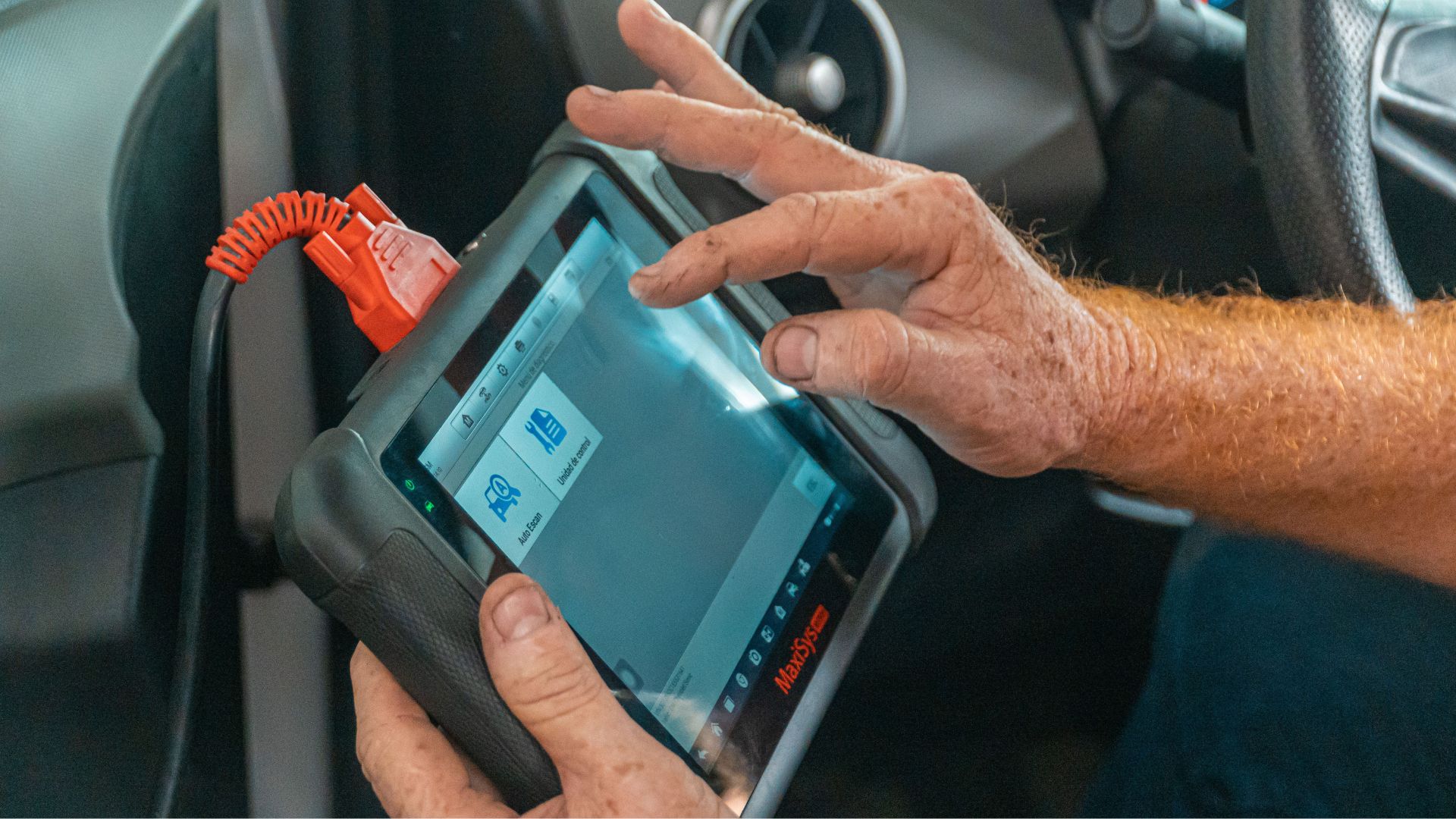
The HALT Drunk Driving Act instructed the National Highway Traffic Safety Administration to create a federal safety standard requiring new vehicles to include technology capable of passively detecting driver impairment or blood alcohol levels above the legal limit. If impairment is detected, the system would need to prevent or limit the vehicle from operating. Congress originally set a 2024 deadline for the agency to finalize that standard.
That deadline came and went. NHTSA was granted the option of a three-year extension, pushing the possible deadline for a final rule to November 15, 2027. Even then, a rule would only take effect once NHTSA formally issues one, which has not happened. Until that step occurs, no new vehicle is legally required to include impairment-detection technology of any kind.
The scale of potential errors is part of the holdup. NHTSA has told Congress that even a system with 99.9 percent accuracy could still produce millions to tens of millions of mistakes each year, either stopping sober drivers or letting impaired ones through. The agency says it isn’t aware of any commercially available technology that comes close to that level of accuracy today, a shortfall NHTSA has cited as the reason no final rule is ready.
Lawmakers and Advocates Are Split Over What Comes Next
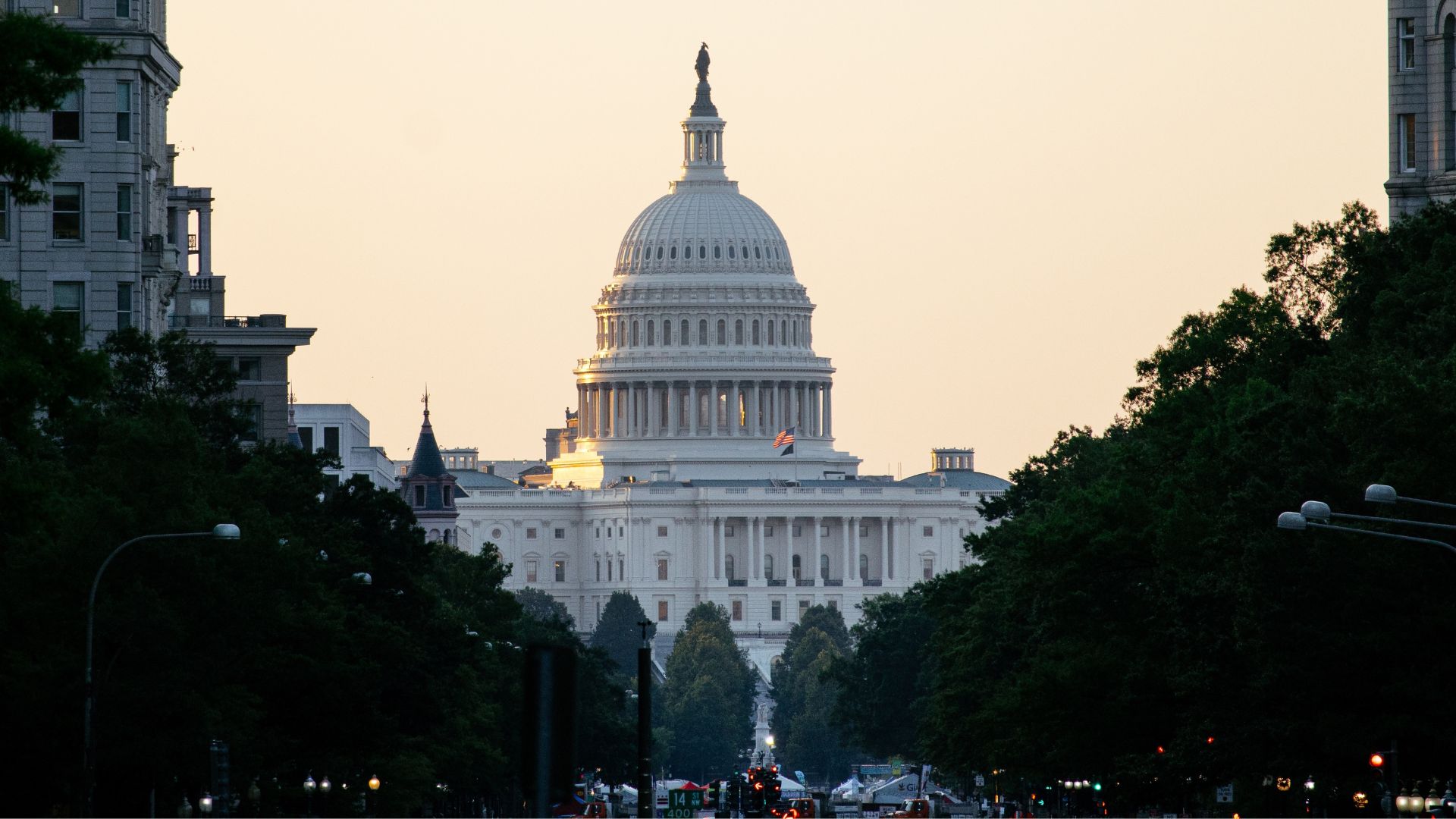
Perry has introduced legislation to repeal the HALT Act provision outright, calling it government overreach. His bill, the No Kill Switches in Cars Act, has drawn 21 additional co-sponsors on top of the 14 lawmakers who introduced it. He has said the law punishes every driver for the actions of a few and could unfairly cut off access to vehicles for people who never intended to drive impaired.
Mothers Against Drunk Driving has pushed back on the “kill switch” label itself, stating the organization does not support government surveillance, remote vehicle shutdowns, or the sale of personal driving data. The group maintains that the law, once fully implemented, requires an open rulemaking process, including public input, testing, and privacy safeguards, and could save more than 10,000 lives a year.
While Congress argues over future rules, cars already sold today often include driver monitoring cameras designed to catch distraction rather than intoxication. Systems used in Ford’s BlueCruise, GM’s Super Cruise, and Tesla’s Full Self-Driving track eye movement and head position to ensure a driver stays alert while automated features are active. A few manufacturers say their existing camera systems can already detect intoxication, not just distraction, and that those features will appear in several upcoming Japanese-brand models.
The Privacy Conversation Is Bigger Than One Law
Consumer Reports researchers say the stakes extend beyond one piece of legislation. Emily Thomas, associate director of safety at the organization’s auto test center, says the viral claim gets a key fact wrong: there’s no rule requiring the technology yet, and no mechanism for a remote, government-run shutdown. Some posts even cite a specific legal section as proof the rule is imminent.
Justin Brookman, the organization’s director of privacy and technology policy, has said driver-attention systems can support safety goals without compromising personal data, as long as the information stays on the vehicle instead of being passed along to outside companies. That distinction, between a safety feature and a surveillance tool, is likely to remain central as automakers and regulators shape what comes next.
Drunk driving killed 11,904 people on U.S. roads in 2024, accounting for more than 30 percent of all traffic fatalities that year, according to NHTSA figures cited by both safety and privacy advocates. That toll is part of why the underlying law exists at all. How regulators eventually balance detection technology with driver privacy will shape not just future vehicles, but public trust in them.