New Study Presents What Is Being Called the Strongest Evidence for the Historical Existence of Jesus


The debate surrounding the historical footprint of Jesus of Nazareth often feels divided between personal faith and endless public skepticism, but the academic reality tells a very different story. For decades, mainstream historians and antiquities scholars have viewed his physical existence as a settled fact. What truly changes over time is the depth and precision of the data supporting this consensus. Recent breakthroughs from 2025 and 2026 have sharpened our understanding of this history, bringing fresh, compelling insights to a centuries-old conversation.
A Breakthrough In Ancient Manuscripts
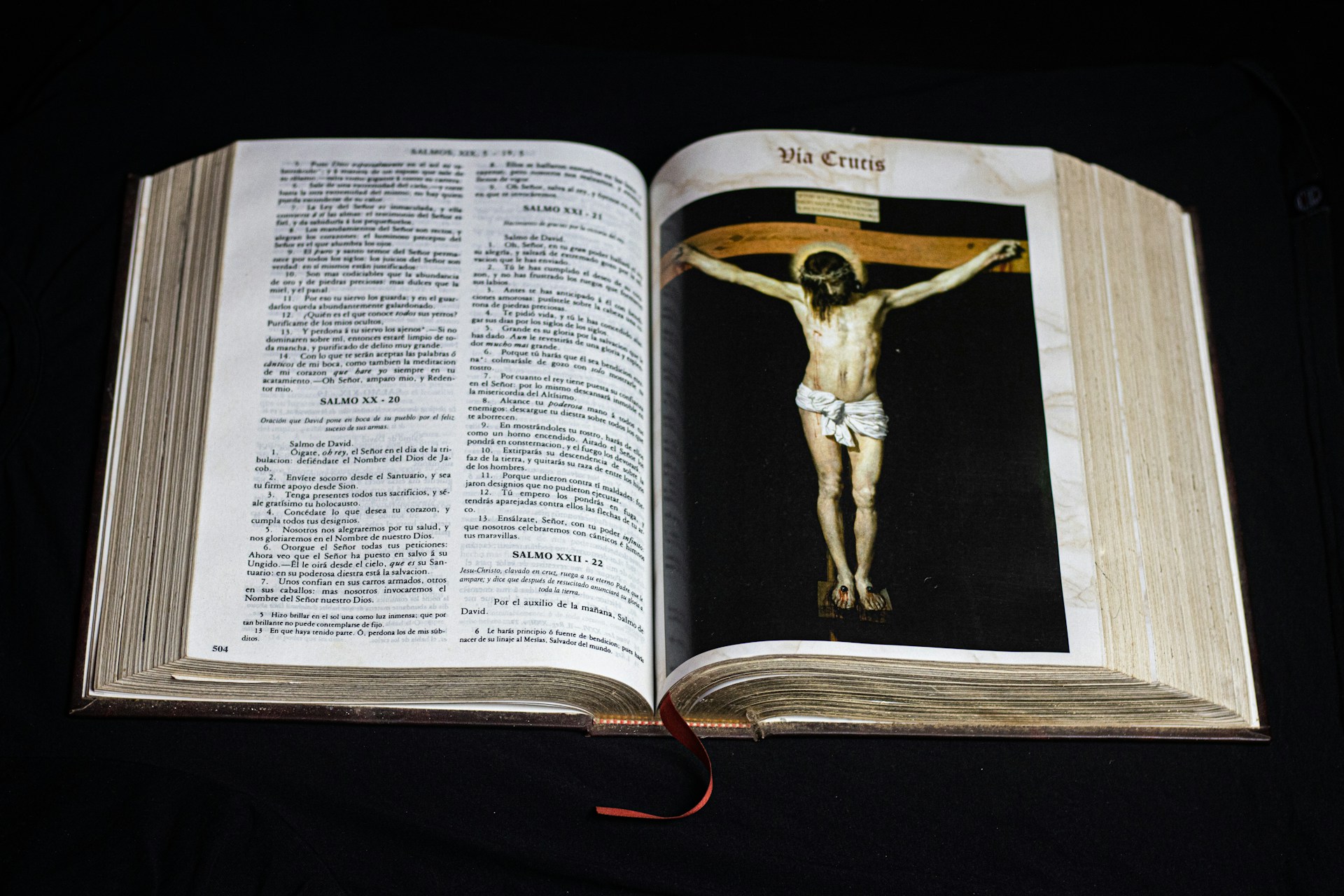
An unexpected wave of excitement hit the academic world following a publication from Oxford University Press by Dr. Thomas C. Schmidt. His research suggests that the oldest non-Christian record of Jesus is entirely authentic, and that the author had direct contact with individuals involved in Jesus’s trial. It moves the conversation away from vague assumptions and grounds it in rigorous, verifiable data that challenges both skeptics and traditionalists.
The Core Arguments Surrounding Josephus
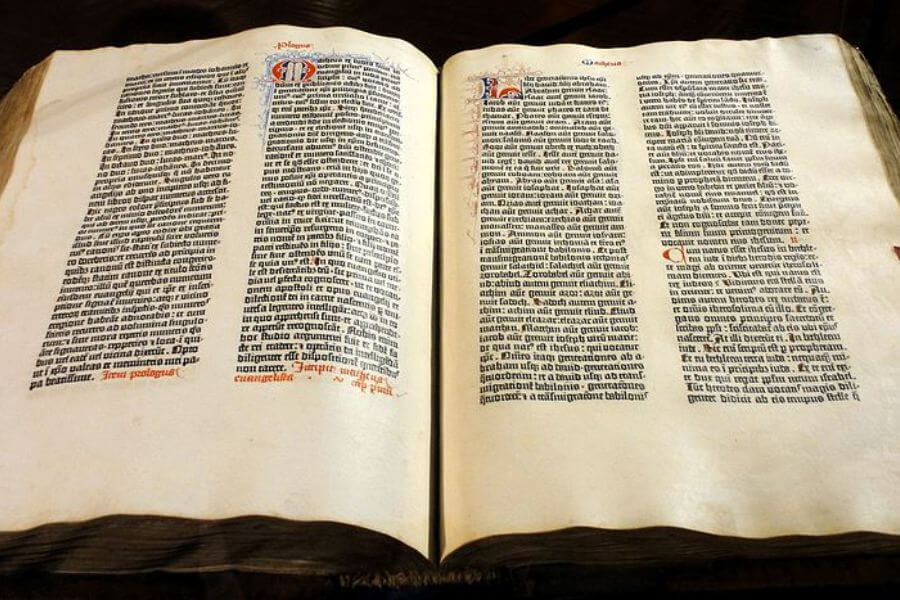
The centerpiece of non-biblical evidence has long been a first-century passage by the Jewish historian Flavius Josephus, known as the Testimonium Flavianum. This text explicitly mentions a wise leader who performed unusual deeds, gained a massive following, and was ultimately executed under Pontius Pilate. It bridges the gap between secular history and ancient scriptural accounts, offering a rare, outside perspective on a figure who transformed global history.
Overcoming Centuries Of Academic Skepticism
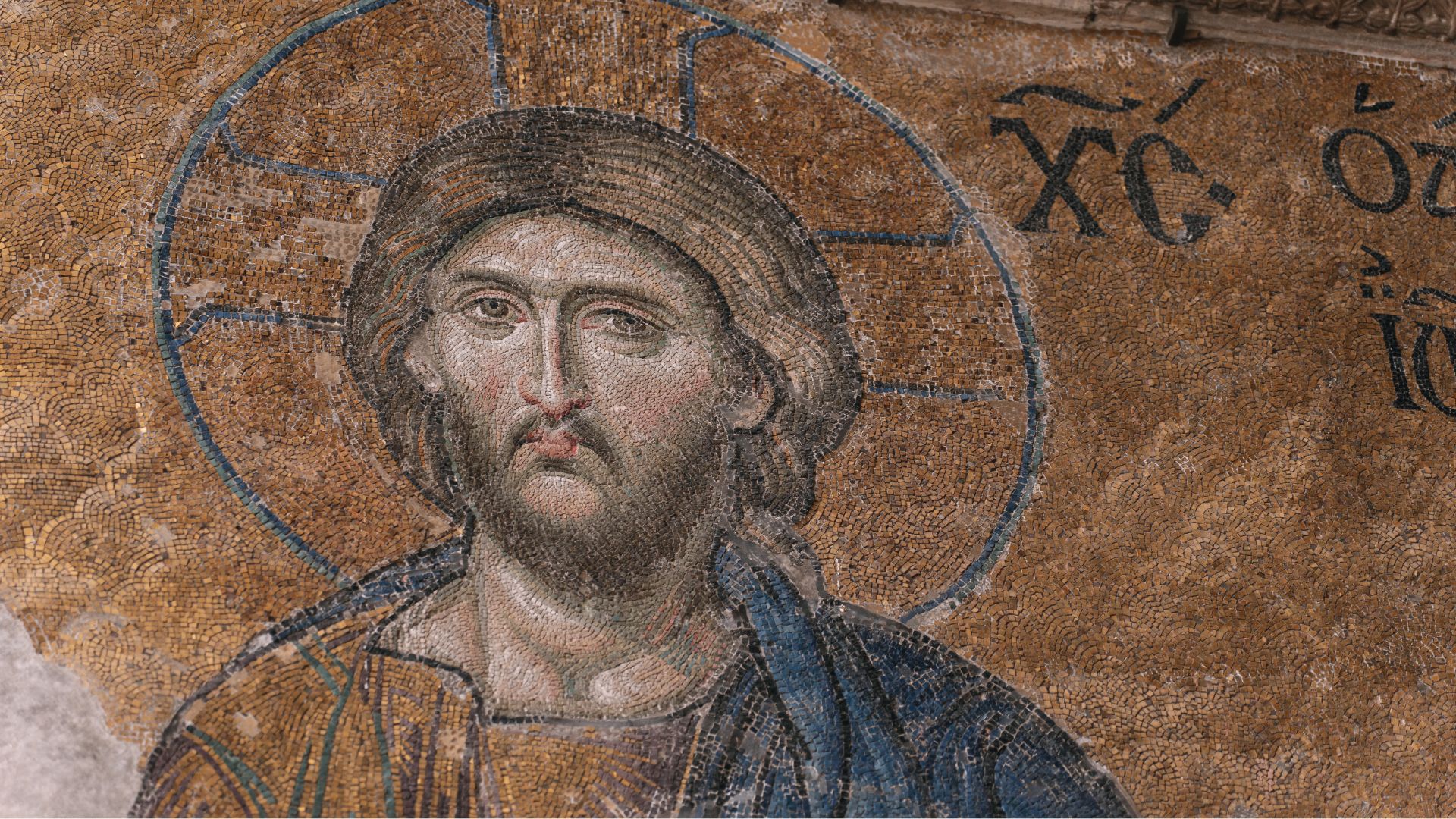
For generations, researchers doubted this text because surviving copies contain overtly Christian phrases, prompting suspicions that later scribes altered the writing. Dr. Schmidt’s research addresses this roadblock directly, using advanced computational styling analysis to prove that the core wording matches Josephus’s unique writing habits.
The Impact Of Eyewitness Adjacent Data

The claim that Josephus gathered information from people who actually witnessed the trial of Jesus has sparked intense interest far beyond university classrooms. If these findings continue to hold up under peer review, they elevate the text into the earliest available eyewitness-adjacent historical evidence. While a minority of scholars still argue that the passage was completely fabricated, this ongoing debate represents the exact scientific rigor that keeps ancient history accurate.
Hostile Witnesses And Roman Records

Beyond Jewish records, the Roman senator and historian Tacitus provided crucial validation around 116 CE in his final work, Annals. Tacitus noted the execution of Jesus by Pontius Pilate and the subsequent spread of early Christians, whom he openly despised as a destructive superstition. This intense hostility actually makes his account more credible to modern historians, as an enemy writer has absolutely no reason to invent a fake leader just to validate a movement they want to destroy.
Physical Discoveries Confirming The Setting

The historical setting described by Roman and Jewish writers has received substantial support from physical discoveries, including a landmark 1961 excavation at Caesarea Maritima. Archaeologists uncovered a limestone block inscribed with a dedication from Pontius Pilate, Prefect of Judea, confirming his official political title exactly as it appears in early texts. Combined with the discovery of ancient synagogues, these physical findings confirm that the political backdrop of the era perfectly matches written accounts.
Mockery As A Form Of Validation
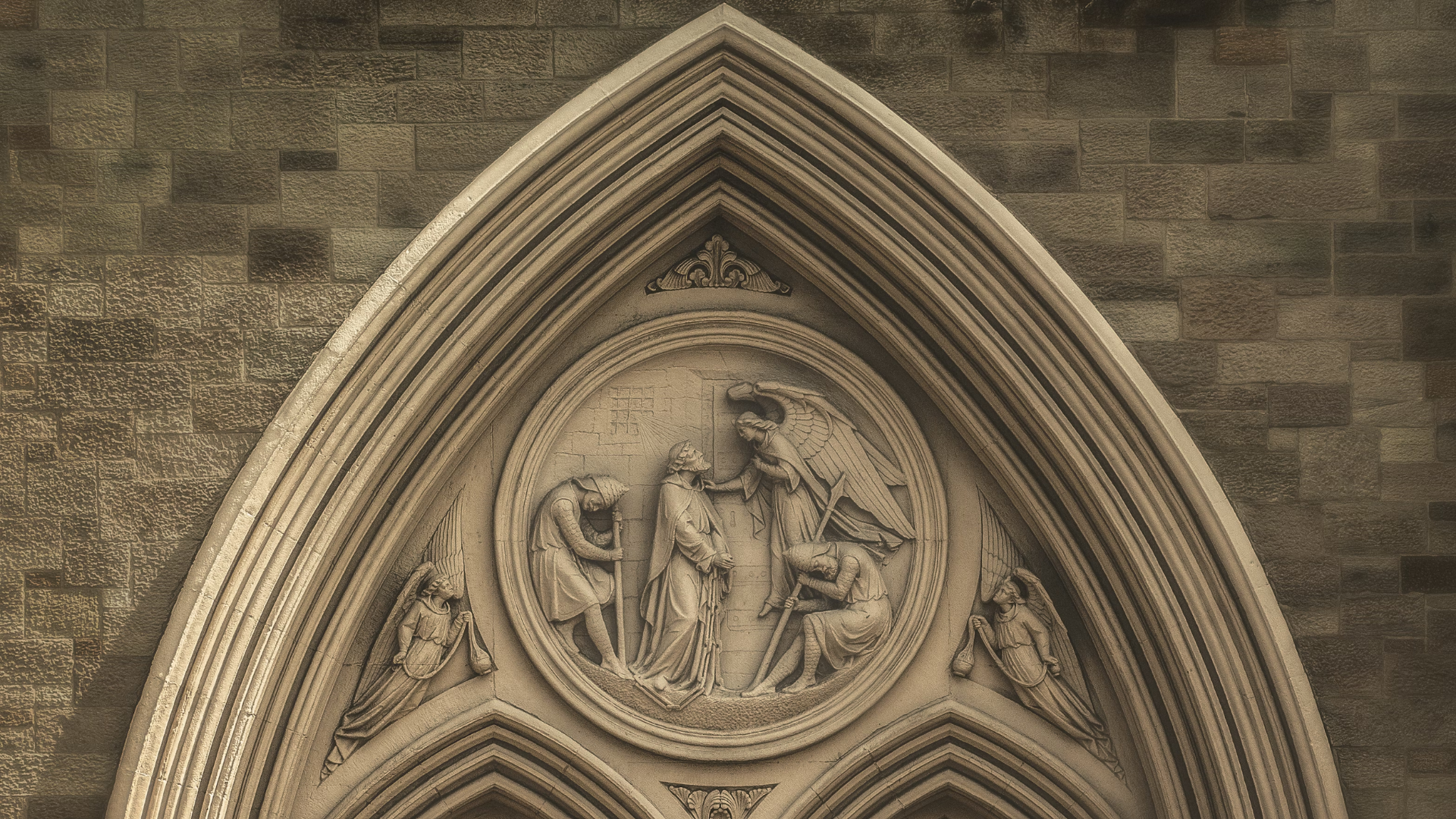
An unusual piece of historical validation comes from a second-century piece of wall graffiti found on Rome’s Palatine Hill, famously known as the Alexamenos Graffito. The crude drawing depicts a person worshiping a crucified figure with the head of a donkey, accompanied by a mocking inscription. Satire and everyday insults rely entirely on publicly known realities to make sense, meaning that everyday Romans already viewed the crucifixion of Jesus as an undisputed fact worth mocking.
Understanding The Limitations Of Ancient Archaeology

While some critics point to the lack of direct physical remains belonging to Jesus as proof of nonexistence, antiquities experts call this an unrealistic standard. Working-class individuals from first-century Galilee simply did not leave behind archaeological footprints, coins, or official state monuments. As experts frequently note, we lack direct archaeological records for almost every ordinary person from that specific time and place, making the absence of personal artifacts completely expected.
The Timeline Of Early Documentation

Long before Roman historians or physical graffiti appeared, a robust written record was already circulating within twenty to thirty years of Jesus’s death through the letters of Paul. In the context of ancient history, a two-decade gap is incredibly brief, meaning these letters were read and debated while firsthand eyewitnesses were still alive. With more than a dozen independent sources written within a century, the baseline existence of Jesus is exceptionally well-documented for his era.
Where Global Scholarship Stands Today

Among professional historians and classical scholars, the actual existence of Jesus is no longer treated as a live controversy, and theories of his nonexistence are widely viewed as thoroughly refuted. The real discussions in academic circles focus on precise textual details, the exact sources used by Roman writers, and how peer-reviewed responses, like classical scholar Steve Mason’s 2026 analysis, shape our understanding. Ultimately, the historical record treats Jesus not as a myth, but as a real person who reshaped the ancient world.