New Student Loan Forgiveness Rules Could Change How You Repay Your Debt


Millions of federal student loan borrowers are facing important changes after the Trump administration introduced new repayment rules that took effect in 2026. The changes simplify the number of available repayment plans, phase out several existing options for many borrowers, and alter how some borrowers qualify for eventual loan forgiveness. Financial experts say understanding the new rules is essential because your repayment choices today could affect your monthly payments and how quickly your loans may be forgiven.
The SAVE Repayment Plan Is Being Phased Out
One of the biggest changes is the end of the Biden-era Saving on a Valuable Education (SAVE) repayment plan. Borrowers currently enrolled in SAVE are being transitioned into other repayment options and are generally given a 90-day window after receiving notice from their loan servicer to select a new plan. Those who do not make a selection may be automatically placed into a standard repayment option.
Borrowers Will Have Fewer Repayment Choices

For many new federal student loan borrowers, repayment choices have been narrowed to just two primary options: the new Repayment Assistance Plan (RAP) or the Tiered Standard Repayment Plan. Administration officials say reducing the number of repayment plans will make the system easier to understand, while critics argue that fewer choices could leave some borrowers with less flexibility.
The New Repayment Assistance Plan Becomes the Main Income-Driven Option

The Repayment Assistance Plan is now the primary income-based repayment option for many new borrowers. Monthly payments are generally tied to income, and borrowers who consistently make qualifying payments may still become eligible for loan forgiveness after meeting the program’s repayment requirements. Officials describe RAP as a simplified replacement for several previous income-driven repayment programs.
Existing Borrowers May Have More Flexibility

Not every borrower is immediately affected in the same way. Borrowers whose federal loans were issued before July 1, 2026, and who do not take out additional federal loans may still retain access to certain existing repayment plans for a transition period. However, borrowers who later receive new federal loans could become subject to the newer repayment structure.
Public Service Loan Forgiveness Still Exists

Despite broader repayment changes, the Public Service Loan Forgiveness (PSLF) program remains available following recent federal court decisions. Eligible government employees and nonprofit workers who satisfy program requirements may still qualify for loan forgiveness after making the required number of qualifying payments while working in public service.
Choosing the Right Plan Could Affect Your Monthly Payments

Because repayment plans differ in how monthly payments are calculated and how long repayment lasts, selecting the right option can have a significant financial impact. Borrowers with lower incomes may benefit from income-based payments, while others could prefer fixed repayment schedules that eliminate debt sooner. Financial experts recommend reviewing your budget carefully before selecting a repayment strategy.
Watch for Notices From Your Loan Servicer
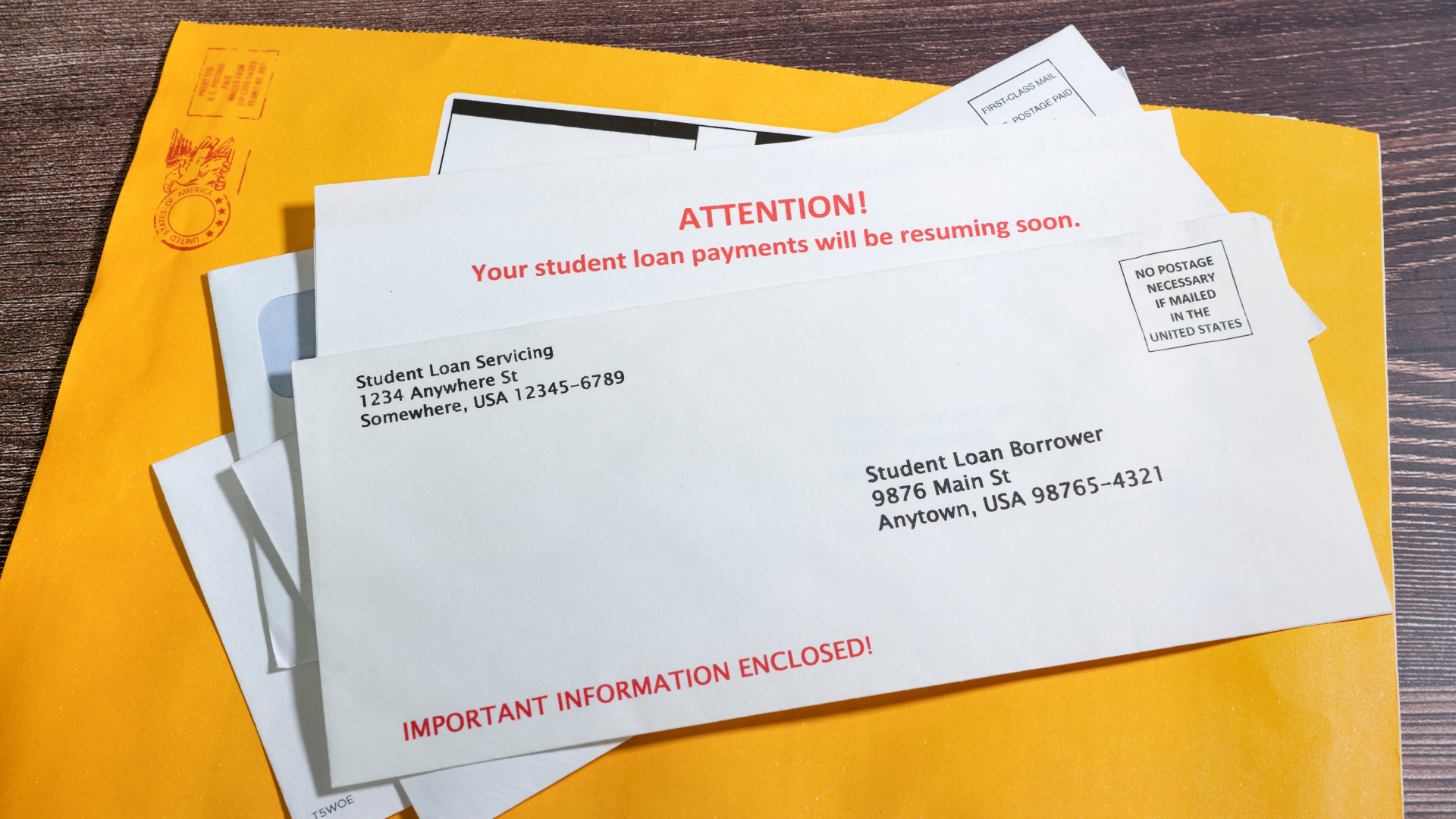
Borrowers are encouraged to pay close attention to emails and letters from their loan servicers, which provide deadlines and instructions for selecting a repayment plan. Experts caution against relying solely on general news reports because each borrower’s timeline may differ depending on loan type and repayment status. Missing important notices could result in automatic enrollment into a repayment plan that may not be the most affordable option.
Reviewing Your Repayment Strategy Can Save Money

With repayment rules continuing to evolve, many financial professionals recommend reviewing your student loans at least once a year. Evaluating your income, career plans, and long-term financial goals can help determine whether switching repayment plans could reduce monthly costs or improve your chances of qualifying for future forgiveness. Staying informed may also help borrowers avoid unexpected payment increases as new rules are implemented.
Understanding the New Rules Is More Important Than Ever
The latest student loan policy changes represent one of the most significant overhauls to federal repayment programs in years. While the administration says the new system is intended to simplify repayment and make higher education financing more sustainable, borrowers should carefully review how the changes apply to their individual circumstances. Choosing the right repayment plan, monitoring communications from your loan servicer, and understanding your eligibility for forgiveness programs can help you manage student debt more effectively in the years ahead.