New Severe Flu Variant Poses Major Threat to Health Across the Globe


A mutation of influenza A H3N2, known as subclade K, has been identified in the rising global flu cases, including in the U.S. The World Health Organization noted on its site that the K variant marks “a notable evolution in influenza A (H3N2) viruses.” Dr. Neil Maniar, professor of public health practice at Boston’s Northeastern University, told Fox News Digital the variant is emerging as a serious threat.
The Variant Differs From Prior Flu Strains

“It’s becoming evident that this is a pretty severe variant of the flu,” Maniar told Fox News Digital. “Certainly in other parts of the world where this variant has been prevalent, it’s caused some severe illness, and we’re seeing an aggressive flu season already.” The variant causes more intense versions of typical symptoms, including fever, chills, headache, fatigue, cough, sore throat, and runny nose.
Subclade K Creates ‘Perfect Storm’ for Aggressive Season
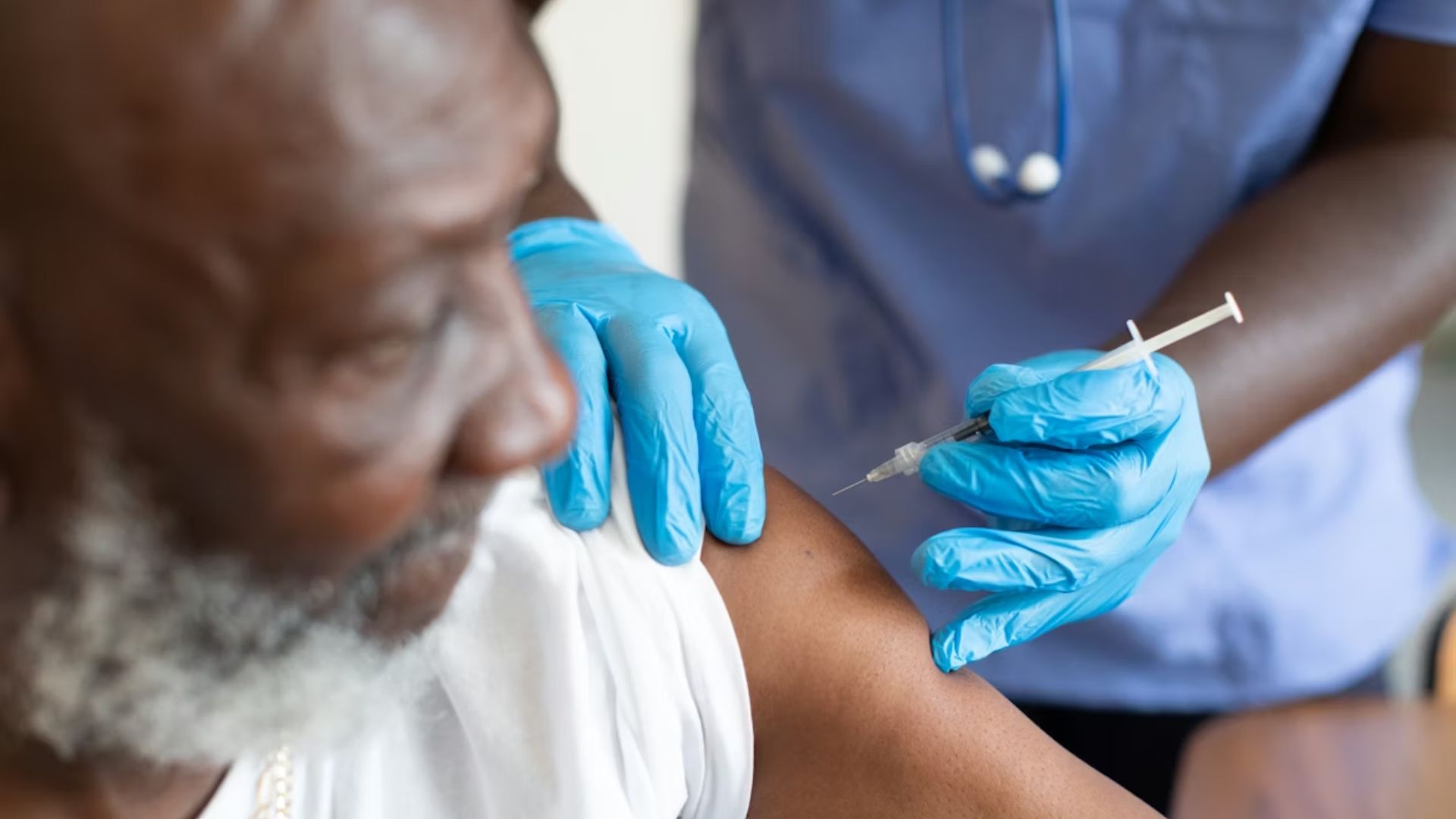
Maniar described subclade K as the “perfect storm” for an aggressive flu season. Vaccination rates overall are down, and it’s uncertain whether this year’s flu vaccine directly addresses this specific mutation, according to the doctor. “The vaccine is very important to get, but because it’s not perfectly aligned with this variant, I think that’s also contributing to some degree to the severity of cases we’re seeing,” he said.
Lower Vaccination Rates Compound the Problem
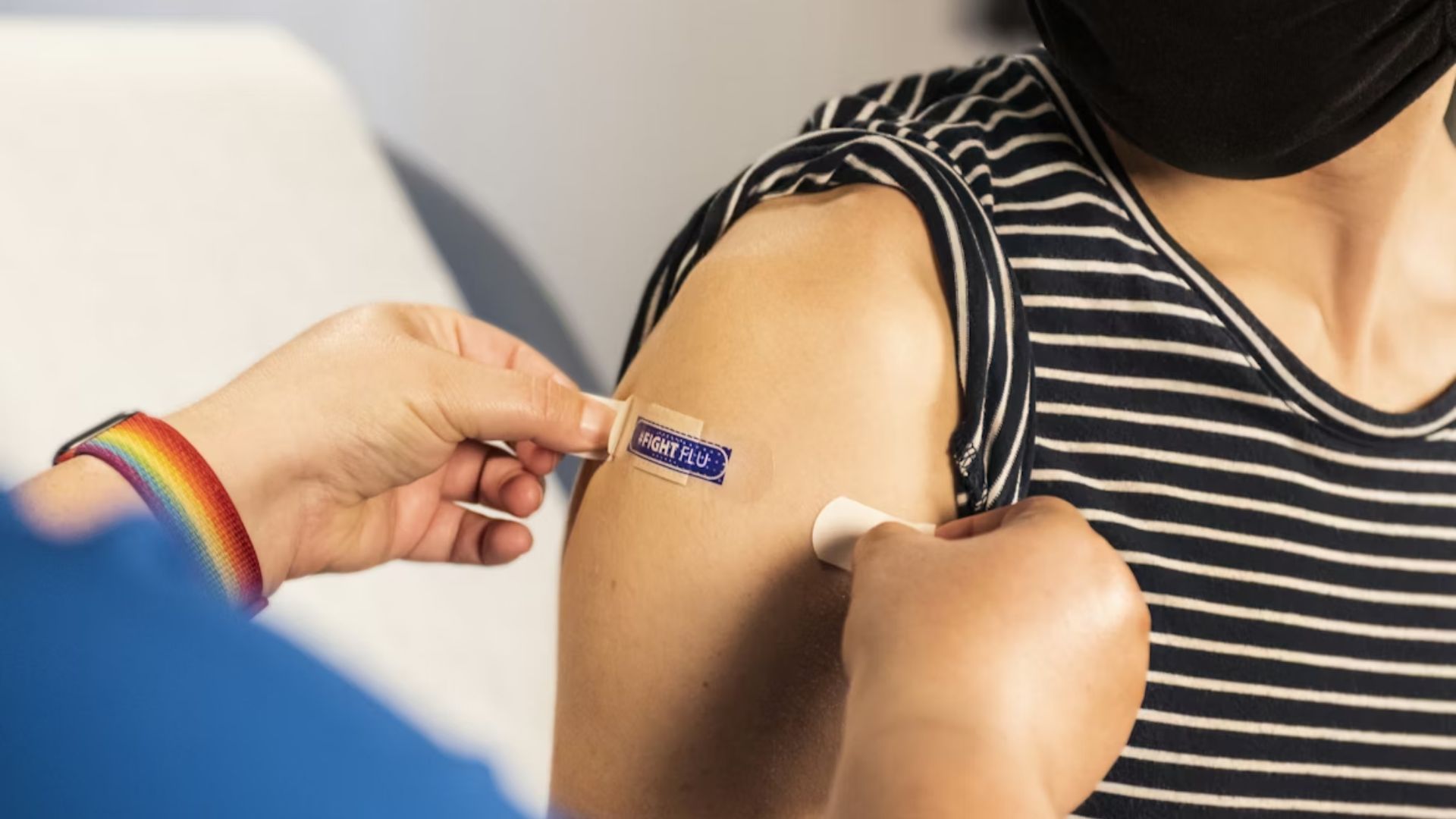
“We’re going into this flu season with lower vaccination rates and a variant that in itself seems to be more aggressive,” Maniar explained. “There’s a lot of concern that this could be a particularly difficult flu season, both in terms of the total number of cases and the severity of those cases.” The WHO noted that while the vaccine’s effectiveness against clinical disease remains uncertain this season, early estimates show it continues to help prevent hospitalization in both children and adults.
Less Natural Immunity Increases Risk of Spread

Because subclade K is “quite different” from prior variants, Maniar said there is less natural immunity at the community level, which increases the risk of spread and severity. Those who are unvaccinated face higher chances of experiencing more severe symptoms and hospitalization, the doctor emphasized. The mutation represents a significant departure from previous H3N2 strains circulating in recent years.
Current Data Show No Increase in Disease Severity

Since August 2025, there has been a rapid increase in subclade K detections from several countries, the WHO reported on December 10. While the flu can spread via airborne transmission, and other illnesses like norovirus can stick to surfaces for up to two weeks, Maniar noted. Current epidemiological data do not indicate an increase in disease severity from subclade K, according to the WHO.
Staying Home When Sick Protects Others

Those who are not feeling well or exhibiting symptoms should “please stay home,” Maniar advised, “especially if you think you are in that contagious period of the flu or any of these other illnesses that we’re seeing, whether it’s norovirus or COVID or RSV.” Staying home helps people recover faster and prevents spreading illness to others, the doctor said.
Testing Can Help Determine Treatment Options

For those who are unsure of their health status or diagnosis, Maniar recommends seeing a healthcare provider to get tested. Some providers may be able to prescribe medication to reduce the severity and duration of the illness, he noted. Getting tested can help determine the best course of treatment for those experiencing flu symptoms this season.
Holiday Season Heightens Infection Risk

Holiday gatherings, large events, and crowded planes, trains and buses create more opportunities for people to encounter others who are sick. “We’re typically out and about more and meeting up with people during the holidays,” Dr. Neha Vyas of Cleveland Clinic noted. “All of that increases your exposure to germs.” Proper hand hygiene, getting adequate sleep, and managing stress remain essential defenses during the busy holiday season.
Vigilance and Prevention Remain Key This Season

“If you’re not feeling well, stay home. That’s a great way to recover faster and to ensure that you’re not going to get others around you sick,” Maniar said. “It’s important that everyone stays vigilant and tries to take care of themselves and their families,” he added. Additionally, the flu vaccine can still help prevent hospitalization and reduce severe symptoms.