New Round of US Bans Is Now in Effect and Here’s What’s Included

At one minute past midnight Eastern on Tuesday, Sept. 29, a long list of Canadian products became illegal to bring into the United States. Three presidential proclamations signed on Sept. 8 put the bans in motion, and together they cover about $967 million in goods, based on 2025 trade data. The list runs from bottles of rye to motorcycles, and several of the biggest names on it came prepared with an escape route.
Alcohol Accounts for 87% of the Banned Goods by Value
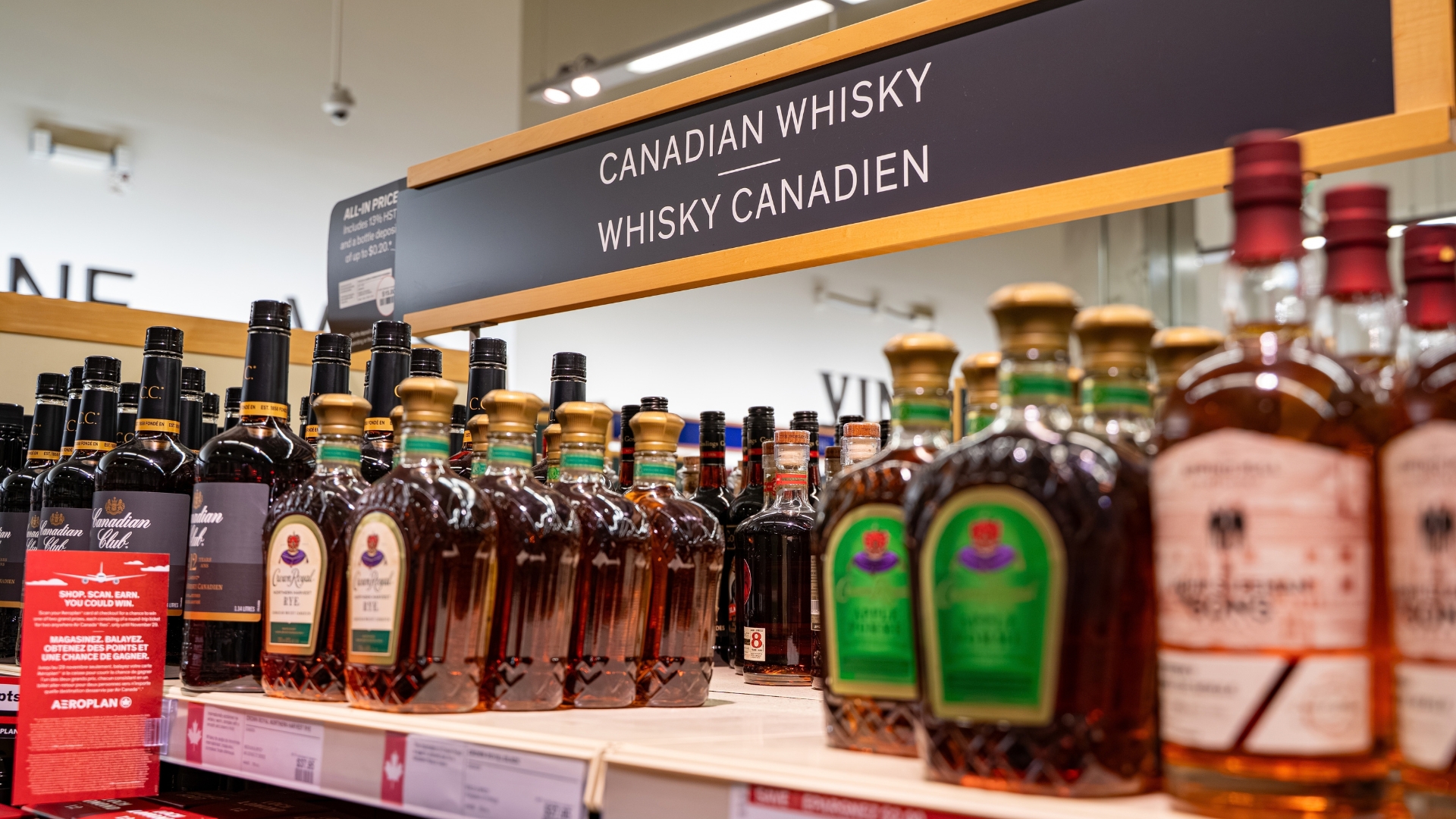
Whisky, rye, wine, beer, vermouth, tequila, vodka and rum all appear among the dozens of alcoholic products named in the White House annex, with cider added and the focus on packaged bottles and cans. Alcohol accounts for 87% of the banned total by value, according to the American Action Forum, which dwarfs the shares held by dairy and motorcycles. The administration tied that focus to a specific grievance about how Canadian stores treat American drinks.
Provinces Pulled American Liquor From Shelves, and U.S. Wine Sales to Canada Collapsed
Several Canadian provinces answered U.S. tariffs by pulling American alcohol off government-run store shelves, and Saskatchewan added a 50% levy on U.S. drinks effective Sept. 8. Wine Spectator reports that American wine exports to Canada have since fallen from $456 million to $60 million, while spirits dropped from $232 million to $72 million. U.S. officials describe the shelf removals as discrimination against American commerce. Washington’s reply arrived on Sept. 8 as well.
Trump Signed the Bans on Sept. 8, the Same Day Canada’s Counter-Tariffs Took Effect

The escalation began in August, when 50% U.S. tariffs took effect on about $20 billion worth of Canadian goods after negotiations failed to produce a deal. Canada responded with duties of 15%, 25% and 50% on C$27.6 billion of American products, including steel, dairy, appliances and furniture, effective Sept. 8. Trump signed the proclamations the same day, citing Canadian discrimination against U.S. alcohol, dairy and vehicles. That gave exporters three weeks before the bans began.
Ice Wine Makes Up 57% of Canada’s $8.3 Million in U.S. Wine Sales
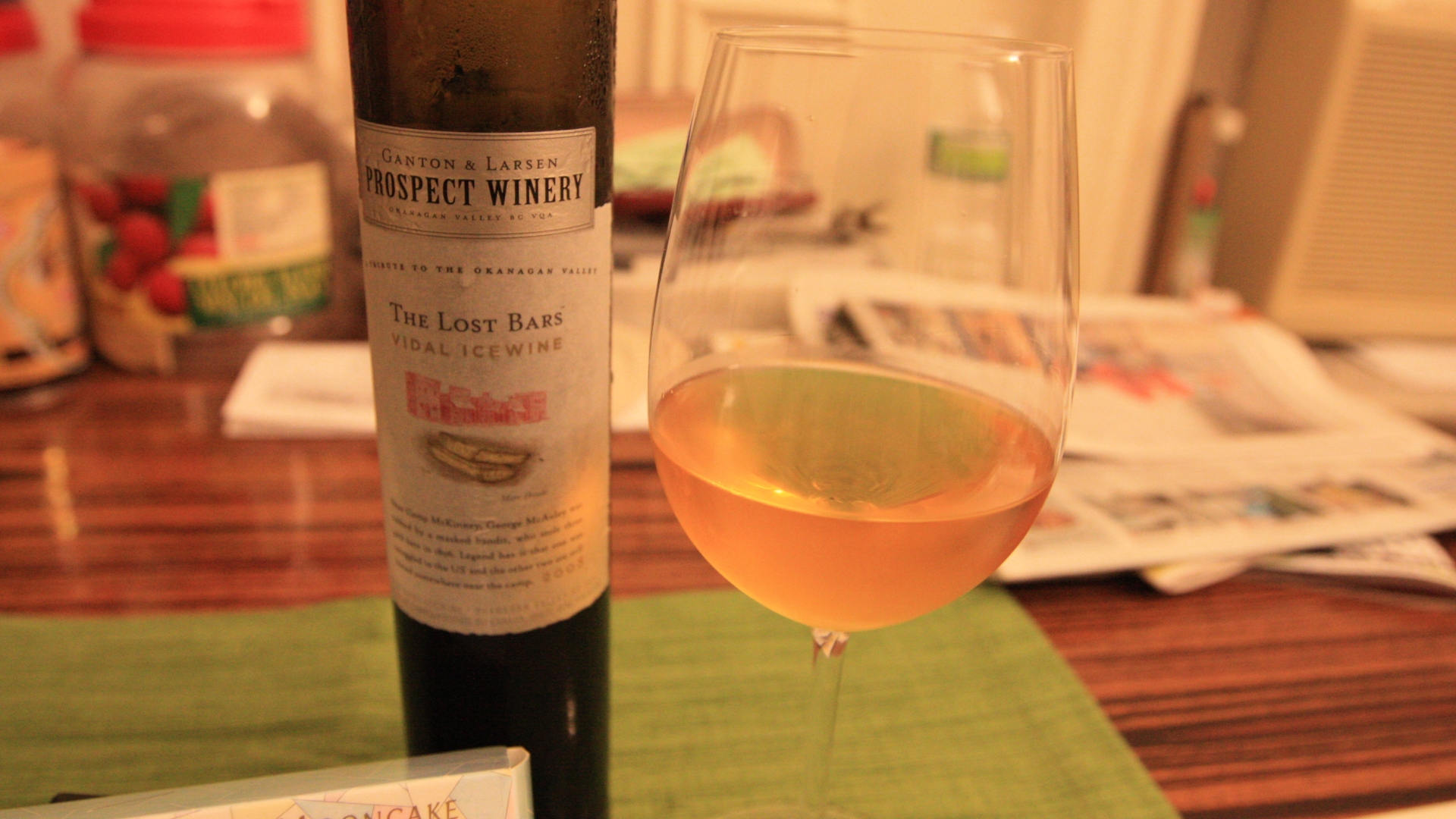
Wine Growers of Canada says about $8.3 million of Canadian wine reached the U.S. in 2025, and ice wine made up 57% of it. Beer Canada reports $28 million in total beer exports, roughly 10% of all beer brewed in the country, with the U.S. as the top buyer. Pillitteri Estates Winery in Niagara-on-the-Lake, an ice wine specialist, shipped its holiday stock four months early, and its American buyers are keeping the bottles in storage until closer to Christmas.
Crown Royal Keeps Its U.S. Shelf Space Through a Four-Liter Container Rule
Spirits made up two-thirds of the $1.36 billion in alcohol Canada exported in 2023, and 90% of that total went to the U.S. Crown Royal shows how a large brand prepared. Its whisky is still distilled in Manitoba but bottled in Alabama, and the annex bans only whisky in containers smaller than four liters. Bulk shipments therefore qualify for a workaround. Independent distillers and brewers, by contrast, are expected to absorb the heaviest losses.
Ontario’s Wolfhead Distillery Has Halted Whisky Shipments to Michigan
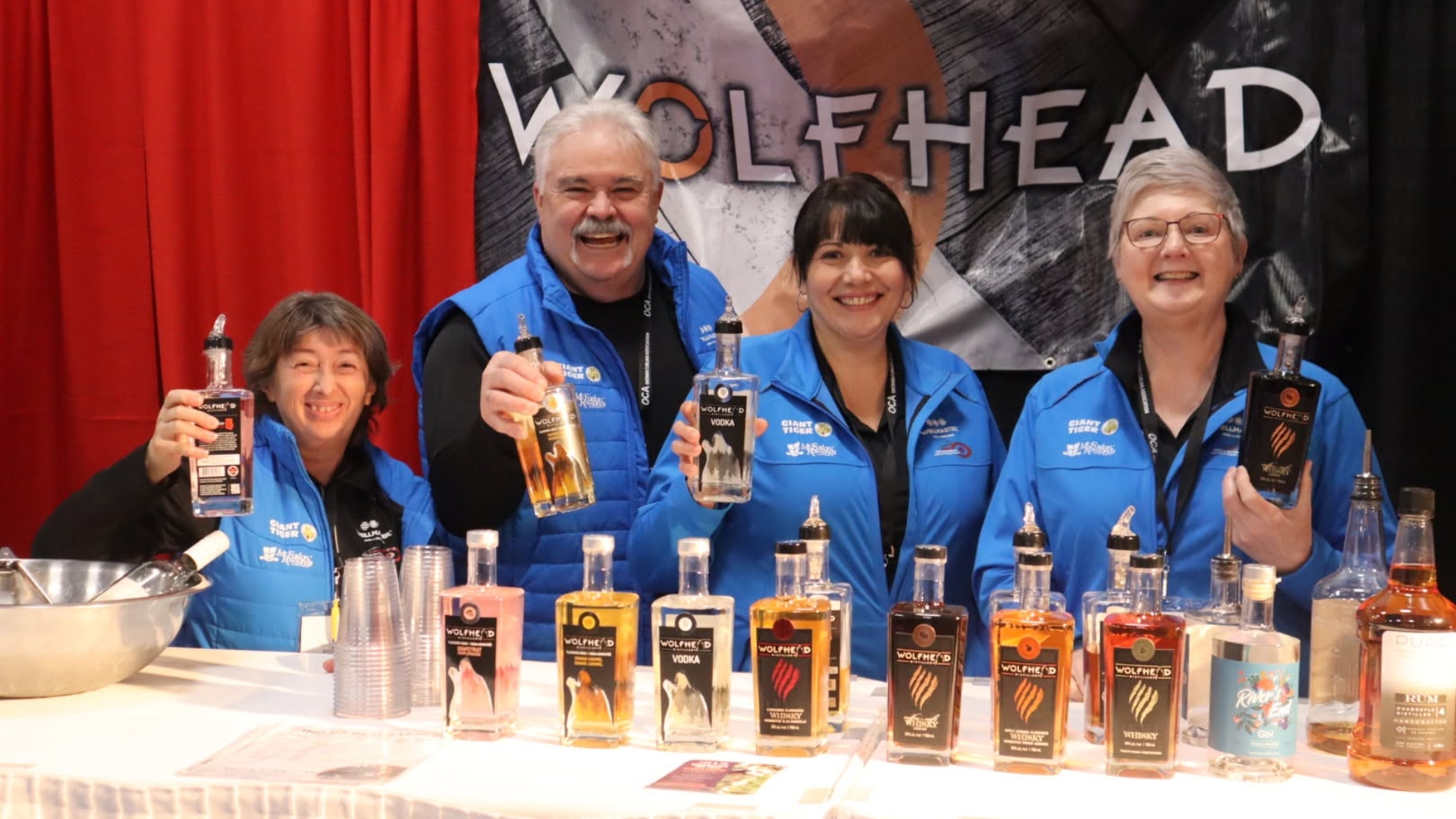
Wolfhead Distillery operates in Amherstburg, Ontario, just across the Detroit River from Michigan, and it has stopped shipping whisky to its American neighbors. Marketing director Danielle Moldovan called the situation “really unfortunate” and said Americans visit the distillery daily. A Georgia buyer had shown interest in its Coffee Whisky, and its Michigan importer had been weighing flavored products including Vanilla Almond Biscotti. Both plans are on hold until the distillery learns how long the ban will last.
Whey Protein and Molasses Anchor the Dairy Ban as a Quota Dispute Over U.S. Cheese Escalates
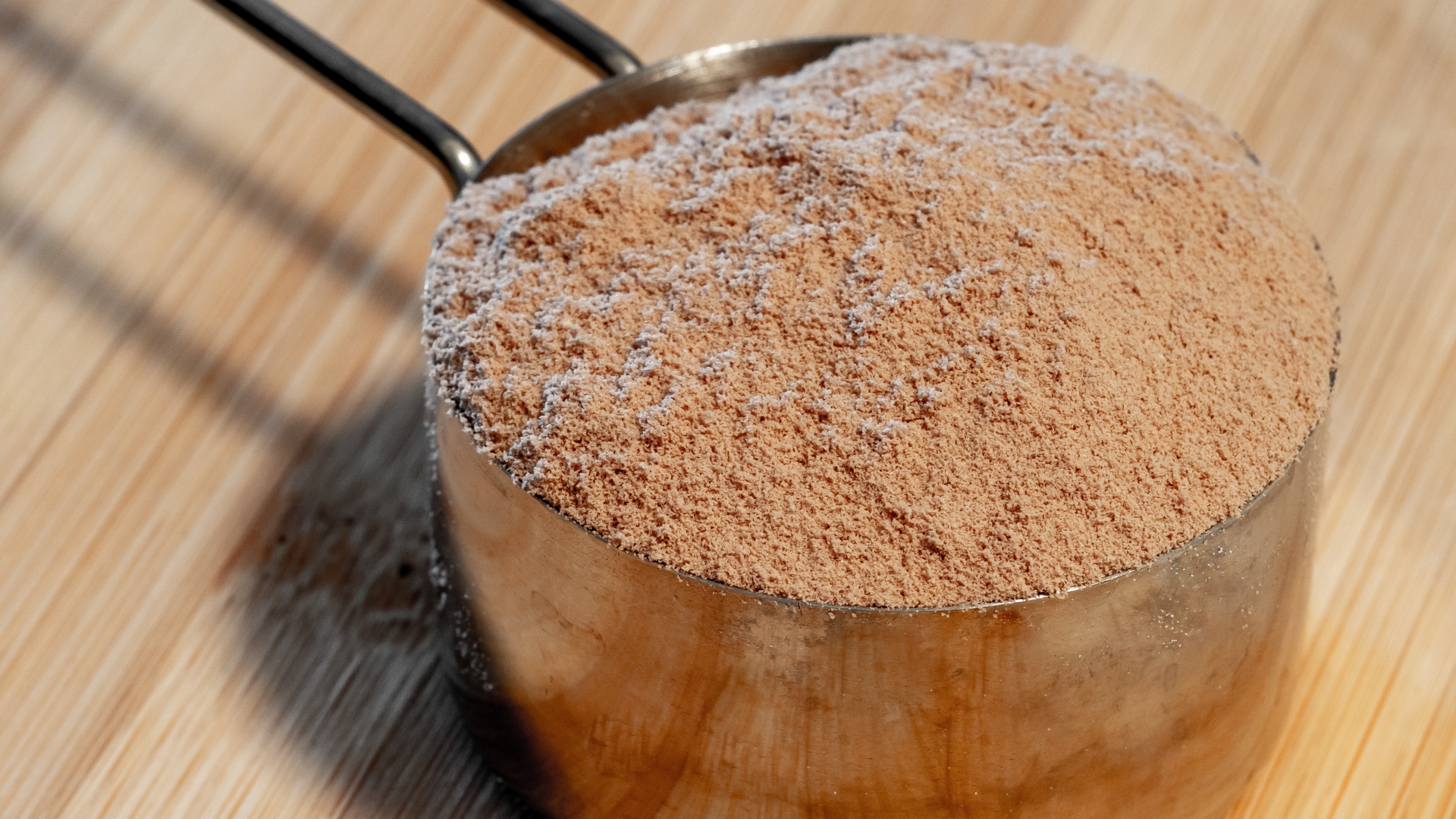
Whey, a cheesemaking byproduct, forms the core of the dairy ban, with whey protein and other whey products on the White House list. Cane and invert molasses are barred too. The dairy proclamation targets Canada’s quota system for U.S. cheese, and it says Canada agreed on Aug. 18 to end the discrimination before reversing on Aug. 21. Dairy Farmers of Canada called the escalation “deeply concerning,” though how much of roughly $700 million in 2024 U.S. dairy exports is affected remains unclear.
BRP’s Can-Am Spyder and Canyon Three-Wheelers Are Barred, With Sales Impact Delayed Until Next Year

Motorcycles and mopeds with an internal combustion engine larger than 800 cc make up the only automotive item on the list. Quebec-based Bombardier Recreational Products (BRP) confirmed that its three-wheeled Can-Am Spyder and Canyon models will be barred from entering the U.S. The company expects no impact until next year, since most of this season’s production and shipping is already complete.
A Sub-$1 Billion Ban Marks Washington’s Shift From Tariffs to Outright Import Blocks
The ban removes about $967 million from an $880 billion annual trade relationship, and many of those goods already faced 50% tariffs. The bigger change is Washington’s move from taxing Canadian products to barring them. Trade Representative Jamieson Greer says Washington still gets the oil, gas and potash it needs, while Canada’s trade minister, Dominic LeBlanc, says Canada will not sign a bad deal. No agreement has emerged, and the bans remain in force.