Experts Say New Orleans Has Reached a Climate ‘Point of No Return’, and Relocation Planning Should Start Now
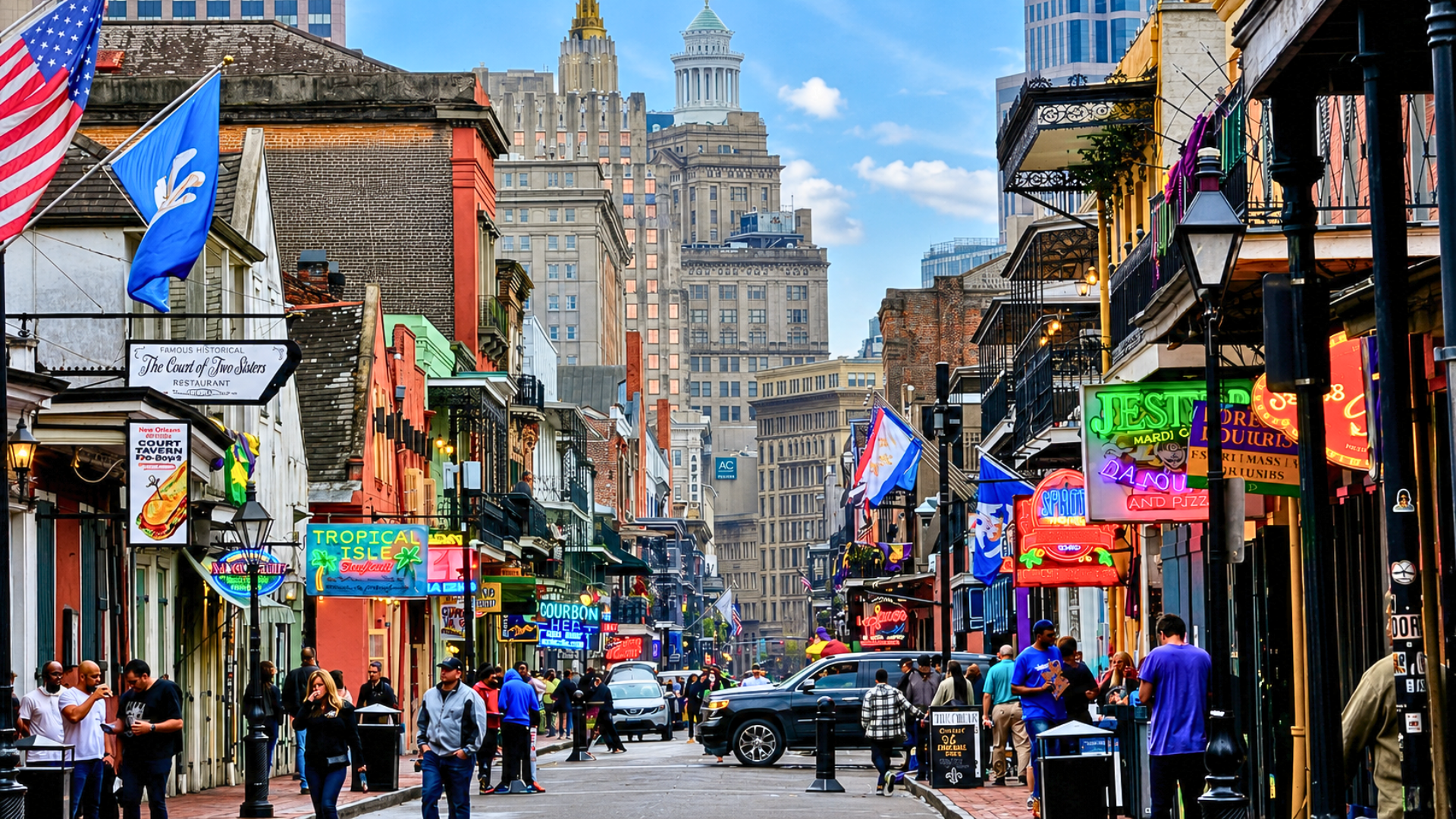

The vibrant streets of New Orleans are facing a countdown that no amount of engineering may be able to stop. A startling new study published in the journal Nature Sustainability warns that the city has officially reached a climate “point of no return.” Researchers suggest that within just a few generations, the rising Gulf of Mexico could completely encircle the city. This revelation has shifted the conversation from how to save the city to how to plan its eventual relocation.
A Bowl Sinking Into the Earth

The geographic reality of New Orleans makes it uniquely vulnerable to a changing climate. Roughly 80 percent of the city’s land area sits below sea level, creating a bowl-shaped basin that naturally traps water. To make matters worse, the ground itself is sinking, a process known as subsidence. While levees have protected the city for decades, the combination of a falling landscape and rising tides creates a challenge that may soon exceed technical capabilities.
Delaware-Sized Land Loss Since the 1930s
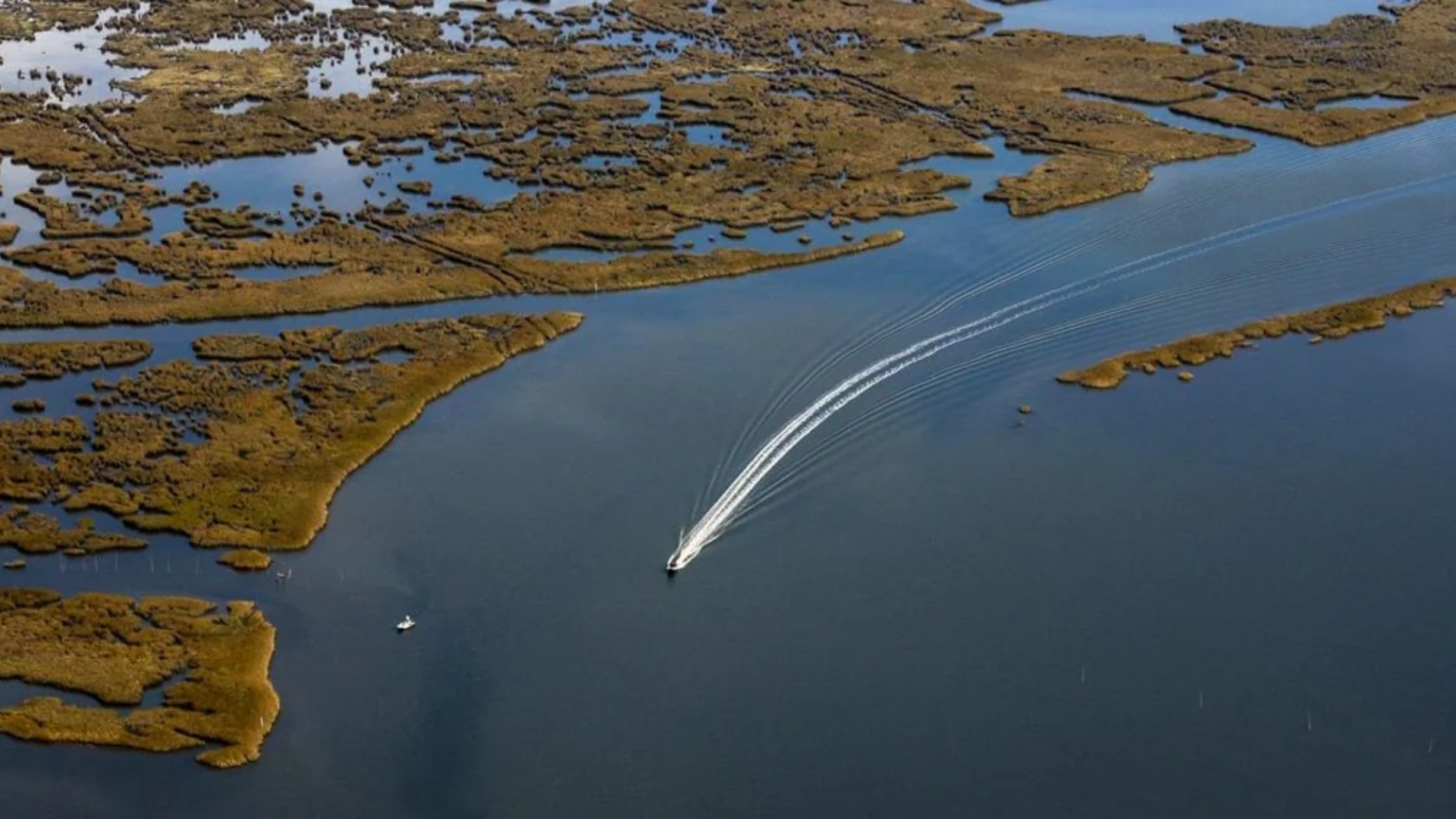
Southern Louisiana is disappearing into the ocean at a staggering rate. Since the 1930s, the state has lost roughly 2,000 square miles of land, an area roughly the size of Delaware. Currently, Louisiana loses about one football field’s worth of land every 100 minutes. This rapid erosion removes the natural buffer of wetlands that once protected New Orleans from storm surges. Without these marshes, the city stands exposed to the full force of the open Gulf.
The Limits of Post-Katrina Engineering
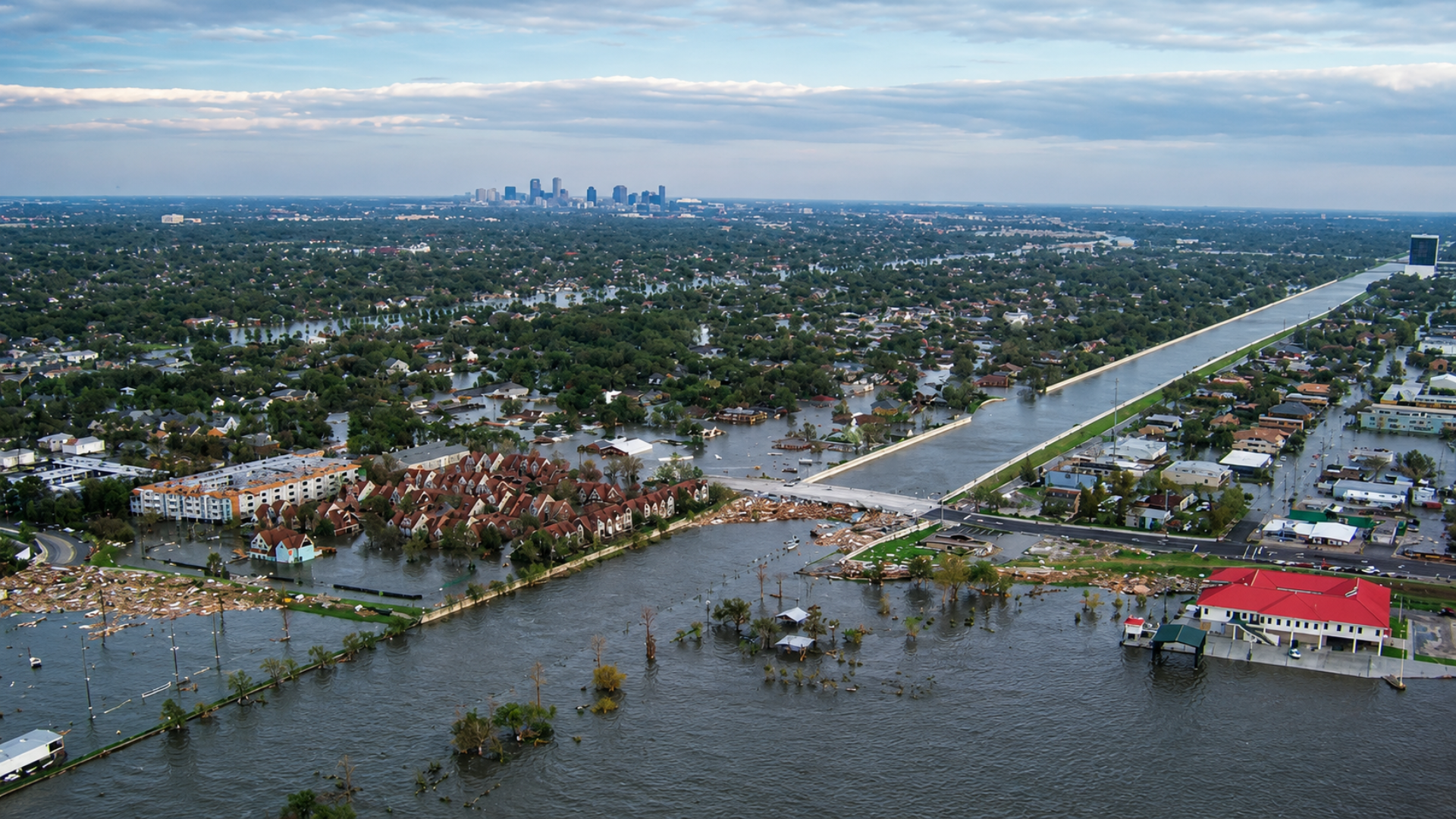
Following the devastation of Hurricane Katrina in 2005, billions of dollars were spent on a massive system of levees and floodwalls. While these upgrades saved lives during subsequent storms, the new study warns they are not a permanent solution. Maintaining this “island” below sea level becomes exponentially more expensive as the surrounding water rises. Experts argue that there is no amount of money that can keep an underwater city afloat forever against a significant sea level rise.
A “Time Bomb” for 360,000 Residents

New Orleans is home to roughly 360,000 people who are deeply connected to the city’s unique history and jazz-filled culture. Study co-author Wanyun Shao described the current situation as a “time bomb,” noting that the region faces some of the highest relative sea level rises in the world. As insurance costs skyrocket and flood events become more frequent, the safety and economic stability of these residents are at immediate risk. The human cost of displacement is the most difficult challenge.
The Call for Managed Retreat

Scientists are now urging officials to begin “managed retreat,” a coordinated and voluntary relocation of the population to safer ground. The goal is to move people, businesses, and capital north in an organized fashion rather than waiting for a sudden, catastrophic crisis. Experts like Jesse Keenan argue that an uncoordinated exodus has already begun. Without a formal plan, the city could face a messy and painful decline as those with resources leave first, leaving the most vulnerable behind.
Restoring the Mississippi River Delta

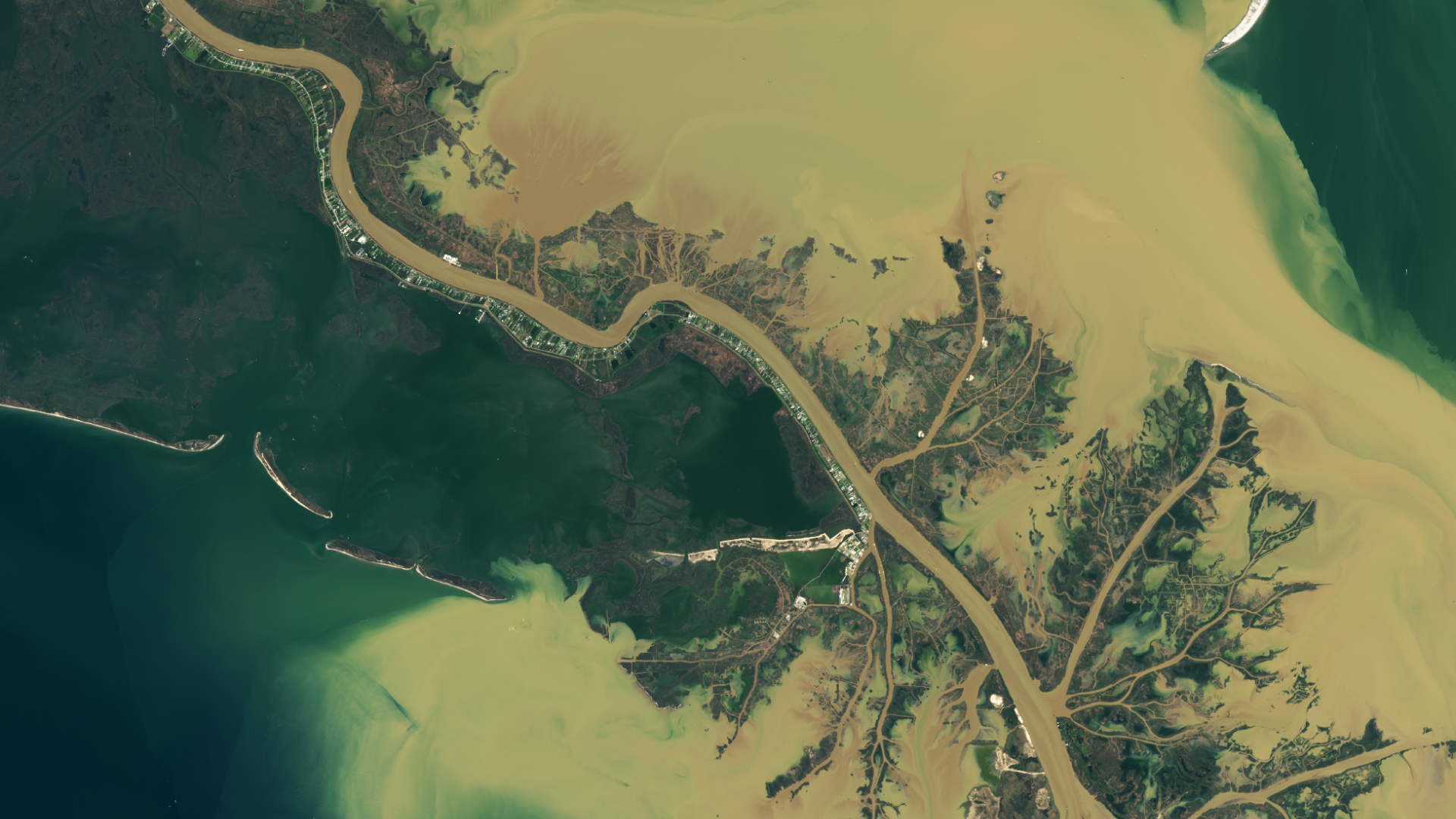
One potential way to slow the clock is by reconnecting the Mississippi River with its wetlands. Historically, the river deposited sediment that naturally built up the land. Modern levees blocked this process, causing the delta to starve. New projects aim to redirect this sediment to rebuild marshes, though these efforts face major political and financial hurdles. While this could buy the city more time, researchers caution it may only be palliative care for a region already destined for the sea.
Louisiana as a Canary in the Coal Mine
The crisis in New Orleans serves as a warning for coastal communities across the United States. From Florida to the Northeast, sea level rise is no longer a future threat but a current reality. Louisiana is simply experiencing the most extreme version of this shift because of its sinking land. By observing how New Orleans manages its transition, other cities can learn how to adapt to a world where the shoreline is no longer a fixed boundary but a moving target.
Investing in Sustainable Inland Infrastructure
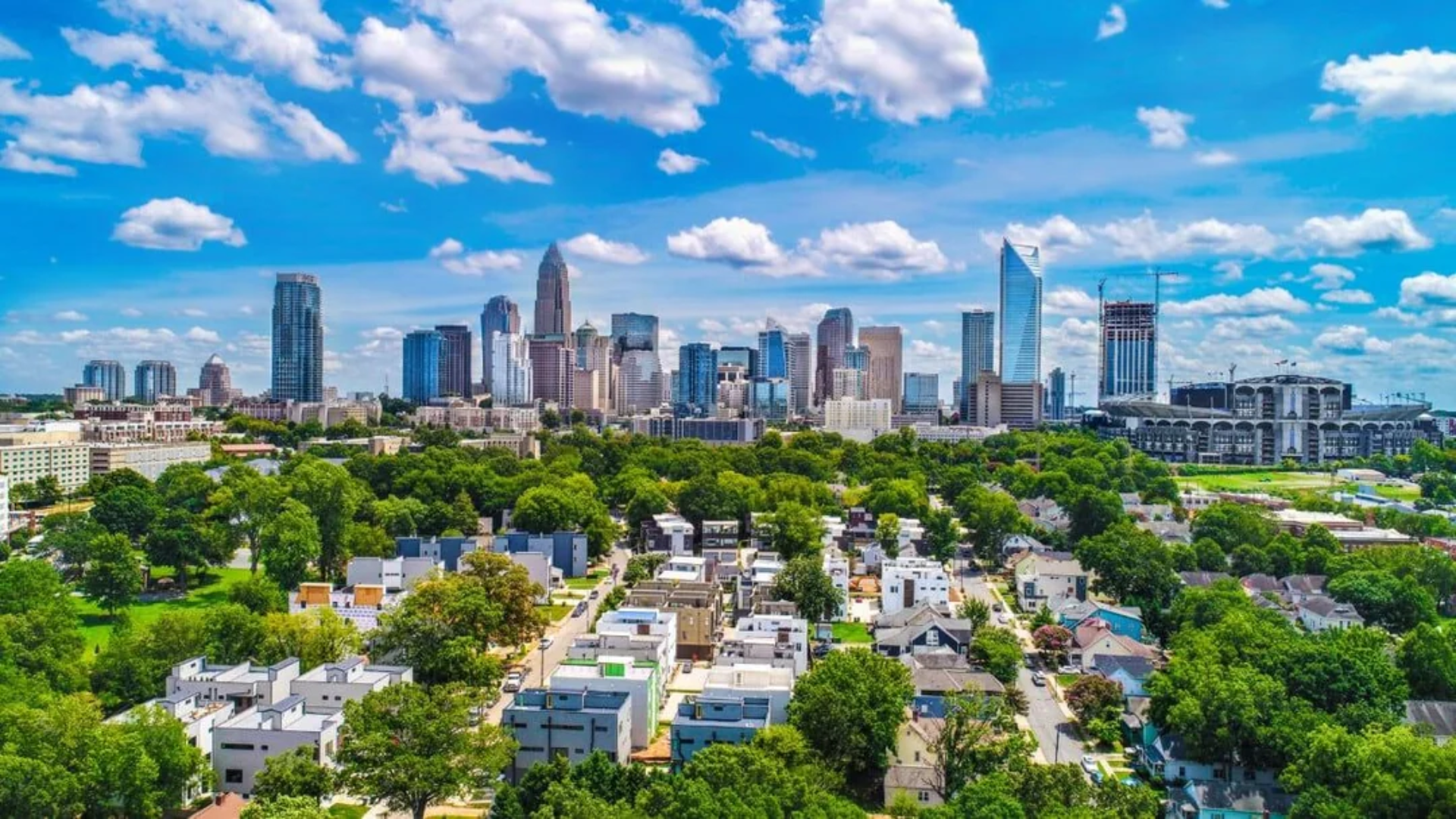
Relocation is not just about leaving; it is about where people go next. Proponents of managed retreat suggest that the state should start investing in the infrastructure of inland “host cities” now. By building sustainable housing, schools, and transportation networks further north, officials can ensure that the culture and economy of New Orleans survive even if the original site does not. This forward-looking investment could turn a tragic loss into a model for resilient urban planning.
The Future of an American Icon

In paleo-climate terms, experts suggest the fate of New Orleans is already decided. The question is no longer if the city will be surrounded by water, but when. Every decade bought through environmental management is a victory that allows for a more humane transition for its citizens. As the city navigates its final generations on the coast, the focus must remain on preserving the spirit of New Orleans while ensuring its people have a safe place to call home.