New Evidence Is Reviving an Old Question About Life on the Moon
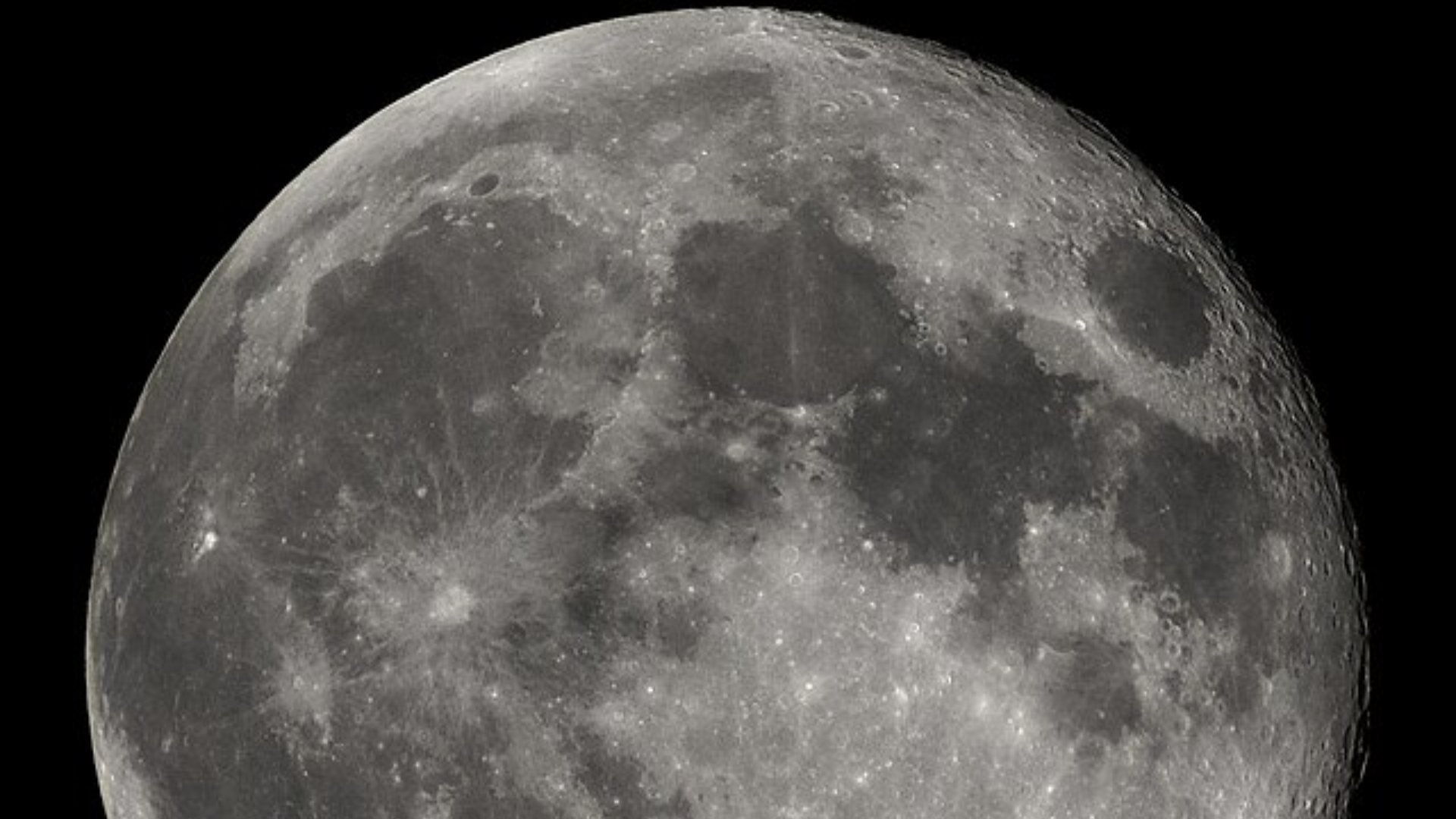

For decades, the Moon was considered a completely barren and lifeless world, dismissed as little more than a dry, airless rock orbiting Earth. However, new scientific findings about water deposits, ancient volcanic activity, and shifting environmental conditions have reopened discussion about whether the Moon may once have experienced brief periods that were more hospitable than previously believed. While there is still no evidence that life ever existed there, researchers are now reexamining old assumptions in light of new data collected from lunar samples and orbital missions.
Could the Moon Have Ever Been Habitable
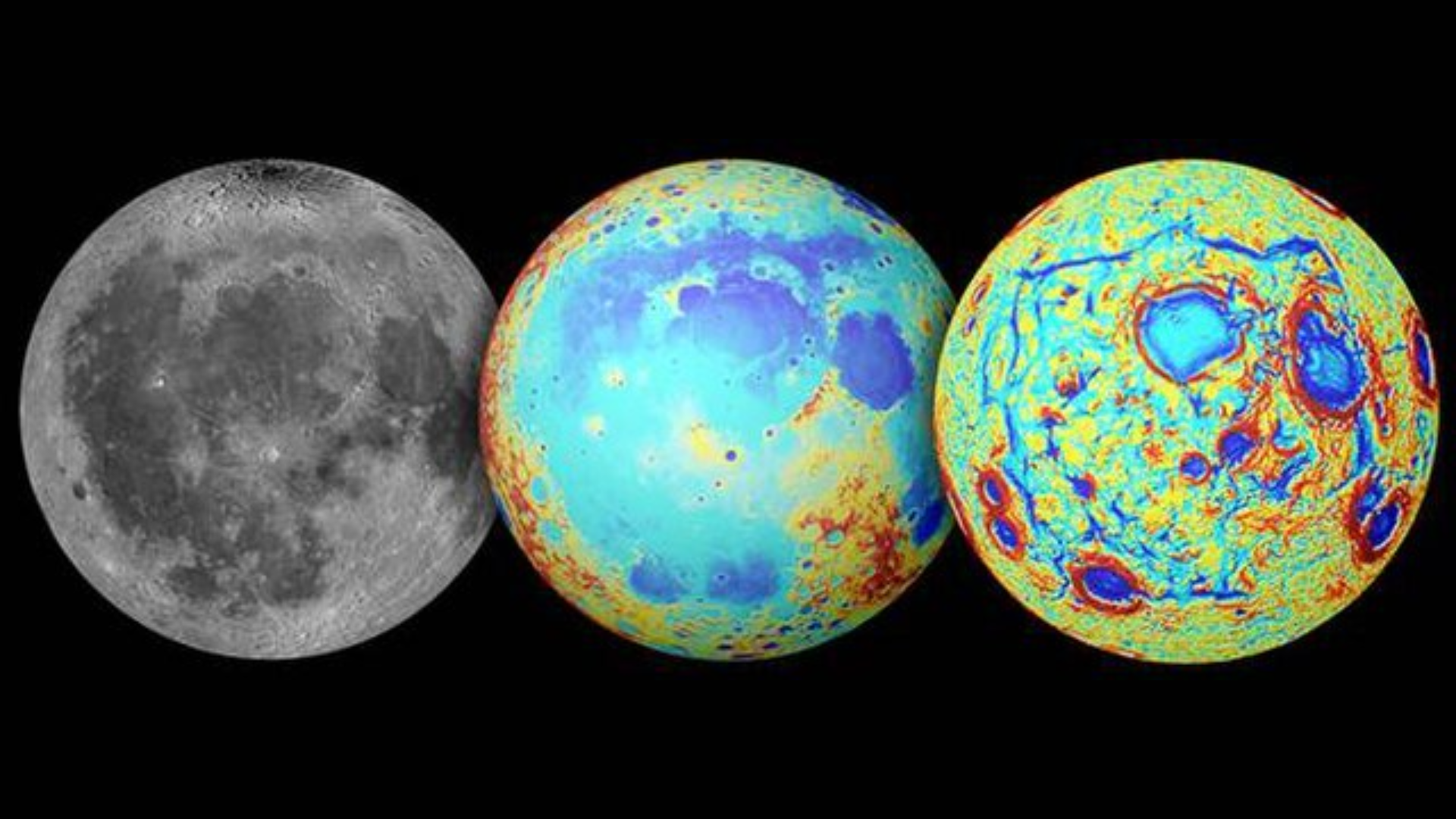
Some planetary scientists suggest that billions of years ago the Moon may have gone through short windows of time when surface conditions were less hostile than they are today. During periods of intense volcanic outgassing, gases released from the interior could have formed a temporary atmosphere, potentially allowing liquid water to exist on the surface for limited stretches of time. Although these habitable phases would have been brief in geological terms, they are enough to spark serious scientific curiosity about what might have been possible.
Evidence of Water Ice at the Lunar Poles
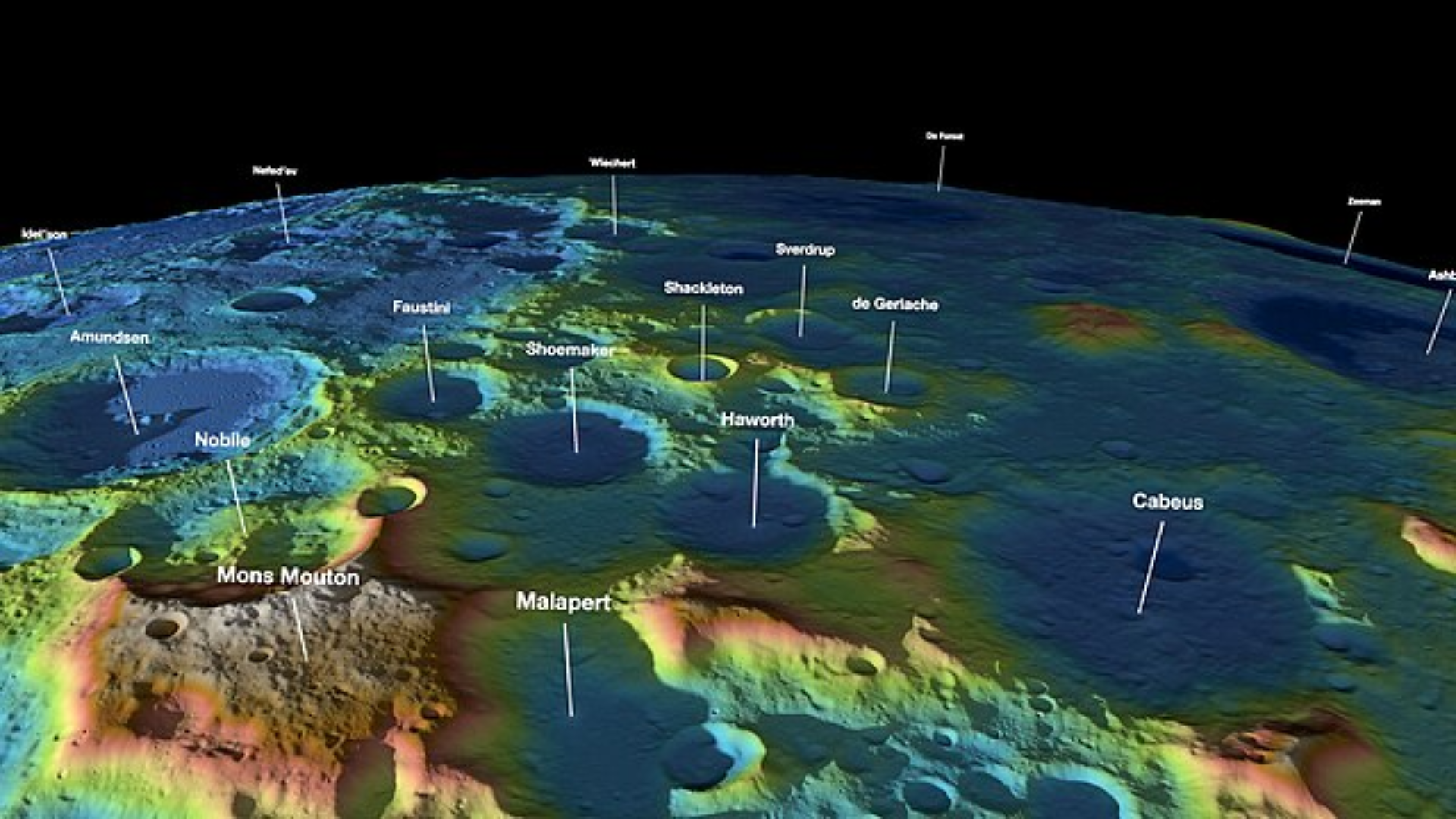
One of the most significant discoveries in recent years has been confirmation that water ice exists in permanently shadowed craters near the Moon’s poles. Spacecraft observations and sample analysis have revealed that frozen water is trapped in regions that never receive direct sunlight, challenging the long held belief that the Moon was entirely devoid of water. The presence of ice does not mean life existed, but it dramatically changes our understanding of the Moon’s chemical and environmental history.
Ancient Windows of Opportunity
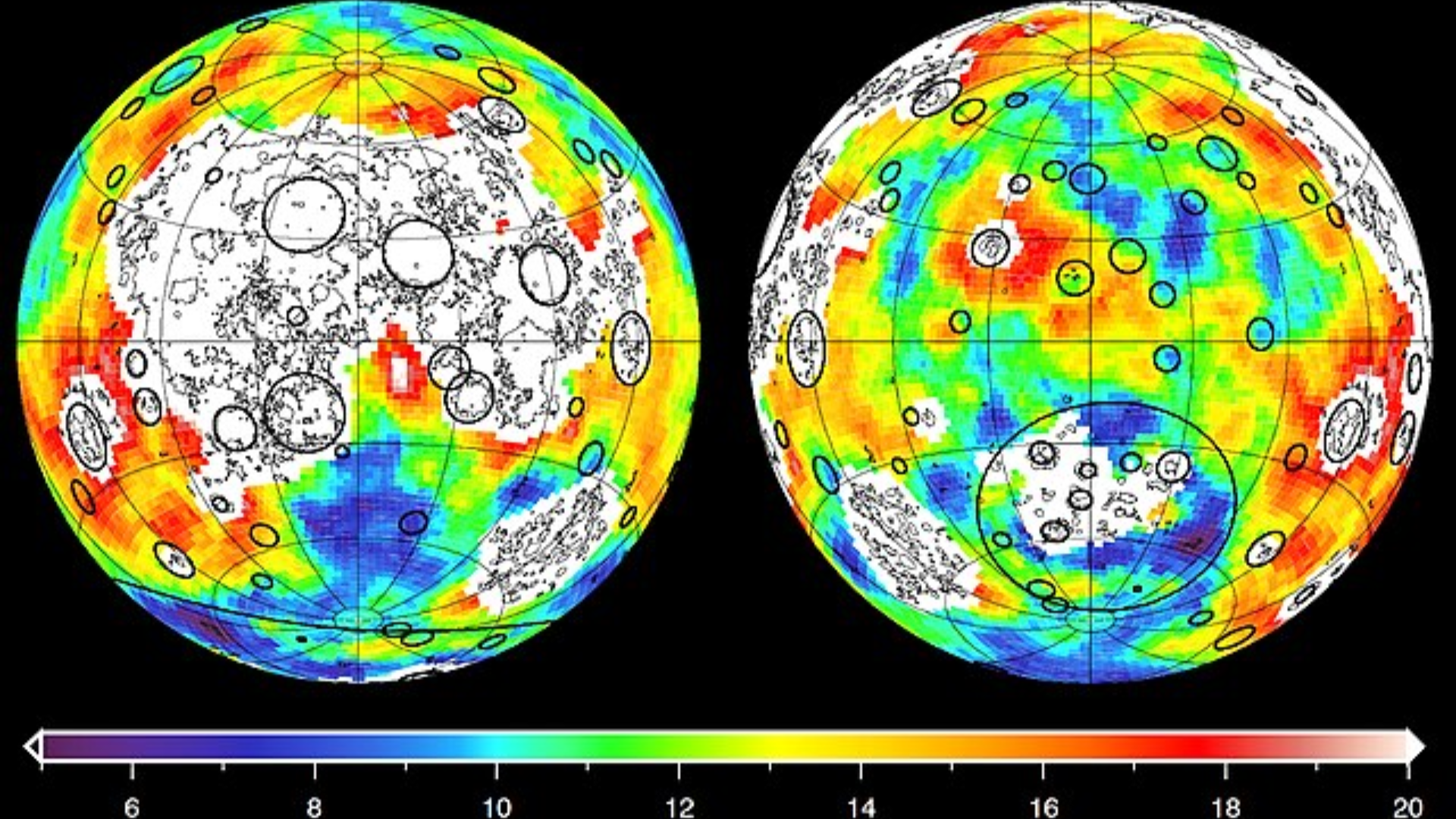
Researchers have proposed that the Moon may have experienced at least two major periods when volcanic activity released enough gases to create thicker atmospheric conditions. These episodes, which occurred billions of years ago, could have lasted millions of years and may have allowed transient bodies of liquid water to form. Even if those windows were short lived, they represent a fascinating possibility that the Moon once briefly resembled more habitable planetary environments.
What Lunar Rocks Reveal
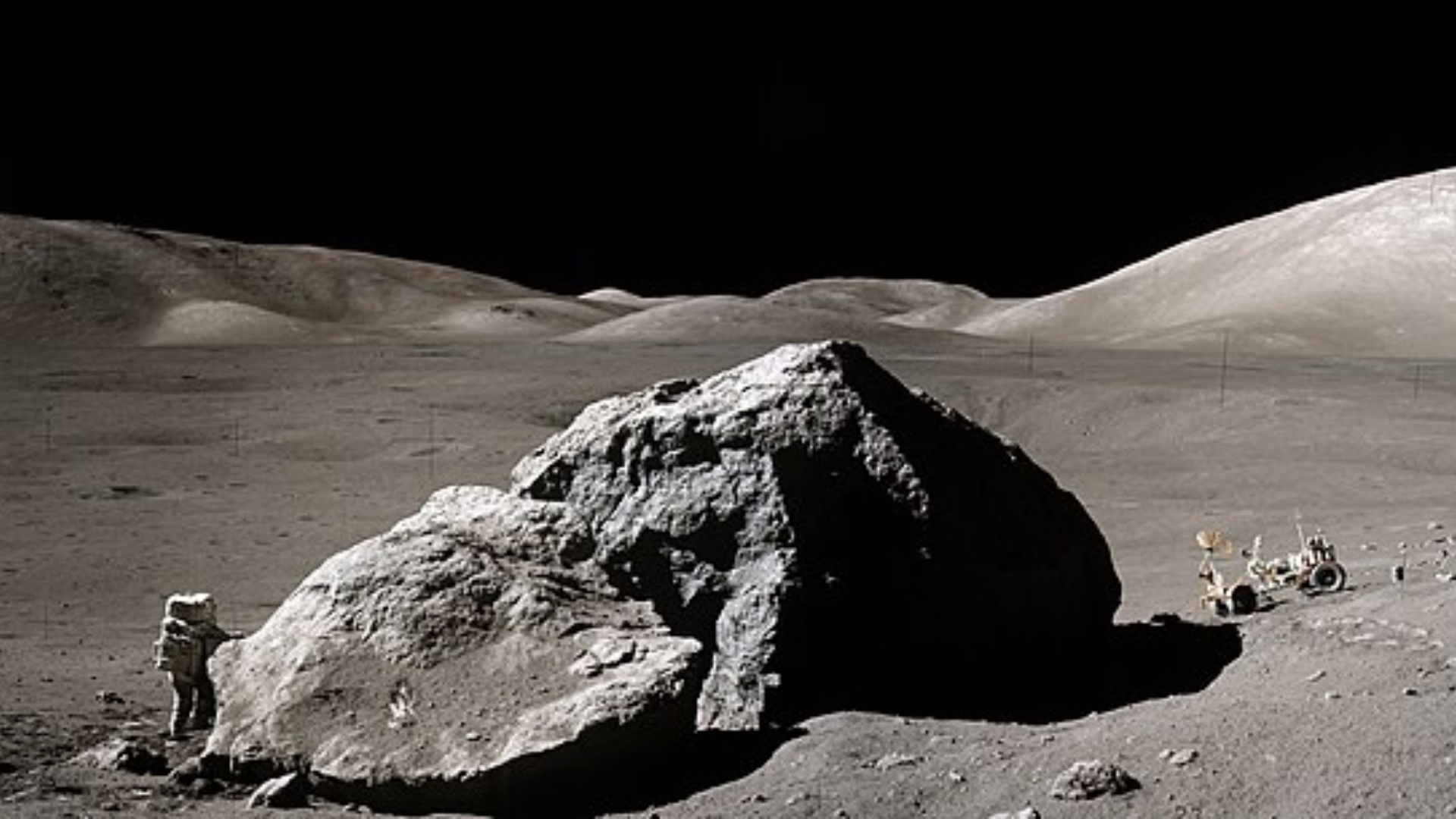
Moon rocks returned by Apollo missions continue to provide valuable insight into the satellite’s early history and internal composition. Detailed laboratory analysis has revealed traces of volatile compounds and water bound within minerals, suggesting that the Moon’s interior may have contained more water than scientists once believed. These findings have prompted researchers to reconsider how dynamic and chemically complex the early Moon might have been.
Modern Missions Searching for Answers
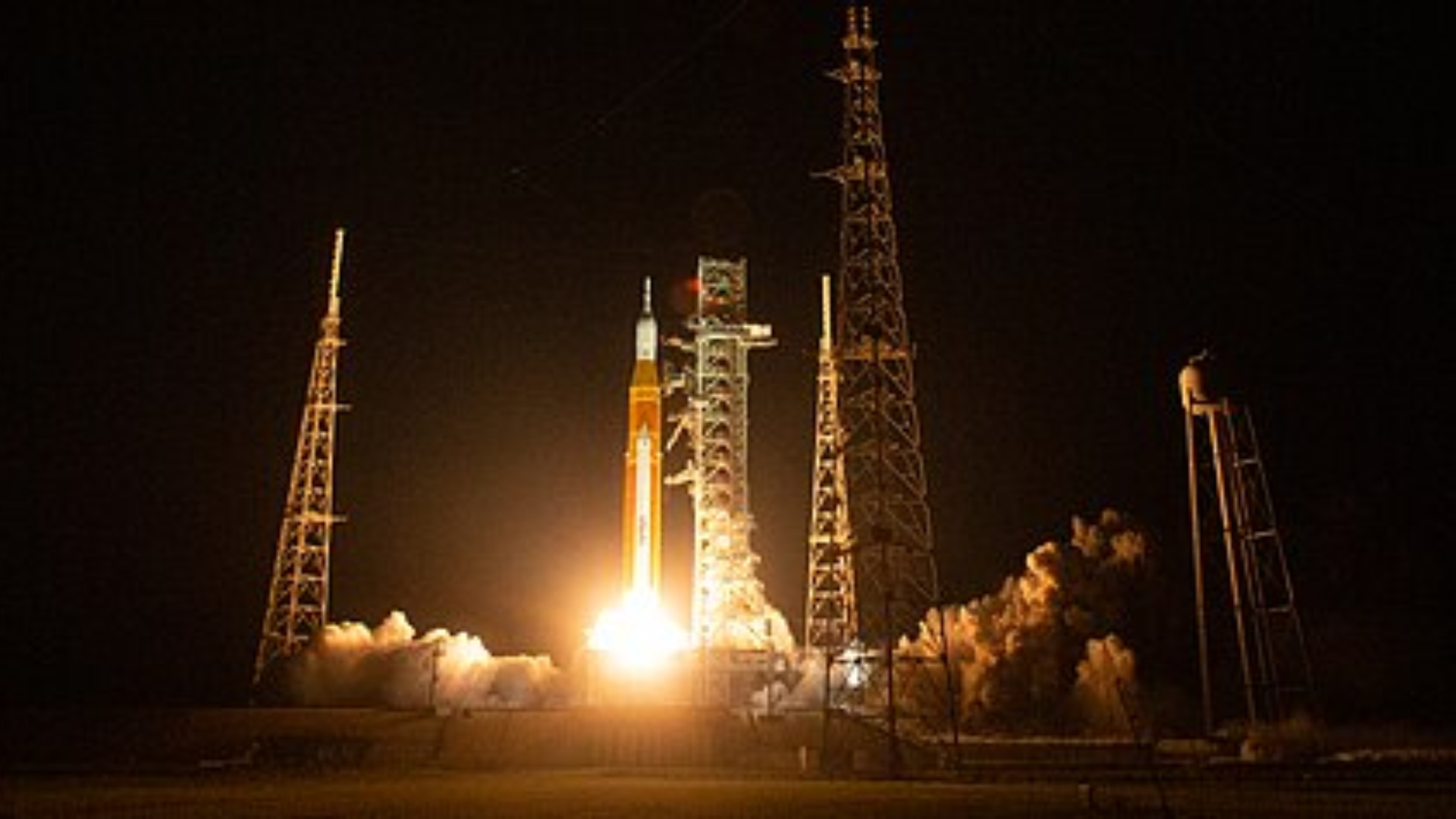
Renewed exploration efforts, including NASA’s Artemis program and international robotic missions, aim to return astronauts to the lunar surface and gather new samples from unexplored regions. Scientists hope these missions will provide deeper insight into polar ice deposits, volcanic history, and the Moon’s geological evolution. Each new mission adds pieces to a puzzle that could clarify whether past lunar conditions ever approached the threshold required for life.
Why Life Remains Unproven
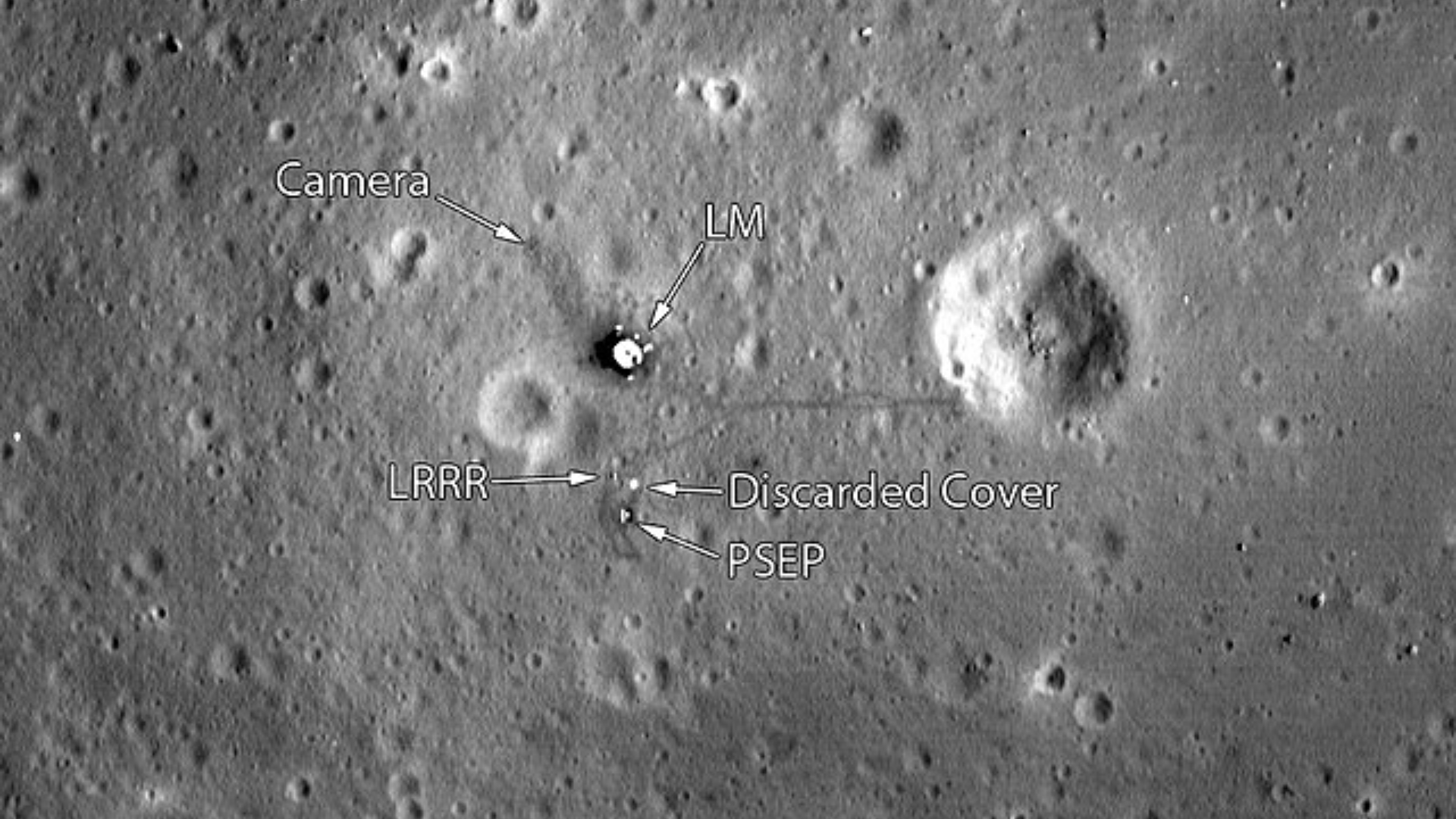
Despite the intriguing discoveries about water and volcanic gases, there is still no direct evidence that life ever formed or survived on the Moon. The modern lunar environment is characterized by extreme temperature swings, intense radiation, and the absence of a protective atmosphere, all of which make it hostile to known forms of life. Scientists emphasize that while habitable conditions may have briefly existed, habitability does not automatically mean that life actually developed.
Could Life Have Arrived From Earth
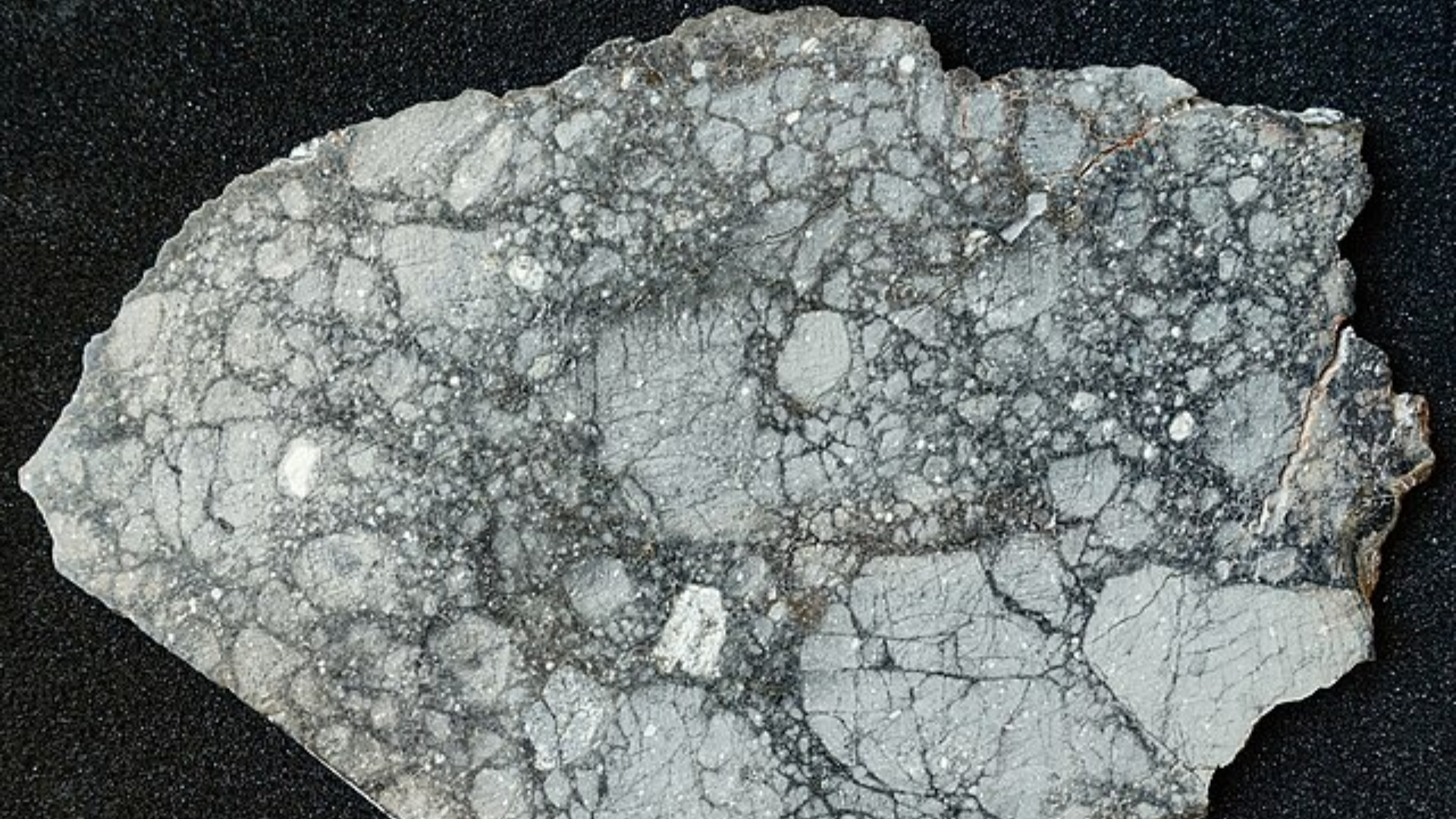
Another theory suggests that microbial life from early Earth could have been transported to the Moon by meteorite impacts during periods of heavy bombardment. If rocks blasted off Earth carried microorganisms, it is theoretically possible that some could have reached the lunar surface during a time when conditions were temporarily less extreme. While this remains speculative, it broadens the discussion about how life might spread between planetary bodies.
Implications for Astrobiology
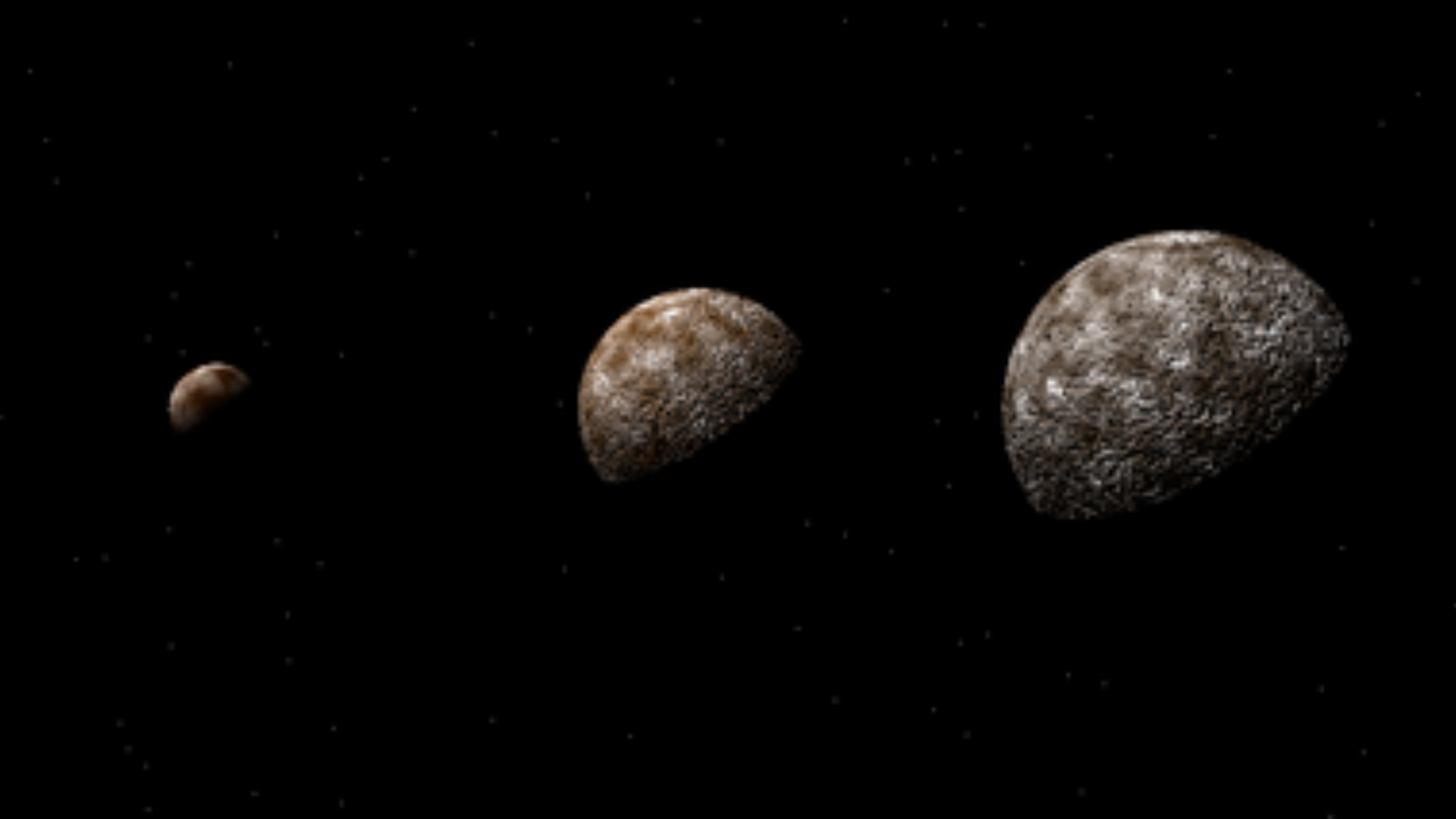
The renewed debate about the Moon’s past habitability extends beyond our nearest neighbor and influences how scientists evaluate other worlds in the solar system. Understanding how environments evolve and how water and atmospheres can appear and disappear over time helps refine the criteria used to search for life elsewhere. The Moon serves as a nearby laboratory that may reveal important lessons about planetary evolution and the delicate balance required for life to emerge.
The Mystery Is Far From Settled
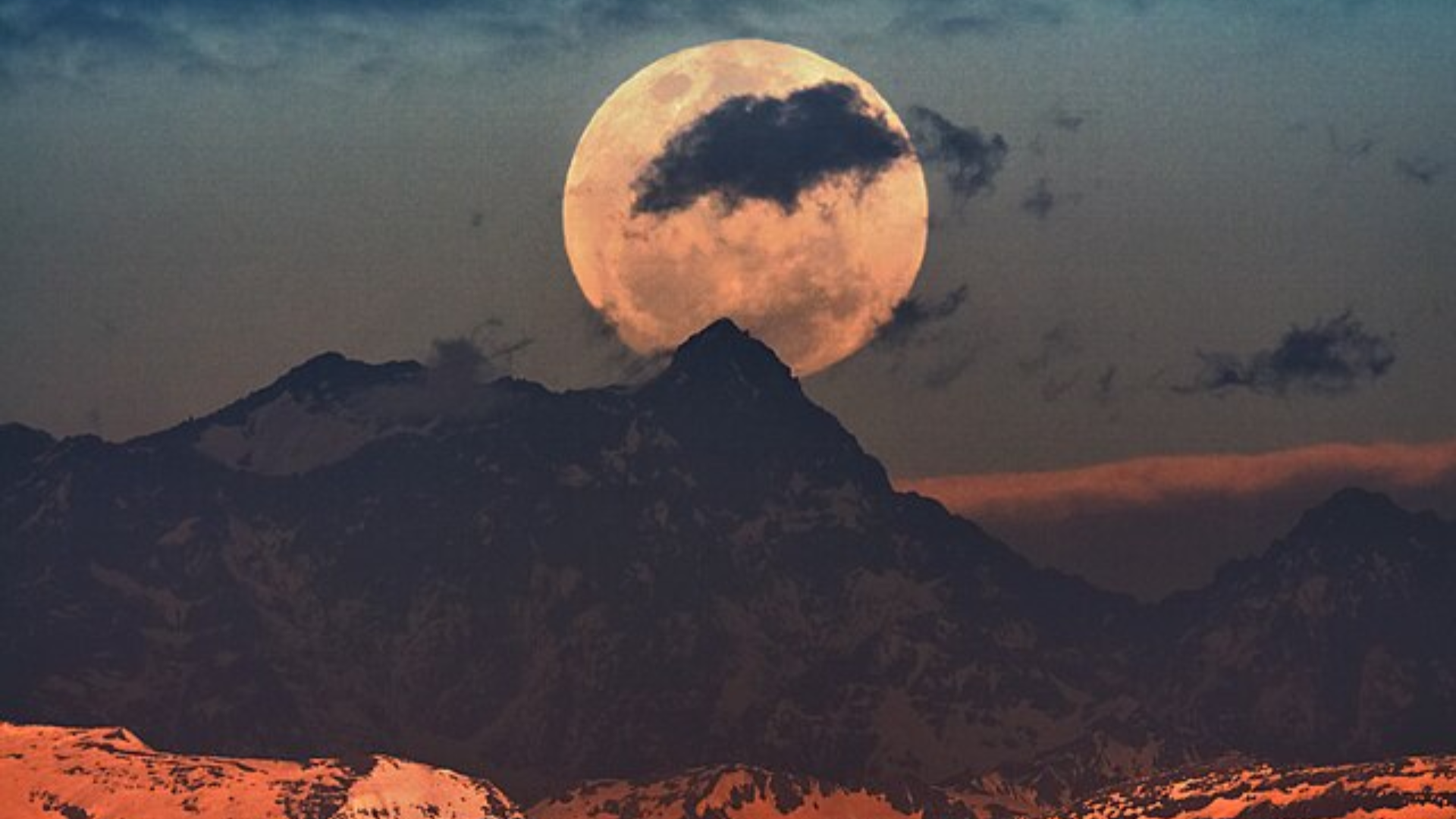
Although no evidence confirms that life ever existed on the Moon, new findings have undeniably complicated what once seemed like a closed case. Discoveries of water ice, volcanic outgassing, and ancient environmental shifts suggest that the Moon’s history may have been more dynamic than previously thought. As future missions collect more data and return additional samples, scientists hope to determine whether the idea of life on the Moon is merely a scientific curiosity or a possibility that deserves deeper investigation.