New DNA Breakthrough Is Changing What We Know About Human Origins


For years, the dominant explanation for human evolution suggested that modern humans descended from a single ancestral population in Africa. While scientists have long agreed that Homo sapiens originated on the continent, new genetic research indicates that the path leading to modern humans was far more interconnected than previously believed.
Instead of emerging from one isolated group, early human populations may have lived across different regions of Africa while continuing to interact and exchange genes over hundreds of thousands of years. This network of connected communities appears to have shaped the genetic foundation of people living today.
The findings offer a fresh perspective on one of science’s oldest questions. Rather than replacing the African origin of modern humans, the research expands it, revealing a more dynamic history driven by migration, contact, and continuous genetic mixing.
Ancient Populations Were More Connected Than Expected
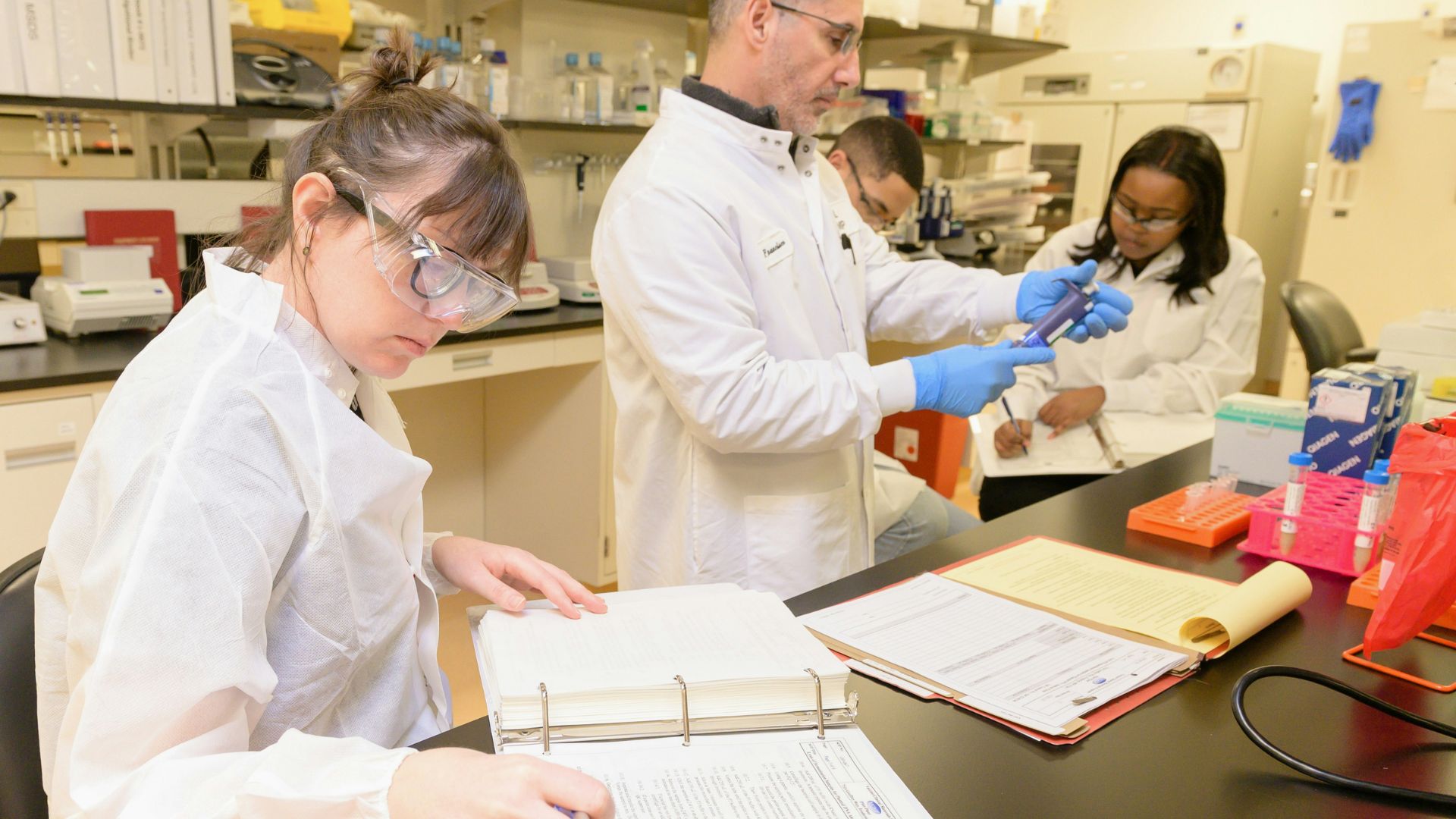
To investigate humanity’s distant past, researchers analyzed DNA from modern African populations using advanced genetic modeling. A major part of the study focused on 44 newly sequenced genomes from the Nama people of southern Africa, whose exceptional genetic diversity provides valuable insight into early human evolution.
Scientists compared several evolutionary models to determine which best explained today’s genetic patterns. Their analysis consistently supported the idea that multiple ancestral populations remained connected through ongoing gene flow instead of developing in complete isolation.
According to the research, the earliest detectable separation between these groups occurred roughly 120,000 to 135,000 years ago. Even after those populations began diverging, they continued exchanging genetic material for many generations, preserving strong biological connections across the continent.
A New Model For Human Evolution
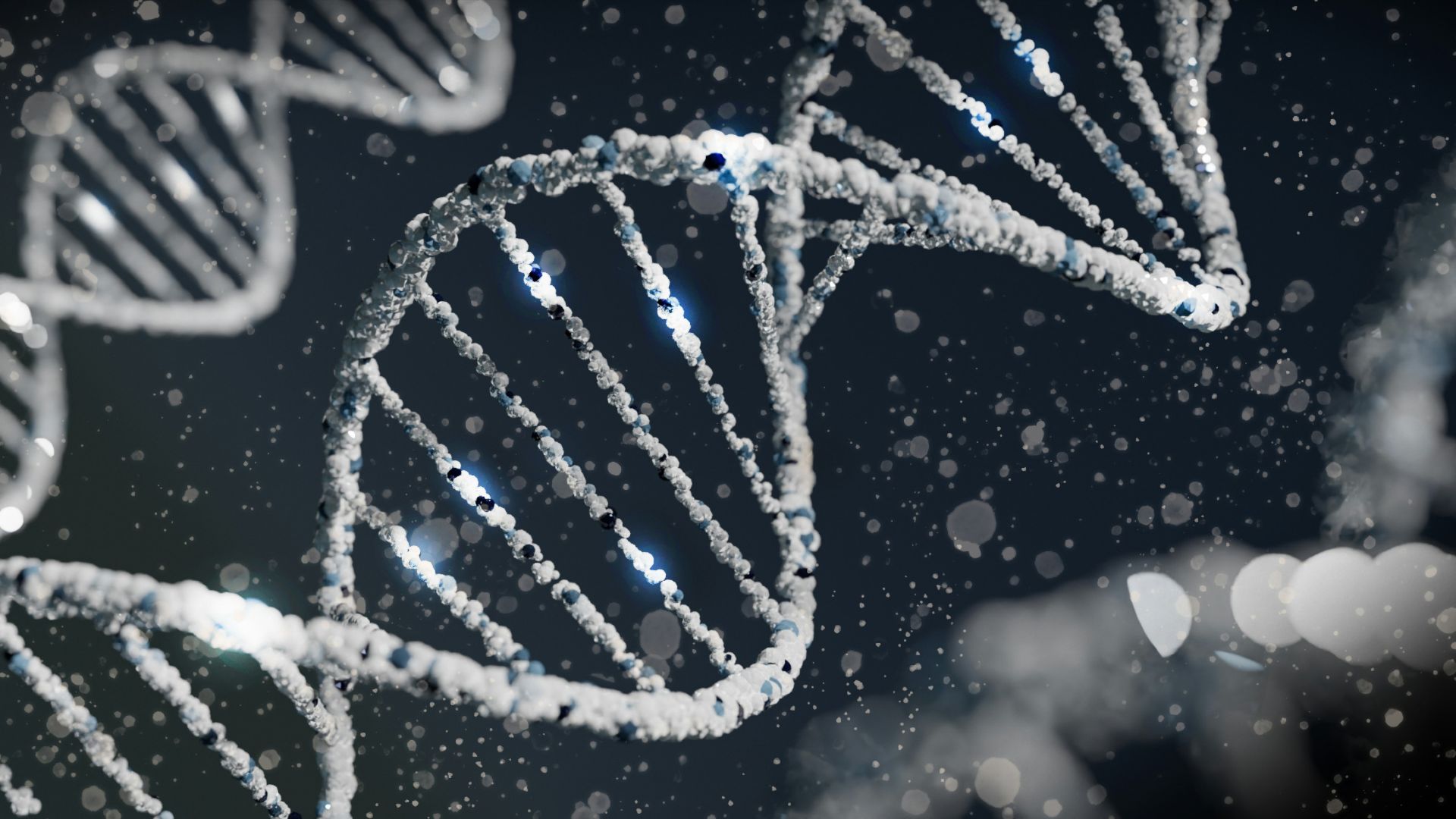
Researchers describe this framework as a weakly structured stem, meaning that modern humans likely originated from a collection of closely related populations rather than from a single ancestral source. This model provides a simpler explanation for present day genetic diversity without requiring contributions from unknown archaic human species within Africa.
The study also helps address long-standing challenges created by gaps in the fossil record. Ancient DNA remains scarce, and fossil discoveries do not always align neatly with earlier evolutionary models. By combining modern genomic evidence with computer simulations, scientists can now test ideas that were previously impossible to evaluate.
The findings also reshape how researchers interpret ancient human fossils. Because these ancestral populations remained genetically connected, they were probably more similar in appearance than once believed. As a result, fossil groups displaying highly distinct physical features may represent evolutionary branches that did not directly contribute to the ancestry of modern humans.
Rethinking The Story Of Human Origins
This research does not overturn the idea that Homo sapiens evolved in Africa. Instead, it suggests that the continent hosted several interacting populations whose relationships were far more complex than scientists had imagined for decades.
The study highlights the importance of expanding genetic research among diverse African populations, many of which remain underrepresented in scientific databases. Each newly analyzed genome has the potential to reveal additional pieces of humanity’s evolutionary history and refine existing models.
As genomic technology continues to improve, scientists expect an even clearer picture of human origins to emerge. Rather than tracing humanity back to a single isolated group, future discoveries may continue revealing a rich network of ancient communities whose shared history ultimately gave rise to modern humans.