New ‘Cicada’ COVID Strain Prompts Alert as Symptoms Emerge
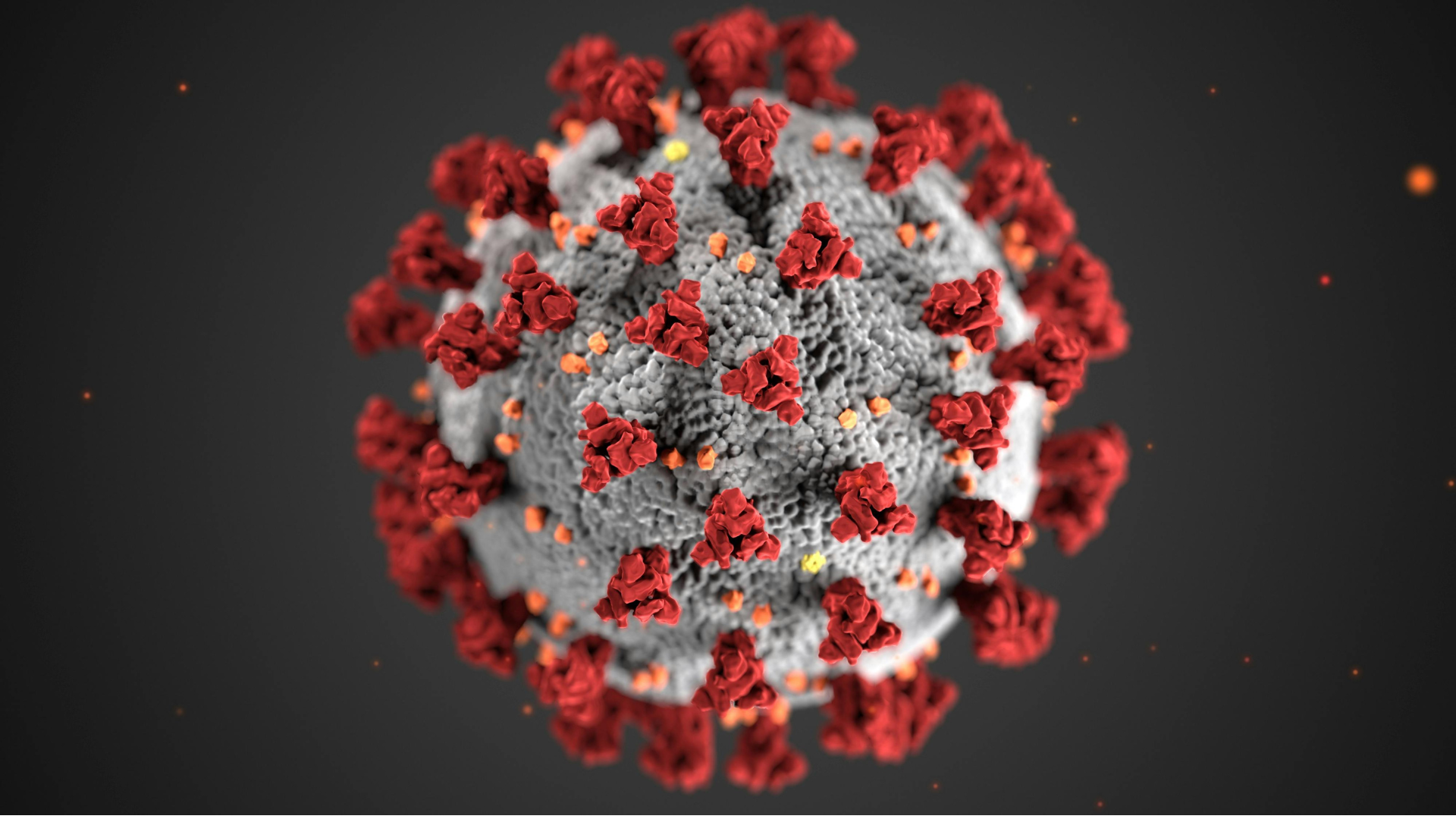

A newly emerging COVID-19 variant known as “Cicada” is drawing attention from scientists and health officials as it begins spreading across parts of the United States and beyond. Officially labeled BA.3.2, this strain is part of the Omicron family but stands out due to its unusually high number of mutations, prompting experts to closely monitor its behavior and potential impact.
The nickname “Cicada” comes from the variant’s unusual pattern of appearing, fading, and then resurfacing again, much like the insect it is named after. First detected in 2024, the variant went relatively unnoticed before re-emerging in late 2025, and it has since been identified in multiple countries as well as in U.S. samples through wastewater and clinical testing.
While the variant is not currently classified as a major global threat, it has been labeled a “variant under monitoring” by global health authorities, meaning scientists are watching closely for any signs that it could spread more rapidly or evade existing immunity. This cautious approach reflects the ongoing effort to stay ahead of new COVID mutations before they become more widespread.
What Symptoms Are Being Reported

Early reports suggest that the symptoms of the Cicada variant are largely similar to those seen in previous Omicron-related strains, which can make it difficult to distinguish without testing. Common symptoms include a persistent sore throat, cough, fever, fatigue, and nasal congestion, all of which overlap with typical respiratory illnesses.
One symptom that has been noted more prominently in some cases is a particularly severe sore throat, which has been highlighted by health experts as a potential indicator of infection with this variant. However, like earlier strains, symptoms can vary widely between individuals, with some experiencing only mild discomfort while others develop more noticeable illness.
Additional symptoms reported include headaches, muscle aches, chills, and in some cases mild breathing difficulties or gastrointestinal issues, reinforcing how the virus continues to present in ways that resemble both earlier COVID strains and common seasonal illnesses. This overlap makes awareness and testing especially important when symptoms appear.
Why Scientists Are Paying Close Attention

One of the main reasons the Cicada variant is being closely monitored is the sheer number of mutations it carries, particularly in the spike protein, which the virus uses to enter human cells. These changes raise concerns that the variant could partially evade immunity from previous infections or vaccinations, although more research is needed to fully understand its impact.
Despite these concerns, early data suggests that the variant does not appear to cause more severe illness than earlier strains, with most reported cases ranging from mild to moderate. However, scientists remain cautious because even a less severe variant can still pose risks if it spreads widely, especially among vulnerable populations.
Another factor contributing to concern is the possibility that the variant could become more dominant over time, potentially driving future waves of infection. Its re-emergence after a period of dormancy suggests that it may have characteristics that allow it to persist and reappear under the right conditions, making continued surveillance essential.
What This Means As The Variant Spreads

As the Cicada variant continues to circulate, health experts are emphasizing the importance of staying informed and taking basic precautions when necessary, especially for those at higher risk of severe illness. Measures such as vaccination, testing when symptoms appear, and maintaining good hygiene remain key tools in limiting the spread of the virus.
While the variant is not currently considered a major cause for alarm, its emergence serves as a reminder that COVID-19 continues to evolve, and new strains can still pose challenges even as global immunity has improved. Monitoring these changes allows scientists to respond quickly if the situation shifts.
Ultimately, the appearance of the Cicada variant highlights the ongoing nature of the pandemic, showing that vigilance and adaptability remain essential as researchers work to better understand how each new strain behaves and what it means for public health moving forward.