New Bill Proposal Would Strip Millions of Americans of Their Passports
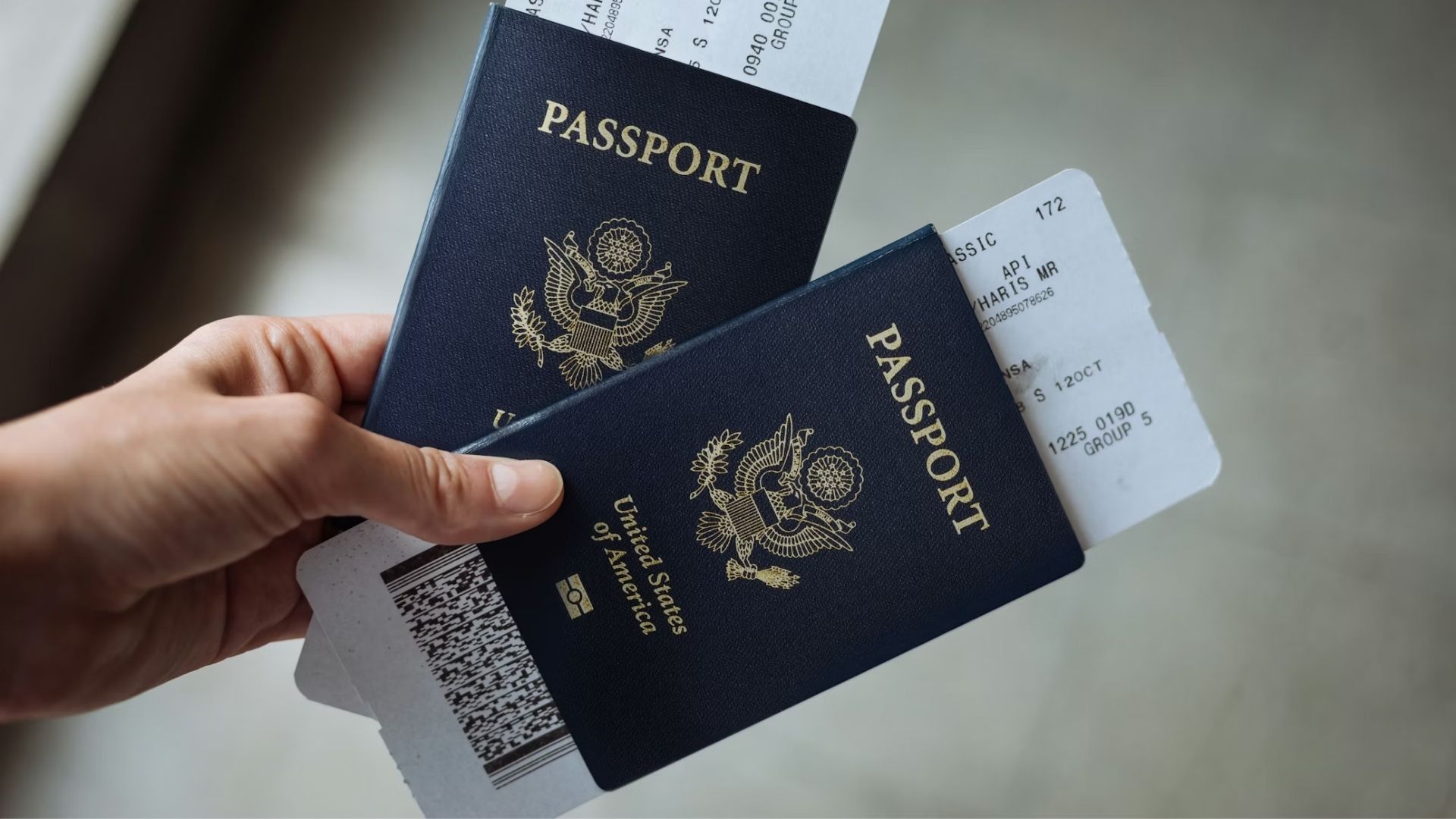

Senator Bernie Moreno has introduced the Exclusive Citizenship Act of 2025, legislation that would end dual citizenship for Americans and require those holding multiple passports to choose between their US citizenship and foreign nationalities. The bill would reverse decades of US policy permitting citizens to maintain passports from multiple countries at once. Americans who currently travel using both US and foreign passports would need to pick one nationality.
The United States has allowed dual citizenship for decades. Current State Department policy makes clear that American law permits citizens to hold multiple nationalities simultaneously, and naturalizing in a foreign country does not put US citizenship at risk. Americans born in the United States but raised abroad can legally maintain both passports. Similarly, foreigners who become US citizens typically keep their original nationality. The State Department recognizes that dual nationals maintain ties to multiple countries.
Moreno’s bill would change this approach entirely. If enacted, US citizens would need to pledge sole and exclusive allegiance to the United States only, according to the proposed legislation. Current policy acknowledges that Americans holding multiple citizenships have connections to both the United States and other nations. The change would affect millions of Americans who have legally held dual citizenship under established rules.
Americans Would Need to Choose One Passport and Surrender All Others
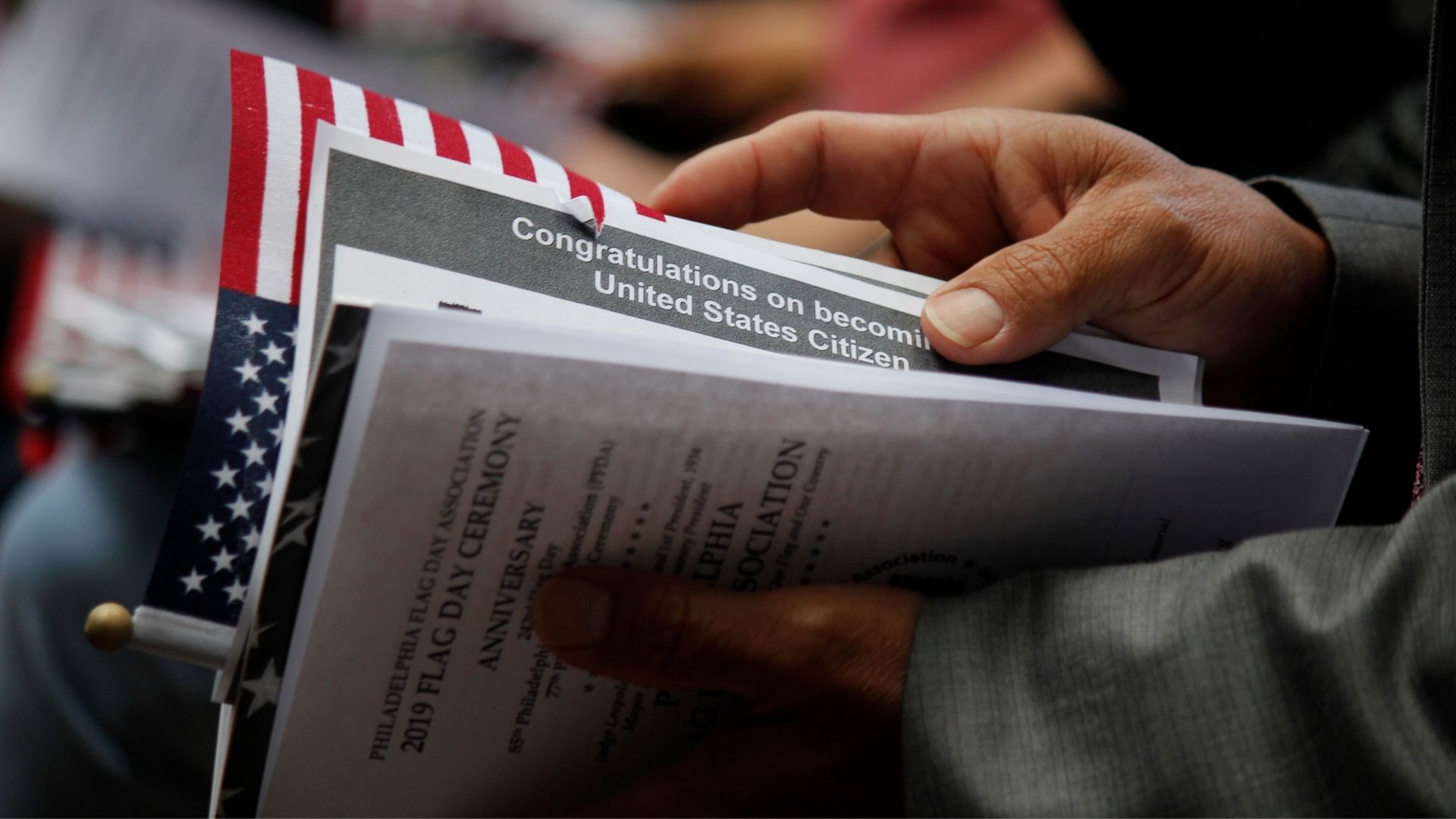
Under Moreno’s Exclusive Citizenship Act of 2025, Americans with dual citizenship would face a direct choice. Those wanting to keep their US citizenship and passport would need to give up all other nationalities and turn in foreign passports. Americans preferring their non-US passport would need to formally renounce their US citizenship. The requirement would apply to all Americans regardless of how they obtained citizenship, whether by birth in the United States, through parents, or by naturalization.
The bill would affect several groups of Americans. Those born in the United States to foreign parents who hold their parents’ nationality would need to decide. Americans born in the US but raised in different countries who maintained those passports would face the same situation. The legislation would also impact Americans who naturalized in foreign nations after obtaining US citizenship, a process currently allowed under State Department policy.
Naturalized US citizens who kept their original passports when becoming American would also need to choose. The United States currently allows most foreigners acquiring citizenship to maintain their previous nationality, though policies vary. Moreno’s bill would eliminate this option completely, requiring exclusive American nationality for anyone wanting to remain a US citizen. The legislation would apply the same rule to all citizenship holders.
Moreno Says Divided Allegiances Create Conflicts of Interest
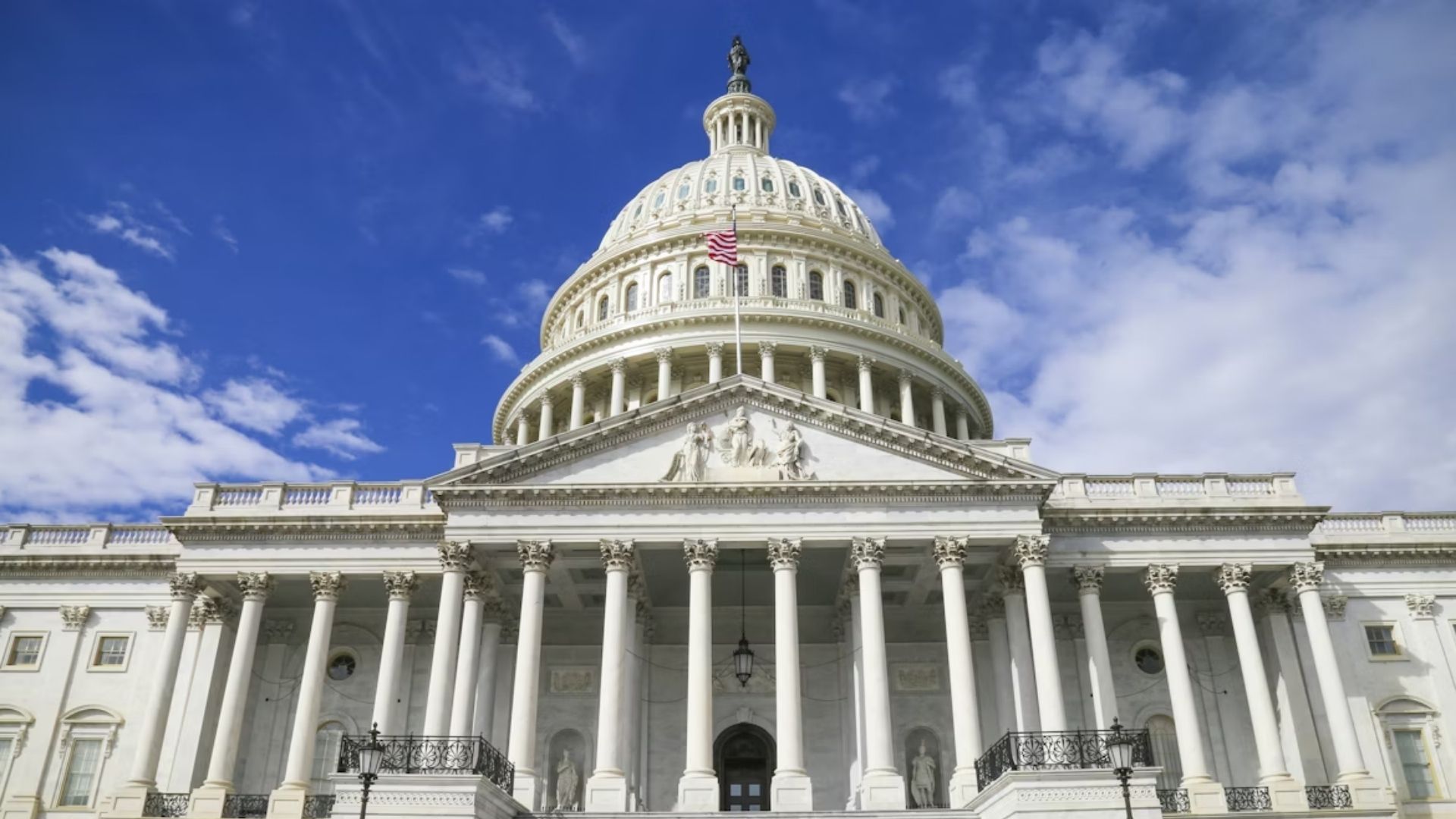
The Republican senator said his legislation centers on loyalty to the United States and would remove conflicts of interest that dual citizenship creates. Moreno argued the bill would eliminate divided allegiances that come from holding multiple nationalities. “One of the greatest honors of my life was when I became an American citizen at 18, the first opportunity I could do so,” Moreno said in his statement about the proposed legislation.
Moreno emphasized his personal connection to the citizenship question. “It was an honor to pledge an Oath of Allegiance to the United States of America and ONLY to the United States of America,” the senator said. He became a US citizen at 18, making exclusive allegiance part of his own naturalization experience. According to Moreno, maintaining formal ties to multiple governments creates conflicts of interest and divided allegiances.
Under Moreno’s bill, American citizenship would require an undivided commitment to the United States. The senator argued that dual citizenship creates potential conflicts of interest or divided allegiances. The proposal would set a single rule for all citizens to prevent these scenarios. Current law has permitted dual citizenship arrangements without such restrictions for generations of Americans and naturalized citizens alike.
Law Professor Calls the Proposal Unconstitutional
Peter Spiro, a law professor at Temple University who has written several books about citizenship, said Moreno’s proposal is largely symbolic. “This is a non-starter for all kinds of reasons,” Spiro said, predicting vigorous opposition from both political parties. He said the bill is “pretty clearly unconstitutional” if it were ever enacted. Spiro noted that many people hold dual citizenship, including President Donald Trump’s wife and son, making passage unlikely.
A YouGov poll conducted after Moreno announced his bill found mixed public reaction. Forty-five percent of respondents said people should not have to give up their original citizenship when naturalizing as Americans, while 31% agreed with the senator’s position. Attitudes shifted when Americans considered their own status, however. Fifty-six percent said Americans who acquire another citizenship should not be forced to renounce their US passport, and 65% said they would not renounce US citizenship if they acquired another nationality.
If the Exclusive Citizenship Act were to become law, the United States would join a small group of countries that prohibit dual citizenship outright, including Iran, Cuba, and North Korea. More than a dozen other nations follow similar policies, including Singapore, which holds the world’s most powerful passport according to Henley rankings. China, India, and Japan also do not recognize dual citizenship, though India allows citizens who acquire another nationality to retain a limited status.