New Bill Could Dramatically Cut H-1B Visas, Leaving Many Workers Worried
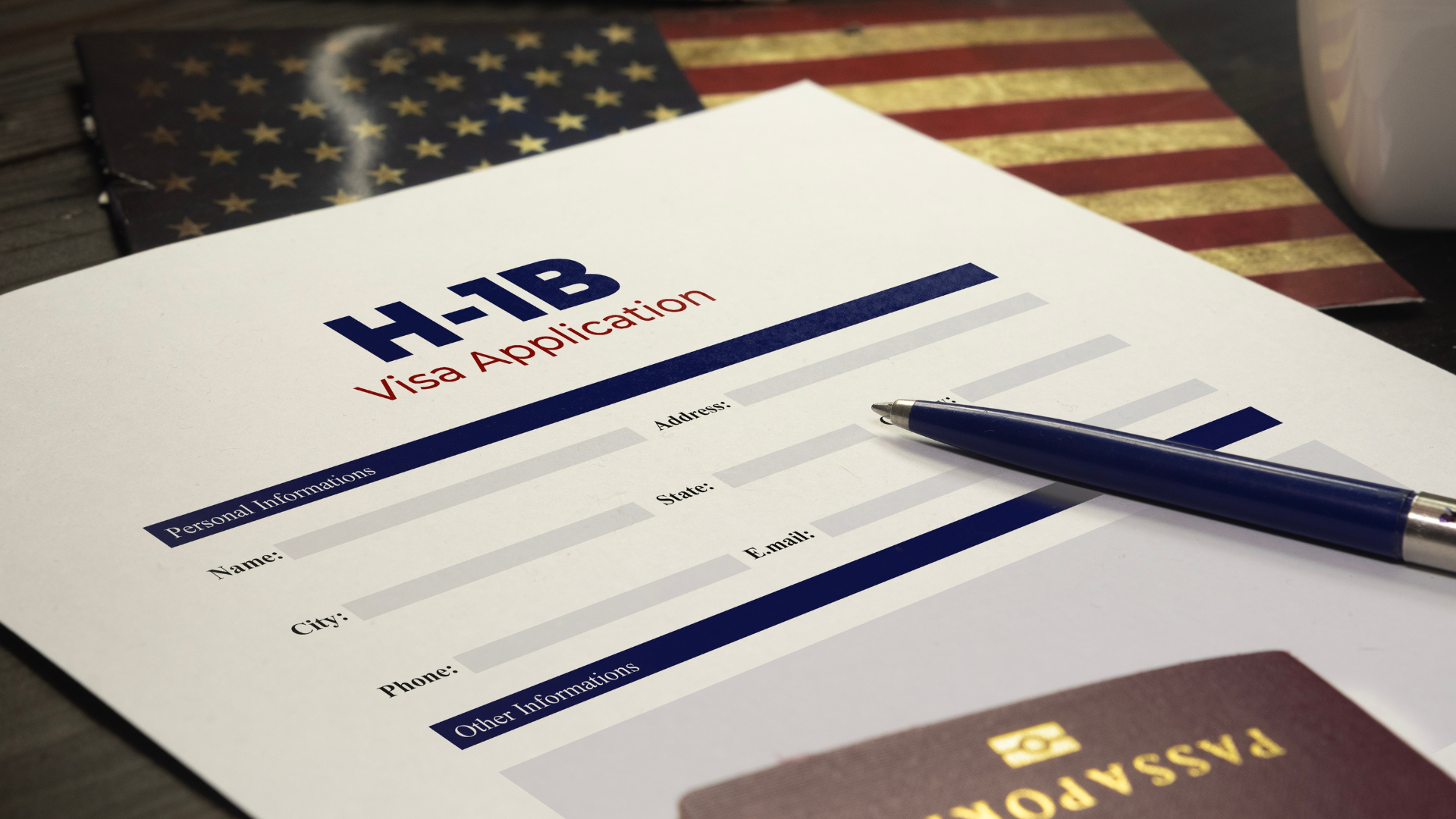

A newly proposed bill in Congress is raising serious concerns among foreign workers, employers, and immigration experts, as it could dramatically reduce the number of H-1B visas issued each year and even temporarily halt the program altogether. The proposal, known as the End H-1B Visa Abuse Act of 2026, represents one of the most sweeping attempts to reshape the U.S. skilled worker visa system in years, sparking intense debate about its potential impact on the economy and workforce.
The H-1B visa program has long been a key pathway for highly skilled foreign professionals, particularly in fields like technology, engineering, and healthcare, allowing U.S. companies to fill specialized roles when qualified domestic workers are not available. However, critics of the program argue that it has been overused or misused, leading to calls for stricter rules and reduced reliance on foreign labor.
Now, with this new legislation on the table, many workers currently in the U.S. on H-1B visas, as well as those hoping to apply in the future, are facing uncertainty about what changes could mean for their careers, immigration status, and long-term plans in the country.
What The New Bill Proposes And How It Could Cut Visas
At the center of the proposal is a dramatic three-year pause on issuing new H-1B visas, which would effectively freeze one of the most widely used work visa programs in the United States while lawmakers attempt to redesign it from the ground up. During this period, no new visas would be granted, creating a significant disruption for companies that rely on international talent.
Even after the proposed pause ends, the bill would sharply reduce the annual visa cap from 65,000 to just 25,000, while also eliminating certain exemptions that currently allow additional applicants to qualify, meaning far fewer workers would be able to enter the program in the future.
The legislation also includes several additional restrictions, such as requiring a minimum salary of around $200,000 for H-1B positions, replacing the current lottery system with a wage-based selection process, and limiting employers’ ability to sponsor workers unless they can prove no qualified American candidates are available.
Why Workers And Employers Are Concerned

The proposed changes have sparked anxiety among foreign workers, particularly those already in the U.S. or planning to apply, as the bill could significantly limit opportunities to work, extend visas, or transition to permanent residency, which has traditionally been a long-term goal for many H-1B holders.
Employers are also raising concerns, especially in industries like technology and healthcare that depend heavily on specialized talent, warning that restricting access to skilled foreign workers could slow innovation, disrupt operations, and make it harder to fill critical roles that require advanced expertise.
Critics of the bill argue that while it aims to prioritize American workers, it could unintentionally harm U.S. competitiveness by reducing access to global talent, while supporters maintain that it is necessary to address what they see as flaws and abuses within the current system.
A Proposal That Could Reshape The Future Of Work Visas
Although the bill has only been introduced and still faces a long legislative process before becoming law, its potential impact is already being felt, as workers and companies begin preparing for possible changes that could reshape the immigration landscape in the United States.
The proposal reflects a broader push to rethink how the U.S. balances domestic employment with global talent, raising important questions about how immigration policy should evolve in an increasingly competitive and interconnected world.
Ultimately, whether the bill passes or not, it highlights growing tensions around immigration, labor markets, and economic priorities, making it clear that the future of programs like H-1B will remain a major issue for policymakers, businesses, and workers alike.