Never Kill These 4 Insects When You Find Them Inside Your Home
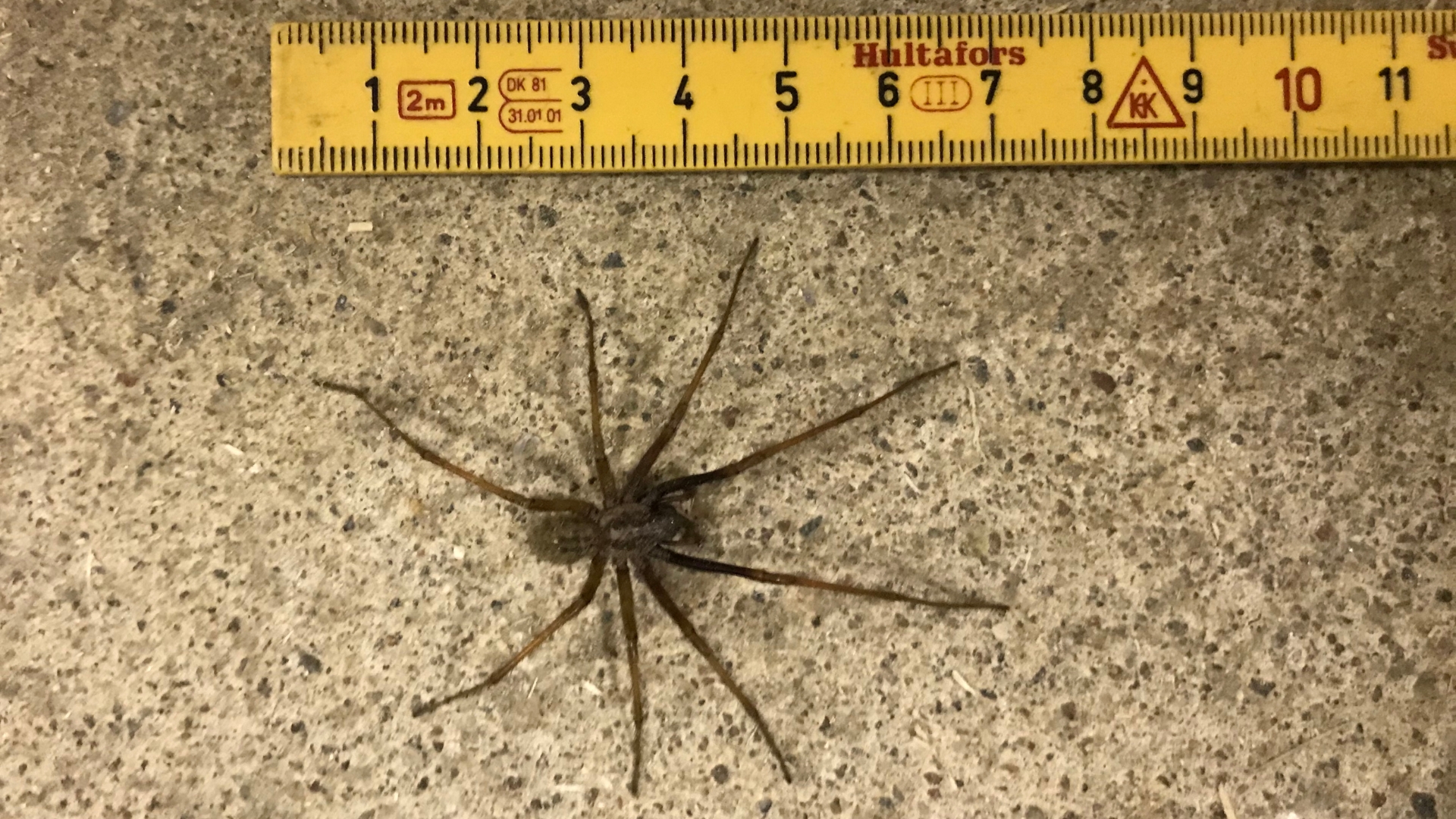

Most people reach for a shoe or a tissue the second something with too many legs shows up on the wall. That reflex is understandable, but it’s costing you free labor. A handful of common household insects spend their entire lives hunting down the pests you actually don’t want indoors, roaches, mosquitoes, aphids, even other spiders. Here are four you should think twice about before flattening.
One Spider Can Work Through Roaches, Moths and Mosquitoes Without You Lifting a Finger
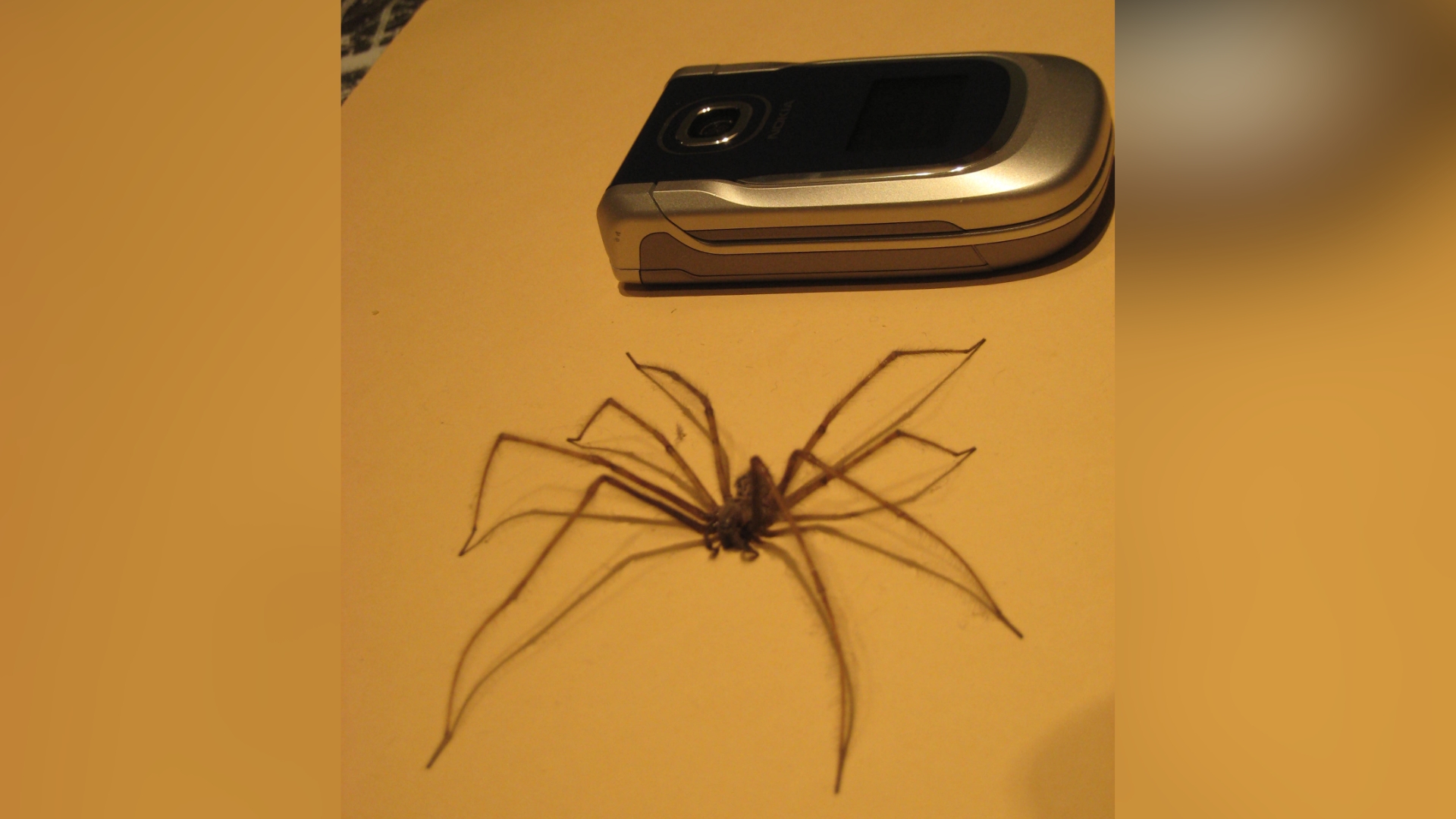
The ordinary house spider spinning a web in your corner isn’t after you. Its actual targets are roaches, earwigs, mosquitoes, flies and clothes moths, the insects that chew through sweaters and spread disease. Most species can’t even break human skin with a bite. Left alone, a single web quietly clears out a rotating cast of pests, night after night, for as long as it stays put.
Global Spiders Devour Up to 800 Million Tons of Insects a Year, Study Finds
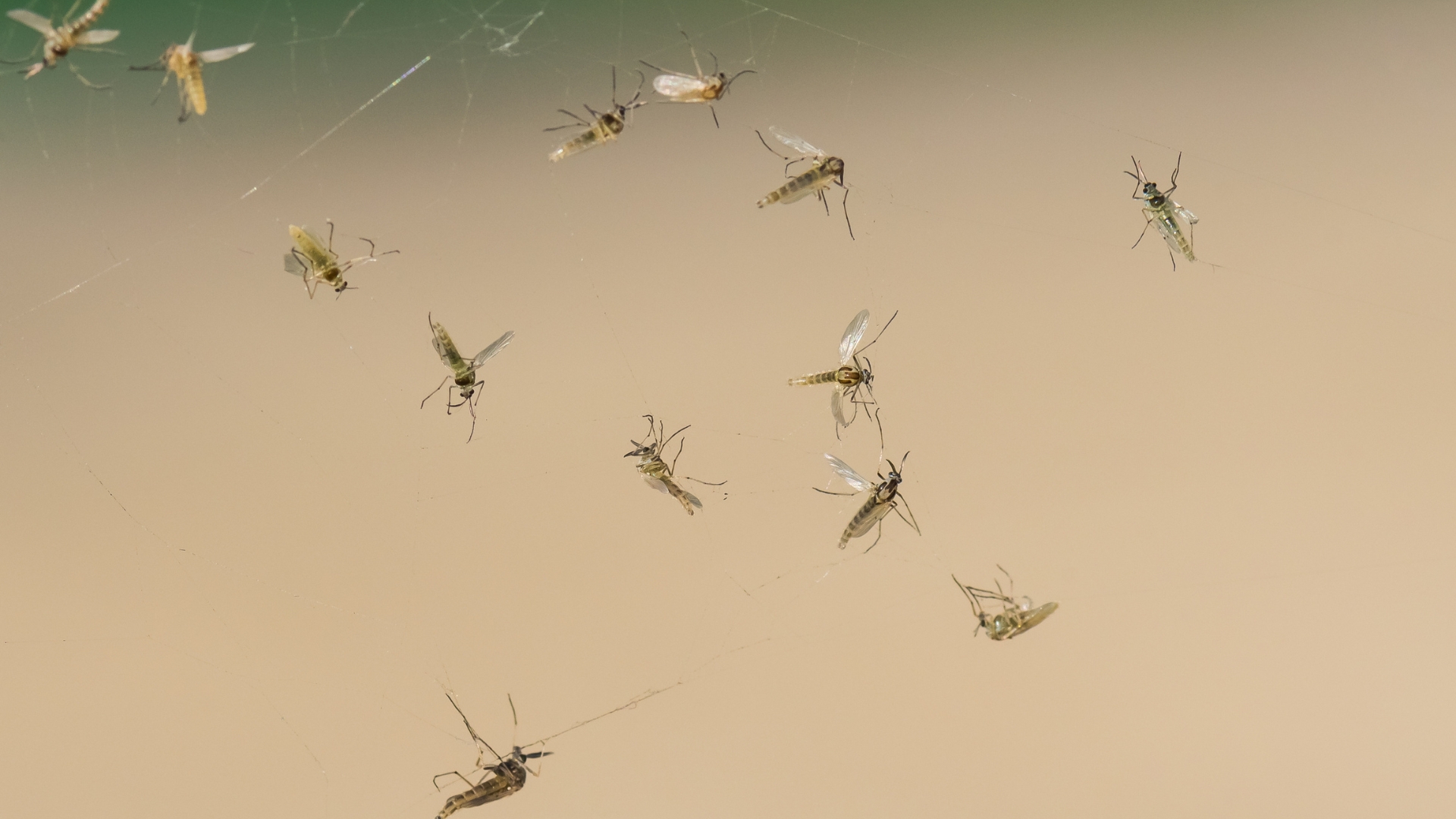
A 2017 study from the University of Basel and Lund University calculated that the world’s spider population wipes out an estimated 400 to 800 million tons of prey every year, most of it insects. In East Africa, one jumping spider species near Lake Victoria has an even more specific appetite: it actively hunts mosquitoes carrying the malaria parasite, making it a literal disease-fighter hiding in plain sight.
A Single Ladybug Can Clear 5,000 Aphids Before It Dies
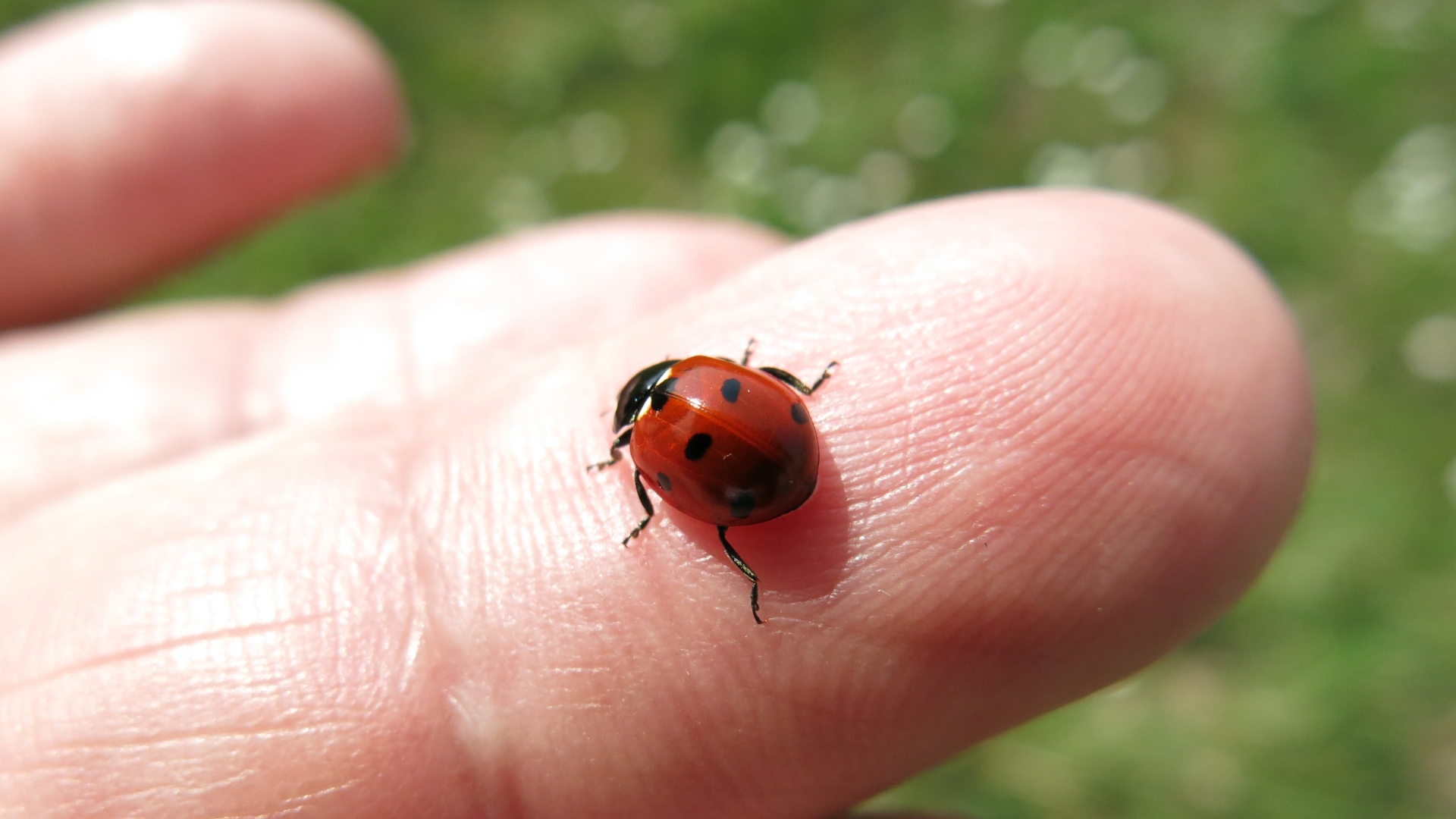
Aphids ruin houseplants fast, curling leaves and stunting growth before you notice anything’s wrong. Ladybugs exist almost specifically to stop that. A ladybug can eat as many as 50 aphids a day and up to 5,000 over its lifetime. Anyone with an indoor garden or a windowsill full of plants should treat a wandering ladybug less like an intruder and more like a hired exterminator that showed up uninvited.
Ladybug Larvae Are Even Hungrier Than the Adults
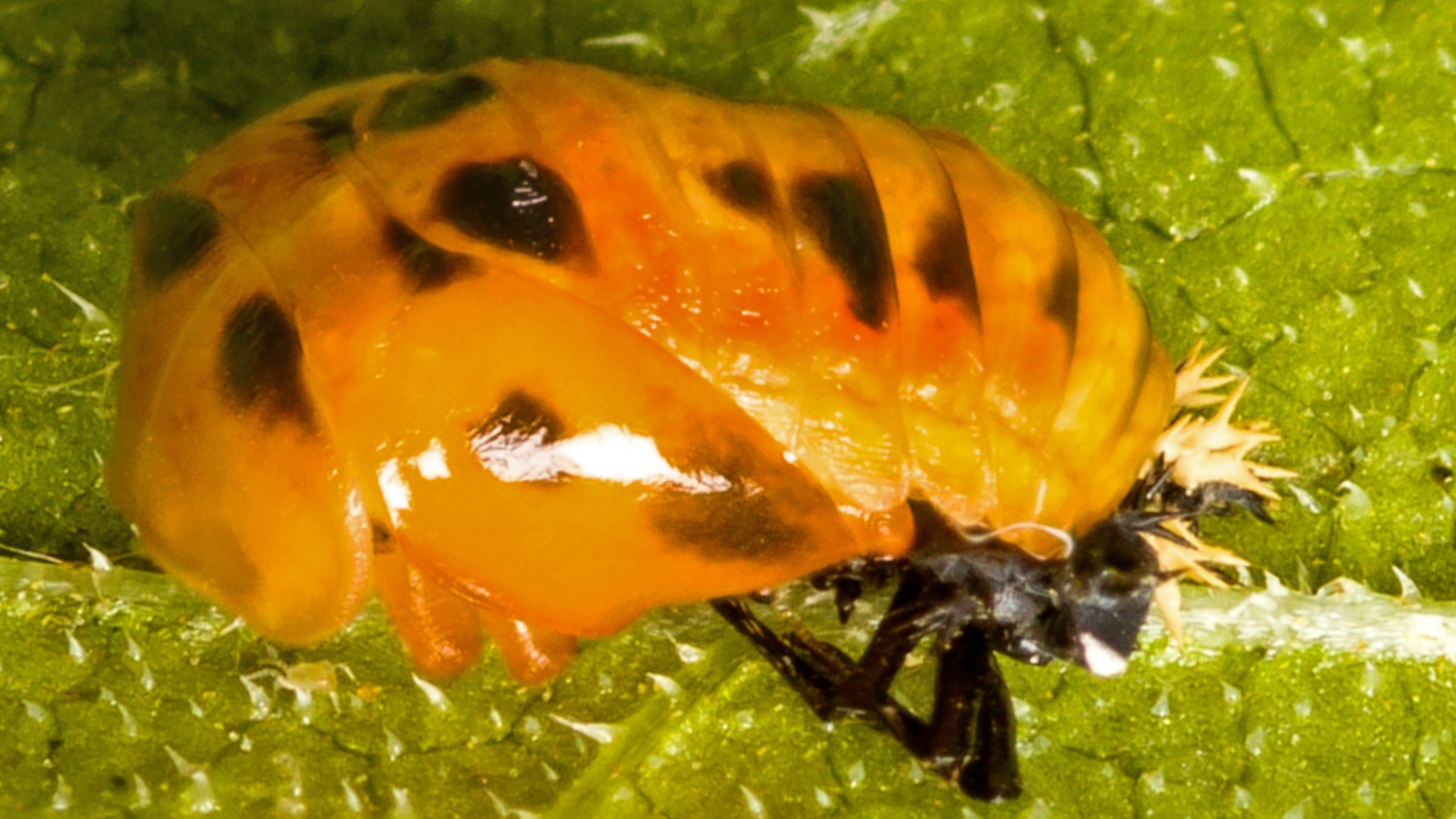
The polka-dotted beetle isn’t the only stage doing damage to pest populations. Ladybug larvae feed just as aggressively, sometimes outpacing adults during their two-week development window. Beyond aphids, ladybugs and their larvae also go after spider mites, mealybugs and whiteflies, three of the most common threats to indoor plants. That range is exactly why gardeners actively try to attract them rather than chase them off.
House Centipedes Look Alarming but Hunt the Pests You Actually Fear
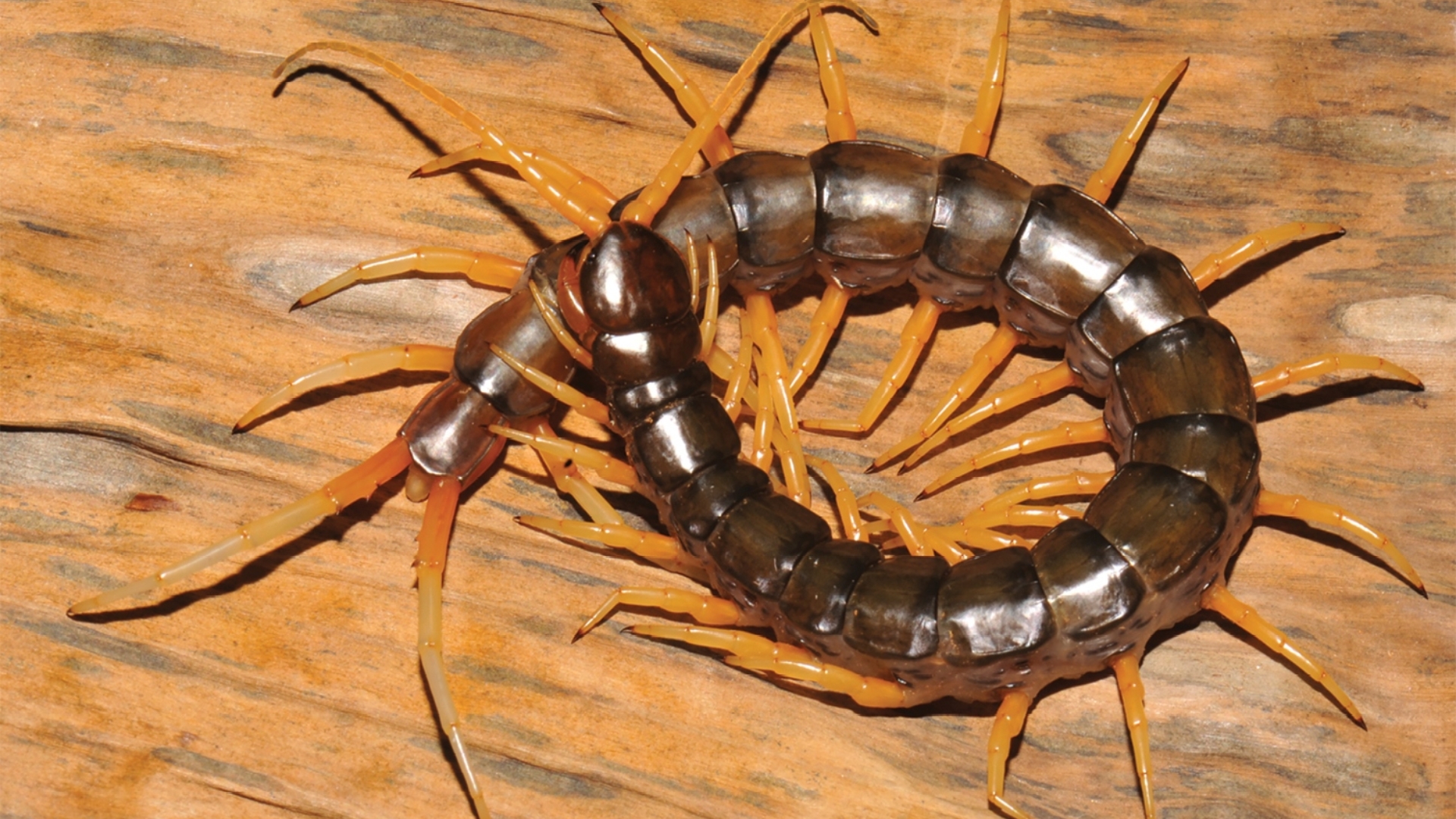
Few household insects trigger a stronger flinch than a house centipede sprinting across tile at full speed. Their fifteen pairs of legs make them look far more threatening than they are. House centipedes eat undesirable insects found in the home, including cockroaches, silverfish, carpet beetle larvae, bedbugs, beetles and spiders, going after exactly the pests that hide in damp, dark corners.
No One Has Ever Been Confirmed Bitten by a House Centipede
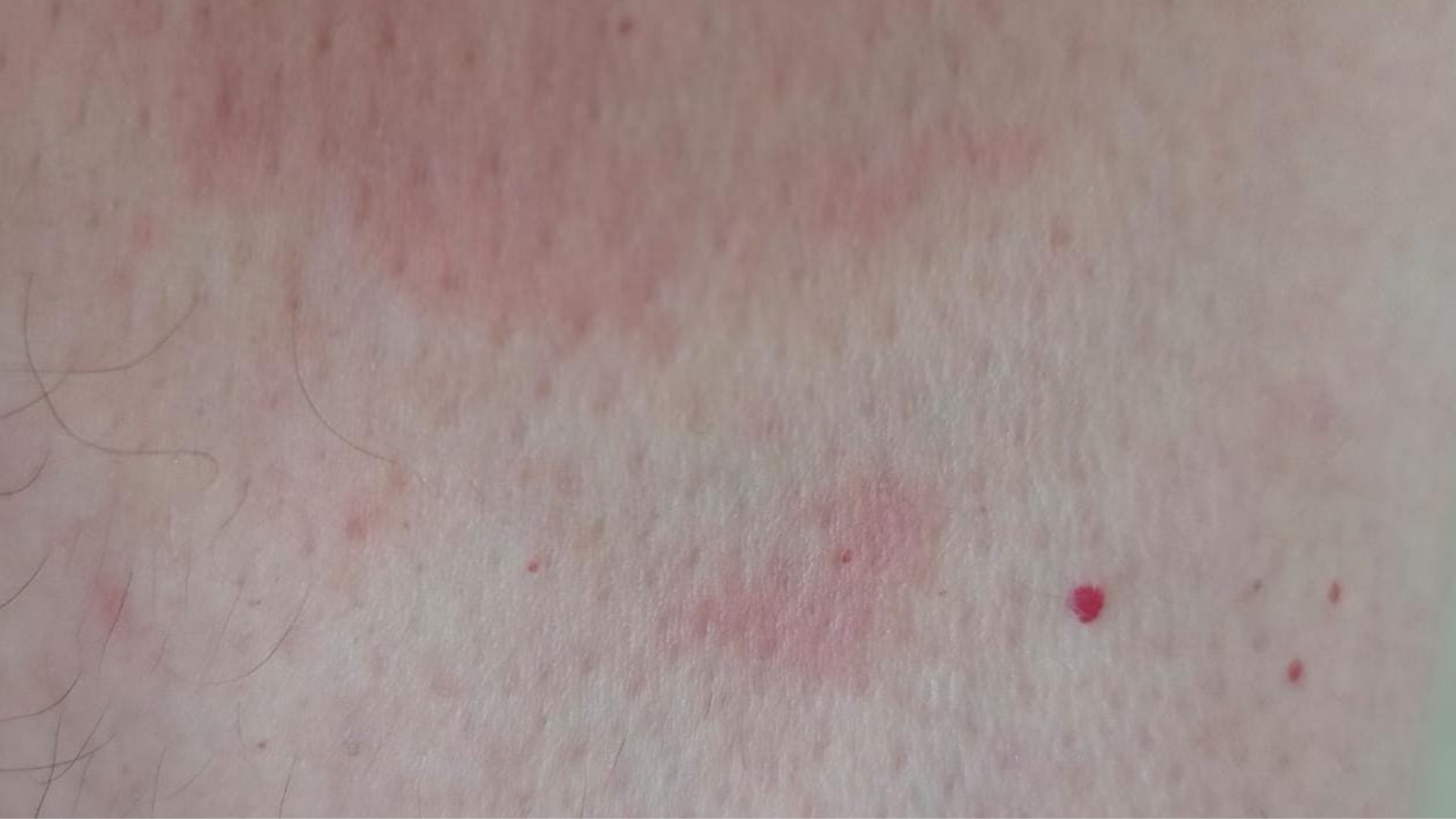
House centipedes do have fangs capable of breaking human skin, but bites are exceptionally rare and only happen if one is handled roughly. Any bite that does occur is typically compared to a bee sting, brief and mild. Given how effectively they clear out roaches and bedbugs without chemicals, most pest professionals suggest leaving them be unless their numbers get genuinely out of hand.
The Spider You Call Daddy Long Legs Is Quietly Killing Black Widows
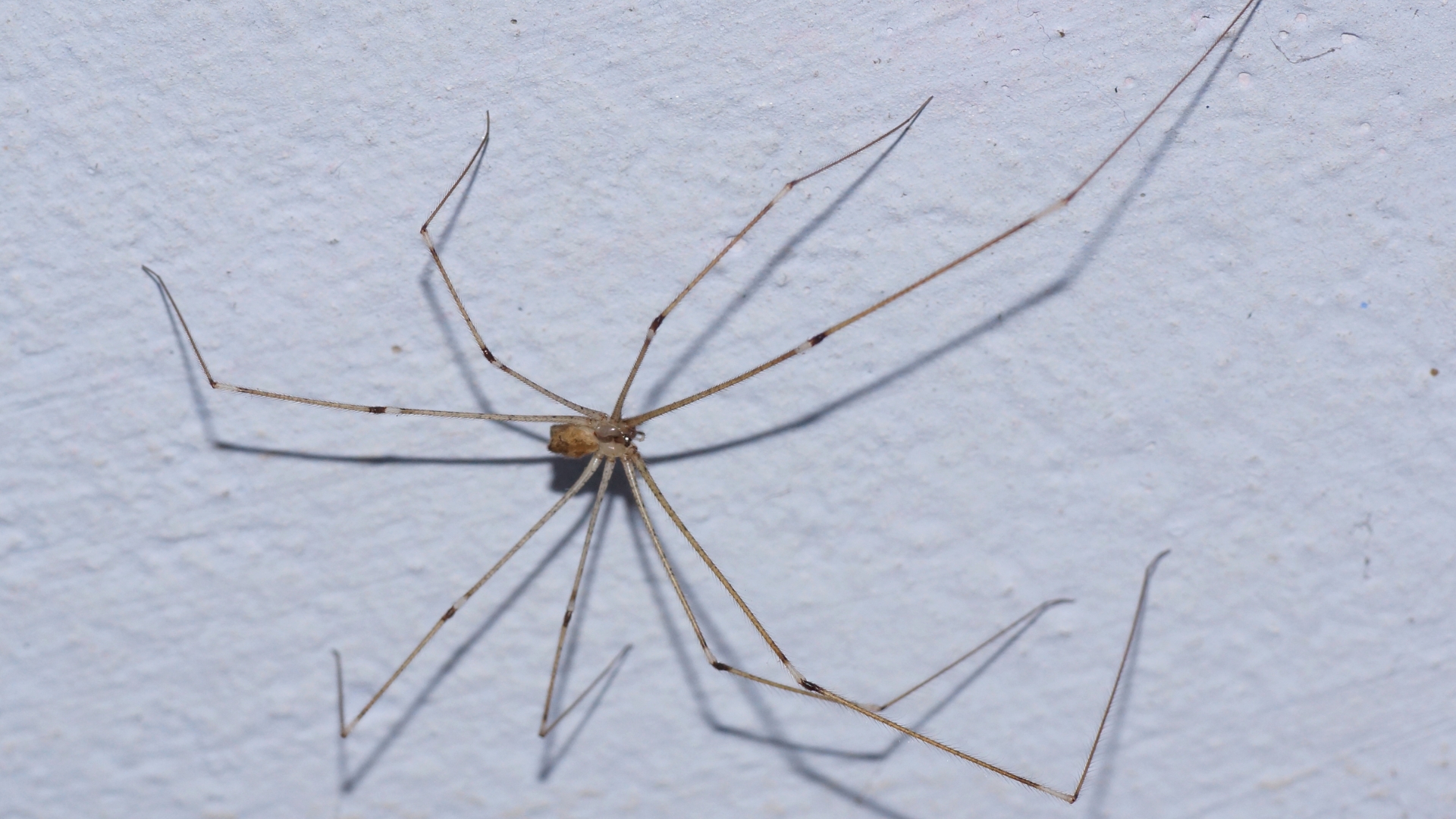
The wispy, long-legged spider hanging upside down in a basement corner is a cellar spider, not the harmless harvestman people usually mean by “daddy long legs.” Cellar spiders have real venom, but it’s too weak to bother a human. What it isn’t too weak for: taking down black widows, one of the few household spiders capable of the job.
Cellar Spiders Trick Other Spiders Into Becoming Dinner
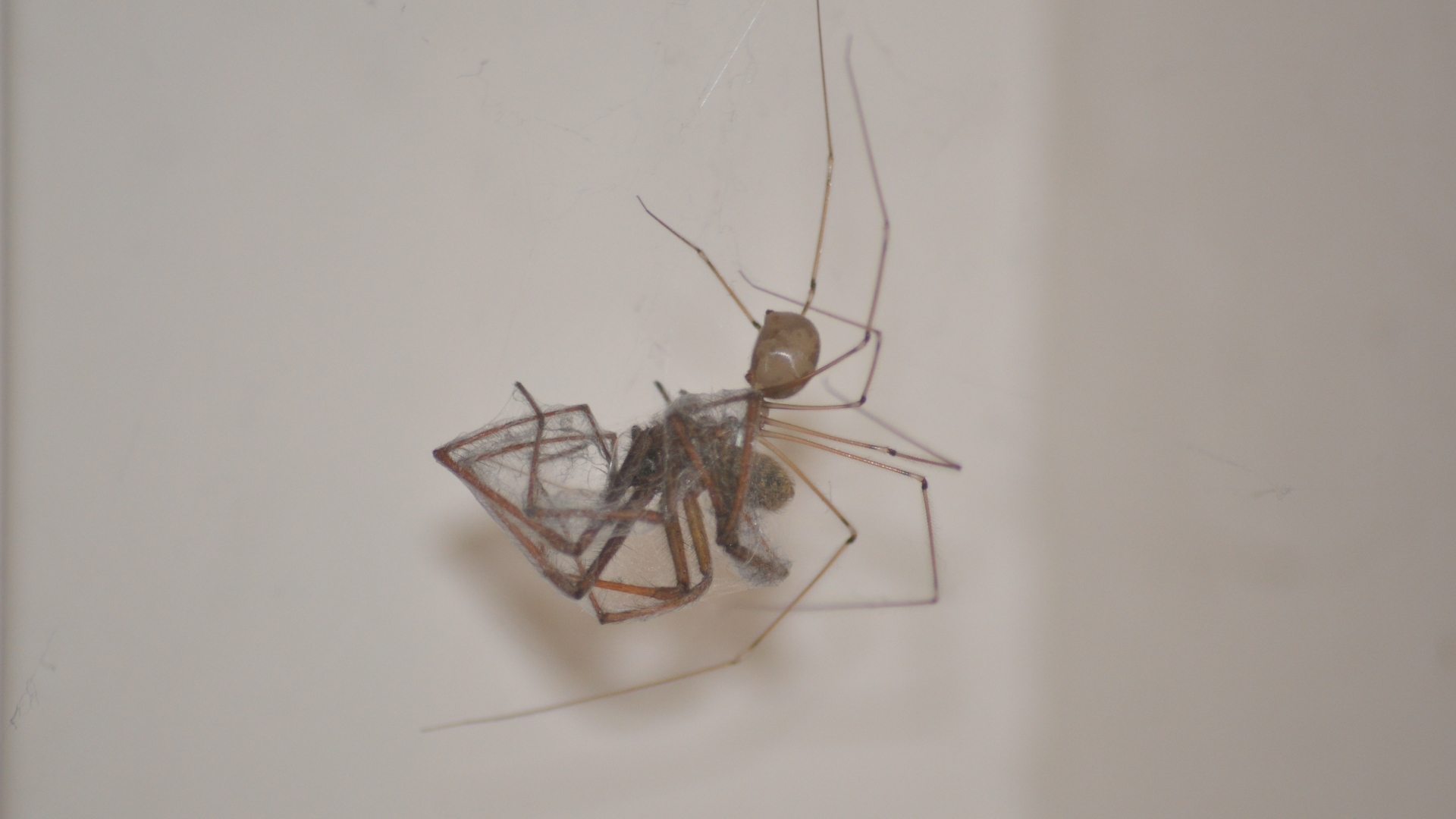
Cellar spiders don’t just wait for prey to wander in. Some species will invade another spider’s web, jiggle the silk to mimic a struggling insect, then strike when the resident spider comes to investigate. It’s a deceptive hunting method that puts genuinely dangerous species, redbacks and black widows among them, on the losing end. That trickery is exactly why pest-control sites list them as a natural ally against bites that actually matter.
Four Reasons to Rethink the Swat

House spiders, ladybugs, house centipedes, and cellar spiders all share one trait worth remembering: none of them are after you. Every one of them is after something worse: roaches, aphids, bedbugs, or black widows, and they do the work around the clock without chemicals or cost. The next time one of them turns up indoors, the smarter move is to let it stay on the job.