Natural Gas Prices Could Surge Another 50% to 100%, Goldman Sachs Warns
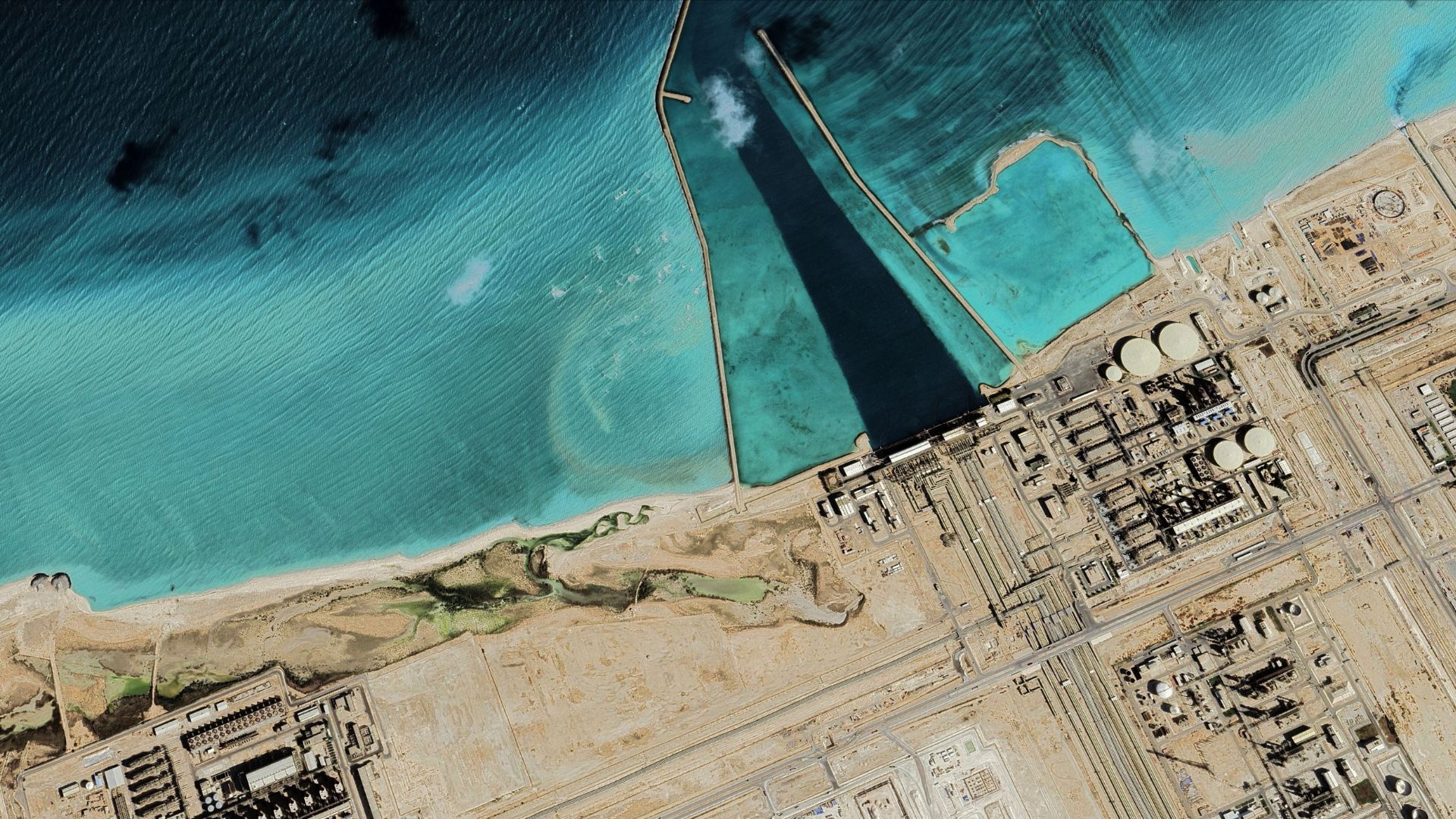

Goldman Sachs is warning that natural gas prices, which have already climbed between 50% and 80%, could rise another 50% to 100% from current levels. The concern centers on Qatar, which supplies roughly one-fifth of the world’s liquefied natural gas, and on damage to its production infrastructure that the bank says could take years to address.
Iran’s retaliatory missile strikes hit Qatar’s LNG facilities alongside Saudi and Kuwaiti refineries and UAE gas infrastructure. QatarEnergy’s Ras Laffan Industrial City, the world’s largest LNG production site, was knocked offline as a result. Shell confirmed all staff at its Ras Laffan facilities were safe following the March 18 attack, and a fire at the Pearl gas-to-liquids facility was quickly contained, though LNG production remained shut down.
Samantha Dart, co-head of global commodities research at Goldman Sachs, addressed the damage on the bank’s “Exchanges” podcast. QatarEnergy has indicated that fully restoring capacity could take three to five years, and Dart said the situation is more difficult than that timeline suggests. The affected infrastructure, she explained, cannot simply be repaired and would need to be reconstructed entirely.
Why the Timing Makes This Harder to Absorb
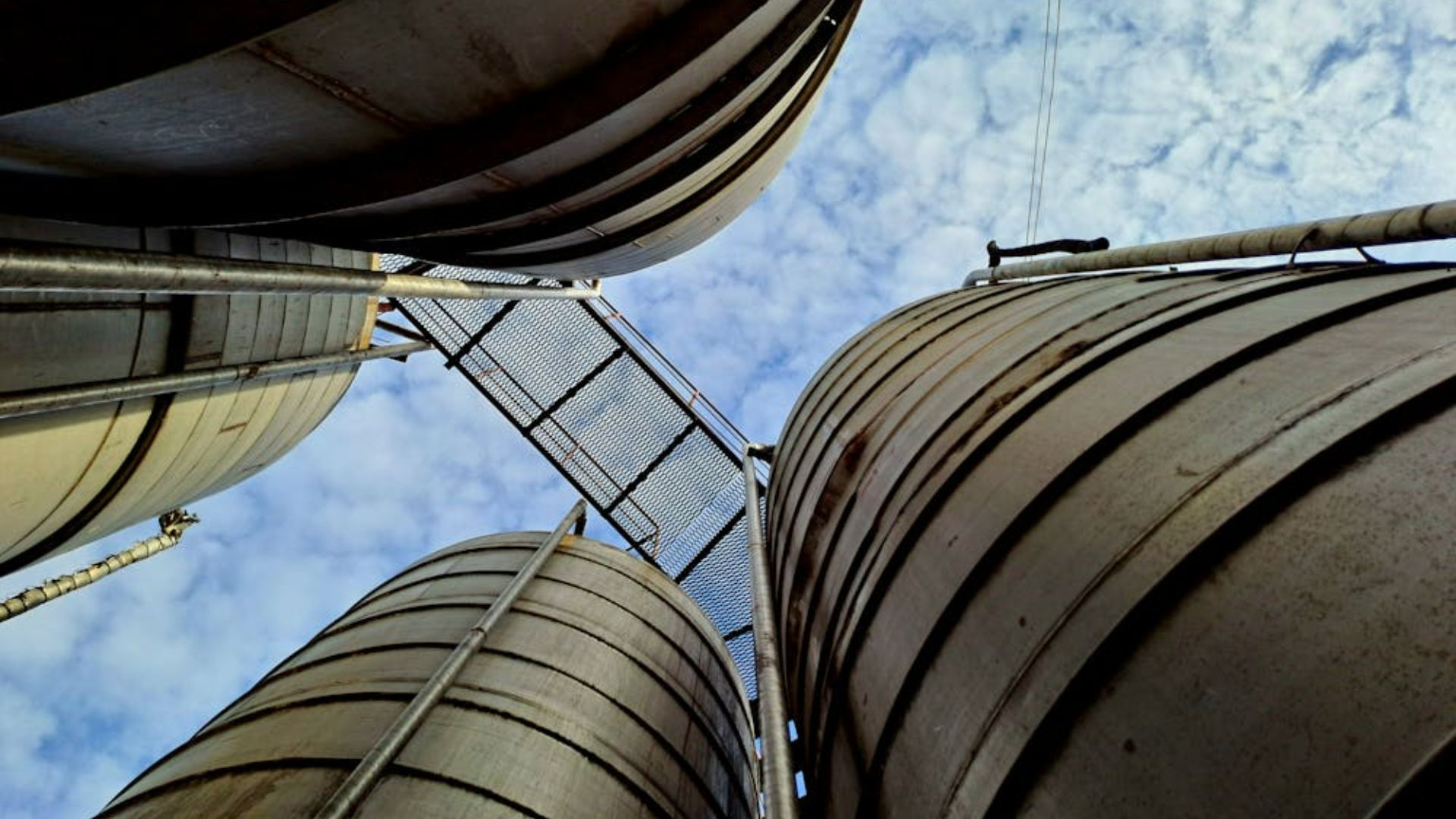
The two liquefaction trains at Ras Laffan damaged in the attack would need to be rebuilt from scratch rather than repaired, Dart said, which means the supply gap is not a short-term disruption. That matters because natural gas markets operate on a seasonal cycle. Countries typically use the April to October period to build inventories ahead of peak winter demand, and Dart noted that the current shortfall needs to be fully offset before the end of October.
Higher prices have encouraged some switching toward alternatives like coal, but Dart said that shift has been limited and has not been enough to rebalance the market on its own. The adjustment burden has fallen primarily on prices, which is how demand rationing functions when supply cannot be quickly restored. The less supply there is, the more aggressively prices would need to rise.
One factor that has kept prices from climbing even further is China. After a mild winter left the country with surplus gas, Beijing redirected those supplies into global markets, providing near-term relief, particularly for European buyers. That has softened the immediate impact, but Dart noted it is a temporary condition. Once that surplus is absorbed, the underlying supply constraints become the dominant market force.
A Supply Chain Problem, Not Just a Supply Problem

Menelaos Ydreos, secretary general of the International Gas Union, which represents more than 90% of the world’s gas market, drew a distinction that helps explain why the disruption hit as hard as it did. What occurred, he said, was a supply chain crisis rather than a supply shortage. Global gas volumes remained adequate in aggregate, but LNG depends on specialized ships, functioning infrastructure, and reliable transit routes.
The Strait of Hormuz, which normally carries about one-fifth of global LNG supplies, was closed to most ships during the height of the conflict, severing a critical link between producers and buyers. When transit routes are disrupted, cargoes flow toward buyers who can pay more, leaving lower-income importers exposed. Dart said the United States, the world’s largest LNG exporter, had no spare capacity to quickly fill the gap.
Ydreos noted that less wealthy countries in Asia have faced two major LNG price crises within four years, the first following Russia’s invasion of Ukraine. Each episode has exposed how quickly affordability becomes a barrier when prices spike. The repeated disruptions are prompting buyers to reconsider LNG as a transition fuel. A Vietnamese company recently moved away from plans to build the country’s largest LNG-fired power plant in favor of a renewable energy project.
Goldman Sees Prices Climbing Further if the Disruption Drags On
Qatar’s standing as a supplier has also been affected by the conflict. For more than three decades, QatarEnergy had built a record of reliable, on-time cargo delivery that Ydreos described as second to none. That record is now under scrutiny, and the reputational impact has extended beyond LNG to oil, petrochemicals, and fertilizers, drawing wider attention to the concentration of energy production across the Gulf region.
A two-week ceasefire between the U.S. and Iran was announced around the time Dart recorded her podcast remarks, and it has eased some near-term fears. But a ceasefire does not accelerate repairs at Ras Laffan. Diplomatic de-escalation and physical recovery operate on separate timelines, and it is the physical timeline that markets are still waiting on.
Goldman sees two outcomes from here. A swift resolution could allow prices to ease as supply chains begin recovering. If the disruption continues, the bank projects gas prices could climb an additional 50% to 100% from current levels, requiring far more aggressive demand rationing than markets have seen so far. How quickly Qatar’s infrastructure can be rebuilt will largely determine which of those paths plays out.