NASA’s Mars Rover Just Made a Discovery That’s Turning Heads
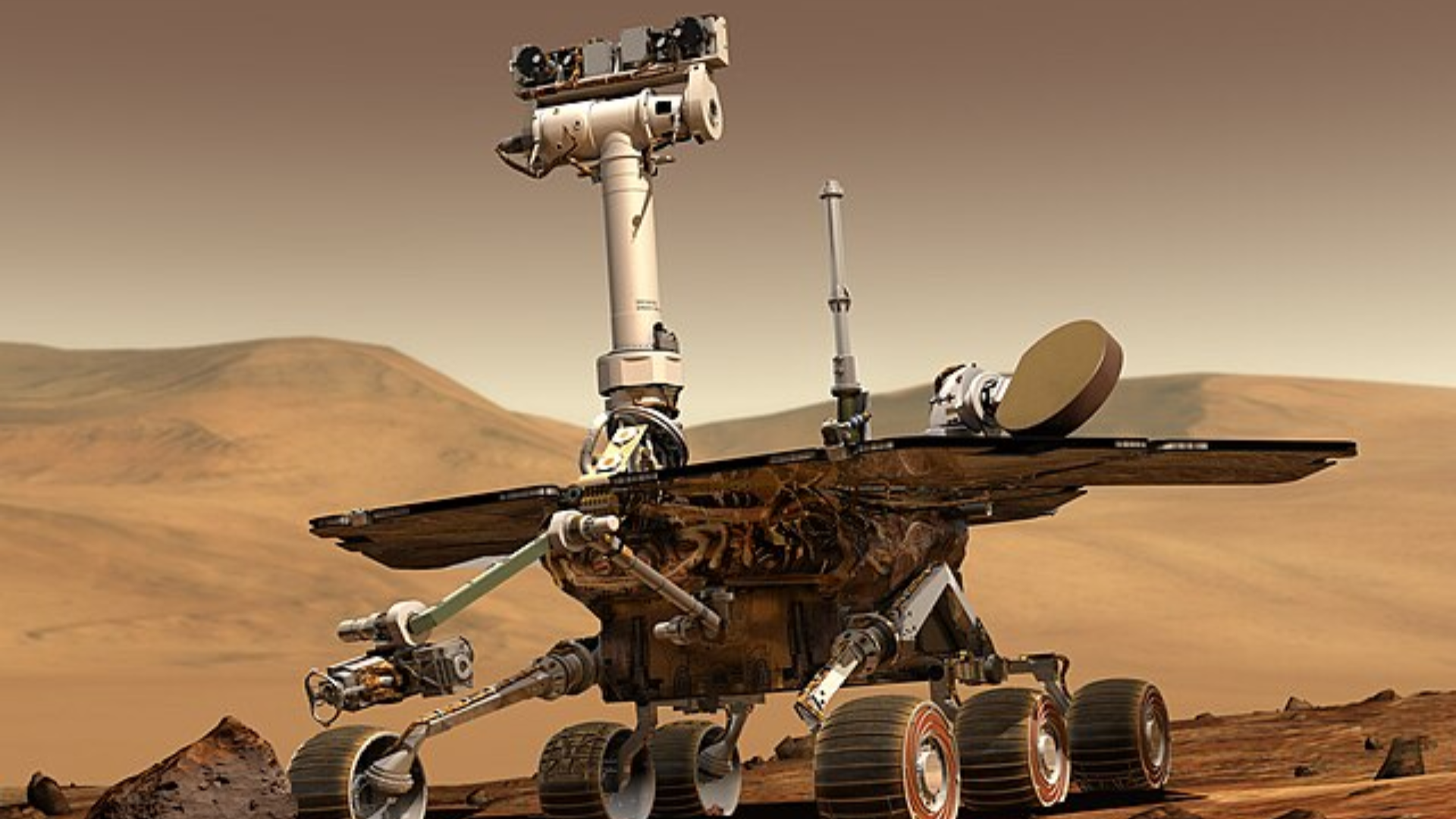

NASA’s Perseverance rover has made what many scientists are calling one of the most intriguing discoveries of the Mars exploration era, uncovering rocks and chemical signatures that suggest the Red Planet may once have hosted environments suitable for ancient microbial life, a finding that raises exciting questions about whether Mars could have supported life billions of years ago and pushes forward humanity’s quest to understand our planetary neighbor.
The key to this potential breakthrough was an unusual rock nicknamed Cheyava Falls, discovered in Jezero Crater during Perseverance’s long-term mission to study ancient lakebeds and river channels on Mars, because it contains organic carbon and mineral features that on Earth are associated with microbial processes, though scientists caution that nonbiological chemistry could also produce similar signatures.
While NASA stresses that definitive proof of past life has not yet been found, these results represent some of the strongest clues yet that Mars once had conditions favorable to life, and they make the upcoming sample-return missions, designed to bring rock cores back to Earth for in-depth analysis, even more eagerly anticipated by researchers worldwide.
What the Rover’s Instruments Are Revealing

Perseverance carries sophisticated instruments like SHERLOC (Scanning Habitable Environments with Raman & Luminescence for Organics and Chemicals) that detect organic molecules and subtle mineral variations within rocks, and it was through these tools that scientists identified organic carbon compounds and patterns enriched with iron phosphate and sulfide minerals in the Cheyava Falls rock, patterns that are consistent with processes on Earth linked to microbial activity.
The rover also documented ancient river channels and sediments in Jezero Crater that appear to have formed in the presence of long-lasting water, reinforcing the idea that environments capable of supporting life once existed on Mars, a detail that was already suggested by other missions like Curiosity’s discoveries of organic compounds in Gale Crater.
However, scientists emphasize that while these chemical signatures are compelling, they are not yet proof of ancient life because geological processes can also create similar organic and mineral patterns, and only returning samples to Earth and studying them with advanced laboratory techniques will allow researchers to distinguish between biological and nonbiological origins with confidence.
Why This Discovery Matters for Mars Exploration
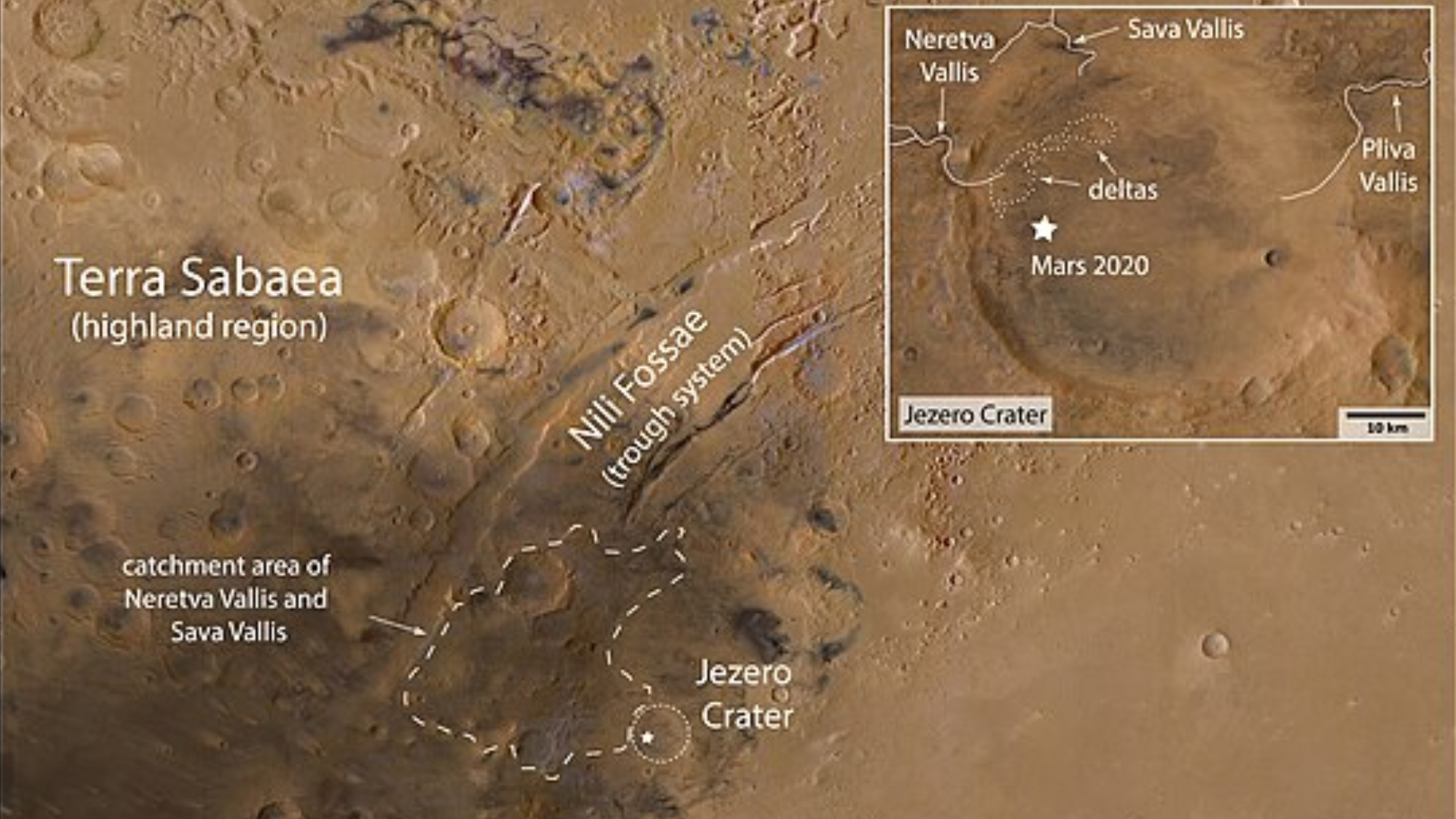
The Jezero Crater site was chosen as Perseverance’s landing region precisely because it contains features indicative of ancient lake activity and river deltas, environments that on Earth are prime habitats for microbial life, and finding organic-rich rocks there supports the hypothesis that Mars had habitable conditions early in its history.
These findings are monumental because they move the search for extraterrestrial life from abstract speculation to a concrete, testable scientific mission, setting the stage for the Mars Sample Return campaign, a collaborative effort between NASA and the European Space Agency that aims to bring Martian rock cores back to Earth for the first time so lab scientists can investigate them using instruments far more powerful than those on the rover itself.
If future analyses confirm that the organic compounds and mineral associations in these rocks are biological in origin, it would fundamentally reshape our understanding of life in the universe by providing the first direct evidence that life once existed beyond Earth, a paradigm-shifting discovery that would have implications for biology, planetary science and the search for life on other worlds.
What Comes Next in the Search for Life on Mars
In the coming years, Perseverance will continue to explore Jezero Crater, drilling and caching more samples from diverse rock types, with mission planners prioritizing locations that may best preserve ancient environments and potential biosignatures for return to Earth through future spacecraft.
Scientists also plan to integrate these new findings with data from other Mars missions, including orbiters that map water-related minerals and atmospheric history, to build a more complete picture of Mars’s environmental evolution and its capacity to support life long ago.
Ultimately, while the discovery does not yet confirm ancient Martian life, it represents a major milestone in astrobiology and planetary science, inspiring researchers and the public alike to follow the next phases of exploration that could finally answer a question humanity has asked for generations: whether we are alone in the universe.