NASA Warns The Earth is Getting Darker



The Earth is gradually reflecting less sunlight back into space, and new scientific findings confirm that this trend is measurable and concerning. Researchers analyzing decades of satellite observations warn that this change could have significant consequences for global climate stability. Understanding why the planet is getting darker is essential to grasping how it might affect ecosystems, weather patterns, and future warming.
A Clear Decline in Reflection

Over the past 20 years, the amount of sunlight bounced back into space has steadily decreased, particularly in the Northern Hemisphere. NASA data collected from long-term satellite missions confirms that this drop in reflection is not a minor fluctuation but a consistent and measurable trend.
The Research Behind the Findings
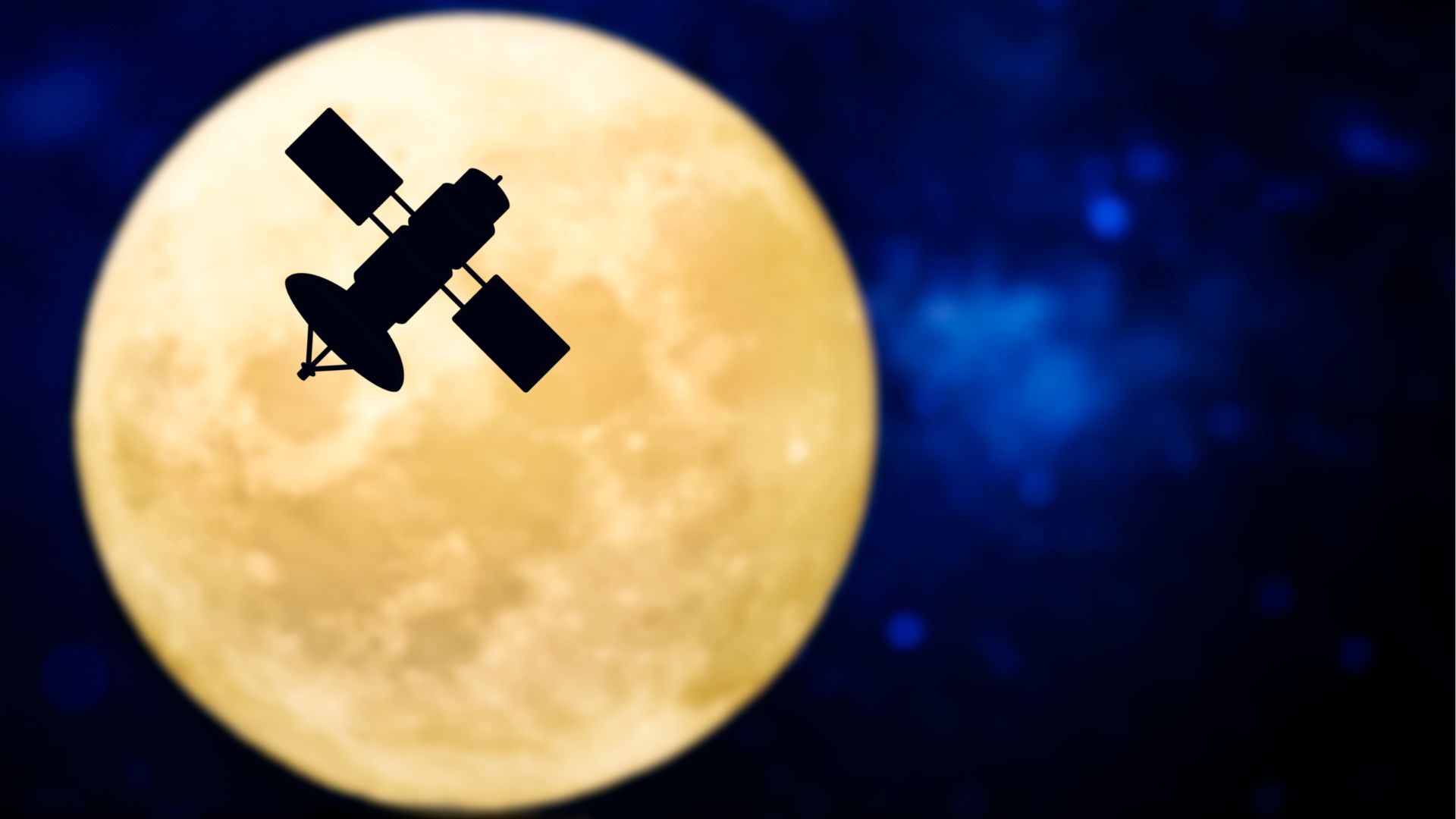
The study was led by Dr. Norman G. Loeb from NASA’s Langley Research Center. His team examined 24 years of detailed satellite data, including solar radiation levels, Earth’s albedo (its reflectivity), and the planet’s overall energy balance. This meticulous approach allows scientists to assess how much solar energy the Earth retains versus how much it reflects.
Numbers That Tell the Story
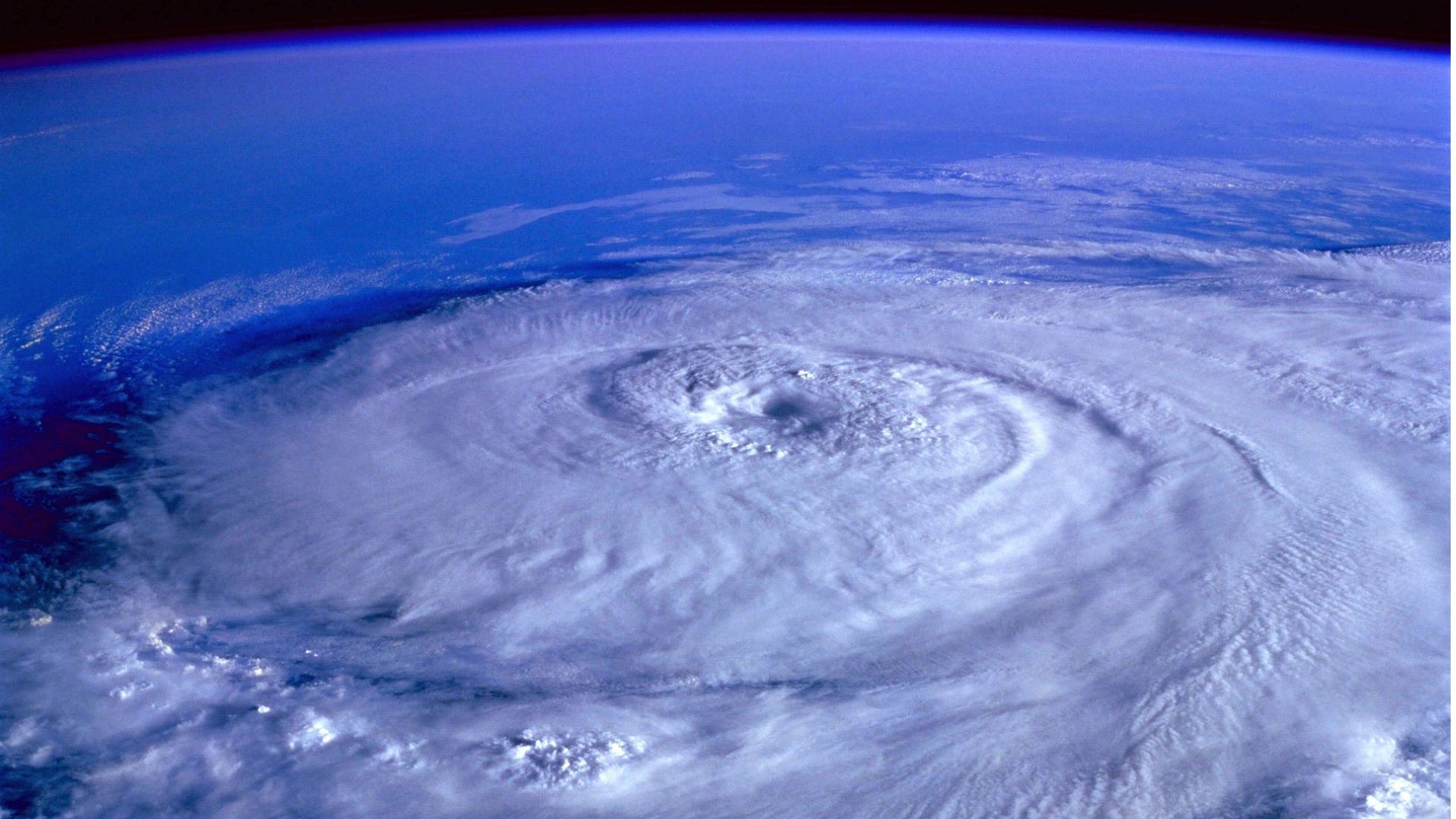
Since 2001, both hemispheres have become darker, absorbing more solar energy. The increase in radiation absorption equals about 0.83 watts per square meter per decade. While currents and winds offset part of this excess, the planet still retains an additional 0.21 watts per square meter each decade, a value that may seem small but has large-scale climatic implications.
Why the Earth is Darkening
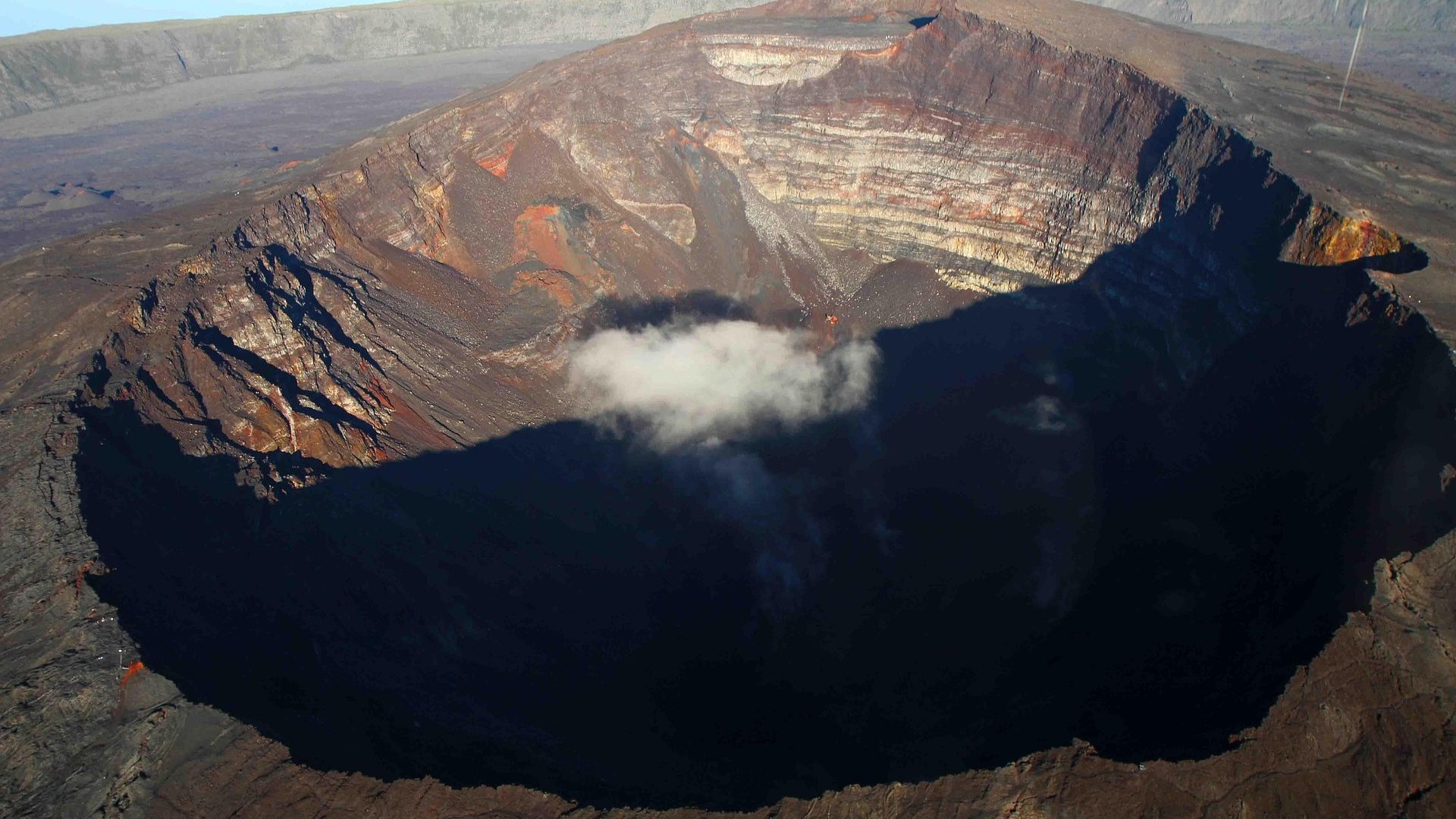
Several drivers contribute to the decline in reflectivity. In the Arctic, melting ice and snow expose darker land and ocean surfaces that absorb more energy. In industrialized regions, improved air quality has led to fewer aerosols in the atmosphere, reducing cloud cover and thereby lowering reflection. Meanwhile, temporary boosts in reflectivity from events like wildfires or volcanic eruptions in the Southern Hemisphere are not strong enough to counter the overall trend.
The Balance is Breaking
For decades, scientists assumed that natural mechanisms such as ocean currents and cloud formation could balance out disparities between hemispheres. However, the new data suggests that these systems are no longer as effective in maintaining equilibrium. The Northern Hemisphere, in particular, is storing more energy than before, signaling a disruption in the planet’s energy balance.
Climate Consequences Ahead
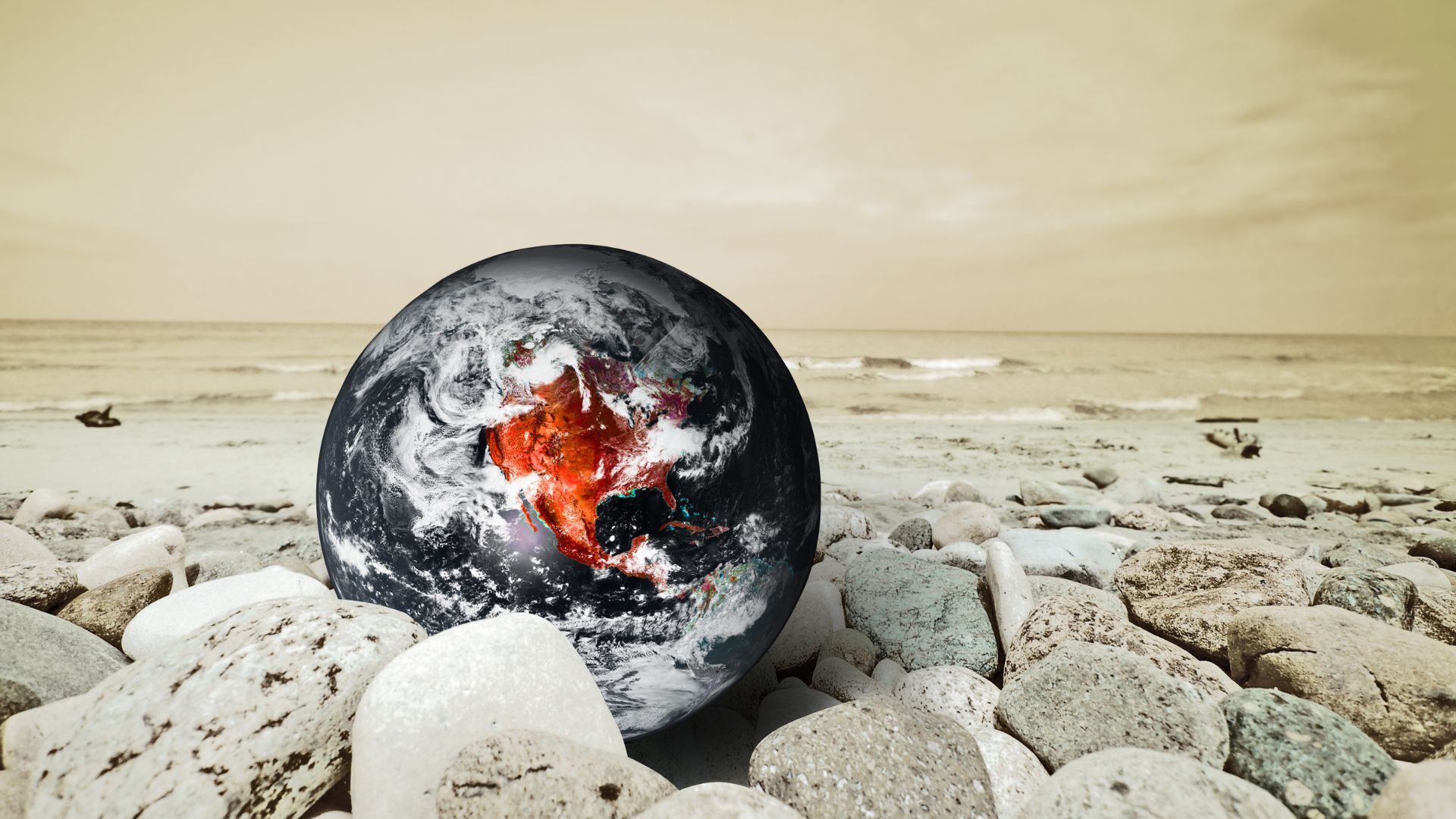
This extra stored energy has direct consequences for global climates. Europe and North America, for example, could face accelerated warming as their regions absorb more sunlight. Such changes can intensify heatwaves, disrupt weather patterns, and add stress to ecosystems that are already under pressure from human activity.
Updating Climate Models

One of the key takeaways of the study is the need to integrate these changes into climate models. If reflectivity continues to decline, projections for global warming and climate impacts may need to be adjusted upward. Whether Earth’s natural systems can eventually restore balance or whether the shift will persist remains uncertain.
A Critical Question for the Future
The fact that our planet is growing darker may sound abstract, but it is a real and measurable phenomenon with long-term consequences. As scientists continue to track these changes, one question becomes more pressing: Can Earth’s climate system adapt and recover, or are we entering a period of lasting imbalance? The answer will help determine how societies prepare for the challenges of a warming world.