NASA Scraps $20B Space Station to Go ‘All-In’ on Permanent Moon Base to Beat China


NASA is making one of its biggest strategic changes in decades, redirecting billions of dollars toward building a permanent base on the Moon. Instead of continuing with its planned lunar space station, the agency is now focusing on establishing a long-term human presence on the lunar surface. The move signals a clear shift in priorities, as space exploration becomes increasingly tied to global competition, especially with China rapidly advancing its own lunar ambitions.
The Decision to Pause the Gateway Project
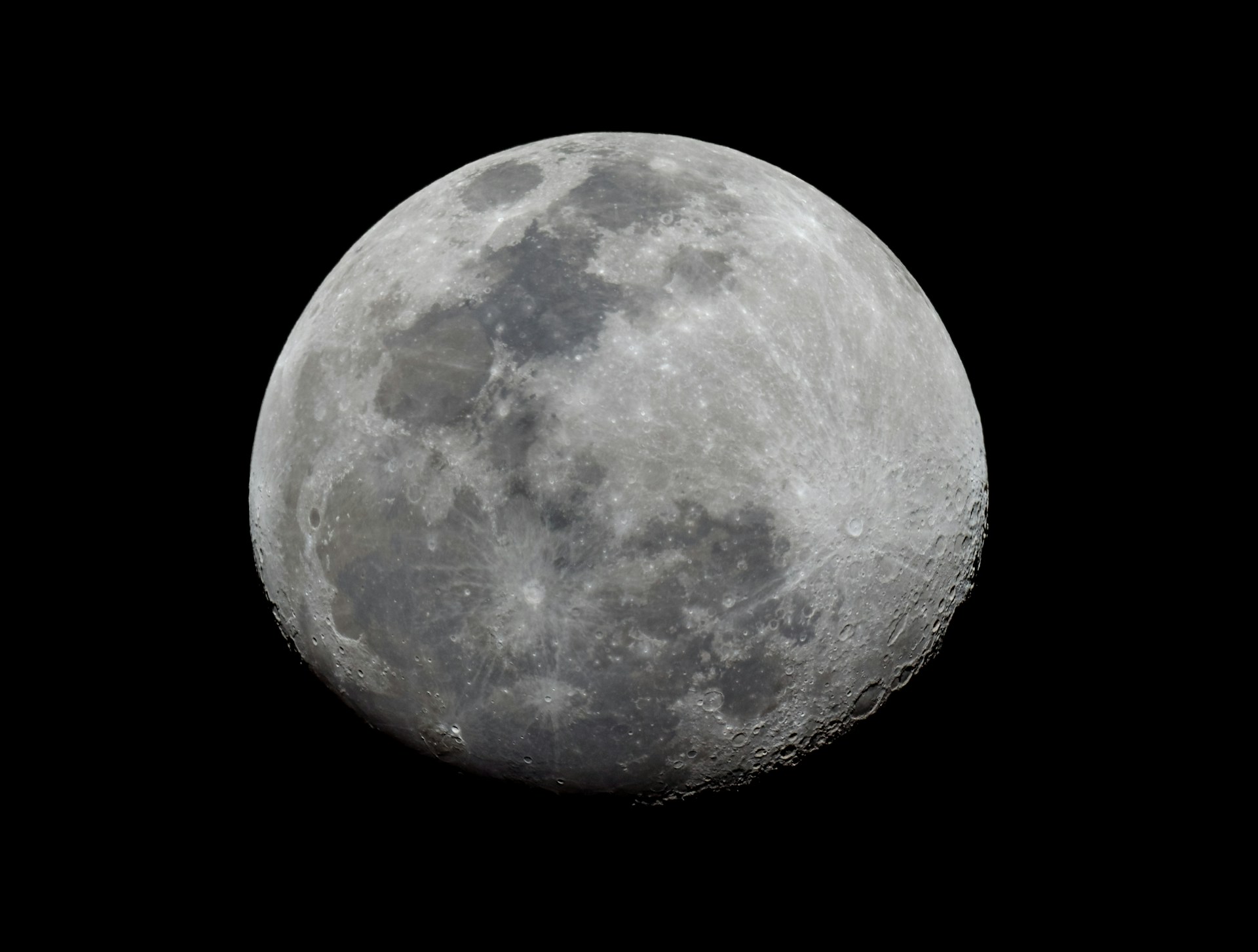
At the center of this shift is NASA’s decision to pause development of the Gateway, a planned space station that would orbit the Moon. Originally designed as a staging point for astronauts and research, the project is now being set aside in favor of more direct surface operations. NASA leadership said the agency will redirect resources toward infrastructure that supports sustained activity on the Moon itself, rather than in orbit.
A $20 Billion Investment in the Moon

Instead of the Gateway, NASA plans to invest about $20 billion over the next seven years to build a lunar base. This base will be located near the Moon’s south pole, an area of high interest due to the presence of water ice and long periods of sunlight. The goal is not just to visit the Moon again, but to stay there, with regular missions and eventually continuous human presence.
From Short Visits to Long-Term Living
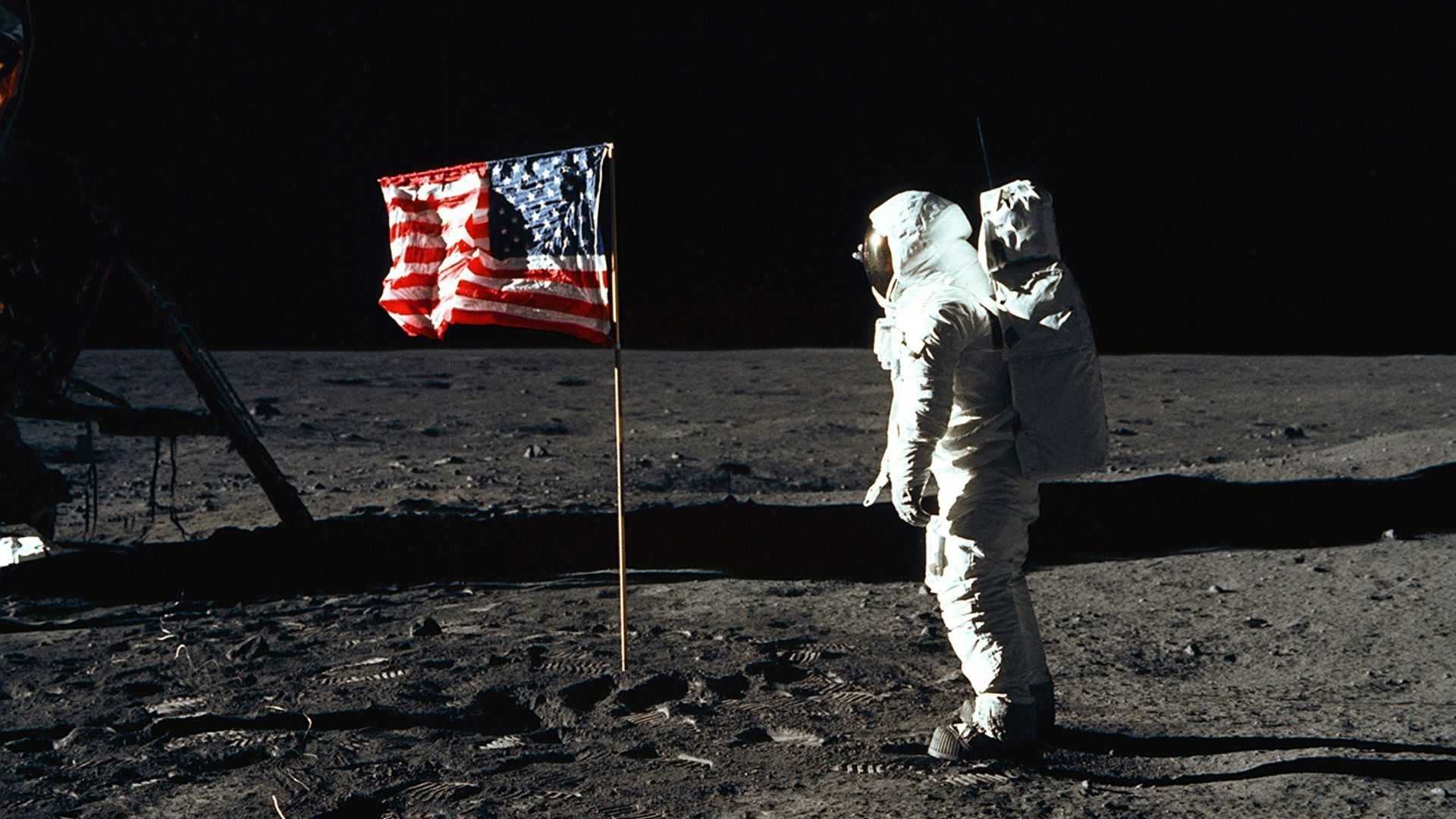
This new plan marks a major change in how NASA approaches space exploration. In the past, missions focused on brief visits, like the Apollo landings. Now, the agency is aiming for something more permanent. Officials say the new approach is designed to support ongoing research, resource development, and preparation for future missions to Mars. The Moon is being positioned as a testing ground for deeper space exploration.
How the Moon Base Will Be Built

The lunar base will not appear all at once. NASA has outlined a phased approach that unfolds over time. The first phase focuses on increasing the number of missions to test technologies and gather data. The second phase introduces habitats and infrastructure for astronauts. Finally, the third phase aims to establish a permanent presence with advanced systems that can support long-term human life on the Moon.
What Life on the Moon Could Look Like

Plans for the base include pressurized living spaces, rovers for transportation, and systems for power and communication. Nuclear and solar energy are expected to play key roles in keeping the base operational, especially during the long lunar nights. There are also plans for satellite networks, navigation systems, and construction equipment to help build and expand the site over time.
The Role of Private Companies

NASA is not working alone on this effort. Private companies like SpaceX and Blue Origin are developing lunar landers that will carry astronauts and cargo to the surface. These partnerships are essential, as the agency shifts toward a model that relies more on commercial providers. However, both companies have faced delays, adding pressure to meet NASA’s timeline for returning humans to the Moon.
A Race Against China
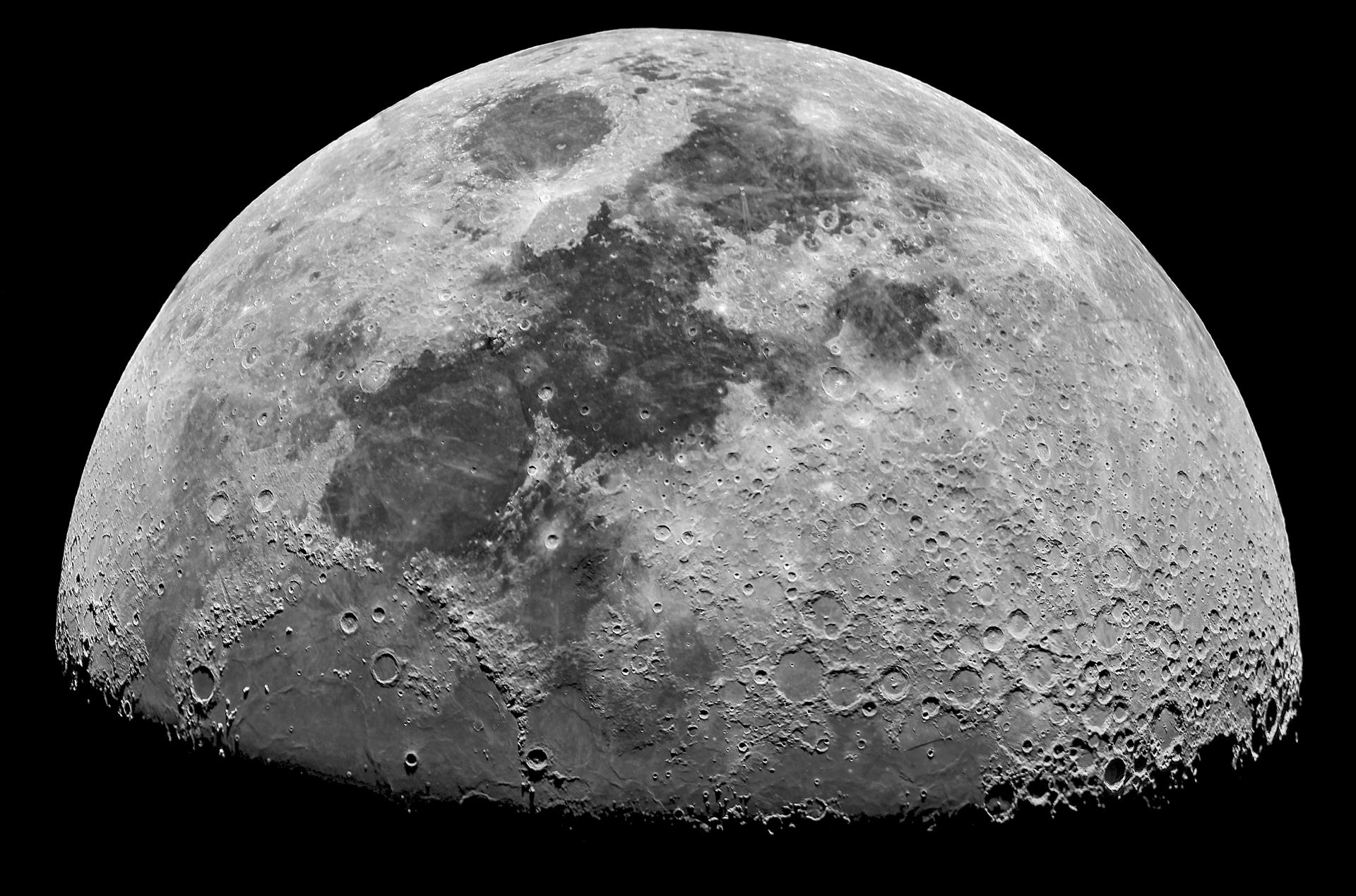
One of the biggest drivers behind this decision is growing competition with China. Chinese officials have already outlined plans to send astronauts to the Moon by around 2030. NASA leaders have made it clear that the United States wants to return to the lunar surface before that happens. This sense of urgency is shaping decisions across the Artemis program and influencing how quickly projects move forward.
What Happens to International Partners
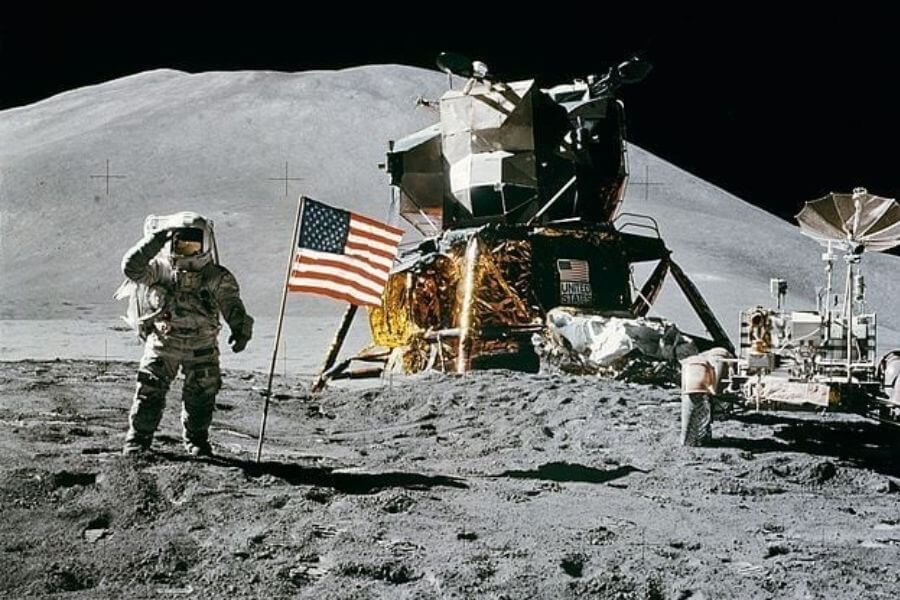
The shift away from the Gateway raises questions about international partnerships. Agencies like the European Space Agency, Japan, and Canada had committed to supporting the orbital station. Now, NASA says it will work to repurpose those contributions for the lunar base instead. Still, the change introduces uncertainty, as partners reassess how they fit into the revised plan.
A High-Stakes Bet on the Future of Space
In the end, NASA’s decision represents a high-stakes bet on the future of space exploration. By focusing on a permanent lunar presence, the agency is aiming to take a more direct path toward long-term goals, including missions to Mars. However, the shift also comes with risks, from technical challenges to geopolitical pressure. As the timeline tightens and competition grows, the success of this strategy could define the next era of human spaceflight.