NASA Rover Spots Mysterious Rock Structures Across the Martian Surface
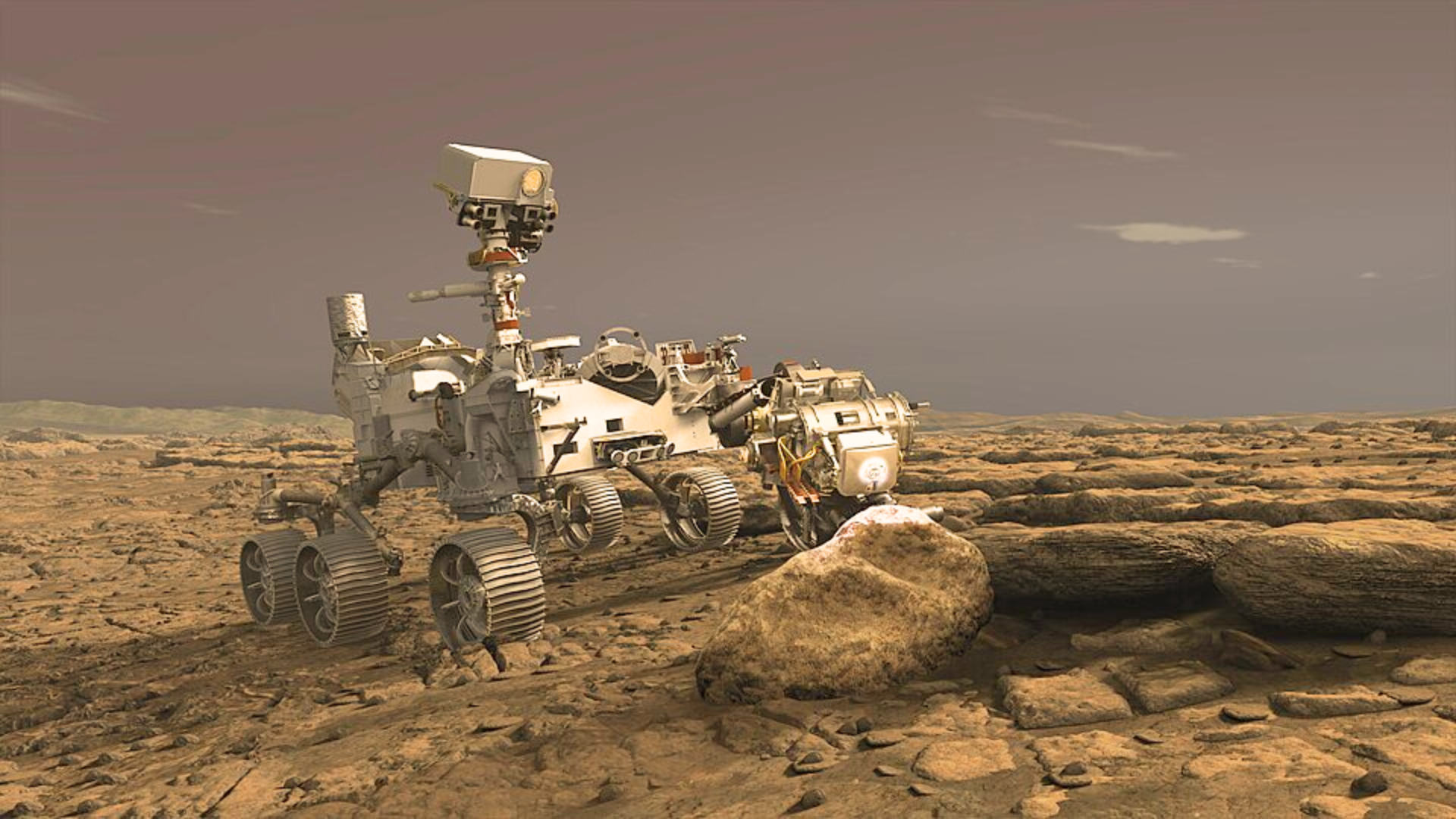

NASA scientists are investigating a collection of unusual rock structures discovered by the Perseverance rover on Mars. The formations, scattered across parts of Jezero Crater, stand out because of their distinctive shapes, textures, and arrangement compared with surrounding terrain. Researchers say the rocks could provide important clues about Mars’ ancient environment and geological history. While many questions remain unanswered, the discovery has generated significant excitement among planetary scientists searching for evidence of the planet’s past.
Perseverance Made the Discovery in Jezero Crater

The unusual structures were identified by NASA’s Perseverance rover as it continued its exploration of Jezero Crater, a region believed to have once contained a lake and river delta billions of years ago. Scientists selected Jezero as Perseverance’s landing site because it preserves some of the most promising geological evidence of ancient water activity on Mars. The crater’s sediments could contain valuable information about environmental conditions that existed when the planet was warmer and wetter. Every new discovery in the region helps researchers piece together Mars’ complex history.
The Rocks Appear Different From Surrounding Terrain
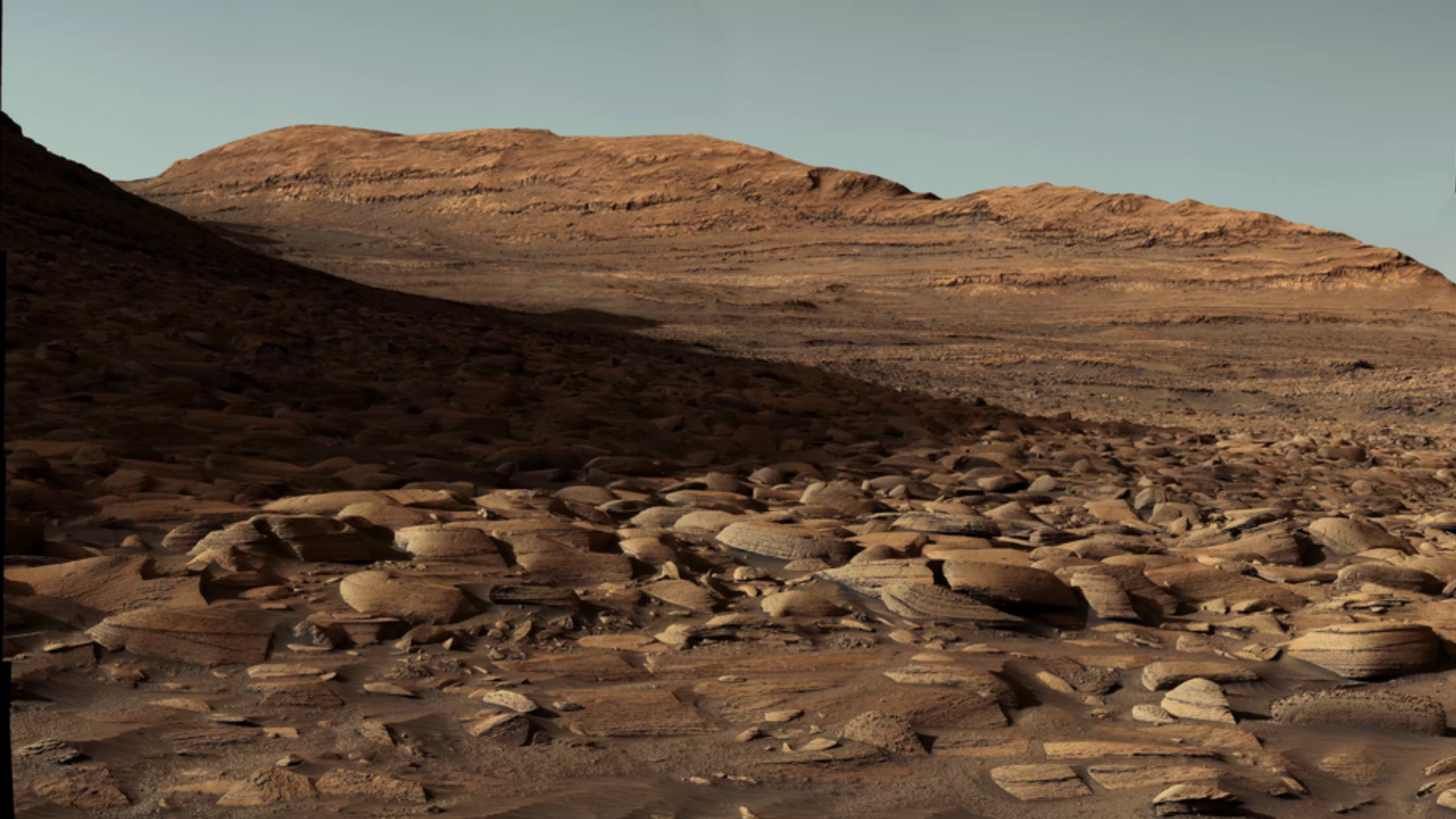
What caught scientists’ attention was how different these rocks appeared from nearby formations. Some displayed unusual textures and shapes that seemed out of place compared with the surrounding landscape. Researchers noted that the rocks appear to be scattered across the area rather than forming a continuous geological layer. This unusual distribution has prompted further investigation into where they originated and how they arrived at their current location.
Scientists Are Investigating How the Rocks Formed
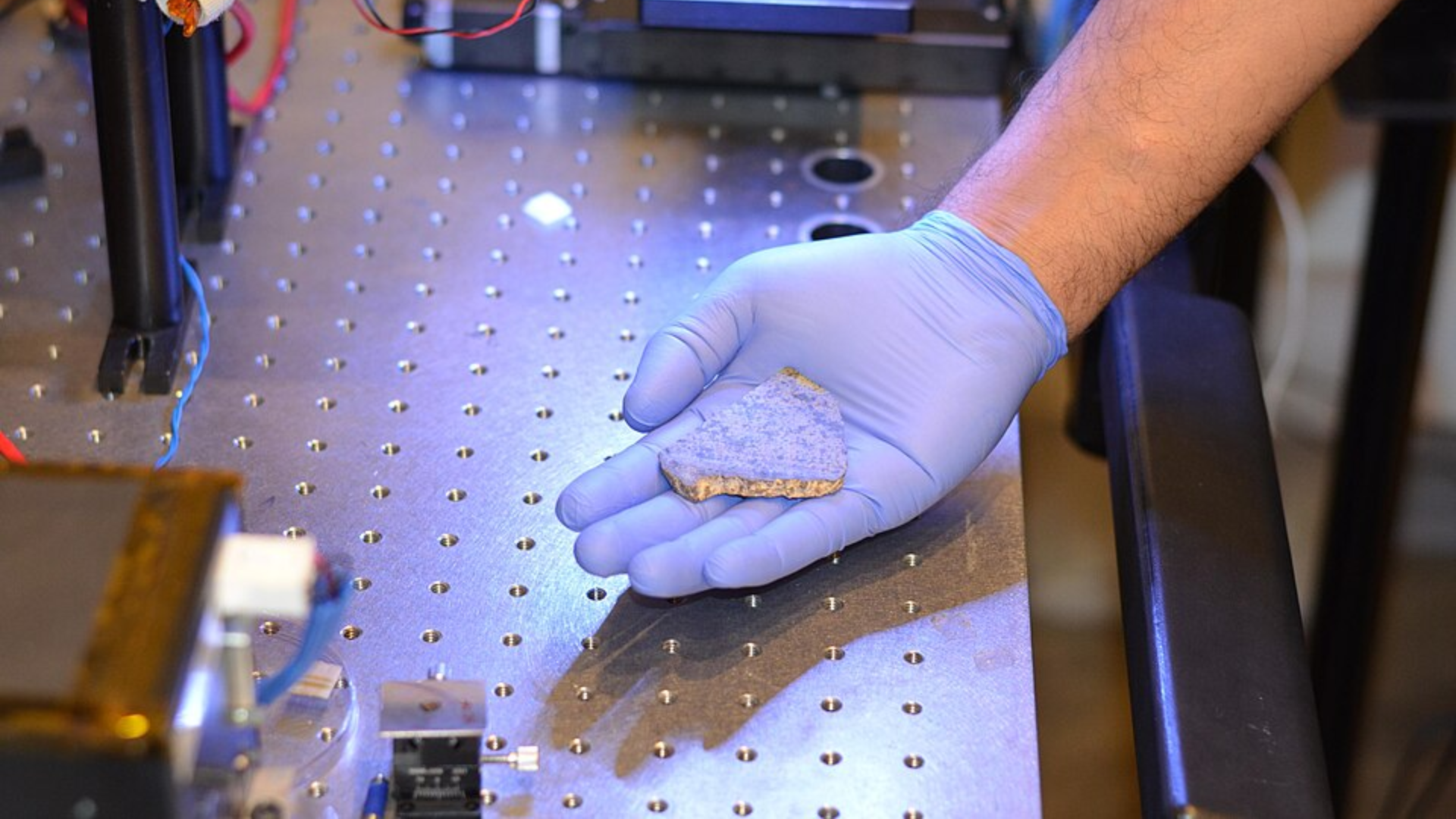
One of the biggest questions involves the rocks’ origin. Scientists are exploring several possibilities, including volcanic activity, impact events, erosion, or ancient water-related processes. Each scenario would reveal different aspects of Mars’ geological evolution. Determining how these formations developed could help researchers better understand the forces that shaped the planet over billions of years.
Ancient Water May Have Played a Role
Because Jezero Crater once hosted a large body of water, researchers are examining whether the mysterious rocks were influenced by ancient lakes, rivers, or sediment deposits. Water is known to leave distinctive geological signatures, and many of Perseverance’s discoveries have focused on identifying those traces. If the formations were shaped or transported by water, they could provide additional evidence about Mars’ past climate and habitability.
Impact Events Could Also Explain the Structures
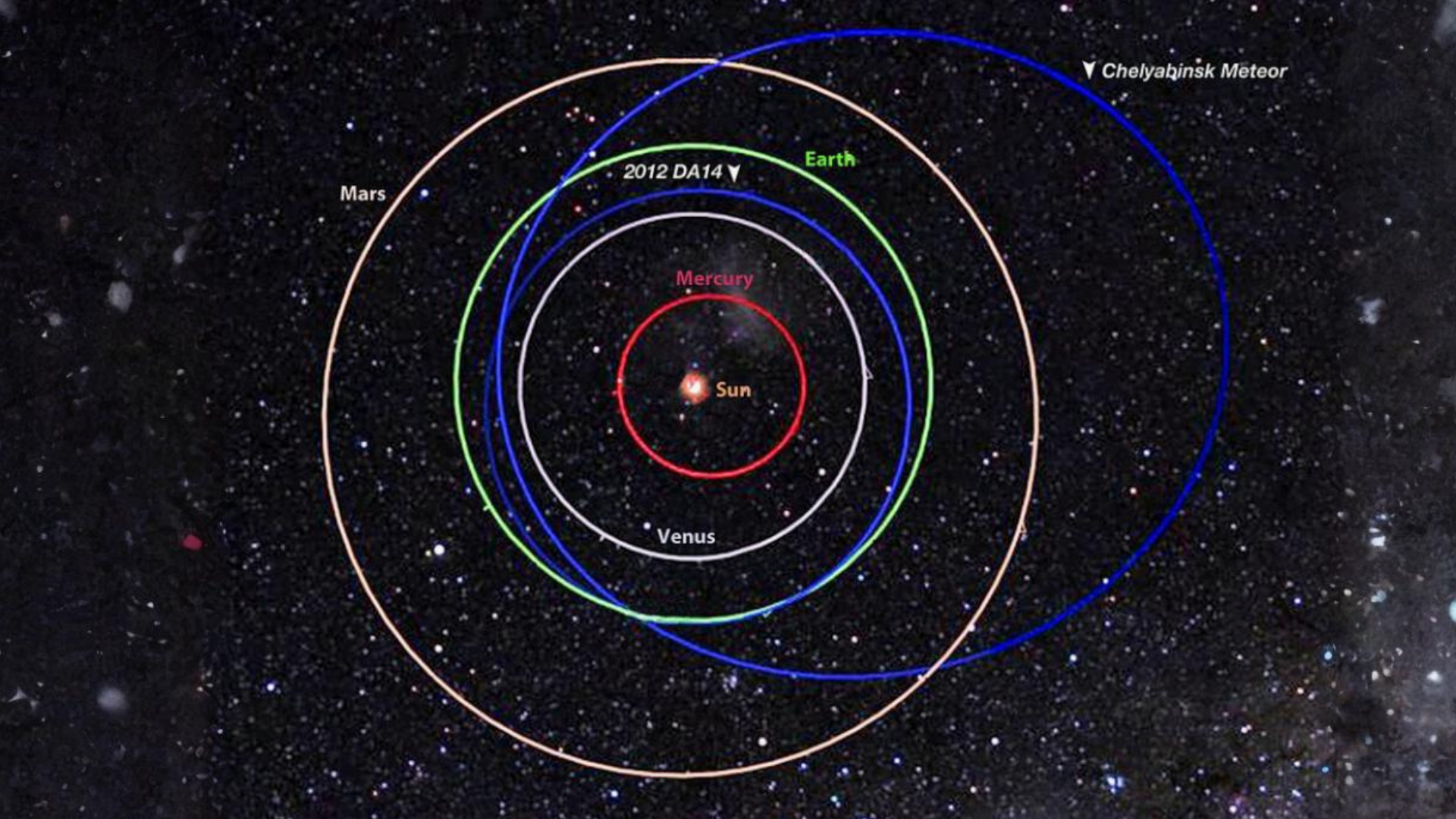
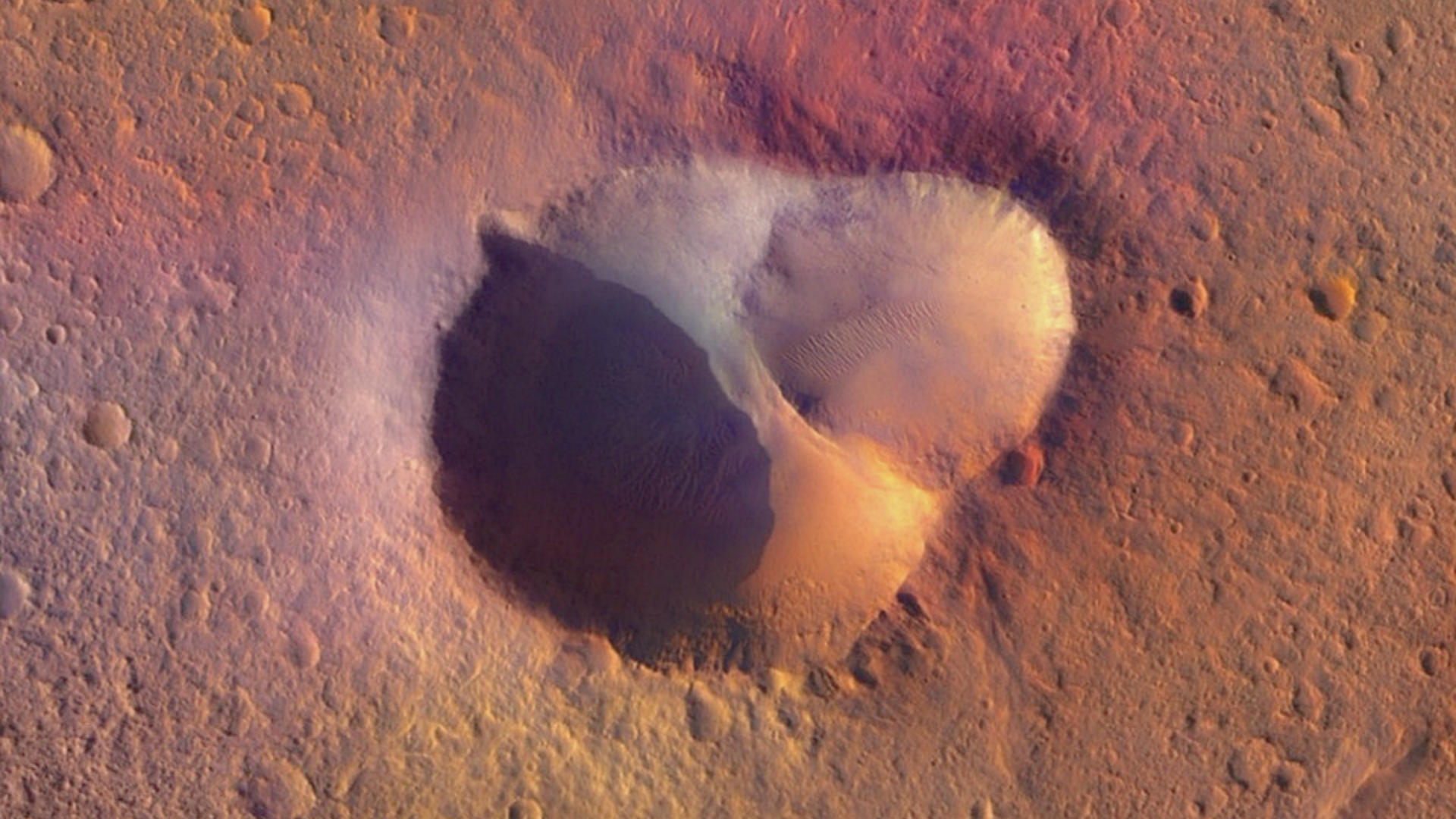
Another possibility is that meteor impacts played a role in creating or moving the unusual rocks. Mars has experienced countless impacts throughout its history, many of which dramatically altered the landscape. Powerful collisions can eject material over long distances, scattering rocks far from their original locations. Scientists are comparing the newly observed formations with known impact-related geological features to determine whether such events contributed to their appearance.
Advanced Instruments Are Providing New Clues
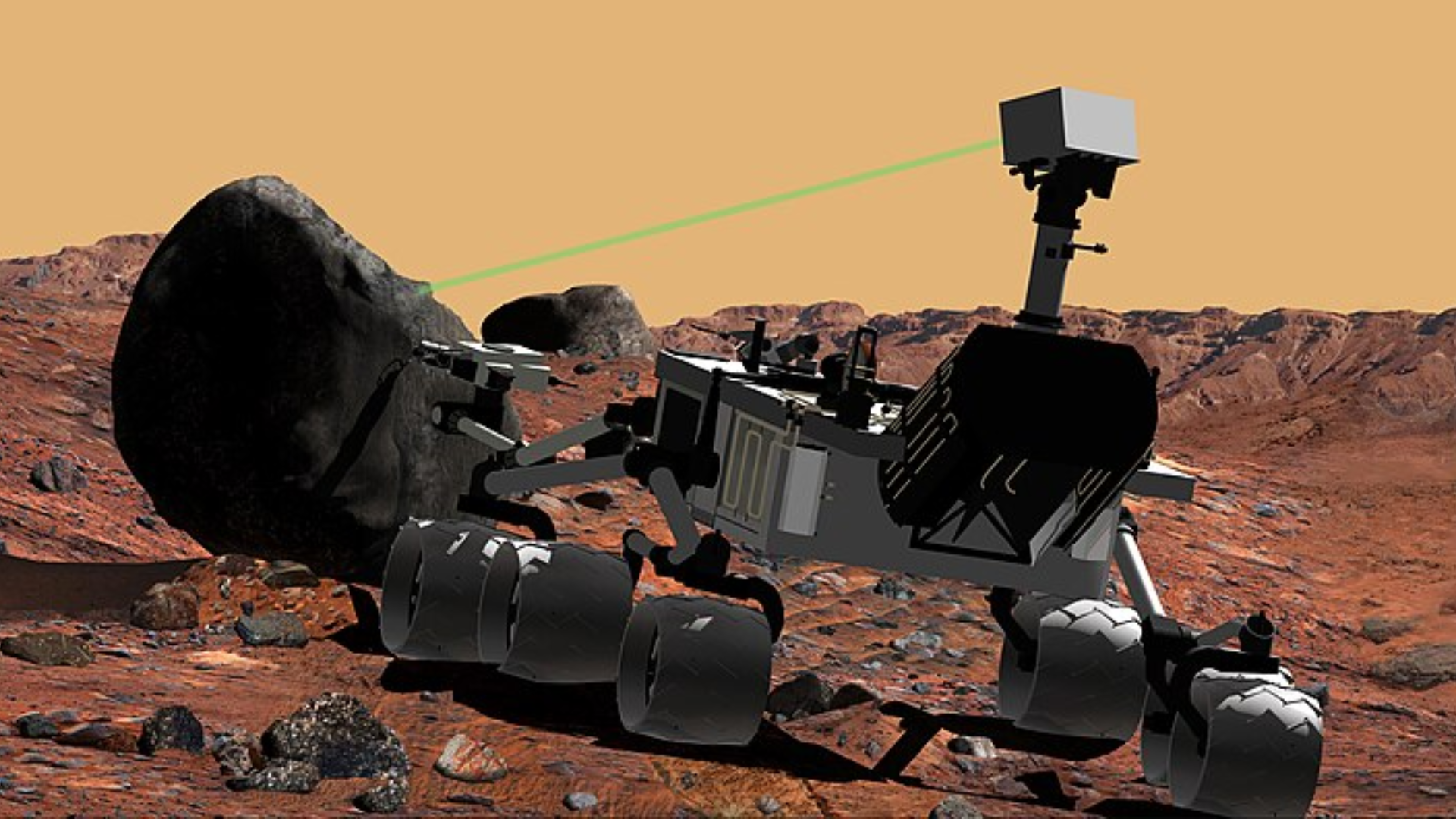
Perseverance is equipped with sophisticated instruments designed to examine the chemical and mineral composition of Martian rocks. These tools allow scientists to study materials in unprecedented detail without returning them to Earth. By analyzing the structures directly, researchers hope to determine what minerals they contain and whether they formed under unique environmental conditions. Such information could help explain why the rocks differ from surrounding terrain.
Sample Collection Remains a Major Goal
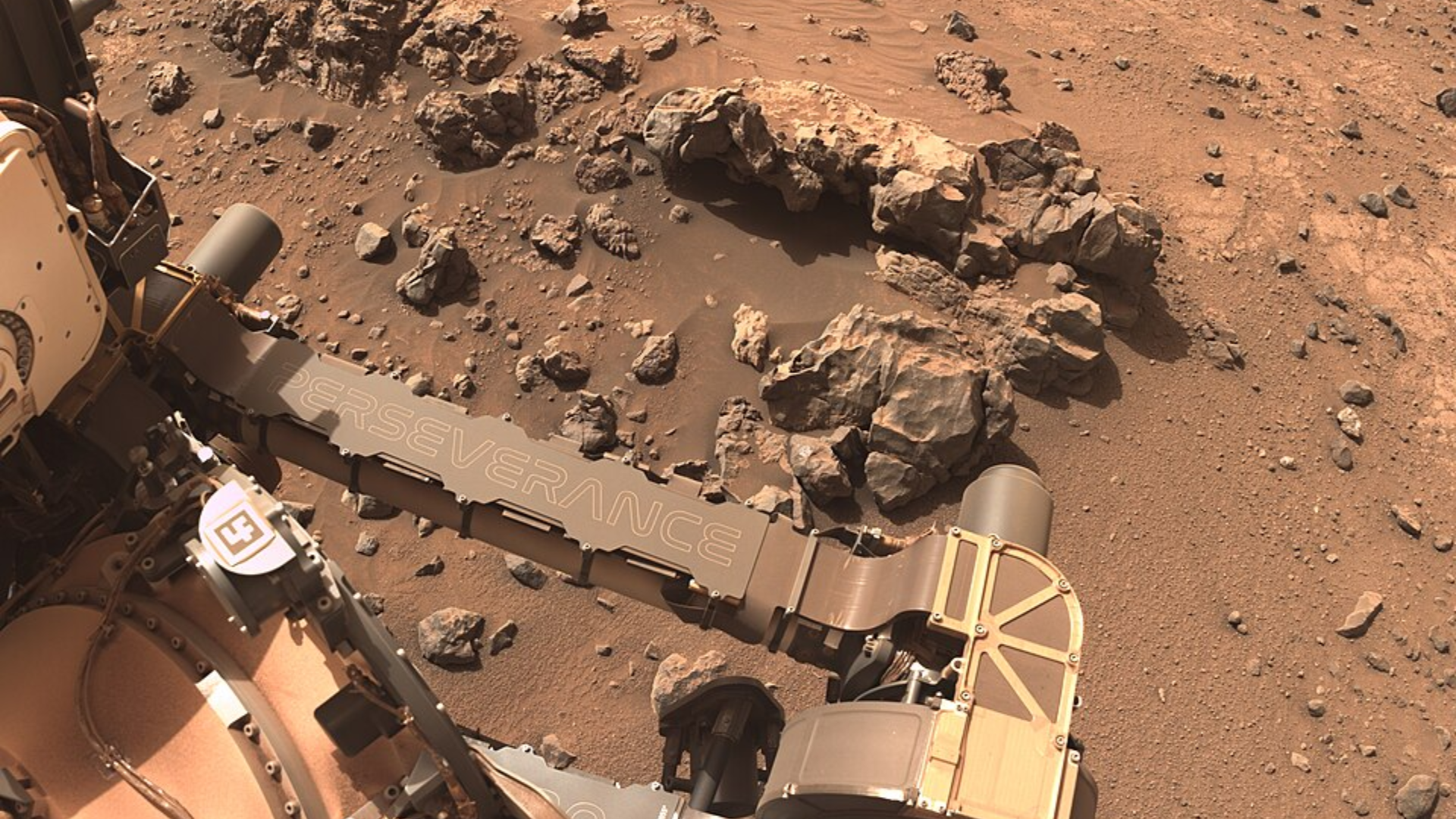
The rover’s mission includes collecting carefully selected rock samples that could eventually be returned to Earth through a future Mars Sample Return mission. Scientists are evaluating whether some of these unusual formations may warrant closer study through physical samples. Laboratory analysis on Earth would allow researchers to conduct far more detailed investigations than are possible using rover instruments alone. These samples could provide definitive answers about the rocks’ origins.
Discoveries Like This Help Search for Ancient Life
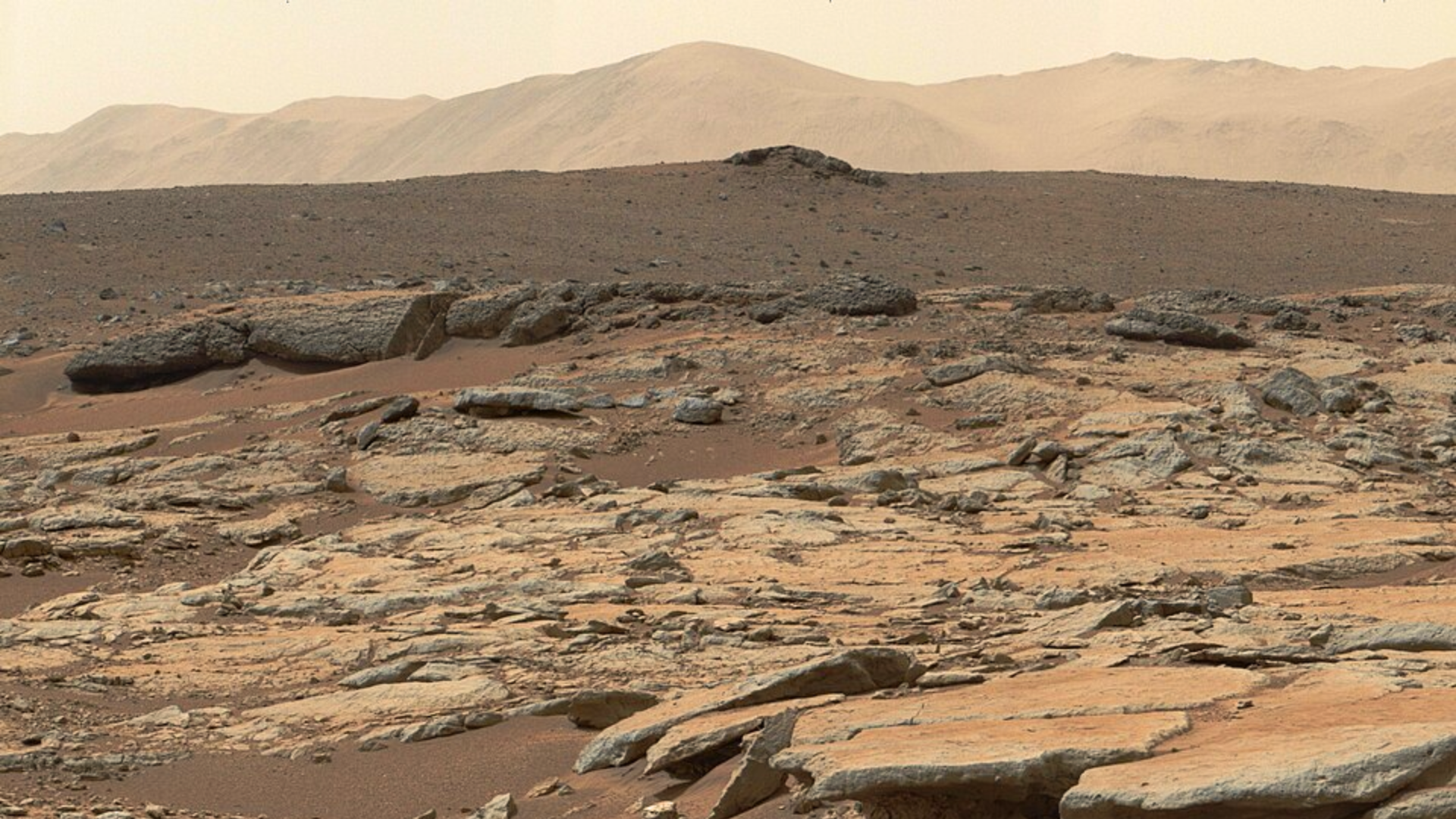
One of Perseverance’s primary objectives is to search for signs that microbial life may have once existed on Mars. Unusual geological formations are of particular interest because they can preserve evidence of ancient environmental conditions. While the newly discovered rocks do not represent proof of past life, understanding how they formed may help identify locations where biosignatures could be preserved. Every geological discovery contributes to the broader search for evidence of ancient Martian habitability.
A New Martian Mystery Awaits Answers
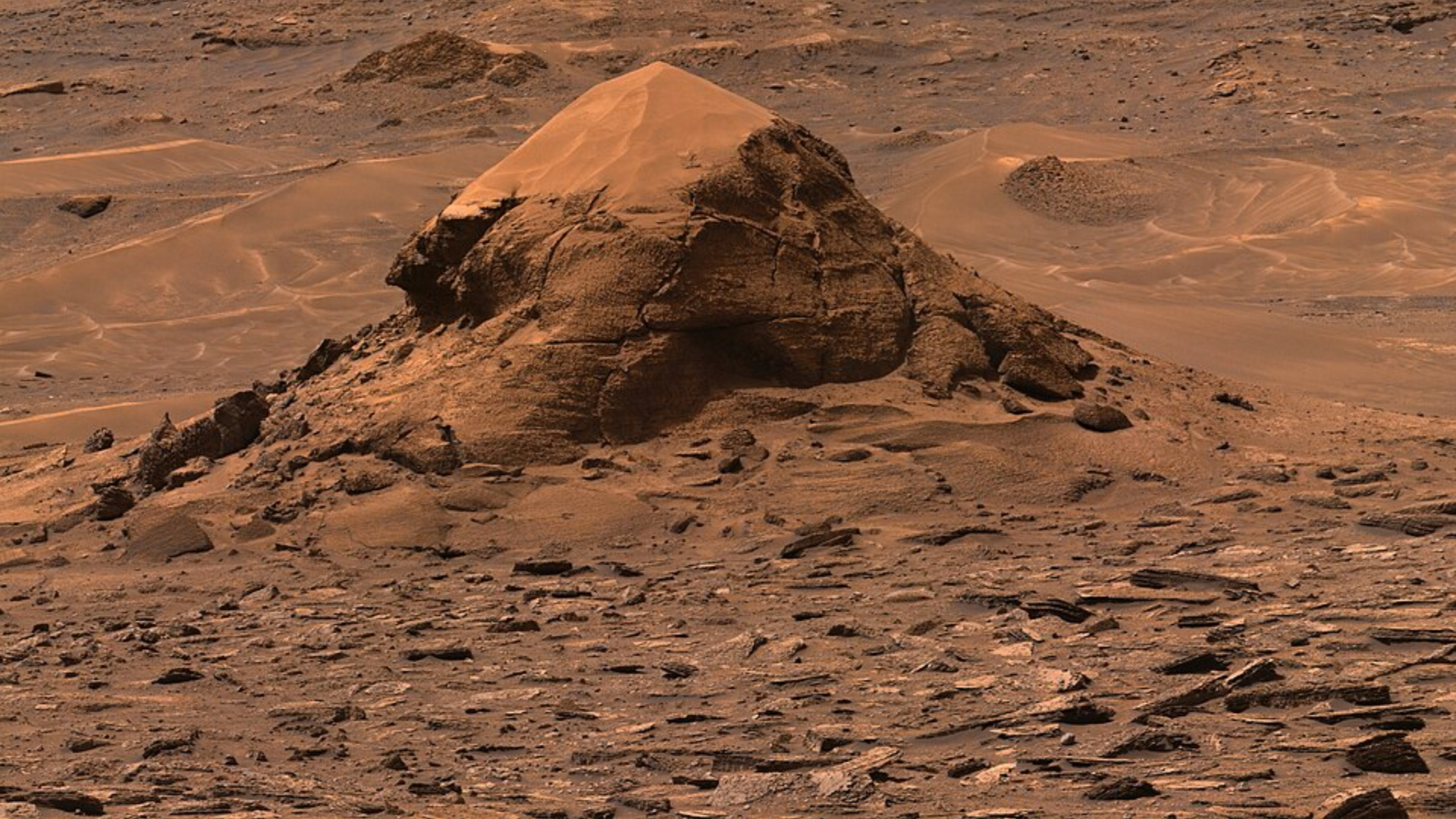
The mysterious rock structures identified by NASA’s Perseverance rover have added another intriguing puzzle to Mars exploration. Located within Jezero Crater, the formations could reveal important information about ancient water activity, volcanic processes, meteor impacts, or other geological events that shaped the Red Planet. Scientists are using advanced rover instruments to study the rocks and determine their origin, while future sample-return efforts may provide even deeper insights. As Perseverance continues its mission, discoveries like these are helping researchers better understand Mars’ past and its potential to have once supported life.