NASA is Heading Back to the Moon, and Their Next Big Experiment is Lighting a Fire
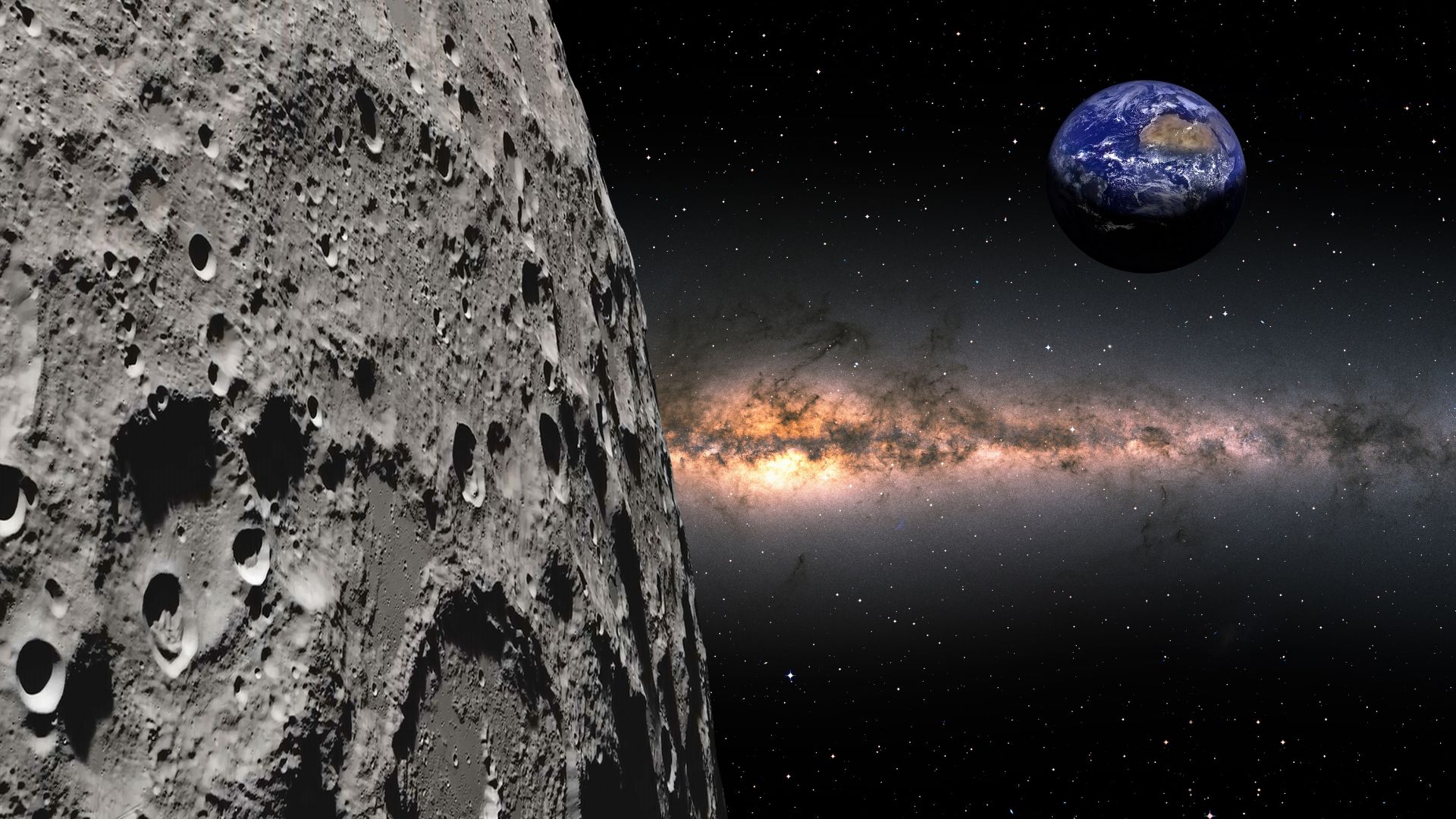

NASA is preparing a historic lunar experiment that could help protect astronauts during future missions. By studying how fire behaves in the moon’s reduced gravity, researchers hope to improve material testing, spacecraft design, and emergency safety standards.
A Historic Flame on the Moon
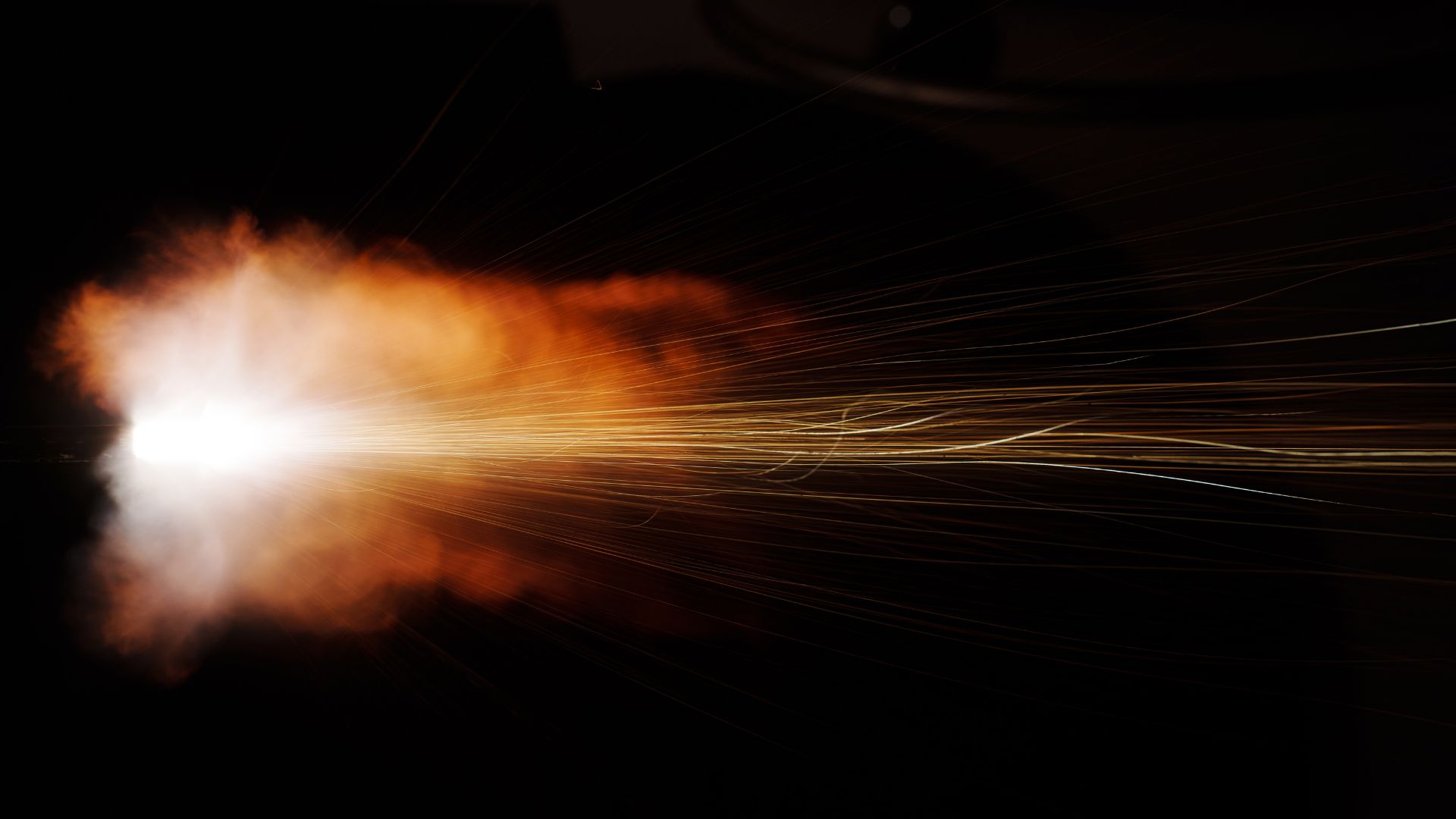
NASA plans to ignite a carefully controlled fire on the moon, marking the first combustion experiment ever performed on the lunar surface. The test will allow scientists to observe how flames form and spread under conditions that cannot be fully recreated in laboratories on Earth.
Why This Experiment Matters
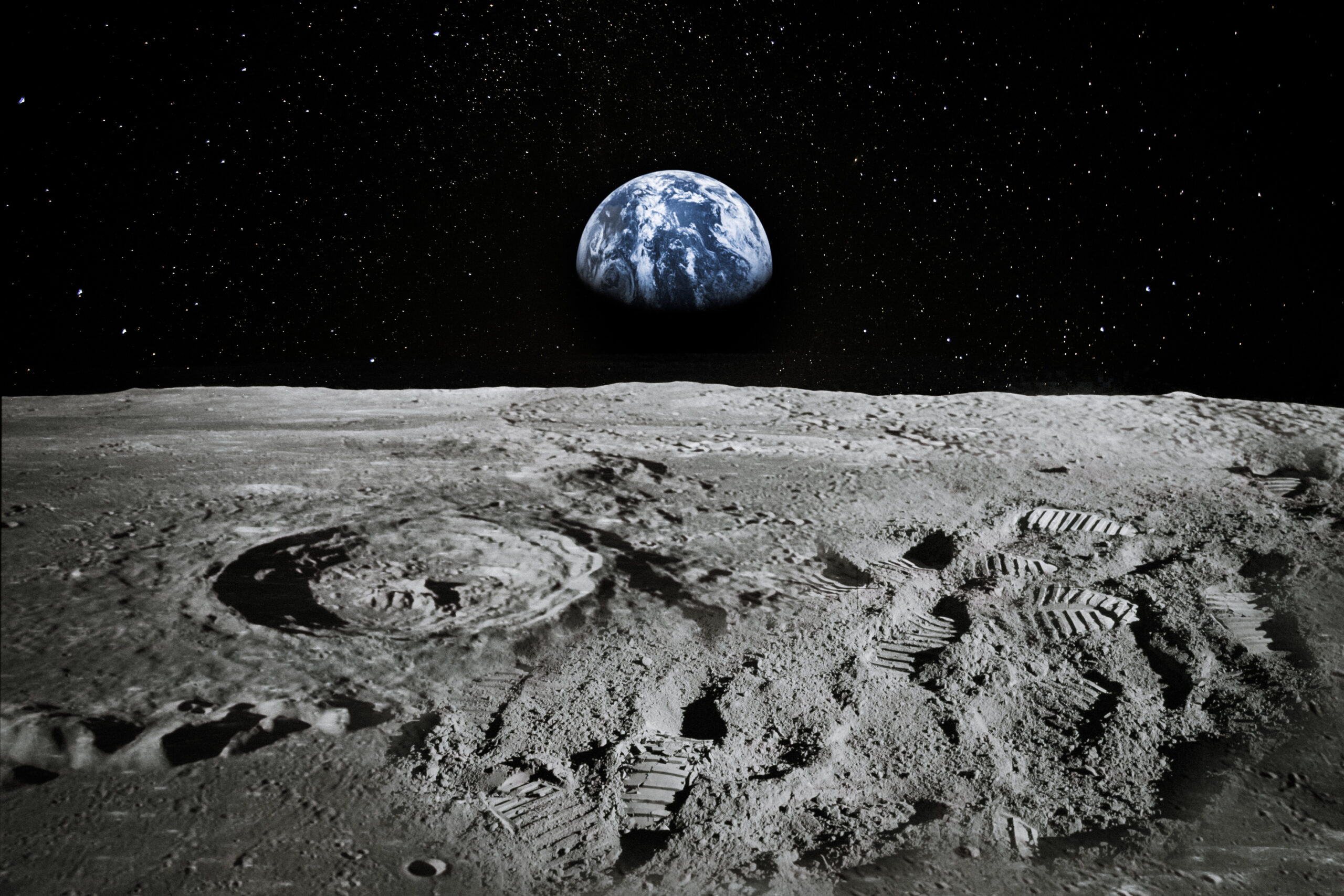
Understanding lunar fire behavior is essential as NASA works toward establishing a lasting human presence through the Artemis program. Astronauts may eventually spend extended periods inside moon bases, where even a small flame could become a serious danger if materials react differently than expected.
Earth Tests Have Important Limitations
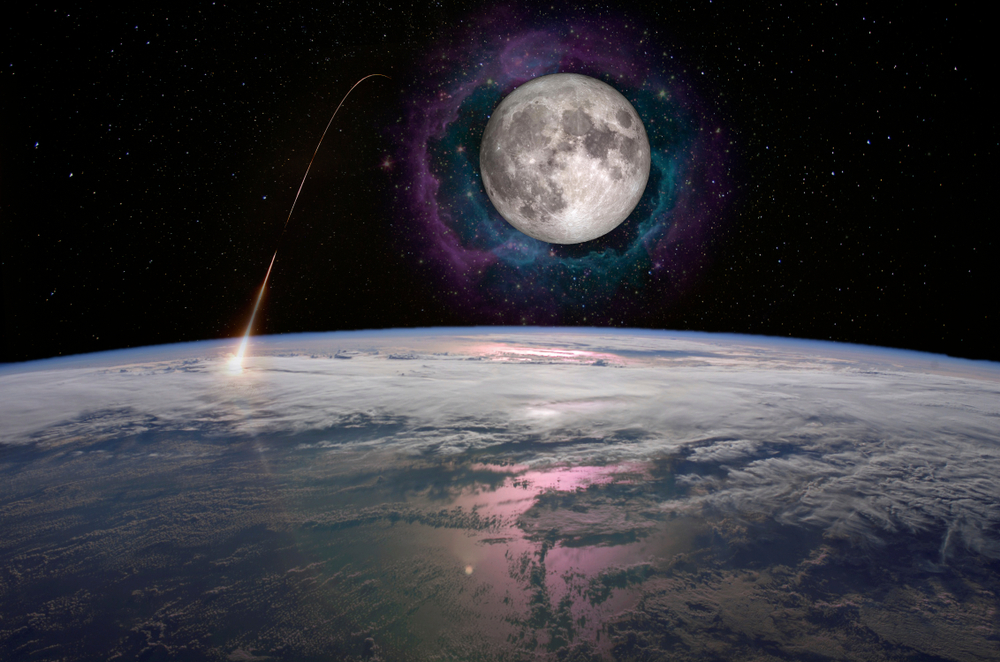
NASA currently evaluates spacecraft materials on Earth before approving them for missions. However, researchers have found that these tests do not always predict how the same materials will behave in space or under lunar gravity, creating possible gaps in existing safety standards.
How Flames Behave on Earth
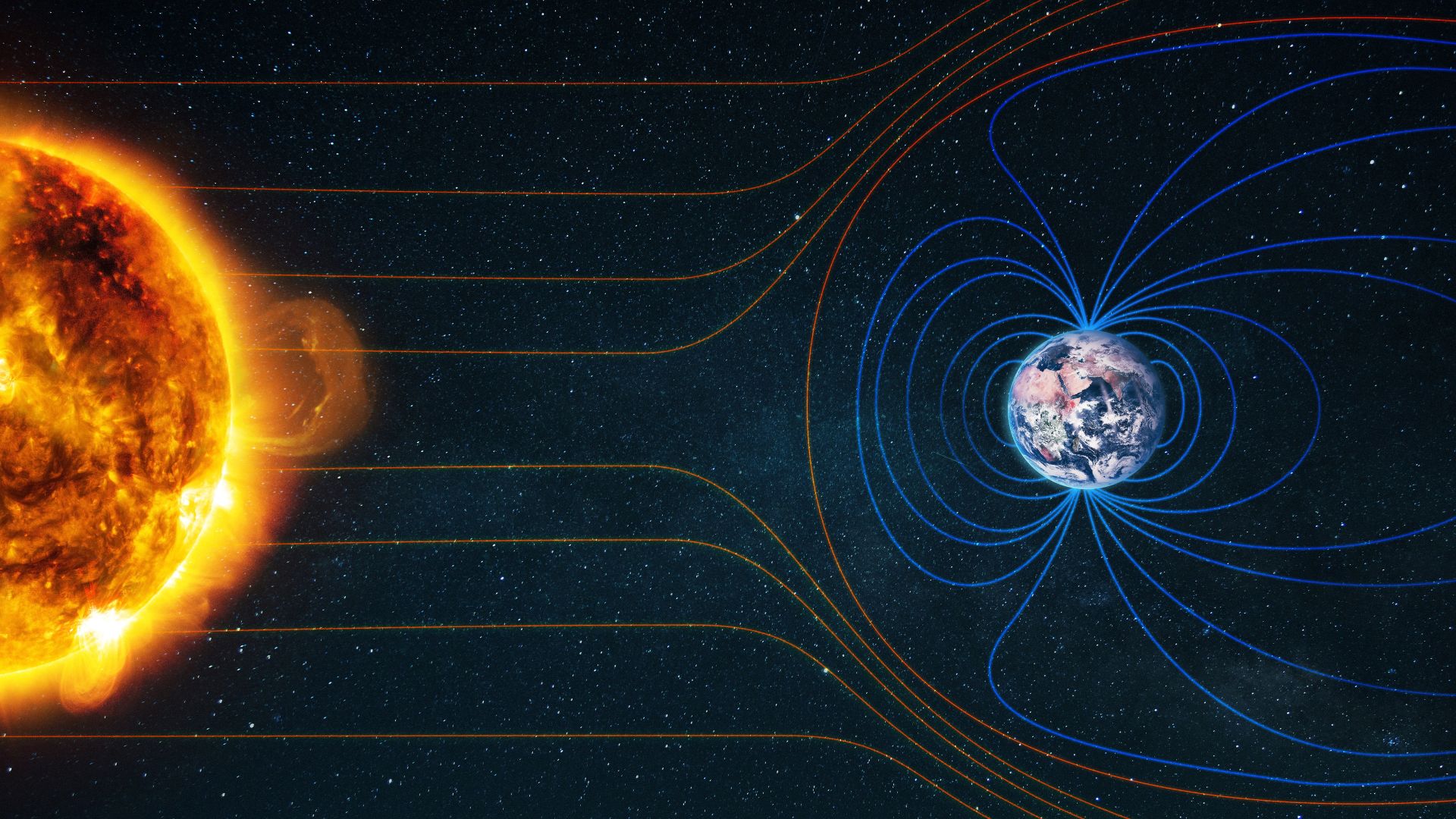
When something burns on Earth, hot gases quickly rise and pull fresh oxygen toward the flame. Air can sometimes enter so rapidly that the chemical reactions cannot continue at the same pace, causing the flame to weaken, lose stability, or go out through a process commonly called blowoff.
Fire May Spread Differently on the Moon
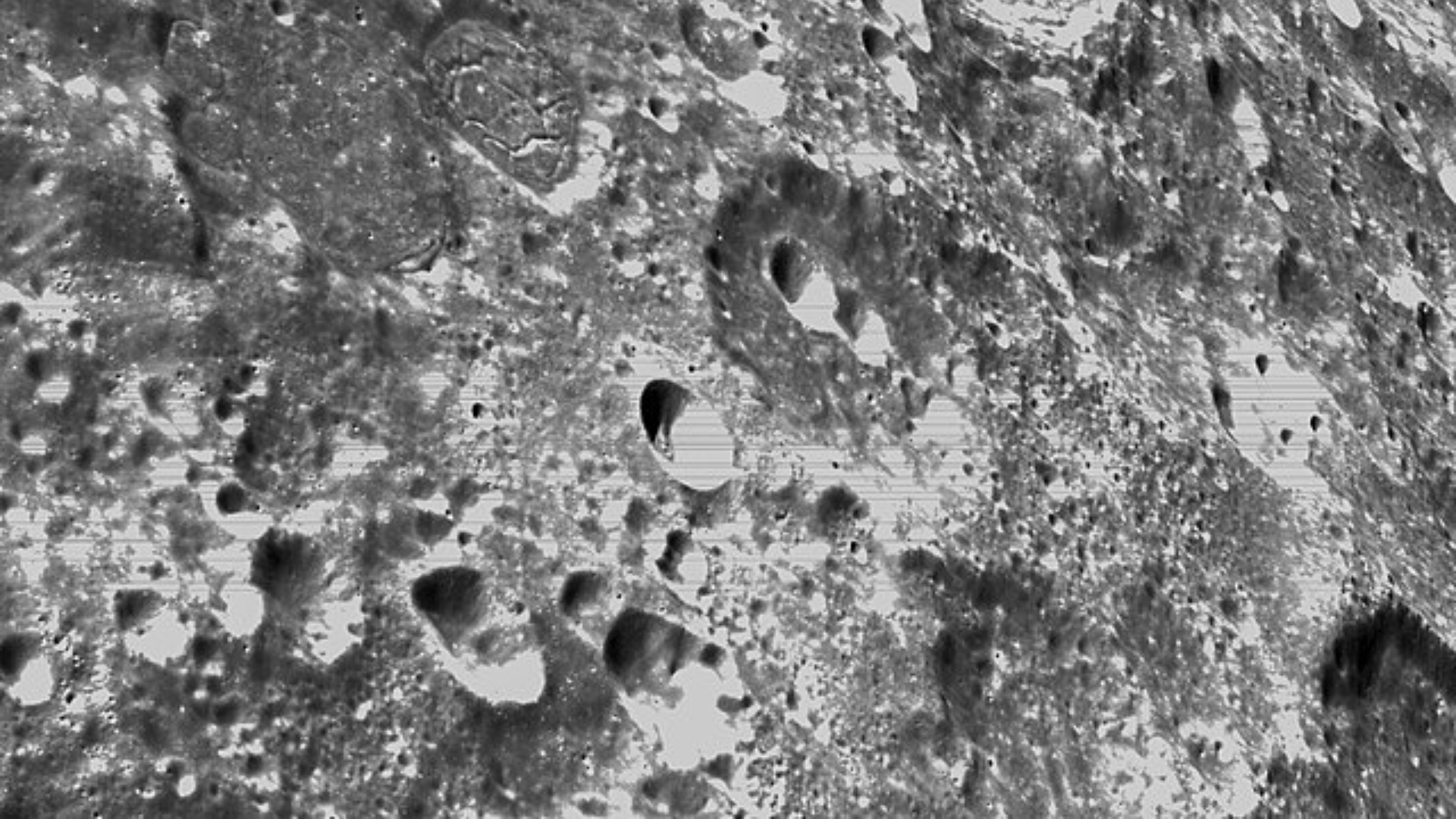
The moon’s weaker gravity changes how gases move around a burning object. With less natural airflow, flames can develop and travel in unexpected ways, and certain materials considered relatively safe on Earth may become easier to ignite under lunar conditions.
Future Habitats Could Increase the Risk
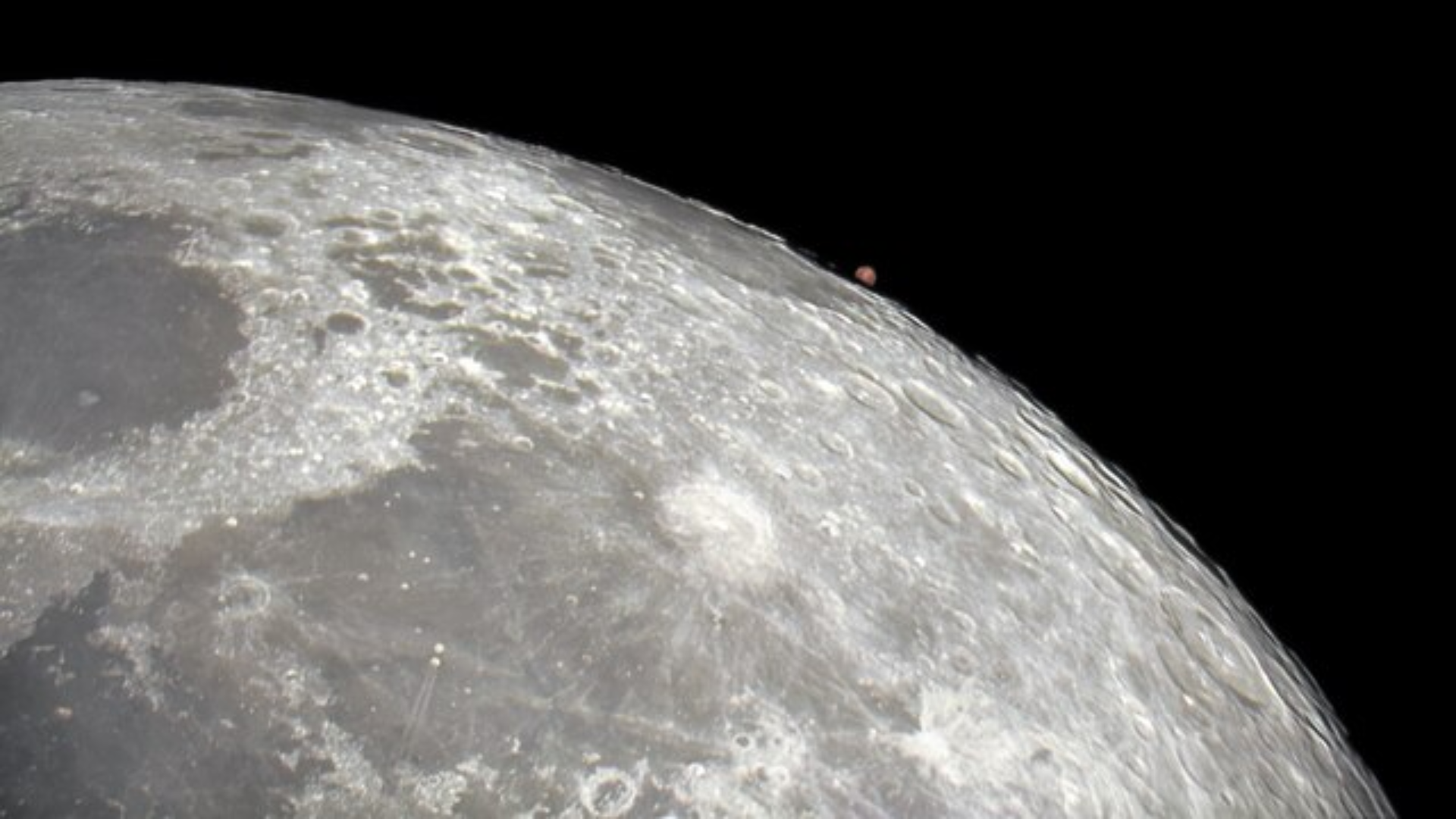
Planned lunar habitats may operate with lower atmospheric pressure and higher oxygen concentrations than typical rooms on Earth. Although these conditions can make living and working in space more practical, they may also increase the flammability of fabrics, equipment, and construction materials.
Four Solid Fuels Will Be Tested
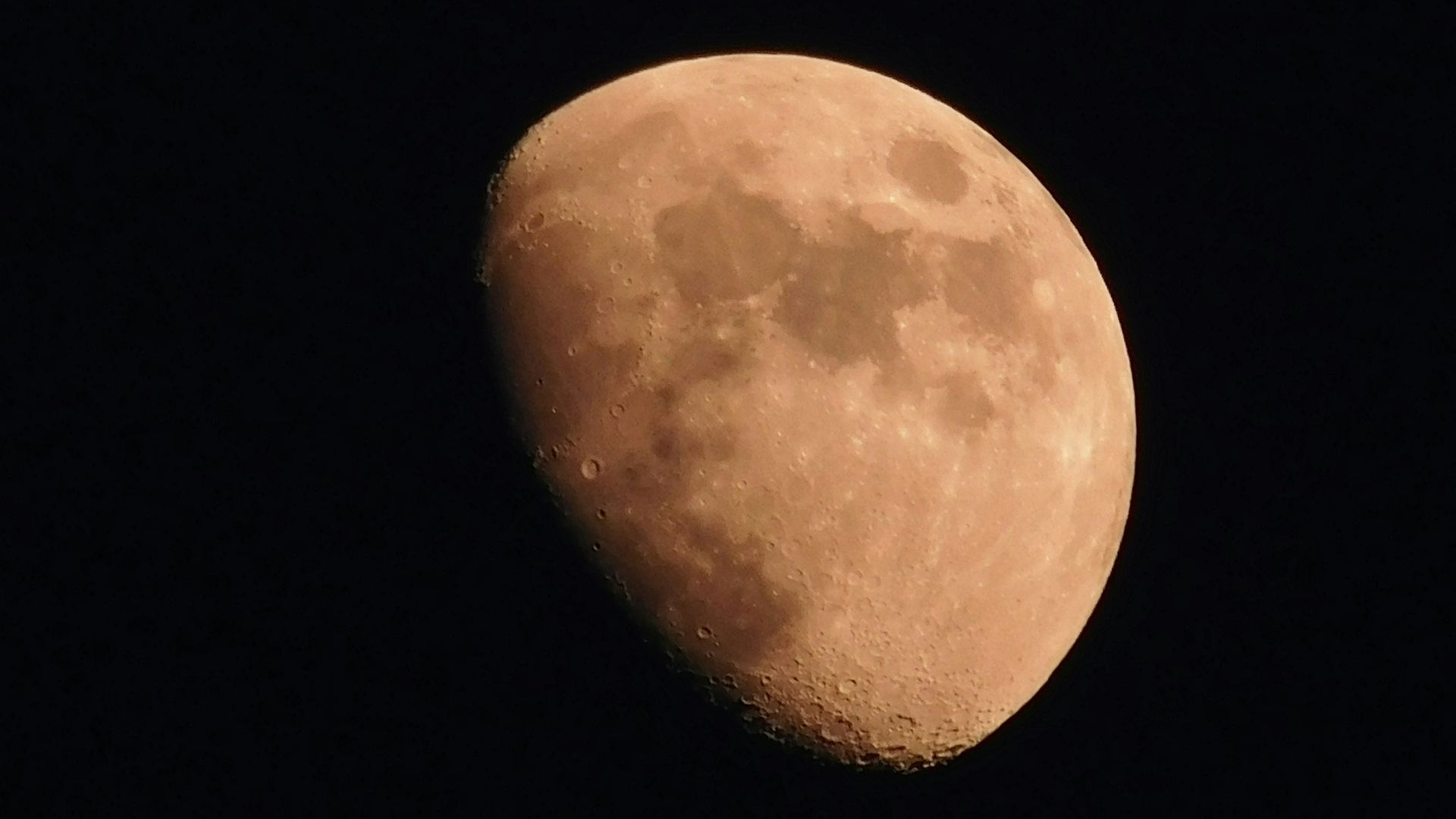
NASA intends to place four solid fuel samples inside a sealed combustion chamber designed to contain the experiment safely. Each sample will be ignited separately, giving researchers an opportunity to compare how different substances react when exposed to fire in lunar gravity.
Scientists Will Closely Track Each Flame
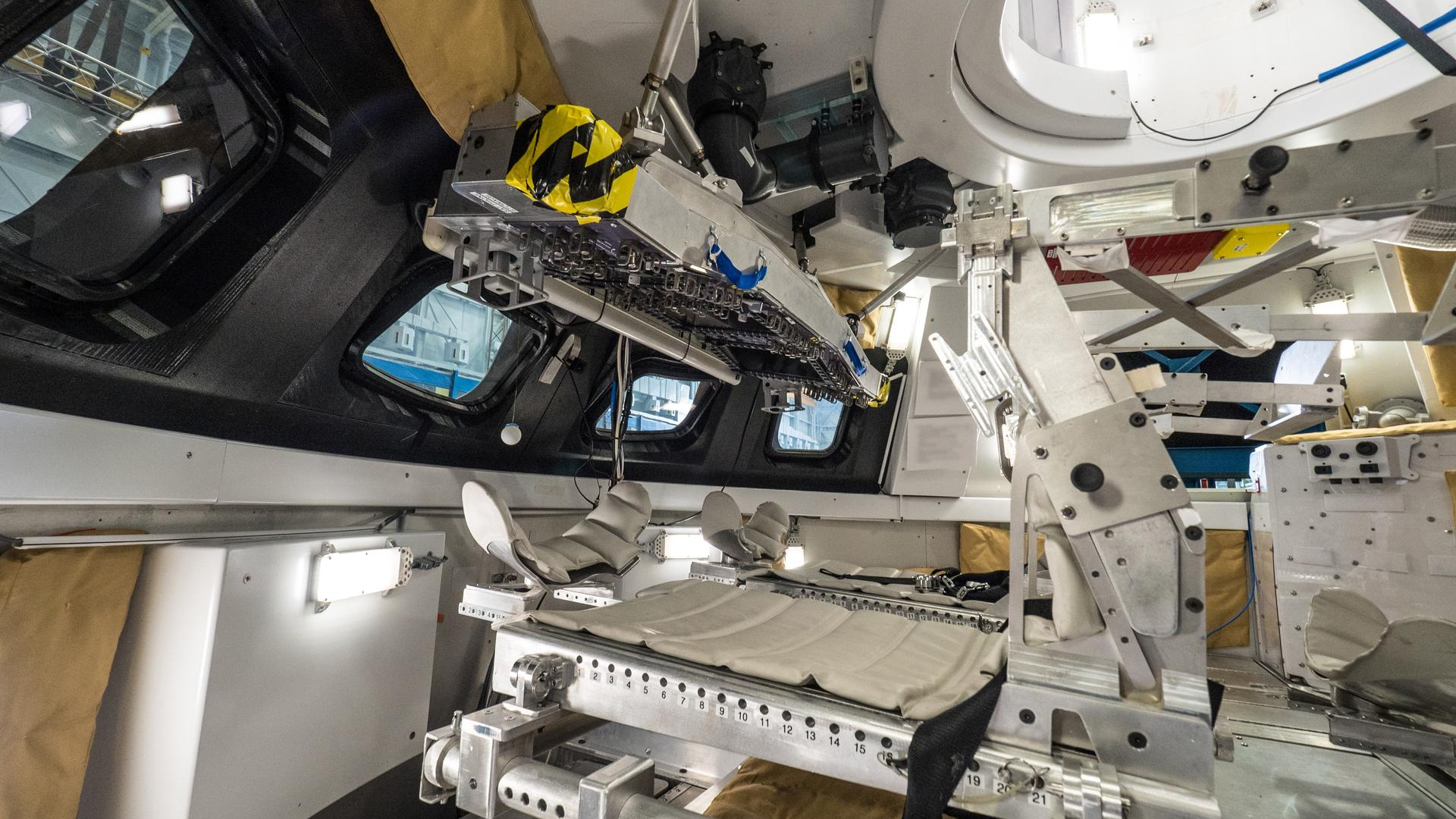
During every test, instruments will record how quickly the flame spreads across the material. The research team will also measure temperature, oxygen levels, and heat radiation, producing a detailed picture of how lunar combustion begins, grows, and changes over time.
Results Could Transform Safety Standards
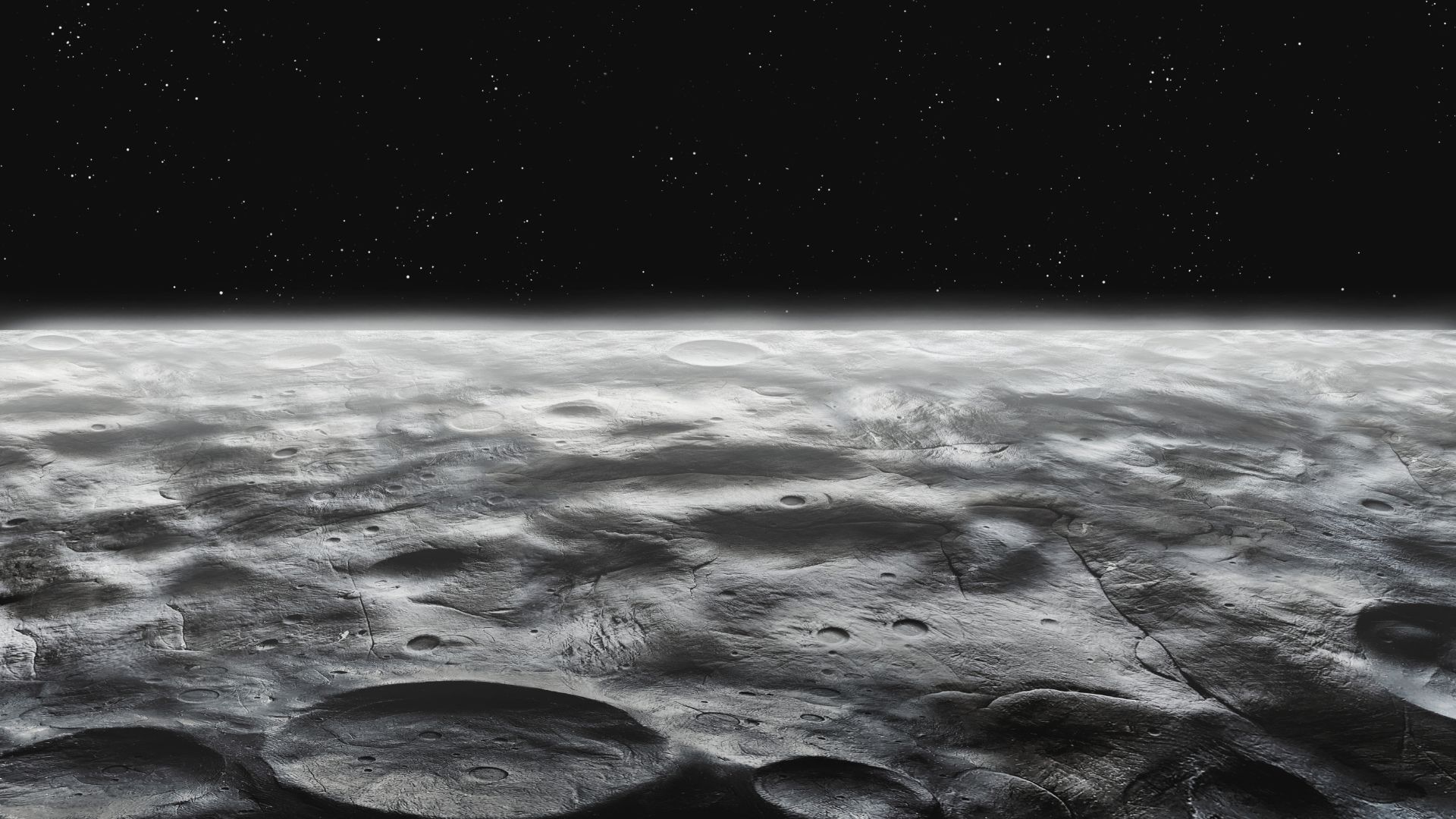
The findings may reveal which materials present the greatest danger in a moon habitat or spacecraft. If the evidence shows that current Earth-based evaluations are not sufficient, NASA could revise its certification requirements and introduce more accurate fire-safety rules for future missions.
Protecting Astronauts Beyond the Moon

These first observations of fire in lunar gravity could help engineers design safer living spaces, equipment, and emergency systems for astronauts. The knowledge gained may support not only long-term exploration of the moon, but also future human missions to Mars and other distant destinations.