NASA Investigates Unexpected Mars Discovery After Rover Accidentally Cracks Open ‘Living’ Rock


NASA wasn’t expecting to uncover one of Mars’ biggest surprises by running over a rock. But that’s exactly what happened when Curiosity accidentally cracked one open, revealing bright yellow crystals unlike anything scientists had previously found in that region of the Red Planet. The discovery caught researchers completely off guard, turning an ordinary drive into one of the mission’s most unexpected moments.
The Discovery Happened Purely By Accident, Not By Design

Curiosity wasn’t searching for anything unusual when this happened. The rover was simply driving across the lower slopes of Mount Sharp inside Gale Crater, following its regular exploration route. One of its wheels rolled directly over a rock that cracked open beneath the pressure. Instead of the familiar minerals scientists expected, the broken surface revealed something completely different. That single moment of chance turned a routine drive into a genuine scientific mystery.
Pure Sulfur Crystals Appeared Where They Had Never Been Seen
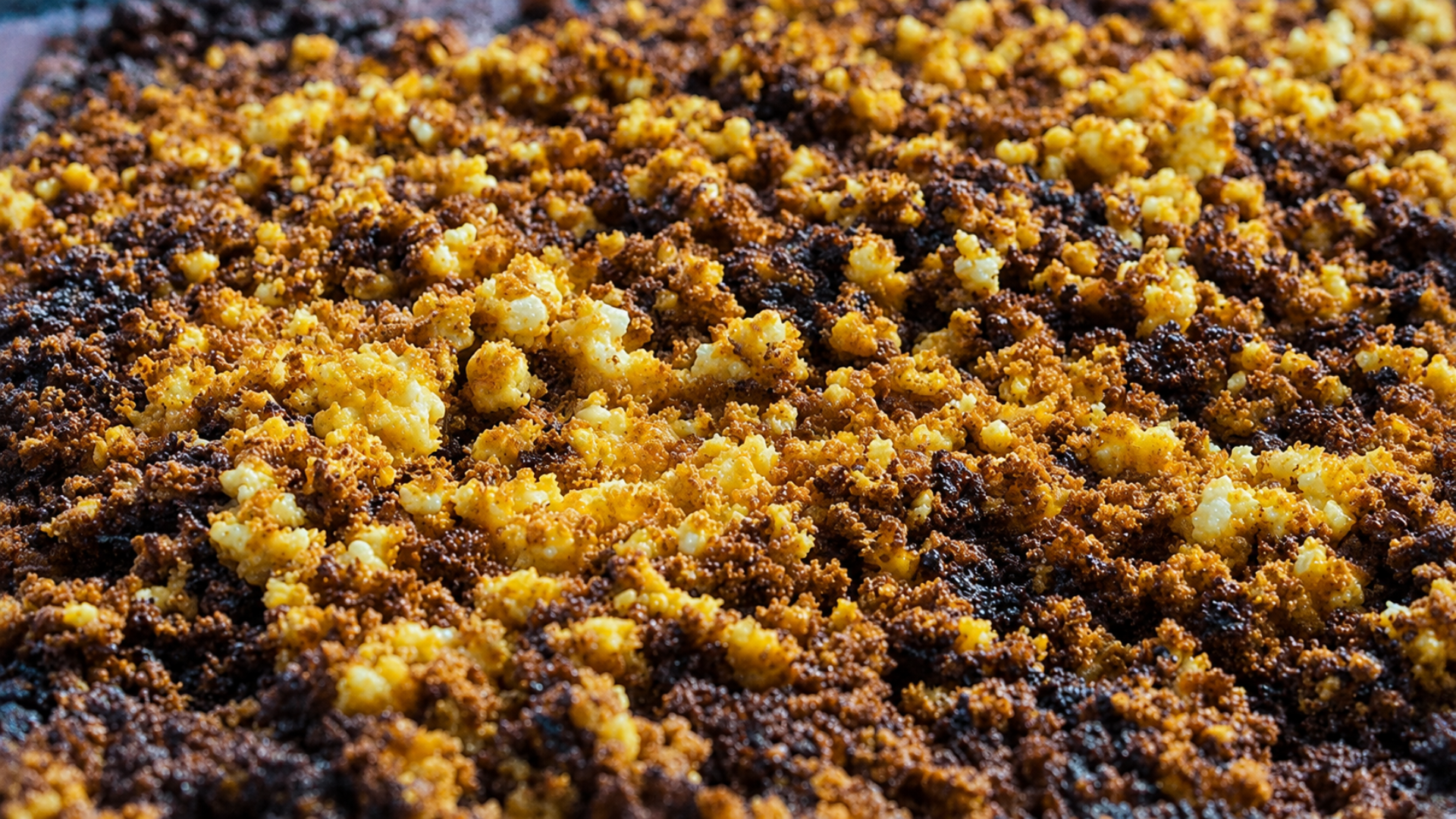
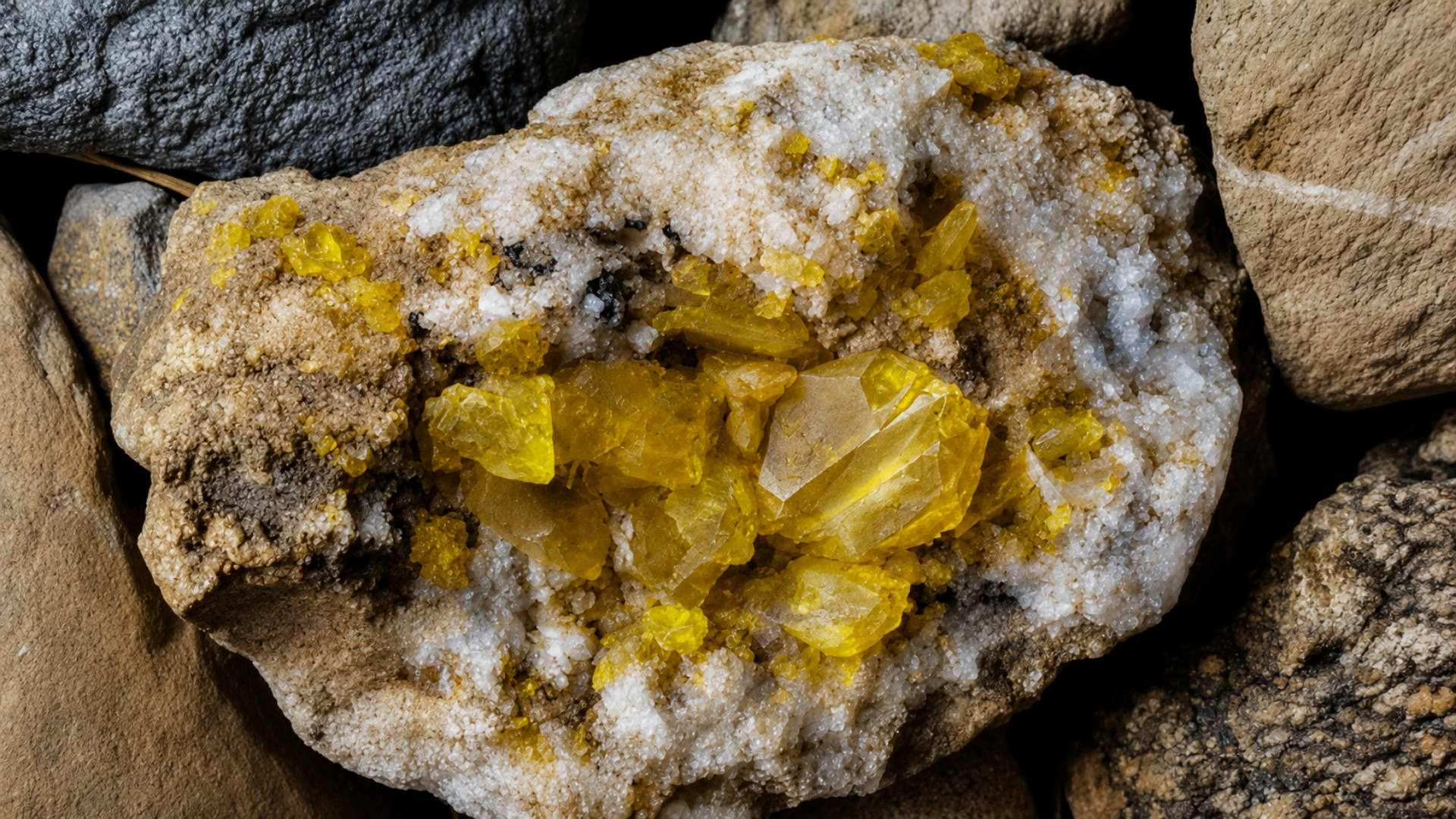
What spilled out of that cracked rock immediately caught scientists’ attention. The exposed material turned out to be bright yellow crystals of elemental sulfur, a substance never before observed in this particular geological setting on Mars. Sulfur-bearing minerals called sulfates have shown up many times across the planet through orbiters and previous rover missions. Pure elemental sulfur, though, forms under much narrower conditions, and its sudden appearance here left researchers searching for answers.
This Might Not Be a Single Rock, But an Entire Hidden Formation
The surrounding terrain adds another twist to the story. Numerous nearby rocks share a similar appearance to the one Curiosity accidentally cracked open. That similarity suggests this sulfur deposit could stretch across a much larger portion of Gale Crater rather than existing as an isolated find. Every new sample the rover collects now carries the potential to reveal another piece of a geological puzzle nobody knew existed until this accidental discovery, and researchers are eager to keep exploring.
Scientists Still Don’t Know What Created This Unusual Deposit

Explaining how this sulfur got there is proving genuinely difficult. Researchers are now considering several possible causes, including volcanic activity, groundwater interactions, chemical reactions, or shifting temperatures over enormous stretches of time. Elemental sulfur typically requires very specific conditions to form, unlike the more common sulfate minerals found elsewhere on Mars. No existing geological model predicted this particular combination in this particular location, which means scientists are essentially building new theories from scratch.
This Finding Challenges Theories Instead of Simply Confirming Them

Most scientific discoveries fit neatly into existing frameworks. This one doesn’t. Rather than confirming what researchers already believed about Mars’ geological history, the sulfur discovery forces them to reconsider how this specific region evolved over billions of years. That kind of finding carries weight precisely because it wasn’t anticipated. Scientists now face the task of building fresh explanations rather than simply checking a box on an established theory, and that process takes real time.
Some Answers Can Only Be Found by Actually Touching the Ground
This discovery underscores something orbiters alone could never have revealed. Certain geological features remain invisible from space and require close, physical examination using sophisticated instruments operating directly on the Martian surface. Curiosity’s onboard laboratory allows scientists to analyze rock composition and mineral structure in ways no satellite image could match. That hands-on capability is exactly what turned an accidental wheel crack into a genuine scientific breakthrough worth studying for years to come.
Curiosity Has Been Rewriting Mars’ Story Since 2012
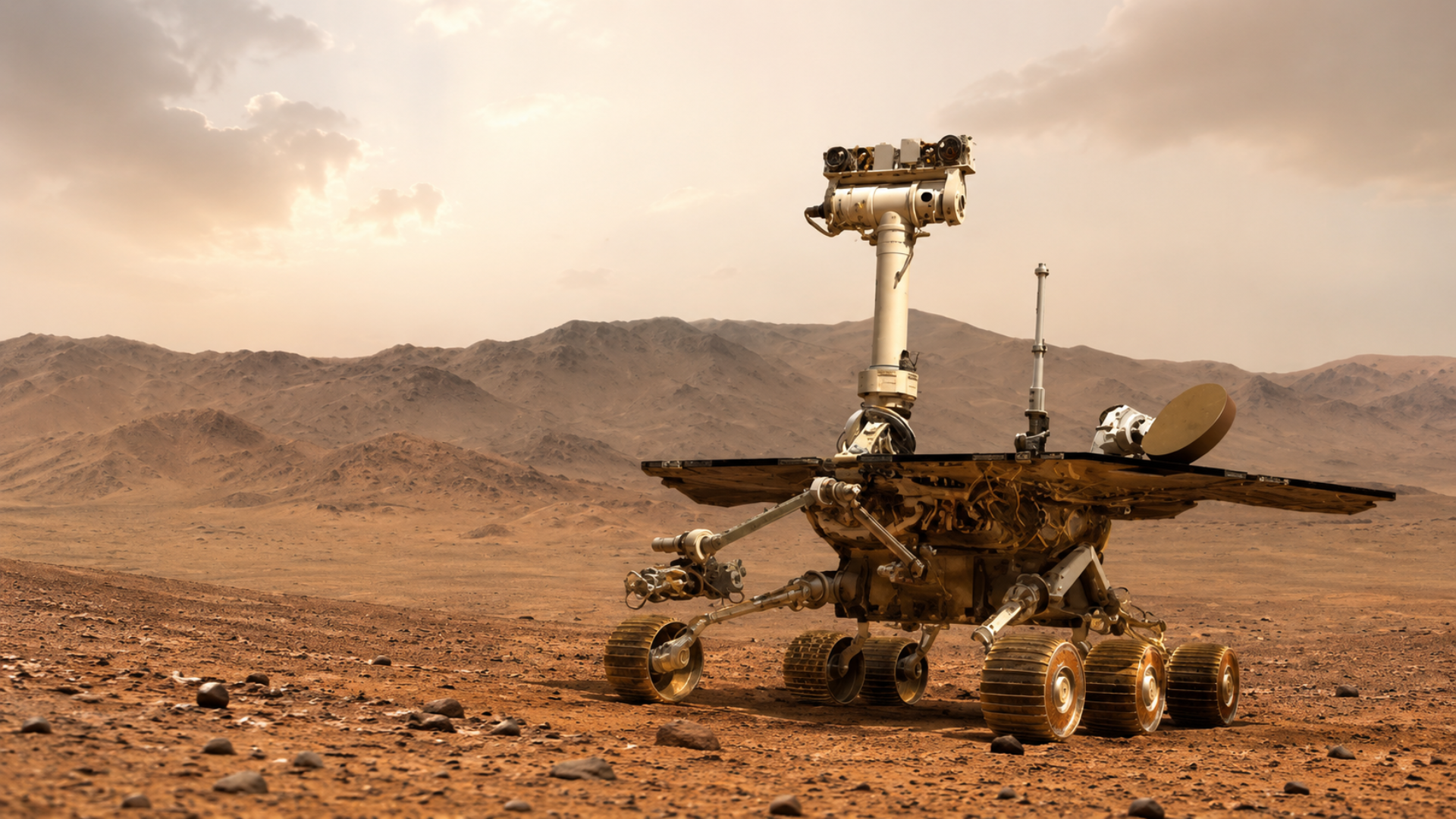
This sulfur find adds to a much longer track record. Since landing inside Gale Crater in 2012, Curiosity has gathered strong evidence that the region once held lakes, rivers, and groundwater systems capable of supporting environments where microbial life might have existed. Each layer the rover climbs on Mount Sharp represents another chapter in the planet’s ancient geological record. This newest discovery now joins that growing archive as one of its more puzzling entries.
NASA Now Wants to Compare This Region to Everywhere Else on Mars

Researchers plan to study this sulfur-rich area alongside surrounding rock formations to understand its true scope. By comparing chemical signatures and mineral patterns, scientists hope to determine whether this deposit formed during one isolated event or as part of a much larger regional process spanning Gale Crater. That comparison could reshape how researchers understand chemical activity across the planet more broadly, not just within this single stretch of Martian terrain near Mount Sharp.
A Cracked Rock Reminded Everyone That Mars Still Has Secrets Left
Go back to that ordinary drive across Mount Sharp, the one that split a rock open by pure chance. More than a decade into its mission, Curiosity is still finding things nobody predicted or planned for. That unpredictability is precisely what keeps this mission valuable, long after most people assumed Mars had given up its biggest surprises. Somewhere beneath the next wheel track, another hidden chapter of the planet’s history may already be waiting to crack open.