More Questions Emerge After Another NASA-Linked Scientist Death
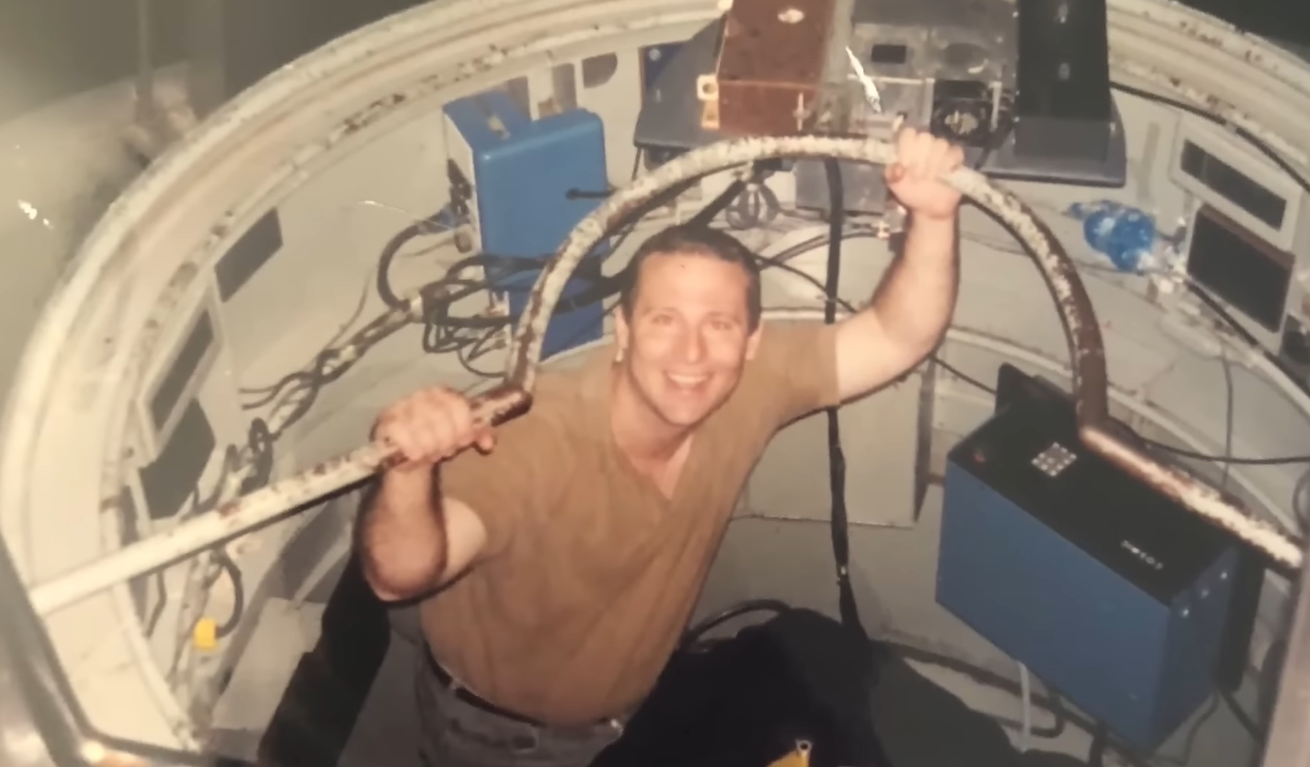

Some stories fade. This one keeps coming back. A NASA-linked scientist who died quietly in 2023 is now drawing renewed attention, adding to a growing list of researchers whose deaths or disappearances continue to raise uneasy questions. Michael David Hicks, a longtime scientist at NASA’s Jet Propulsion Laboratory, passed away at 59 after decades of work on major space missions.
At the time, his death barely made headlines. Today, it sits at the center of a much larger conversation. The reason is simple. Hicks is now one of at least nine scientists or officials whose deaths or disappearances have been grouped together in recent reports.
That list alone has been enough to spark public curiosity and concern. Still, one thing remains clear. Authorities have not confirmed any direct connection between these cases.
The People Behind the Headlines
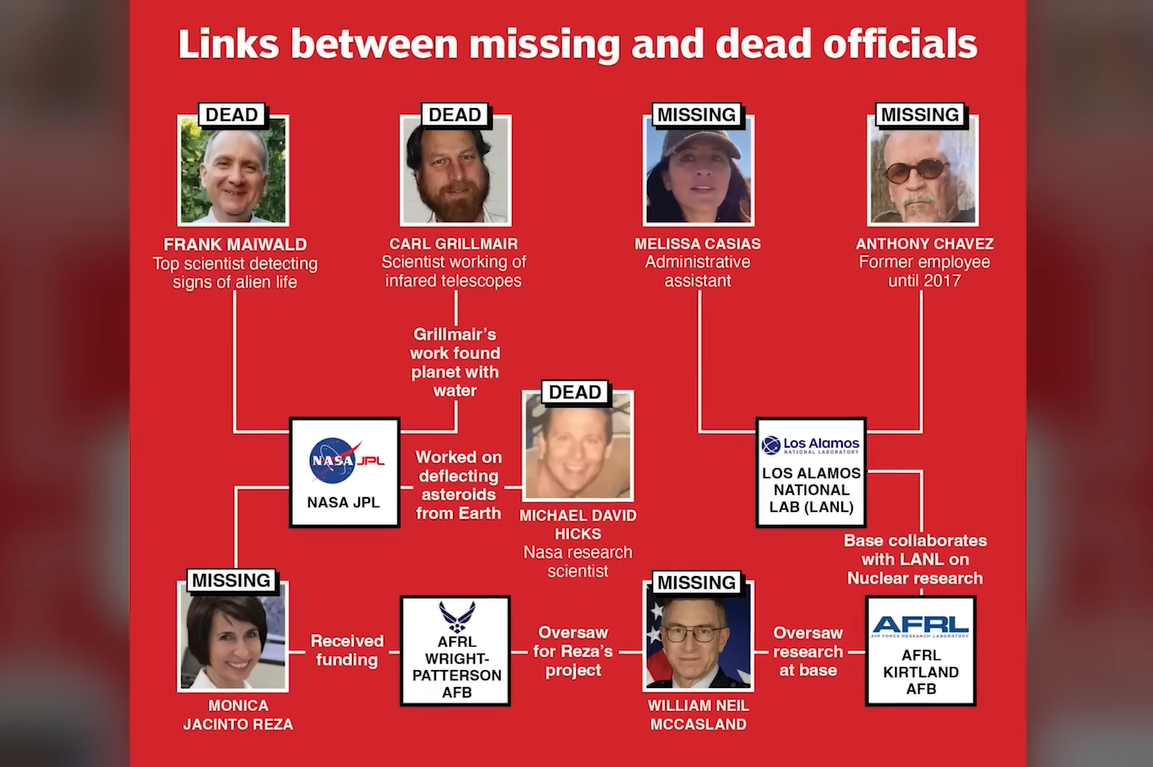
It’s easy to focus on the mystery. The individuals behind it deserve just as much attention. Hicks spent over two decades at NASA’s Jet Propulsion Laboratory, contributing to critical missions like asteroid tracking and planetary research. His work helped scientists better understand comets, asteroids, and potential threats beyond Earth.
Colleagues described him as both deeply scientific and quietly creative. His career included more than 80 published papers and contributions to major planetary science efforts. His life followed a familiar path for researchers in this field. Years of study, decades of work, and a focus on solving problems most people never think about.
Then came the uncertainty. Some reports initially noted that no clear cause of death had been publicly shared. Later records suggested natural causes, though details remained limited or inconsistently reported across sources. That gap between information and clarity helped fuel wider speculation.
A Pattern or Just a Series of Tragedies?

Hicks’ case might have remained isolated. It didn’t. Other names began to surface. A scientist who disappeared while hiking. A retired Air Force general who walked out of his home and never returned. Researchers linked to NASA or defense-related work who either died under unusual circumstances or simply vanished. Some of the cases have clear explanations. Others do not.
Monica Reza, a materials scientist tied to aerospace projects, vanished during a hike in 2025 and has not been found. William “Neil” McCasland, a retired general connected to advanced research programs, disappeared months later under equally unclear circumstances. Several other individuals on the list either died suddenly or remain missing, with investigations still ongoing.
Naturally, the question keeps coming up. Are these events connected? Officials have not found evidence of a link. Law enforcement agencies continue to treat each case separately. At the same time, experts acknowledge that the pattern, at least on the surface, feels difficult to ignore.
Why This Story Isn’t Going Away
This isn’t just about one scientist or even nine. It reflects a broader tension between public curiosity and verified facts. When information feels incomplete, people look for patterns. When patterns appear, theories follow. Some of the individuals on this list worked in sensitive fields such as space research, defense systems, or advanced technology.
That alone raises the stakes. Former officials have pointed out that scientists in these areas have historically drawn attention from intelligence agencies and foreign interests. It doesn’t prove a connection, but it adds another layer to the conversation. For now, the facts remain grounded. Several deaths have known or likely natural causes. Some disappearances remain unsolved. Authorities have not confirmed a coordinated pattern or wrongdoing linking these events. And yet, the story continues to grow.
The takeaway sits in that space between certainty and uncertainty. People are paying attention, and they are asking questions. Until clearer answers emerge, this story will continue to surface, evolve, and pull in new audiences. Because sometimes, it’s not just what we know that drives a story forward. It’s everything we don’t.