More Californians Are Being Struck by an Incurable Disease, With Study Linking Them to an Everyday Kitchen Item
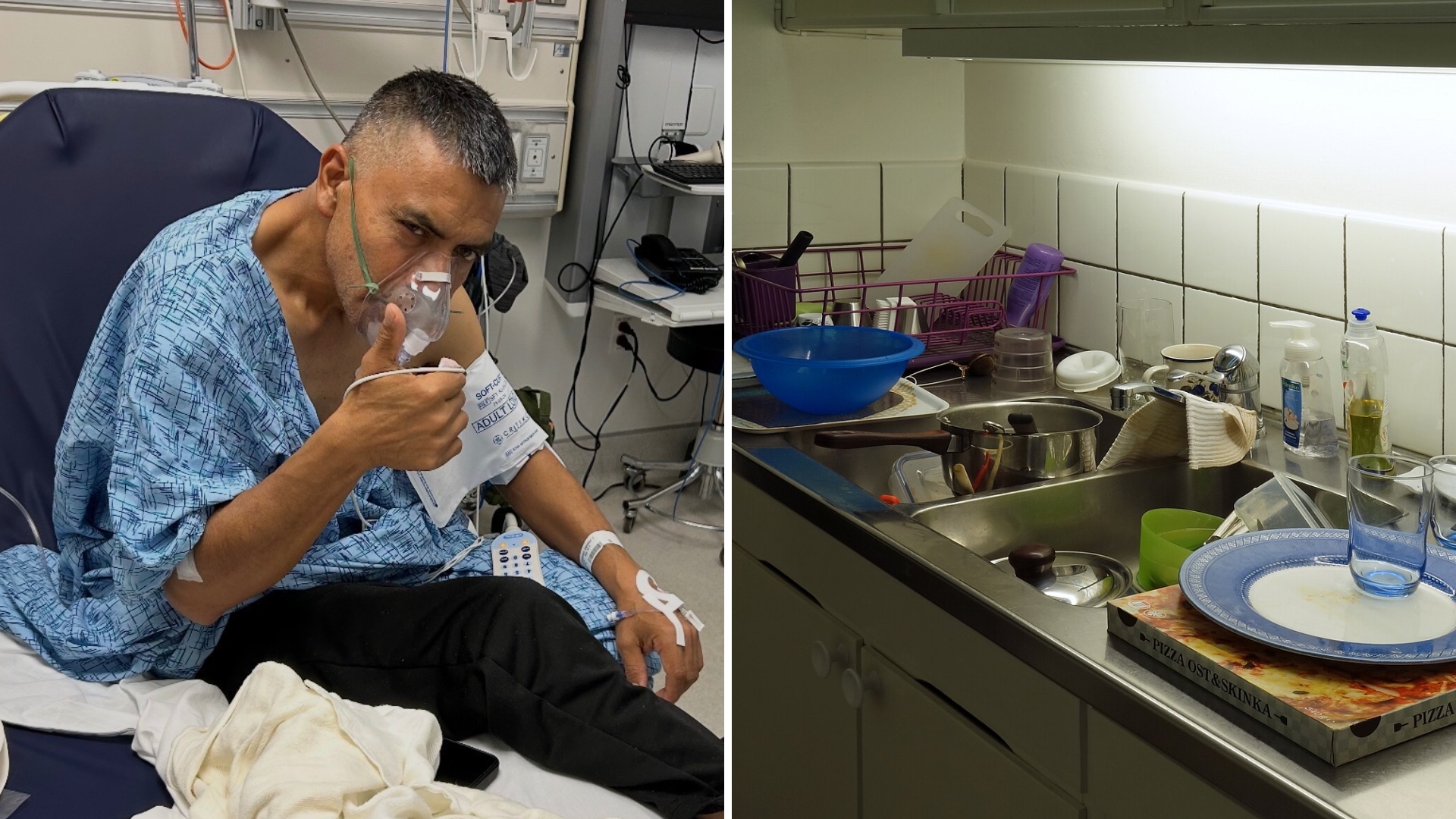

Enrique Gonzalez, 56, received a double lung transplant this summer. For about two years before that, the San Fernando Valley stone worker had been unable to work, his family says. Doctors know what damaged his lungs, and the same material sits in kitchens across the country, often within arm’s reach of the stove. Gonzalez is one of hundreds of Californians with the same diagnosis, and the count keeps climbing.
The Diagnosis Is Silicosis, and Its Lung Scarring Is Permanent

Silicosis develops when a person breathes in tiny silica particles. They scar the lungs, making each breath harder, and the damage cannot be reversed. The disease was once linked mostly to miners and construction workers after decades of dust exposure. California’s current wave looks younger. According to Public Citizen, which compiled state surveillance figures, the median age at diagnosis is 46. Nearly every patient in those records shares the same job.
99.8% of California’s Cases Are in Men, and 98% Are in Latinos

State data show that almost all patients are men and nearly all are Latino. The state’s tracking centers on fabrication shops, where large slabs are cut, ground and polished into kitchen and bathroom countertops. The work fills the air with fine dust, and Los Angeles County has the largest share of cases in California. Researchers keep returning to the slabs themselves, which contain an ingredient in amounts few people outside the trade would guess.
Engineered Quartz Slabs Typically Contain More Than 90% Crystalline Silica

Engineered stone is made by crushing natural quartz into fine powder and binding it with polyester resins and pigments. The slabs, sold as quartz countertops, typically contain more than 90% crystalline silica, according to a study in NEJM Evidence. Granite and marble contain far less. Cutting a slab sends that silica into the air as dust that workers inhale. The California Department of Public Health has been counting confirmed cases since 2019.
A Study of State Health Data Counted 592 Workers With Silicosis, 65 Transplants and 31 Deaths

The study, published August 12 and led by Amy Heinzerling, covers January 2019 through June 2026. It identified 592 confirmed cases among countertop fabrication workers, including 65 who received lung transplants and 31 who died. State tracking has since moved higher: by September 10 it showed 644 cases, 75 transplants and 35 deaths. Researchers caution that the true toll is probably larger, because many workers are diagnosed late or never diagnosed.
About 200 New Cases Were Confirmed Between November 2025 and September 2026

In late November 2025, California’s health department counted 443 confirmed cases of engineered stone silicosis. By September 10 the total was 644, roughly 200 new diagnoses in under ten months. Surveillance has also widened: silicosis became a mandatory reportable disease in 2025, and tracking now draws on hospital records and clinician reports. Researchers describe the disease as entirely preventable. California had written its first emergency rules for the industry in December 2023.
Inspectors Found Violations at 94% of the Shops They Visited

Cal/OSHA’s 2023 emergency standard targeted engineered stone fabrication. Since then the agency has opened more than 140 inspections, assessed roughly $1.8 million in penalties and issued stop-work orders at 26 shops where workers were dry-cutting or lacked adequate respiratory protection. An agency evaluation found violations at 94% of inspected shops. Those inspections reached only about 10% of the fabrication operations the state estimates exist.
California’s Safety Board Voted 3-0 to Begin Writing a Ban on High-Silica Stone

On May 21, the California Occupational Safety and Health Standards Board voted 3-0 to begin rulemaking that could prohibit fabricating and installing engineered stone with more than 1% crystalline silica. The vote does not itself create a ban. It directs Cal/OSHA to draft an emergency rule and convene advisory committees. Cal/OSHA’s own evaluation concluded that removing the material from the supply chain would be the fastest and cheapest fix. Australia banned engineered stone in 2024. Manufacturers had representatives in the hearing room.
Cosentino Calls a Ban Irresponsible While Courts Favor Injured Workers

Matt Thurston of Cosentino North America told the board that banning a product to make up for failed enforcement would be irresponsible, and said many shops already work with engineered stone safely. Laurie Weber, chief executive of the industry group ISFA, said it does not support a blanket ban. In court, workers have fared better: Public Citizen reports that four prominent California lawsuits ended by July, and all but one were decided for the injured worker. Cal/OSHA’s authority covers workplaces only.
Emergency Rule Vote Expected in October as Regulators Aim at the Shop Floor

Because Cal/OSHA enforces workplace rules, it cannot prohibit the sale, import or distribution of the material the way Australia did, so consumers could still buy it. The draft emergency rule was open for public comment through September 30, and the New York Post reports the board is expected to act in October. Every step so far targets the shop floor, because the cutting, grinding and polishing is where the dust behind California’s confirmed cases is made.