“Mistakenly, We Thought AI Would Produce a High-Quality Product,” Ford Executive Admits After Rehiring 300 Veteran Engineers
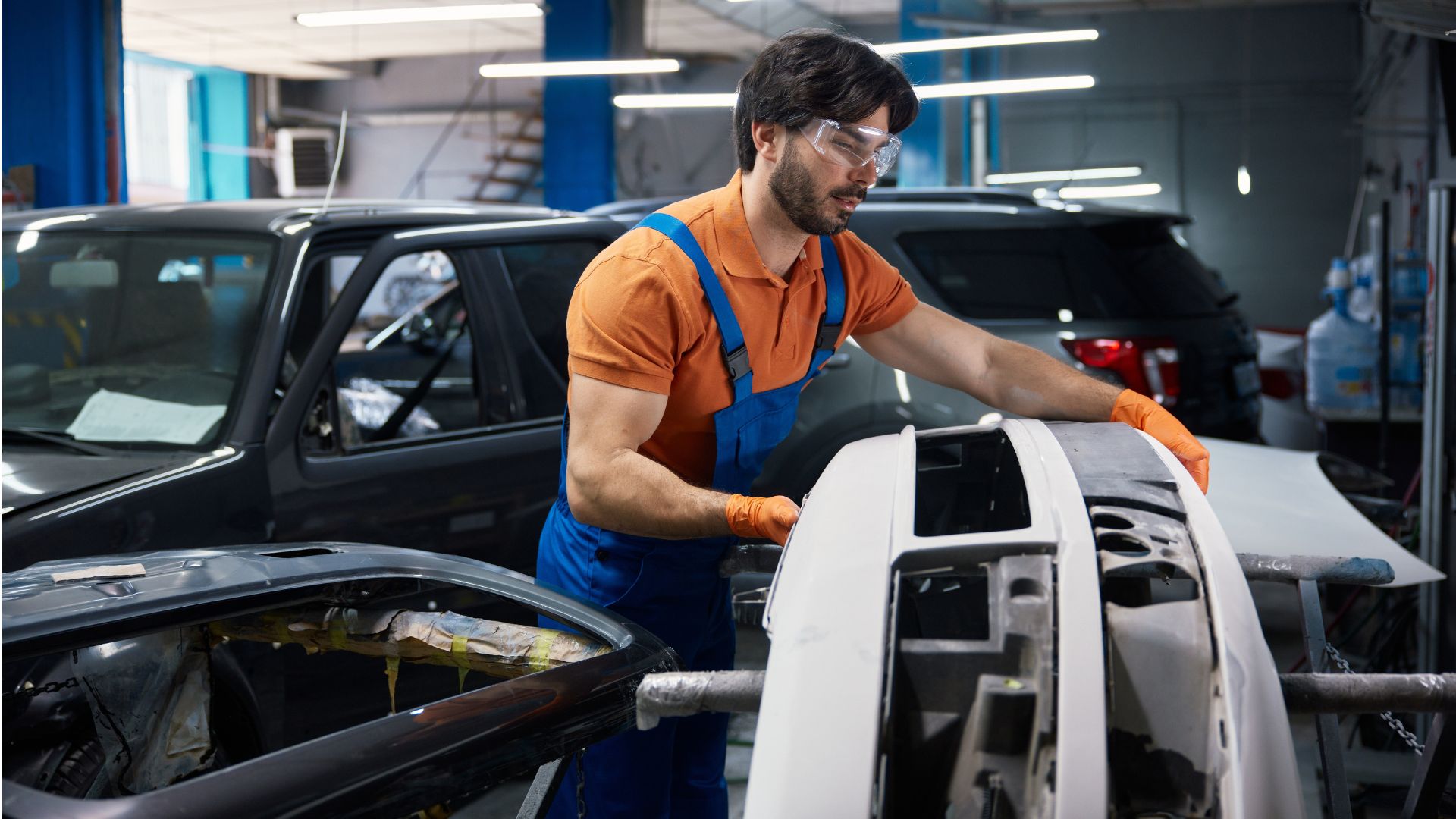

As artificial intelligence becomes more common in manufacturing, many companies are discovering that technology works best alongside experienced professionals, not in place of them. Ford recently acknowledged that lesson after bringing back hundreds of veteran engineers whose expertise proved essential for maintaining vehicle quality.
Ford Expanded AI Across Its Manufacturing Process
Ford introduced artificial intelligence into several areas of its production system, hoping to improve efficiency, reduce costs, and strengthen quality control. The company integrated AI into inspections and manufacturing operations as part of a broader strategy to modernize its factories and increase productivity.
AI Was Expected to Improve Product Quality

Company leaders initially believed that feeding engineering requirements into AI systems would be enough to help produce higher-quality vehicles. The expectation was that automated tools could identify problems quickly and consistently, reducing the need for as much human involvement during inspections.
Executives Acknowledged the Technology Fell Short
Charles Poon, Ford’s Vice President of Vehicle Hardware Engineering, admitted that the company overestimated what artificial intelligence could accomplish on its own. He explained that AI is only as effective as the information used to train it, and that important engineering knowledge had been overlooked during the transition.
Veteran Engineers Returned to the Company

To strengthen its quality program, Ford rehired more than 300 experienced engineers and quality specialists. These employees brought decades of practical knowledge gained from multiple vehicle development cycles, helping the company address issues that automated systems failed to recognize.
Experience Proved Difficult to Replace
According to Ford executives, many skilled technicians had previously left the company before their expertise could be transferred into AI systems. As a result, the technology lacked the real-world judgment that comes from years of hands-on problem solving and manufacturing experience.
Human Experts Are Now Training the AI Systems

Rather than replacing people, Ford is now using its veteran engineers to improve artificial intelligence. These specialists are helping train machine learning models with better data while also mentoring younger employees, allowing both technology and future workers to benefit from their knowledge.
AI Remains a Key Part of Ford’s Strategy
Despite the challenges, Ford continues investing heavily in artificial intelligence throughout its manufacturing network. The company has deployed about 900 AI-powered cameras inside its factories to detect quality issues earlier in the production process and reduce supply chain disruptions.
Ford Previously Highlighted AI’s Business Potential
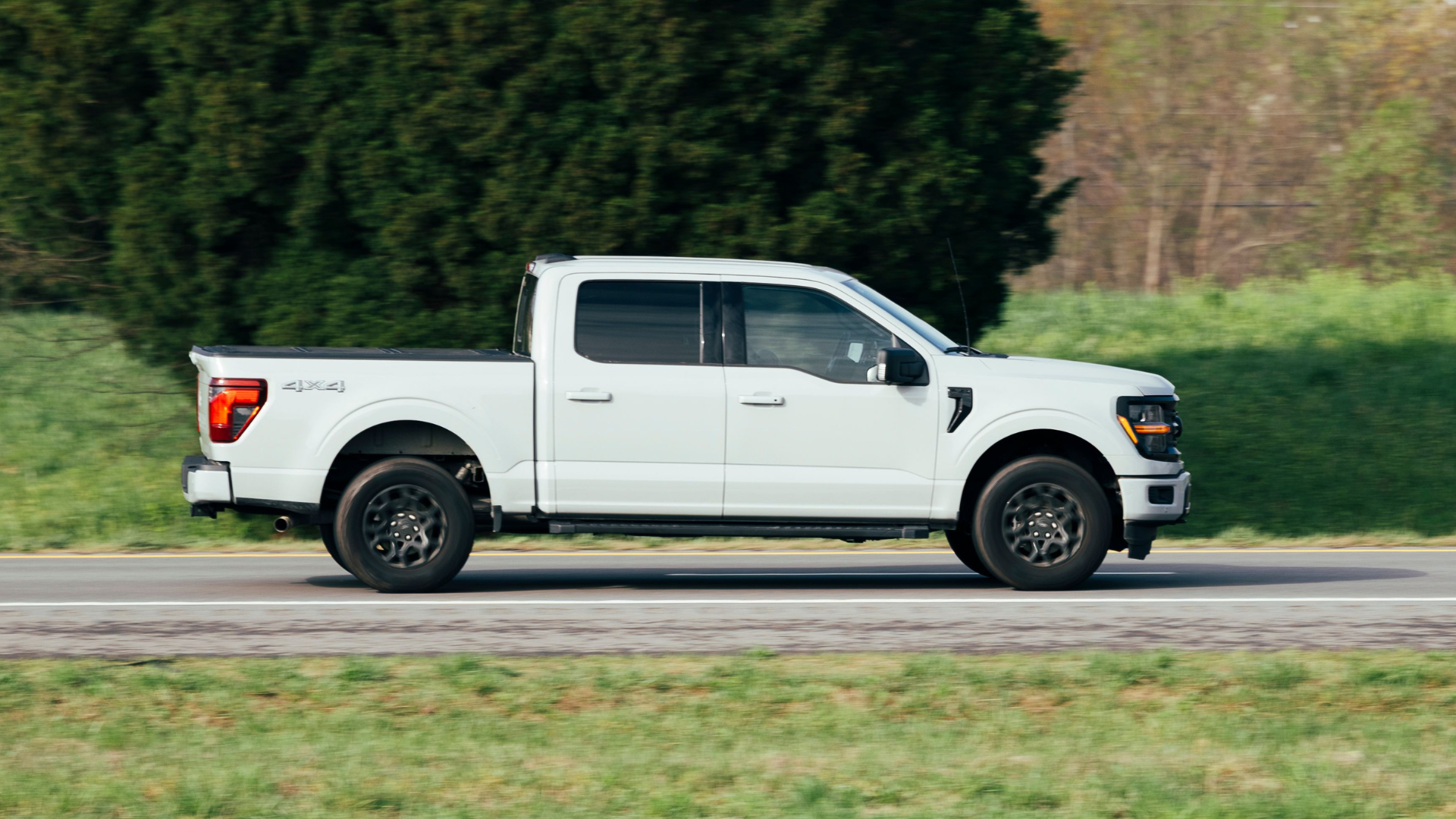
Ford executives have spoken publicly about artificial intelligence as an important tool for improving efficiency and profitability. CEO Jim Farley has also commented on AI’s potential impact on white-collar jobs, while company leaders continue expanding its use across industrial operations.
Better Leadership and Talent Supported the Turnaround
Ford said improving product quality required more than advanced technology. The automaker refreshed leadership across engineering, manufacturing, and supply chain teams while rebuilding its workforce with experienced professionals whose practical knowledge could strengthen both production and AI development.
The Company Returned to the Top of a Quality Ranking

Ford’s renewed focus on combining human expertise with artificial intelligence coincided with a major achievement. The automaker regained the top position among mainstream brands in the U.S. JD Power Initial Quality Study, marking its first time leading the industry ranking since 2010 and highlighting the value of pairing advanced technology with experienced engineers.