Millions of Americans Could Run Short on Retirement Savings, and Many May Not See It Coming
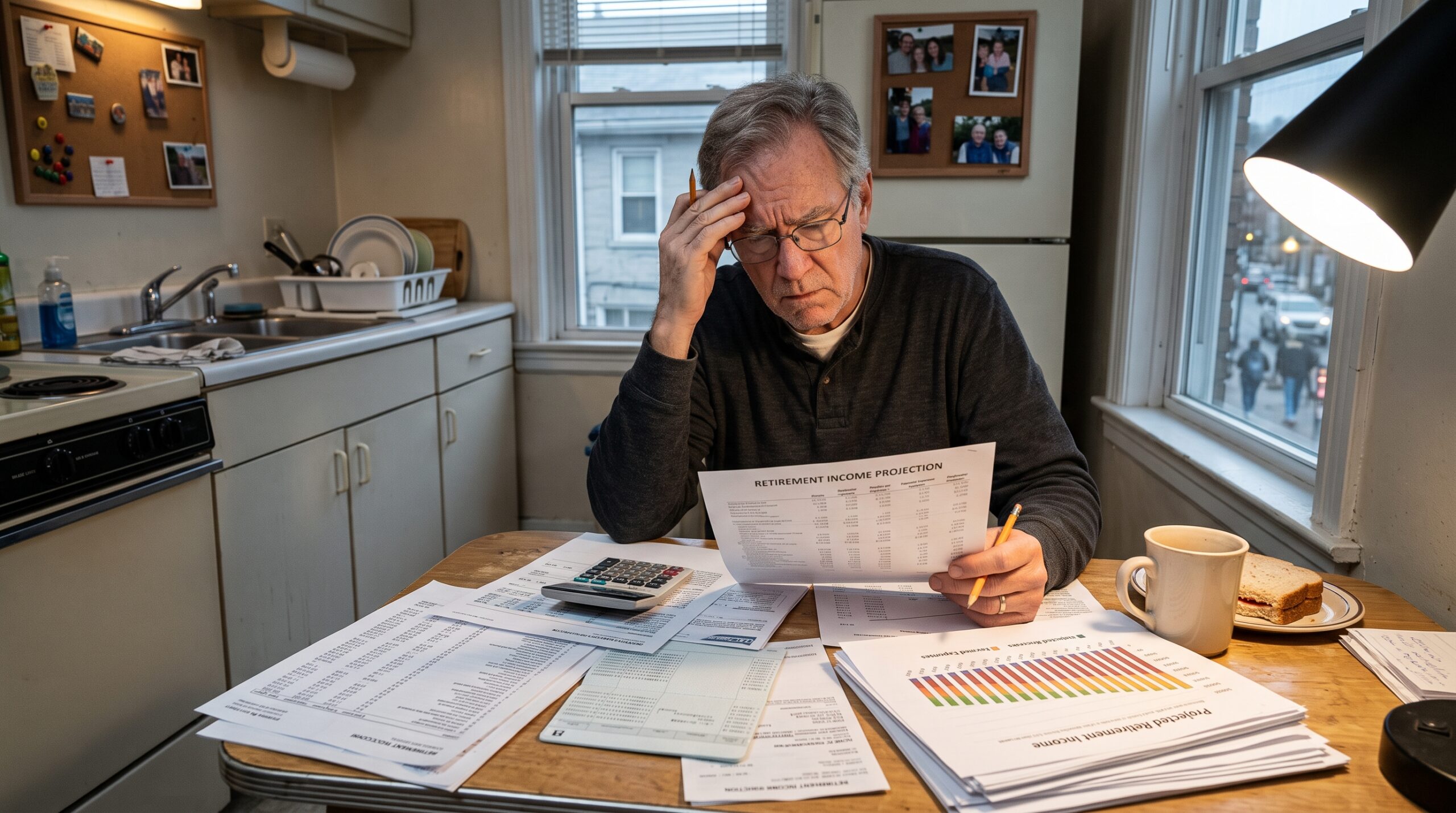

Many Americans say they worry more about running out of money than about dying. In a recent Allianz Life survey, two in three people felt that way, up from 57% in 2022. Some studies suggest as many as four in 10 households could run short in retirement. Yet real retiree records tell a more mixed story, and the risk is easy to miss until it is close. Part of the reason is surprising: the government does not officially track how often people actually run out of savings. That missing number is where our story really begins.
This article was created with the assistance of AI and reviewed by our editorial team for accuracy and clarity.
The Retirement Risk That Nobody Is Officially Counting

There is no official count of Americans who outlive their savings. Researchers instead follow groups of retirees for years and track what happens to their money. One finding stands out. Long-term studies show about a third of retirees still hold all or more of what they started with two decades into retirement. That is encouraging, but it can create a false sense of security, because averages hide who is actually struggling. The picture changes quickly when you look at who is losing ground. Let’s meet the group where the problems are concentrated.
The Starting Point That Can Decide Everything

Savings declines are concentrated among households that retire with less than $200,000 and no pension. A pension pays a set income for life, so it takes pressure off personal savings. Without one, every dollar has to stretch further, and a smaller nest egg leaves little room for surprises like a big repair or a medical bill. Many people never run the numbers on this until they stop working. Two things matter most: how much you start with and how much guaranteed income you have. So how many households have neither? The answer is larger than most people expect.
Millions of Older Households Have No Safety Cushion
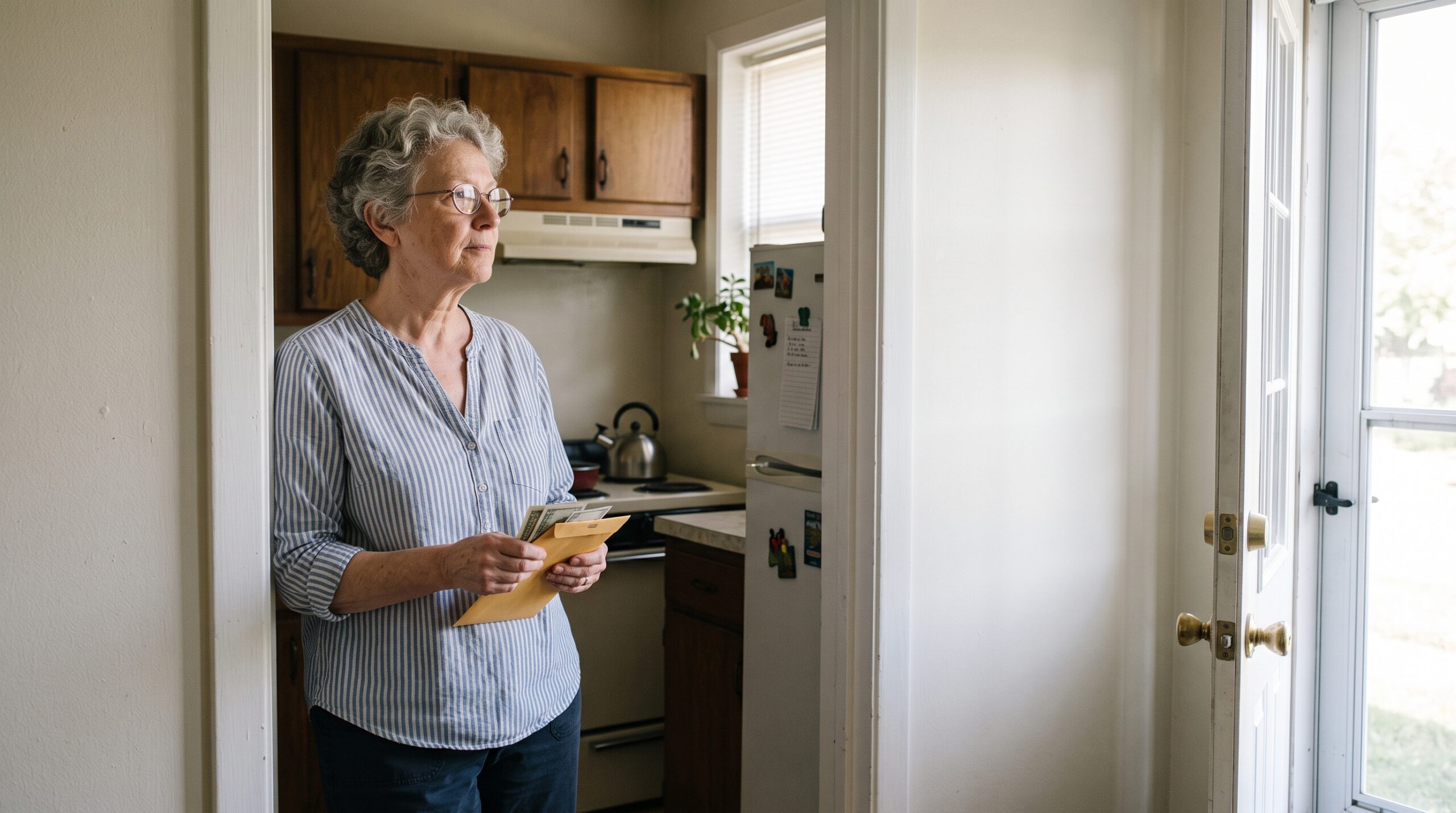
About 11.6 million households headed by someone 65 or older, roughly three in 10, have neither a retirement account nor a pension. That comes from an Investopedia analysis of the Federal Reserve’s 2022 Survey of Consumer Finances. For these households, the challenge is often not watching savings shrink but never having much to begin with. That is a big group relying on other income sources, and many may not realize how thin their margin is. Of course, having a retirement account does not guarantee comfort either. The numbers on typical savings tell a surprising story.
What a Typical Retirement Account Really Holds

Fewer than one in 30 Americans reach retirement with a million dollars saved. For households aged 65 to 74, the average retirement savings is $609,000, but the median is only about $200,000. The average gets pulled up by a small number of very large accounts, while the median shows what a typical household has. The number of 401(k) millionaires hit a record of about 497,000, which makes headlines but can make the typical situation look better than it is. So what happens when savings run low? Most retirees look to one familiar source next.
Social Security Helps, but It May Not Be Enough

When savings run dry, most retirees fall back on Social Security. That safety net matters, but on its own it may not cover everything. If savings run out a decade or two into retirement and steep healthcare costs arrive, Social Security alone probably will not be enough. This is the kind of risk people rarely plan for, since it shows up years after they stop working. Interestingly, some retirees seem to sense the danger and respond in an unexpected way. Their behavior is one of the most surprising findings in retirement research.
Why Some Retirees Spend Far Less Than They Could

Researchers found that married 65-year-olds with at least $100,000 in financial assets withdrew an average of 2.1% of their savings each year, nearly half the usual spending rate. A common rule of thumb says retirees can spend about 4% a year and avoid running out over 30 years. Researchers call this pattern the retirement consumption puzzle. Many retirees may be holding back because they fear outliving their money. That caution can protect savings, but it also hints at how uncertain people feel. And that uncertainty grows when you consider how long retirement can last.
Longer Lives Quietly Stretch Every Retirement Dollar

Living longer is good news, but it stretches your savings. One survey of retirement savers found a 30-year retirement is increasingly the standard. Few people plan for that many years. The strain is not equal for everyone. The same research found 37% of women can only cover one year of expenses with their retirement savings. It pointed to the pay gap, caregiving duties and longer lifespans as reasons. Women often have more years to fund with fewer dollars set aside. Looking ahead, these pressures may affect many more people as the older population grows.
The Retirement Gap May Grow in the Years Ahead

The number of Americans over 65 is projected to climb from about 58 million in 2025 to more than 78 million in 2035. A 2025 Transamerica analysis also found a troubling pattern. Retirees in 41 states and Washington, D.C. are projected to run out of savings before the end of their lives, with an average shortfall of $115,000. Rising living costs add to the pressure. It is a lot to take in, but the story is not hopeless. A few simple habits can improve the odds, and the final slide shows where to start.
Simple Habits That Can Help Your Money Last

The biggest surprise in the data is that many retirees do not run out of money, and planning improves the odds. If you are still working, one older estimate suggests aiming to save about 20% of your income, since saving only 10% may fall short. Review your budget, cut unnecessary expenses and put that money toward retirement. Once retired, withdrawing as little as you can from investments helps your savings last. Starting amount, guaranteed income and spending habits all shape the outcome. Checking in on your own numbers early is the best way to avoid being caught off guard.