Microsoft Says New AI Data Centers Will Use Less Water. What About the 500 Already Running?
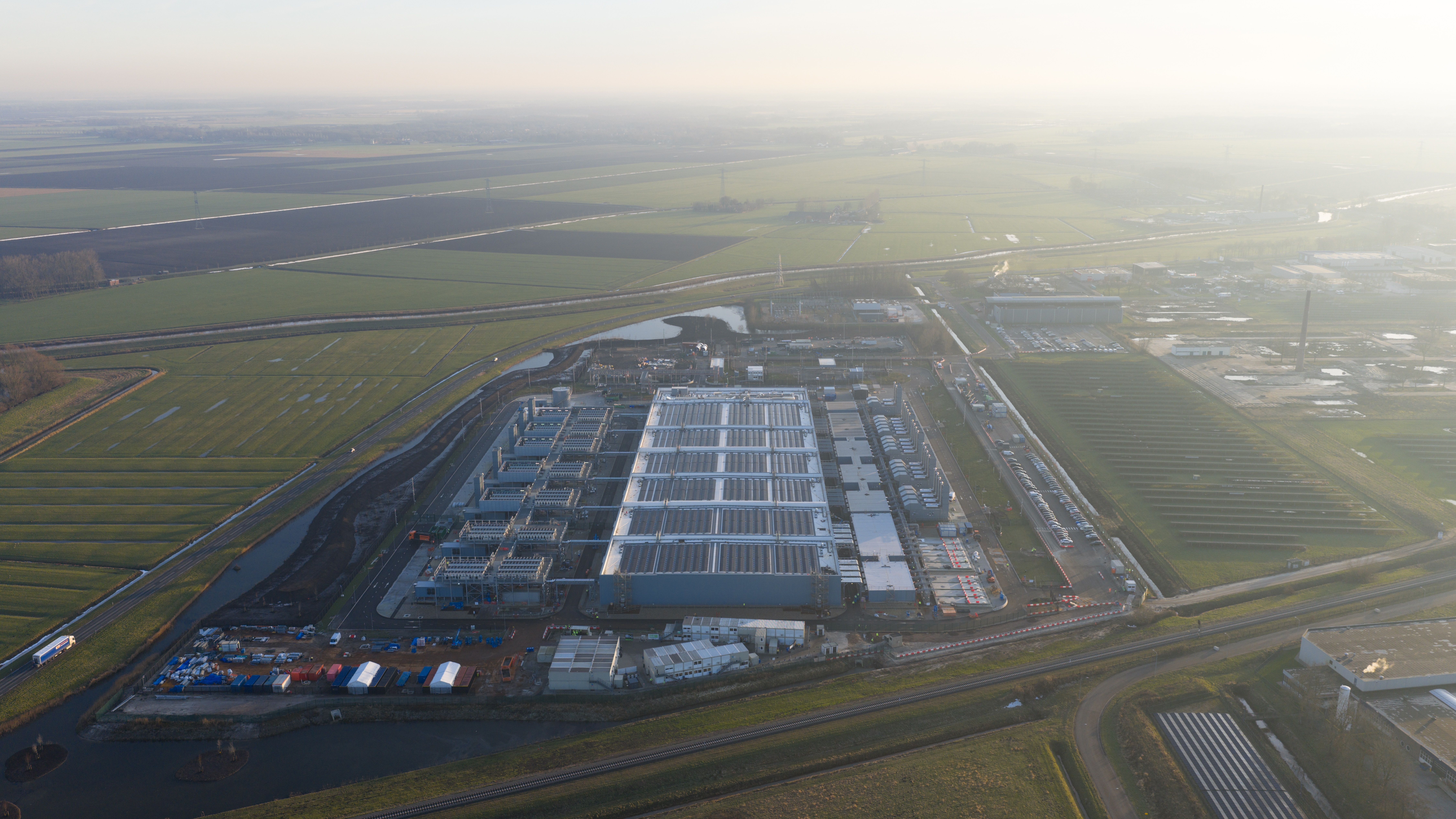

Artificial intelligence is driving an unprecedented expansion of data centers around the world, bringing renewed attention to their environmental footprint. During Microsoft Build 2026, CEO Satya Nadella highlighted a new generation of AI facilities designed to dramatically reduce water consumption. While the announcement points to meaningful technological progress, questions remain about how much of Microsoft’s existing infrastructure can benefit from these innovations.
The Promise of Near-Zero Water Consumption
Microsoft has introduced a new cooling architecture that significantly reduces the amount of water required to operate AI data centers. According to CEO Satya Nadella, some of the company’s latest facilities can function with almost no ongoing water consumption after their cooling systems are initially filled. The announcement was presented as part of Microsoft’s broader Community-First AI Infrastructure strategy, which aims to address concerns about the impact of large-scale technology projects on local communities.
A Comparison That Turned Heads

During his keynote presentation, Nadella stated that the yearly water use of these next-generation facilities is roughly comparable to that of a single restaurant. Although Microsoft did not specify the size or type of restaurant used in the comparison, the statement attracted attention because modern hyperscale AI data centers have traditionally required enormous amounts of water to keep servers operating within safe temperature ranges.
Why Traditional Data Centers Consume So Much Water

Conventional data centers often rely on evaporative cooling systems, which continuously use fresh water to remove heat generated by computing equipment. As artificial intelligence workloads become more demanding, the amount of heat produced by processors increases, making cooling one of the most resource-intensive aspects of data center operations. This has led environmental groups and local communities to scrutinize water usage more closely.
The Technology Behind Microsoft’s New Approach

Microsoft’s latest design is built around a closed-loop liquid cooling system. Instead of constantly drawing new water supplies, the system is filled during construction and then recirculates the same water repeatedly throughout its operational life. More than 90 percent of the facility’s cooling needs are handled through this closed-loop process, reducing the dependence on fresh water sources.
How the Cooling System Works

The process involves circulating cooled water through heat exchangers connected to AI hardware. As the liquid absorbs heat from the equipment, it travels to a large chiller plant where cooling fans release the heat into the environment. The cooled water is then sent back through the system to repeat the cycle. Because the water remains within the loop rather than evaporating, overall consumption is dramatically lower than in traditional designs.
Potential Savings on a Massive Scale

If deployed widely, the technology could help Microsoft save billions of gallons of water over time. The reduction becomes particularly significant when considering the growing number of AI-focused facilities being developed worldwide. As demand for advanced computing continues to increase, efficient cooling systems may play a crucial role in balancing technological growth with environmental responsibility.
The Fairwater Campus Leads the Way

At present, the new cooling architecture has been implemented at Microsoft’s Fairwater AI data center campus in Mount Pleasant, Wisconsin. The facility serves as a showcase for the company’s latest infrastructure strategy and demonstrates how future AI data centers could operate with substantially lower water requirements. Microsoft has also indicated that additional facilities based on the Fairwater model are already under construction across the United States.
A Long-Term Environmental Goal

The rollout of these facilities supports Microsoft’s broader objective of becoming water positive by 2030. Under this commitment, the company aims to replenish more water than it consumes globally. The strategy aligns with increasing pressure from governments, regulators, and local communities for technology companies to take greater responsibility for their environmental impact.
The Challenge of an Existing Global Network
Despite the promise of the new design, Microsoft already operates a vast network of data centers around the world. Azure’s infrastructure includes more than 500 facilities spread across 80 regions, many of which were built before the introduction of the Fairwater cooling system. As a result, the water-saving benefits highlighted by Microsoft currently apply only to a small portion of its overall infrastructure footprint.
Questions About Retrofitting Older Facilities

One of the biggest unanswered questions is whether Microsoft’s existing data centers will eventually be upgraded with similar technology. The company has not announced a large-scale retrofit program to convert older facilities to the new closed-loop cooling model. Until such plans emerge, critics argue that the “restaurant-level” water consumption figure reflects the future of Microsoft’s infrastructure rather than the reality of its current global operations.
The Bigger Debate Around AI Infrastructure

Microsoft’s announcement highlights a challenge facing the entire artificial intelligence industry. As companies race to build larger computing clusters to support advanced AI systems, they must also address growing concerns about energy use, water consumption, and community impact. Competitors such as Google have introduced similar sustainability commitments, including goals to replenish more water than their data centers consume by 2030. The coming years will likely determine whether these environmental pledges can keep pace with the rapid expansion of AI infrastructure.