Meet the Astronauts Behind NASA’s Artemis II Mission to the Moon
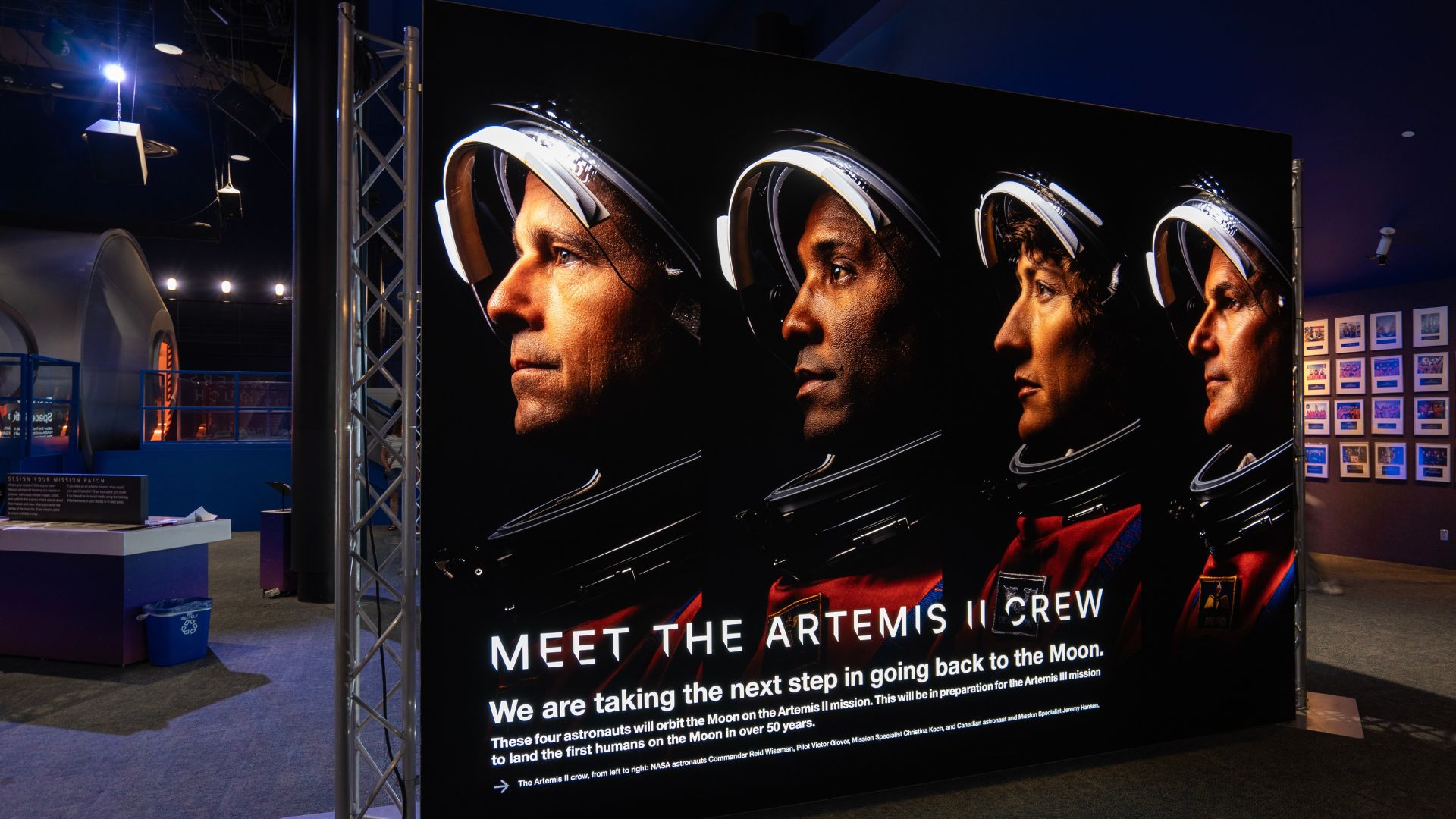

NASA’s next chapter in human space exploration is taking shape with Artemis II, a mission designed to carry astronauts around the Moon and back, setting the foundation for future lunar landings. The crew selected for this journey represents a mix of experience, resilience, and international collaboration, each bringing a unique story to one of the most ambitious missions in decades.
Reid Wiseman’s Leadership Journey
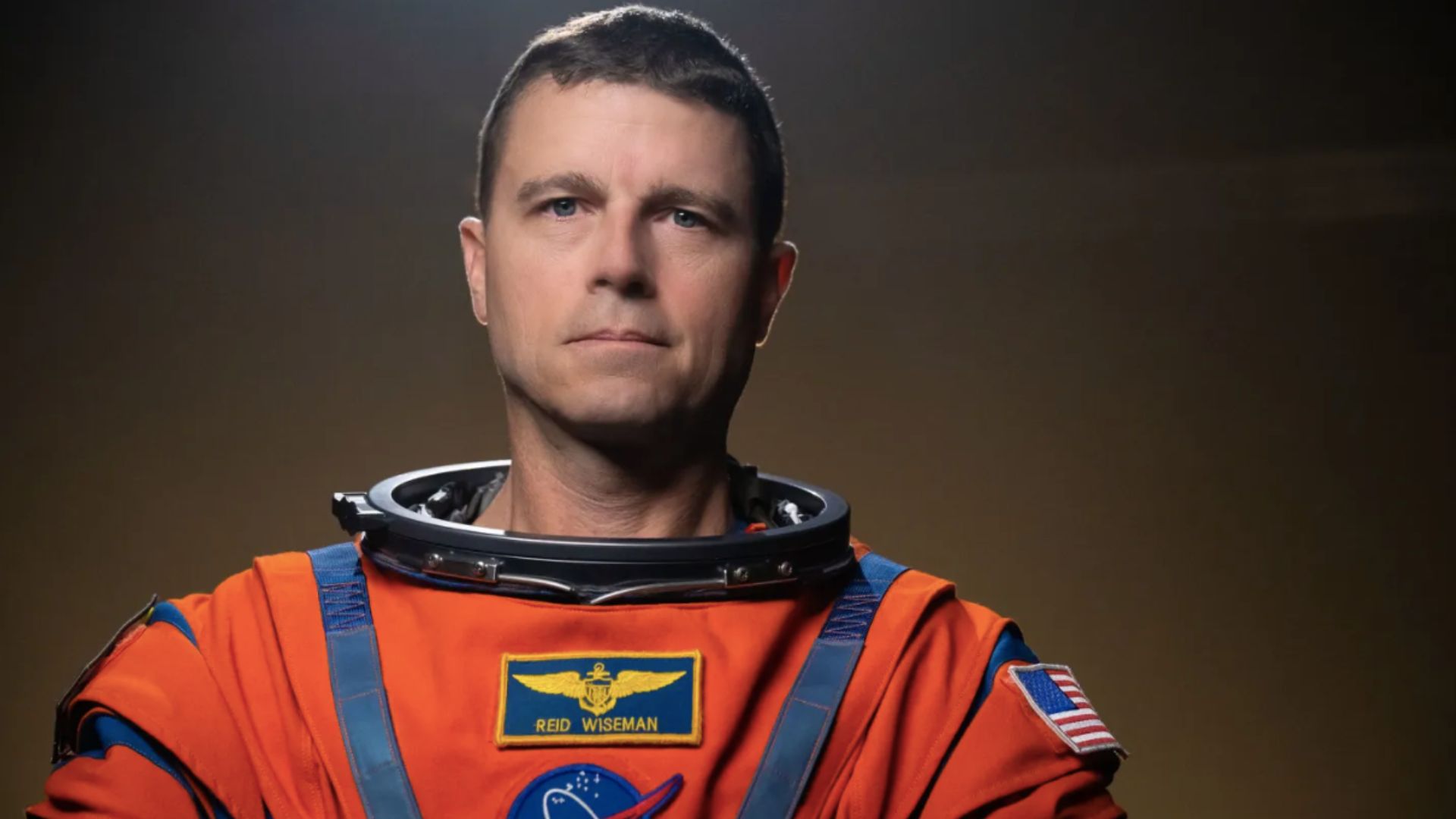
Reid Wiseman leads Artemis II with a background rooted in engineering and naval aviation, combining technical precision with operational discipline. Having previously spent over five months aboard the International Space Station, he understands both the demands of spaceflight and the human dimension behind it, especially as a single father balancing personal loss with professional purpose, which adds depth to his leadership on this historic mission.
Victor Glover’s Path From Navy to Orbit
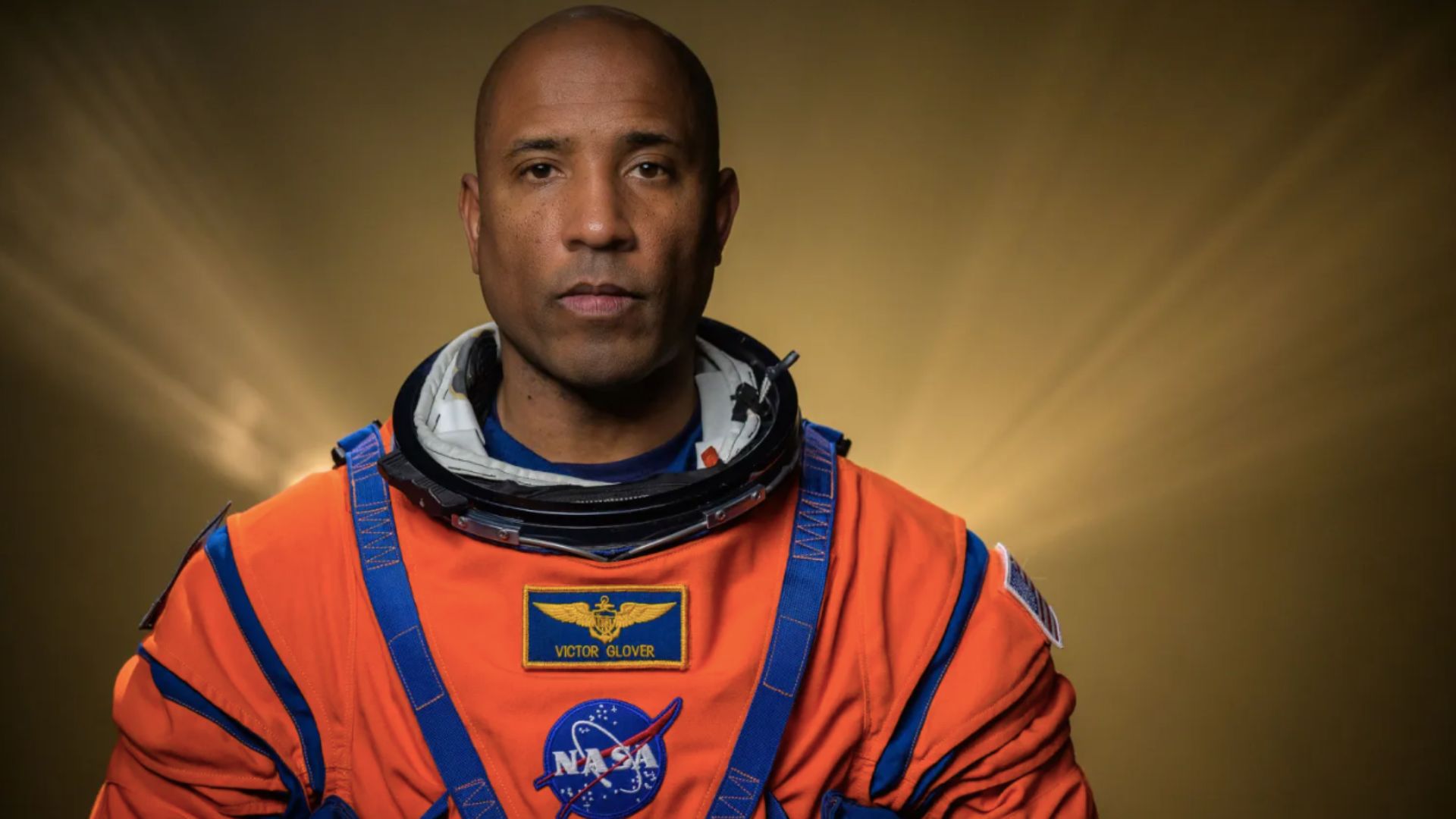
Victor Glover brings a strong mix of academic achievement and real-world flight experience, having piloted advanced aircraft and completed a long-duration mission aboard the International Space Station. His journey reflects resilience and adaptability, particularly during challenging personal moments, reinforcing the emotional and mental strength required to take on a mission of this magnitude.
Christina Koch’s Record-Breaking Exploration
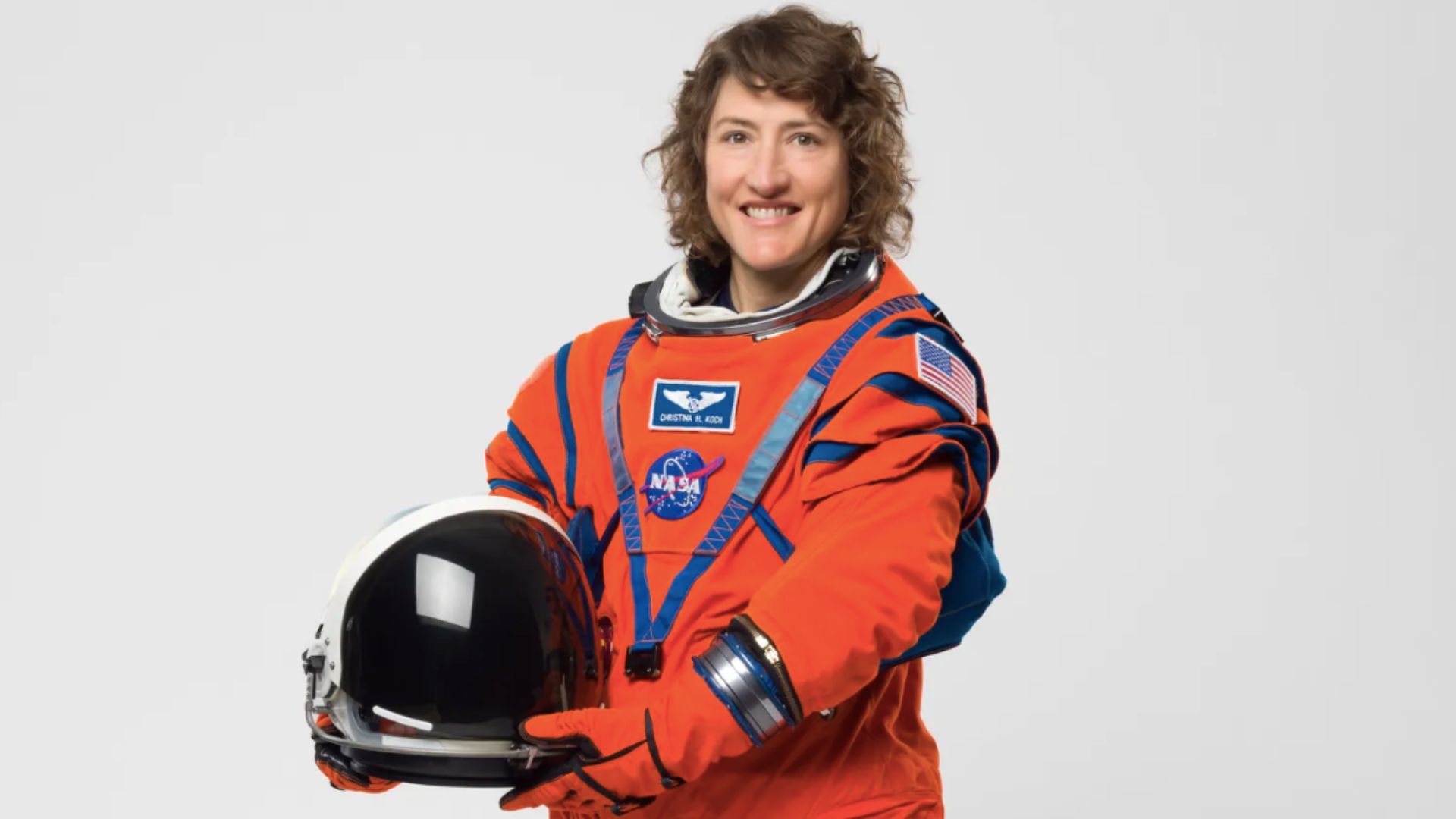
Christina Koch stands out as a pioneer in space exploration, holding the record for one of the longest single spaceflights by a woman. Her experience spans extreme environments on Earth and in orbit, from Antarctica to spacewalks, positioning her as a key figure in advancing not only scientific discovery but also representation in human spaceflight.
Jeremy Hansen’s Historic Canadian Milestone
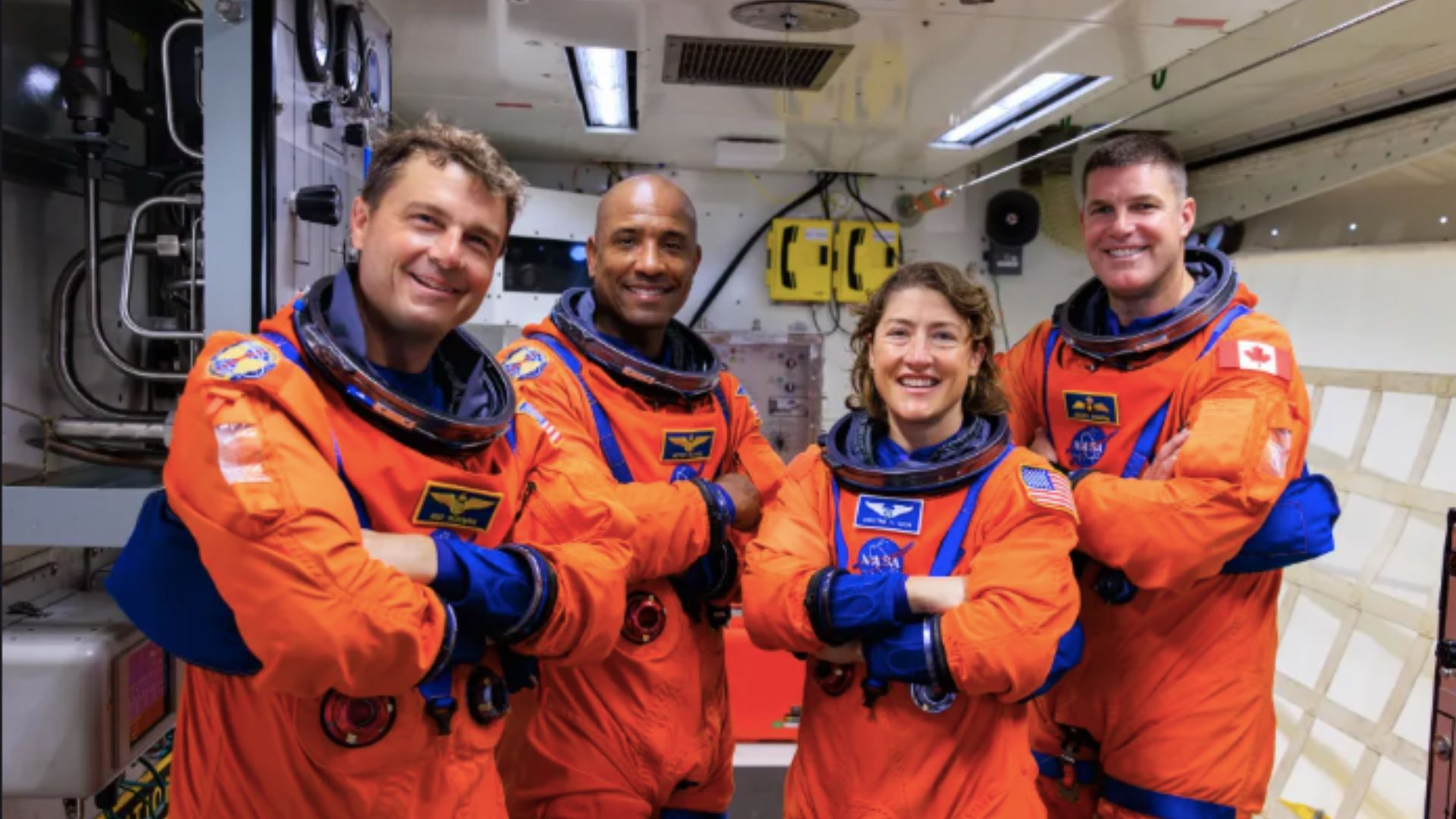
Jeremy Hansen represents a significant milestone for Canada, becoming the first Canadian astronaut to venture beyond low-Earth orbit. His career, shaped by early aviation training and military service, reflects a lifelong commitment to flight and exploration, now extending into deep space as part of this groundbreaking mission.
A Mission That Goes Beyond Orbit
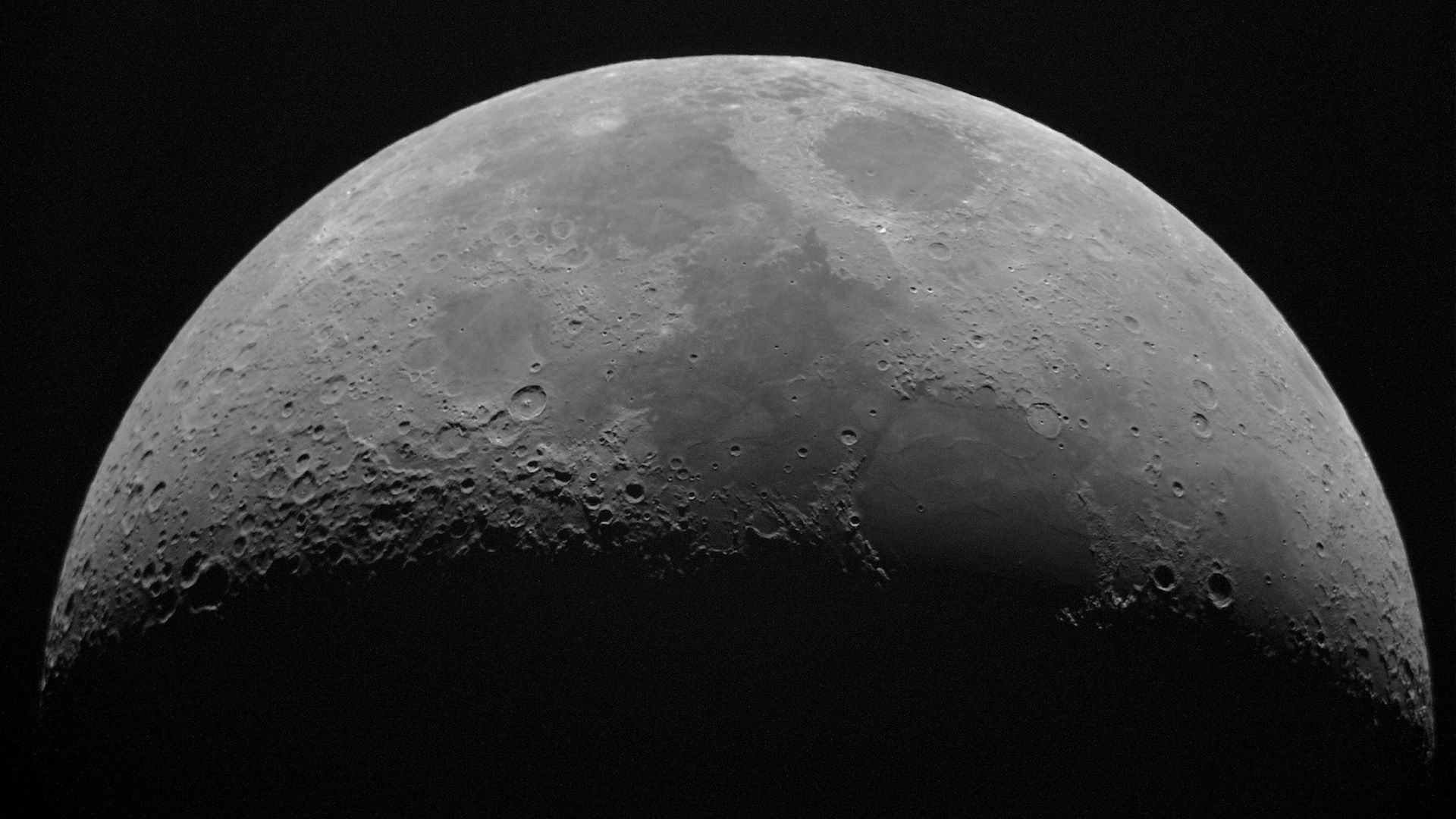
The Artemis II mission is not just another spaceflight, it marks humanity’s return to the Moon’s vicinity after decades. Unlike missions confined to Earth’s orbit, this journey will take astronauts around the far side of the Moon, offering a perspective that very few humans have ever experienced, reinforcing the symbolic and scientific importance of this step.
Training for Precision and Risk
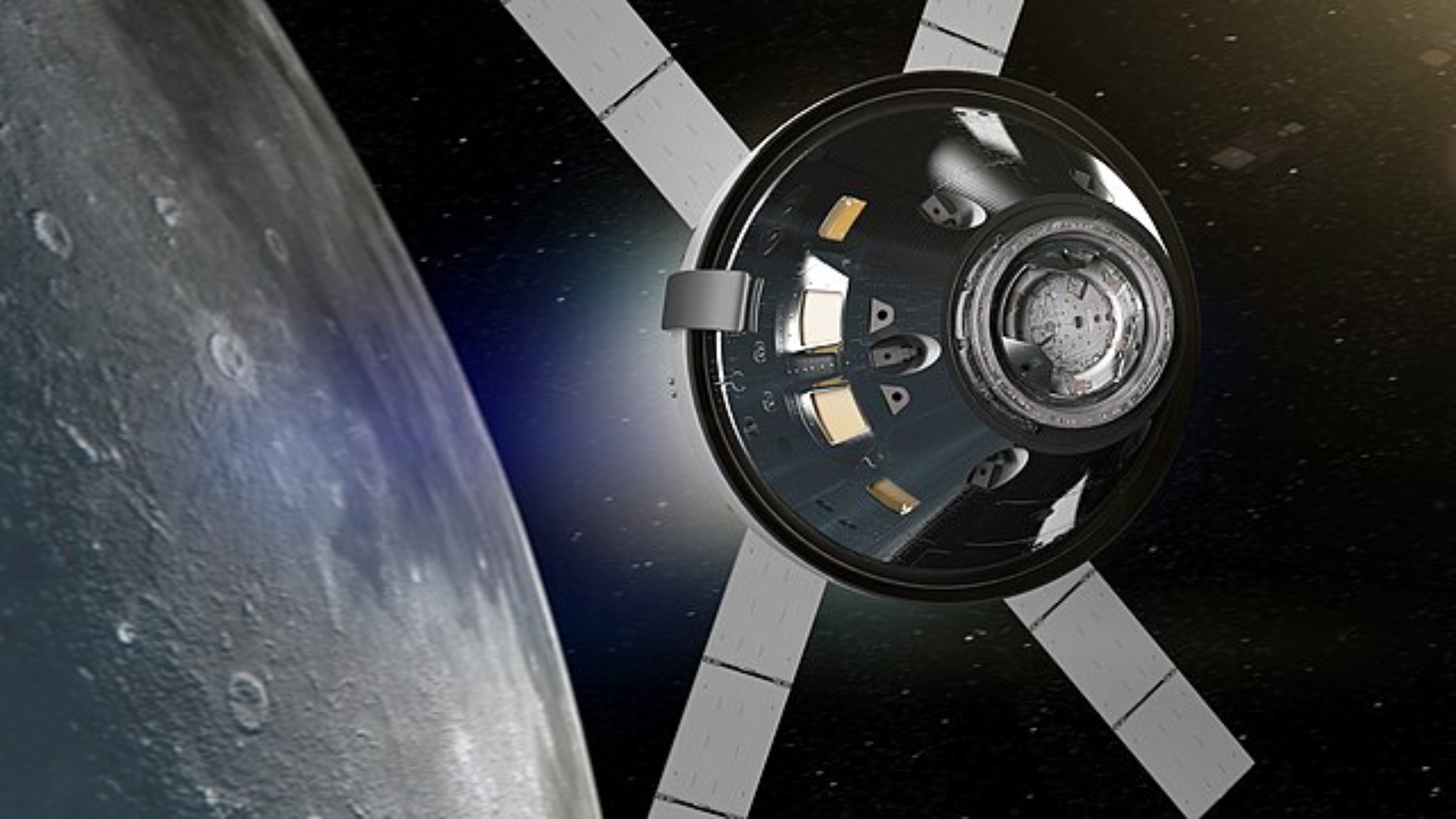
Behind the scenes, the crew has undergone years of rigorous preparation, simulating every possible scenario to ensure mission success. This level of training highlights the complexity of deep space travel, where precision, coordination, and trust are essential, especially for a mission that serves as a test flight for future lunar landings.
The Human Side of Space Exploration
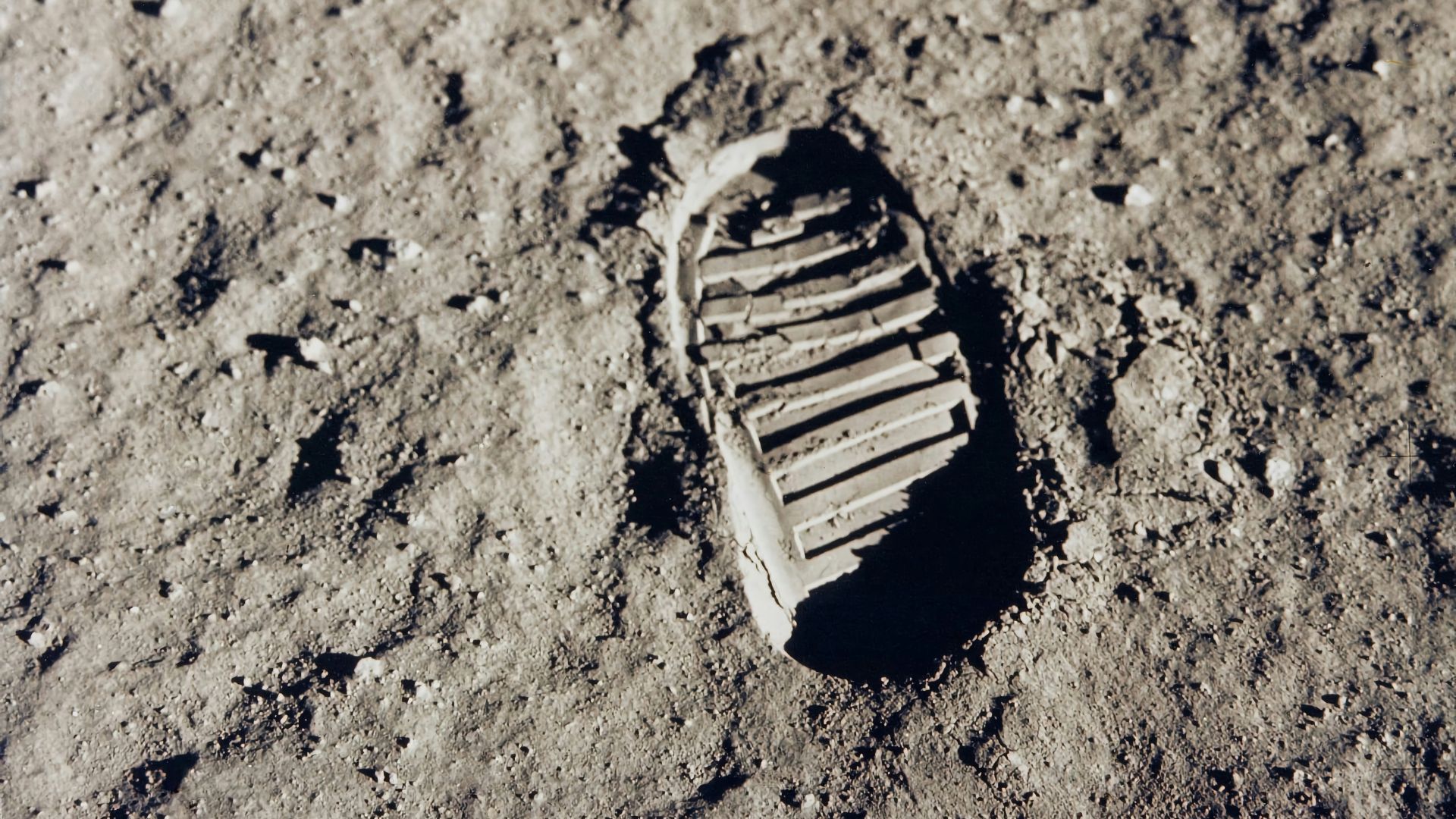
Each astronaut carries personal motivations that extend beyond professional achievement, from family support to individual dreams. These human elements bring relatability to a mission often viewed through a purely technological lens, reminding us that exploration is driven as much by emotion and curiosity as by science.
A Step Toward Future Lunar Landings
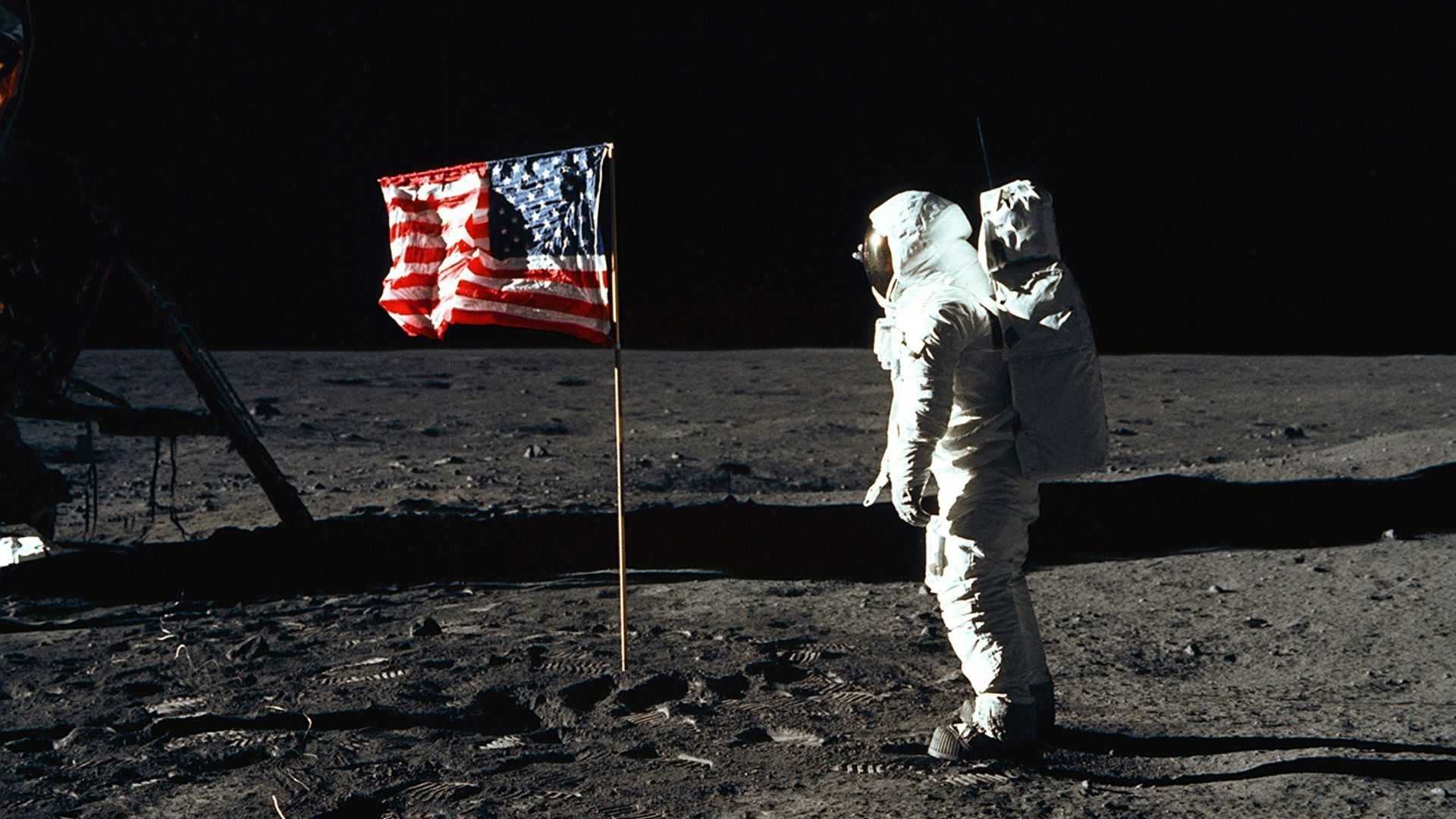
Artemis II plays a critical role in paving the way for upcoming missions that aim to land humans on the Moon again. By testing systems, spacecraft, and crew operations, this mission builds confidence for more complex objectives, including establishing a long-term human presence on the lunar surface.
International Collaboration in Space
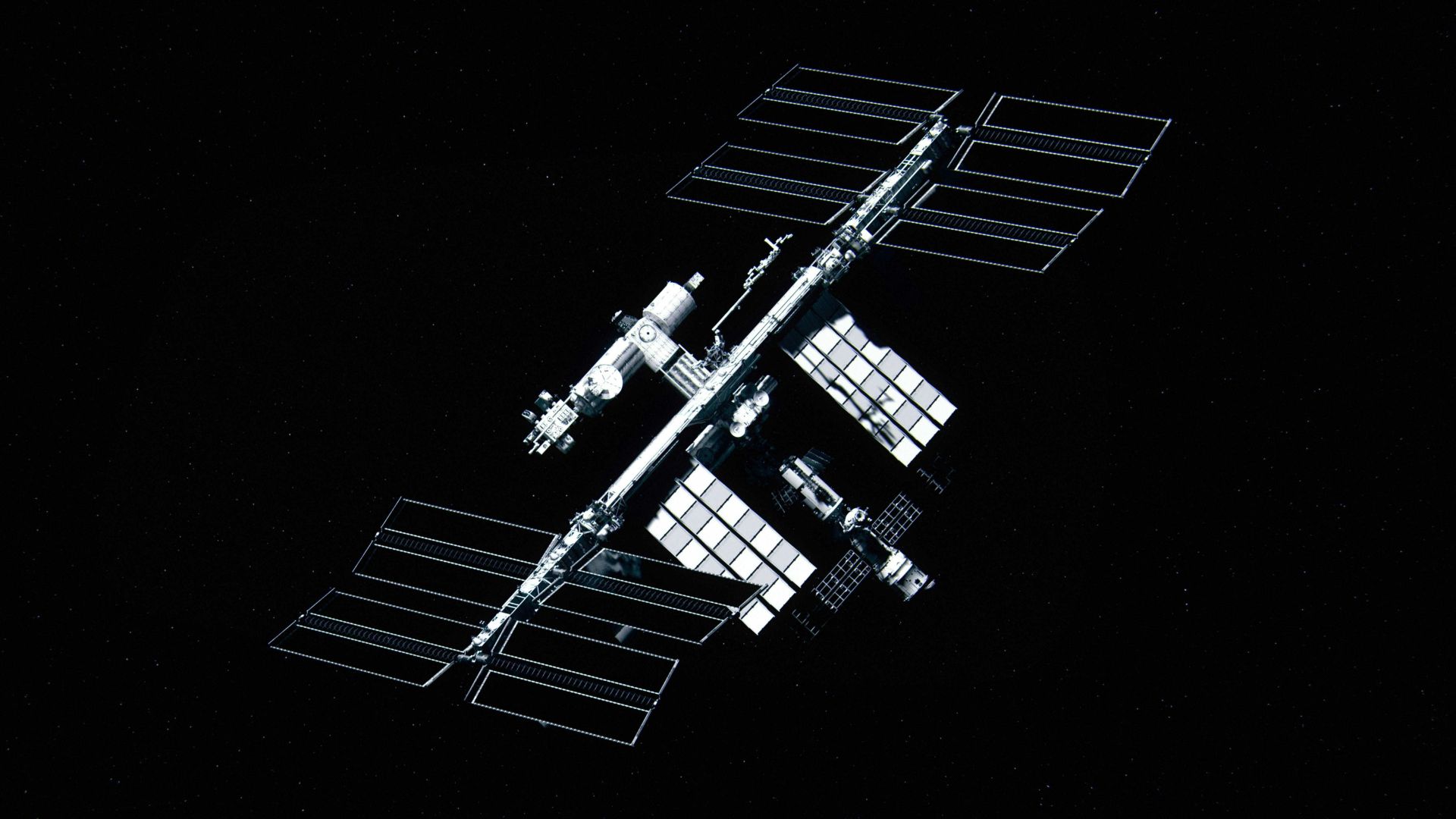
The inclusion of a Canadian astronaut underscores the collaborative nature of modern space exploration. Missions like Artemis II reflect a broader global effort, where knowledge, resources, and ambition are shared across nations to achieve milestones that no single country could accomplish alone.
Redefining the Moon as a Destination
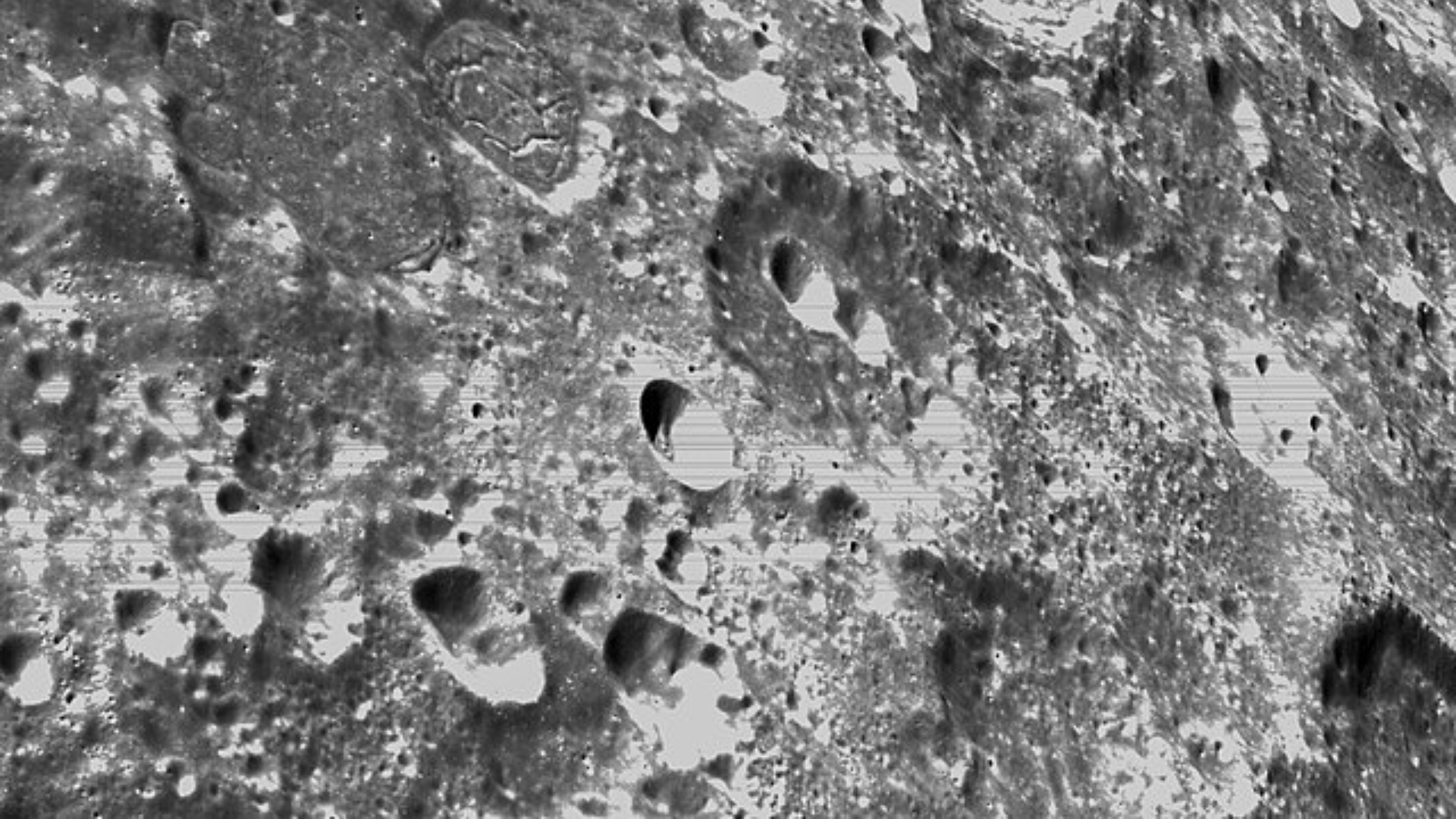
Perhaps the most powerful aspect of Artemis II is how it reshapes our perception of the Moon, transforming it from a distant object into a reachable destination. As astronauts prepare to journey beyond Earth’s orbit once again, they are not only advancing science but also inspiring a new generation to see space as a place where humanity belongs.