Medicare Open Enrollment Is Coming. Don’t Assume Your Current Plan Is Still the Best Deal



Keeping the Medicare plan you already have certainly sounds easier than shopping again. But “nothing changed for me” does not necessarily mean nothing changed in your plan. Medicare Open Enrollment runs from Oct. 15 through Dec. 7, and decisions made during that window take effect Jan. 1. This year, the details deserve a closer look. Costs can rise, doctors can leave networks and drug coverage can change, even when last year’s plan worked perfectly well.
First, This Isn’t About Re-Enrolling From Scratch

Open Enrollment is essentially Medicare’s annual change window for people already enrolled. Depending on your current coverage, you can switch Medicare Advantage plans, move between Medicare Advantage and Original Medicare, or join, drop or change a Medicare drug plan. You don’t have to change anything simply because the window opens. The point is to check whether what worked in 2026 will still work for you in 2027.
That Boring Notice in Your Mail Could Save You Money

Before automatically renewing, find the notice of change sent by your plan. This is where an otherwise familiar plan can reveal a surprise. Your premium may increase. Copays could change. A benefit you used this year might look different next year. The Motley Fool also notes that another available plan could potentially provide similar drug coverage or supplemental benefits for a lower premium or copay. Suddenly, that envelope looks a little less disposable.
Your Favorite Doctor Is Worth Checking, Too

Price isn’t the only reason to compare plans. If you have Medicare Advantage, a doctor or other provider who is in-network now may not remain in-network for 2027. That can turn an otherwise acceptable plan into a frustrating one, particularly when you’ve spent years building a relationship with a physician. Checking next year’s provider network before enrollment closes can help you avoid discovering the change when you’re trying to schedule an appointment.
Prescription Coverage Is Where Things Get Interesting

Drug coverage deserves its own check, even if your prescriptions haven’t changed. FinanceBuzz reports that the number of available standalone Medicare Part D plans has dropped sharply, from about 30 in 2021 to just 11 in 2026. That shrinking field means some beneficiaries could find their current option unavailable for 2027. And even if yours survives, the numbers attached to Part D are changing in ways that can hit your wallet.
One Part D Number Jumps by $85

Here’s one increase that’s easy to understand. The maximum Part D deductible rises from $615 in 2026 to $700 in 2027, an $85 jump. If your plan has that deductible, you may have to cover more prescription costs before reaching the next stage of coverage. After meeting the deductible, FinanceBuzz says beneficiaries continue paying 25% coinsurance on covered generic and brand-name prescriptions until reaching the out-of-pocket limit.
And Another Important Number Is Going Up $300

The Part D out-of-pocket cap is also increasing. It moves from $2,100 in 2026 to $2,400 in 2027. That difference may barely register for someone with inexpensive prescriptions. For a beneficiary taking costly medications, another $300 of potential annual spending is much harder to shrug off. It’s also a good reminder that comparing plans based only on the monthly premium can miss the costs that matter once you actually start filling prescriptions.
The Cheapest Premium Can Still Be the Expensive Choice

A low monthly premium looks great on a comparison screen. But your real cost can include deductibles, copays, coinsurance and prescription spending, along with what happens when a provider you want is outside the network. Benefits matter, too. One Medicare Advantage plan might offer more supplemental benefits at a similar price. The useful comparison, then, isn’t simply “Which premium is lowest?” It’s “What am I likely to pay for the care and medications I actually use?”
Switching Back to Original Medicare Has Another Catch
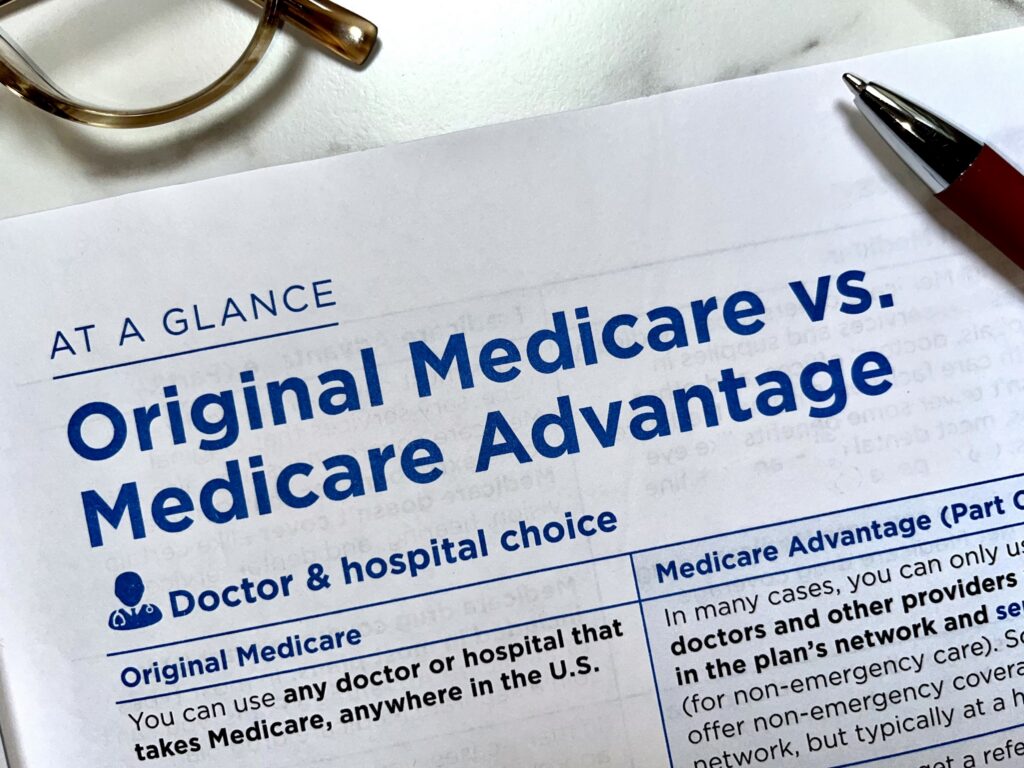
Thinking about leaving Medicare Advantage? There’s another layer to consider before clicking anything. Medicare says people switching to Original Medicare may need a separate drug plan and may want Medigap, private supplemental insurance that helps with certain out-of-pocket costs. But Medicare also warns there are limits on when you can add Medigap coverage. So a switch that looks attractive on one comparison page can involve decisions beyond simply choosing Original Medicare.
December 7 Is the Deadline That Actually Matters

You don’t need to spend the entire fall obsessing over Medicare plans. You do need to avoid discovering a problem on Dec. 8. Medicare must receive an Open Enrollment request by Dec. 7 for the change to take effect Jan. 1. Between now and then, the useful homework is wonderfully unglamorous: check next year’s costs, prescriptions, pharmacy coverage, provider network and benefits. If your current plan still wins after that comparison, keeping it becomes an informed choice rather than an automatic one.