Medicare Just Revealed New Lab Payment Rates, and Labs Aren’t Happy

The Centers for Medicare and Medicaid Services (CMS) posted preliminary 2027 payment rates for clinical laboratory tests on Monday, and lab industry groups pushed back. CMS found that Medicare has been running roughly 16 percent higher than private insurers for the same lab services, a gap the new rates aim to close while saving taxpayers close to $1 billion a year. The agency plans to finalize the rates in November.
The Tests Behind Everyday Care
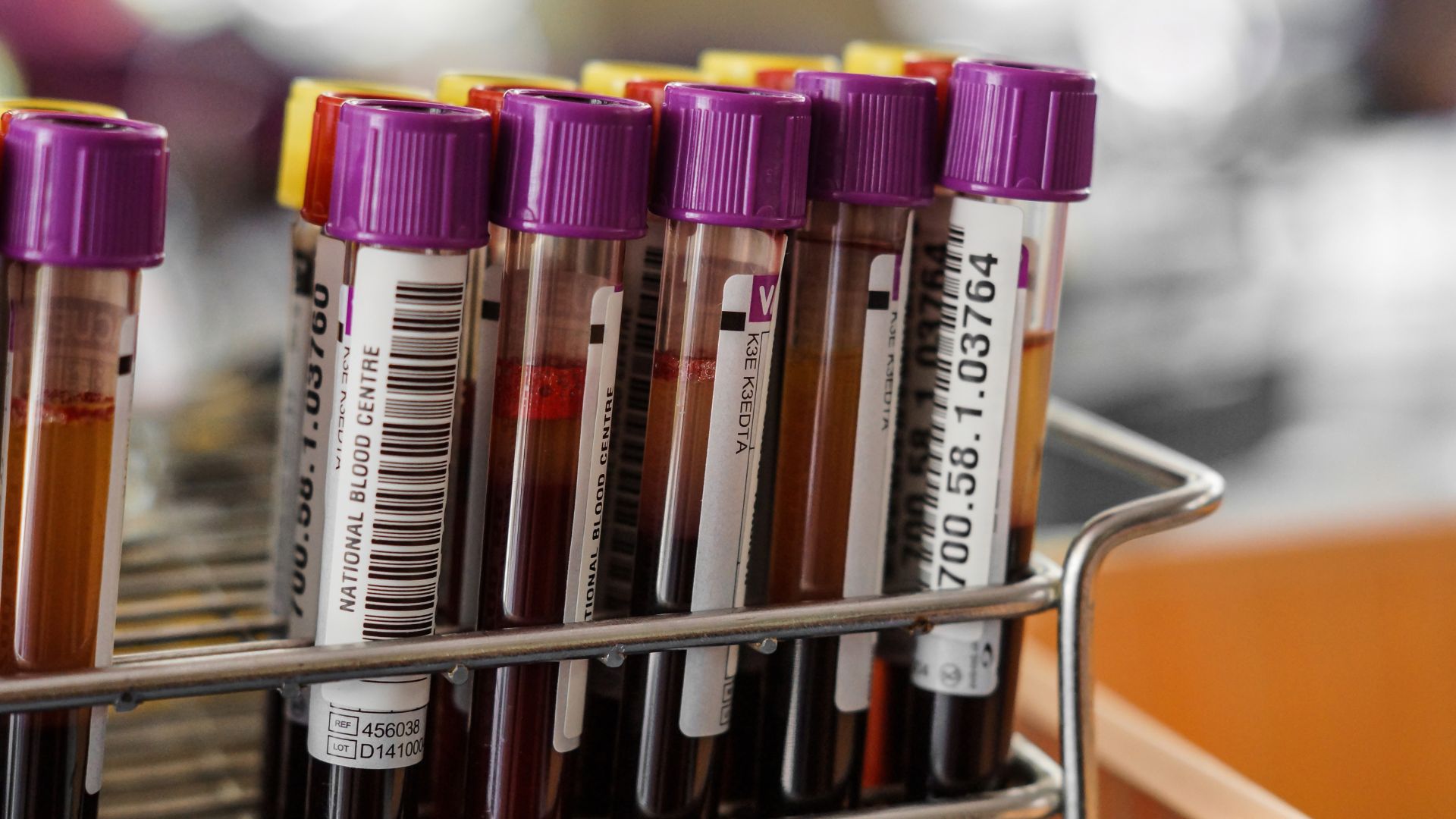
Lab testing touches nearly every corner of modern medicine, from a routine cholesterol check to advanced genetic and cancer screening. Medicare pays laboratories for services such as blood work, urinalysis, and molecular diagnostics through the Clinical Laboratory Fee Schedule, the system now being updated for 2027. Most beneficiaries won’t see their own out-of-pocket costs shift because of the change, per Newsweek, though lab revenue is a different story.
How a 2014 Law Set the Stage
The Protecting Access to Medicare Act (PAMA), enacted in 2014, ties Medicare’s lab payments to prices set by private insurers. ACLA says that link has already produced three straight years of cuts of up to 10 percent, followed by six years where rates stayed frozen. Per Newsweek, lawmakers pushed the next reporting round back repeatedly before finally requiring fresh data collection in 2026.
What CMS Says It Is Aiming For

“Taxpayers and Medicare patients have been paying excessive rates to labs for years, but with some help from Congress, CMS is working to ensure that Medicare isn’t paying more than private insurers for the exact same tests,” CMS Administrator Dr. Mehmet Oz said in a statement. Oz added that releasing the preliminary data offers transparency into market rates and supports better-informed pricing, including in Medicaid and Affordable Care Act Exchanges.
Where the Cuts Could Hit Hardest

CMS pegged the biggest potential losses at genomic sequencing, down 23 percent, and molecular pathology, down 22 percent, according to the agency’s preliminary data. Microbiology and immunology testing each face a possible 19.3 percent cut. Everyday chemistry testing, the category covering many routine blood tests, could drop by 16 percent on average, Newsweek reported, while proprietary lab analysis tests barely move, down just 2.4 percent.
How the Cuts Would Phase In
No single test’s payment can fall by more than 15 percent in one year through 2029, per federal law, so CMS said any steeper cut gets spread across several years instead. ACLA puts the number of affected tests at nearly 1,200, with 775 hitting that 15 percent ceiling right away in 2027, MedTech Dive reported, before further reductions land in 2028 and 2029.
A Question About the Data
ACLA’s objection is about how the underlying data was gathered, not the math. The group says CMS built these rates from figures covering only 2 percent of labs paid under Medicare Part B in 2024. “The result is a distorted and incomplete picture of the market that drives payment cuts,” ACLA said. Quest Diagnostics raised a similar complaint to Newsweek, arguing the system never gathers enough representative private-payor data to begin with.
Lab Groups and Lawmakers Push for Reform

Quest wants Congress to replace the current methodology in favor of the Reforming and Enhancing Sustainable Updates to Laboratory Testing Services, or RESULTS, Act. The bill already has backing from over 130 lawmakers and roughly 70 patient and provider groups, Newsweek reported, among them the American Medical Association, American Cancer Society and American Hospital Association. A survey Quest commissioned found 74 percent of registered voters want Congress to head off further cuts.
Markets and Access Concerns

MedTech Dive reported that Quest shares dropped almost 5 percent and Labcorp fell more than 3 percent in Tuesday morning trading, after the rates were released. Newsweek noted industry groups are warning that steep cuts could squeeze testing access in rural and underserved communities. Alex Beene, a financial literacy instructor at the University of Tennessee at Martin, said the real worry is whether repeated cuts price smaller, independent labs out of certain tests.
What Comes Next

Kevin Thompson, CEO of 9i Capital Group and host of the 9innings podcast, told Newsweek that tying payments to private insurance data is a reasonable move overall. His bigger worry looks further out, toward the new rates nudging traditional Medicare toward a Medicare Advantage-style model, leaning more on prior authorization and, potentially, more denied claims. CMS is taking public comment for 30 days, with final rates due in November.