Mayor Tells Critics ‘Stare at It, Learn to Like’ New Driver’s License Despite Petition Backlash
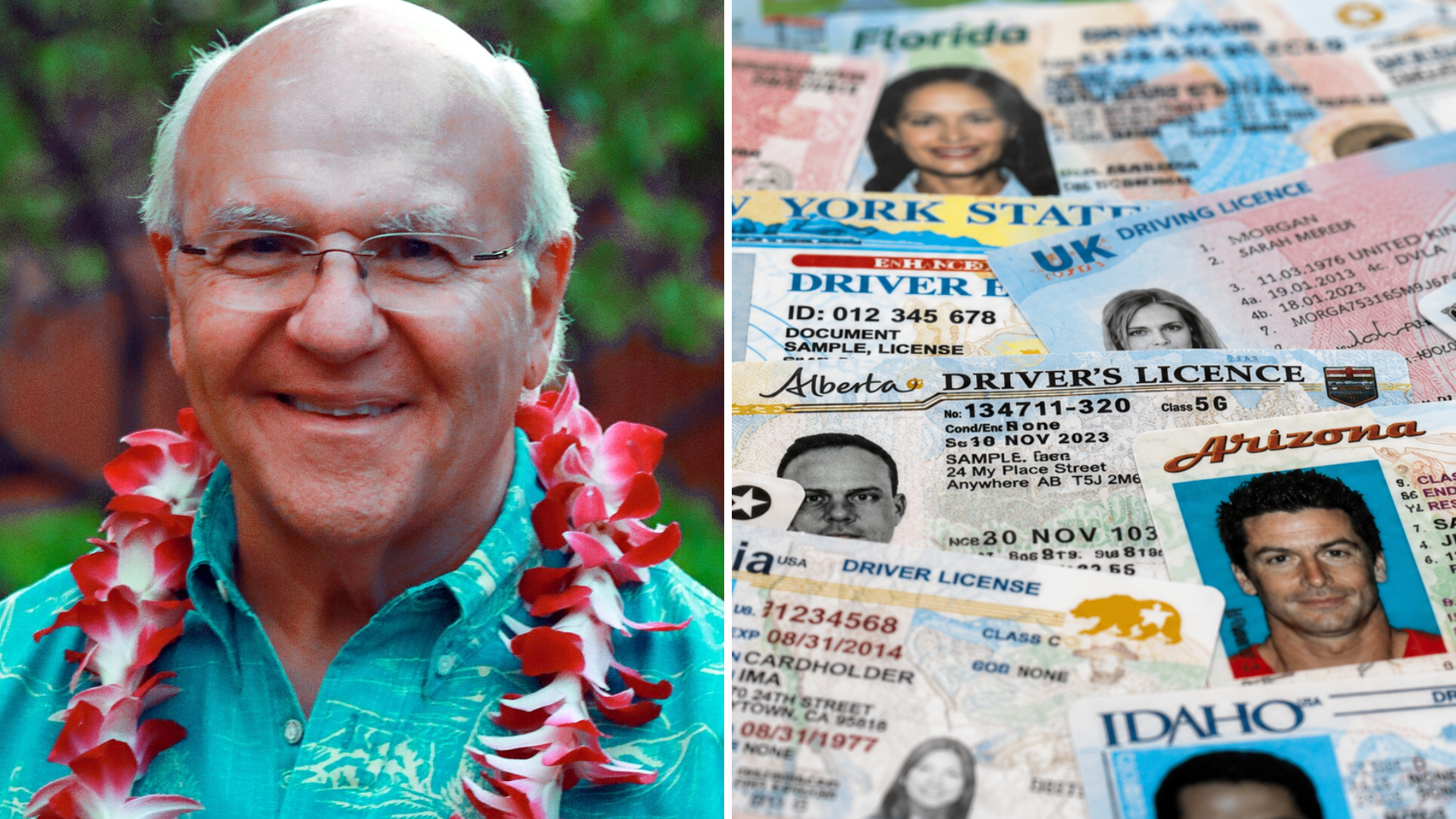

A public apology usually follows public backlash. Honolulu’s mayor skipped that step entirely. Nearly 6,000 residents signed a petition asking officials to redesign Hawaii’s new driver’s license, calling it too plain for a state known for its color and culture. Mayor Rick Blangiardi’s response left no room for compromise. “Take it home,” he told residents at a Tuesday press conference. “Stare at it. Learn to like it.”
The new license replaces a design that had been in place for 17 years, the state’s first major overhaul of the card in nearly two decades. It swaps a vivid rainbow and color photograph for a black-and-white portrait and a muted rainbow, with an outline of the Hawaiian islands added to the front. A breaking wave and Hawaii’s famously long-named state fish appear on the back.
Petitioners never objected to tighter security. Radio hosts Steezy and Puunui, who started the Change.org petition on June 30, said their complaint was about looks and process, not safety. “It’s not that we don’t support the new security features,” they told Hawaii News Now, explaining they simply wanted local artists and cultural voices involved in choosing what the card actually looks like going forward.
The Redesign Was Built for Security, Not for Style
Officials insist the redesign was never really about style at all. More than 50 separate security features were built into the new cards specifically to fight forgery, identity theft, and tampering, according to Honolulu’s Department of Customer Services. That focus on protection over appearance is exactly where the disagreement between officials and residents seems to start, since both sides are arguing from different priorities entirely.
The card’s materials changed just as dramatically as its look. It is now made entirely from polycarbonate, with multiple plastic layers fused together without any adhesive holding them in place. Customer Services Director Kim Hashiro says that construction makes the card “as durable as safety glasses,” a noticeable upgrade from the older cards that many residents complained wore out or peeled apart within a few years.
Personal information and photographs are now engraved directly into the plastic instead of printed onto its surface, making the card extremely difficult to alter without destroying it completely. Hashiro called the added protections “the most significant improvements” in the entire redesign, describing them as another layer of security that makes the license “almost impossible to alter or duplicate” once fully in circulation statewide.
A Peeling Old License Became the Redesign’s Best Argument
One mayor brought physical proof of why a sturdier card mattered. Hawaii County Mayor Kimo Alameda held up his own deteriorating driver’s license during Tuesday’s press conference, showing reporters how badly the plastic had already begun peeling apart. “It can be copied through a Xerox machine, and that’s really unsettling,” Alameda said, using his own wallet as evidence for why the redesign was overdue.
New holographic elements were also added to fix a separate, practical problem entirely. The updated cards now work properly with Transportation Security Administration ID scanners, addressing earlier complaints that some older Hawaii licenses failed to read correctly at airport security checkpoints. That single fix alone could save travelers real frustration during future trips, regardless of how anyone feels about the card’s overall appearance.
Residents do not have to rush out and replace their current cards immediately. Existing licenses stay valid until their normal expiration date, at which point holders automatically receive the redesigned version in the mail. Anyone eager to get one sooner can request an online duplicate for $7, as long as their name, address, and photograph have not changed since their last renewal.
The Footage That Didn’t Make the Official Video
Footage of Blangiardi’s blunt remarks aired on Hawaii News Now, but the same comments were noticeably absent from the press conference video his own office later posted online. His office did not explain the discrepancy when asked directly. That gap between the public broadcast and the official recording adds a separate layer of tension to a story that was already about public frustration going unheard.
A missing few seconds of footage might seem minor next to a driver’s license redesign, but it raises its own quiet question. If officials are comfortable dismissing public criticism on camera, residents may reasonably wonder why that same dismissal didn’t make it into the version meant to represent the meeting publicly. Selective editing tends to draw more attention than the comments it was meant to soften.
The real dispute here was never really about a rainbow fading or a photo turning black-and-white. It was about whether residents get any real say in decisions that shape something they will carry in their pocket for years. Blangiardi’s answer was blunt and final: stare at it, learn to like it, and don’t expect officials to ask again anytime soon.