Mattel Is Cutting More Jobs and Shifting Away From Toys Toward Digital Games and Movies
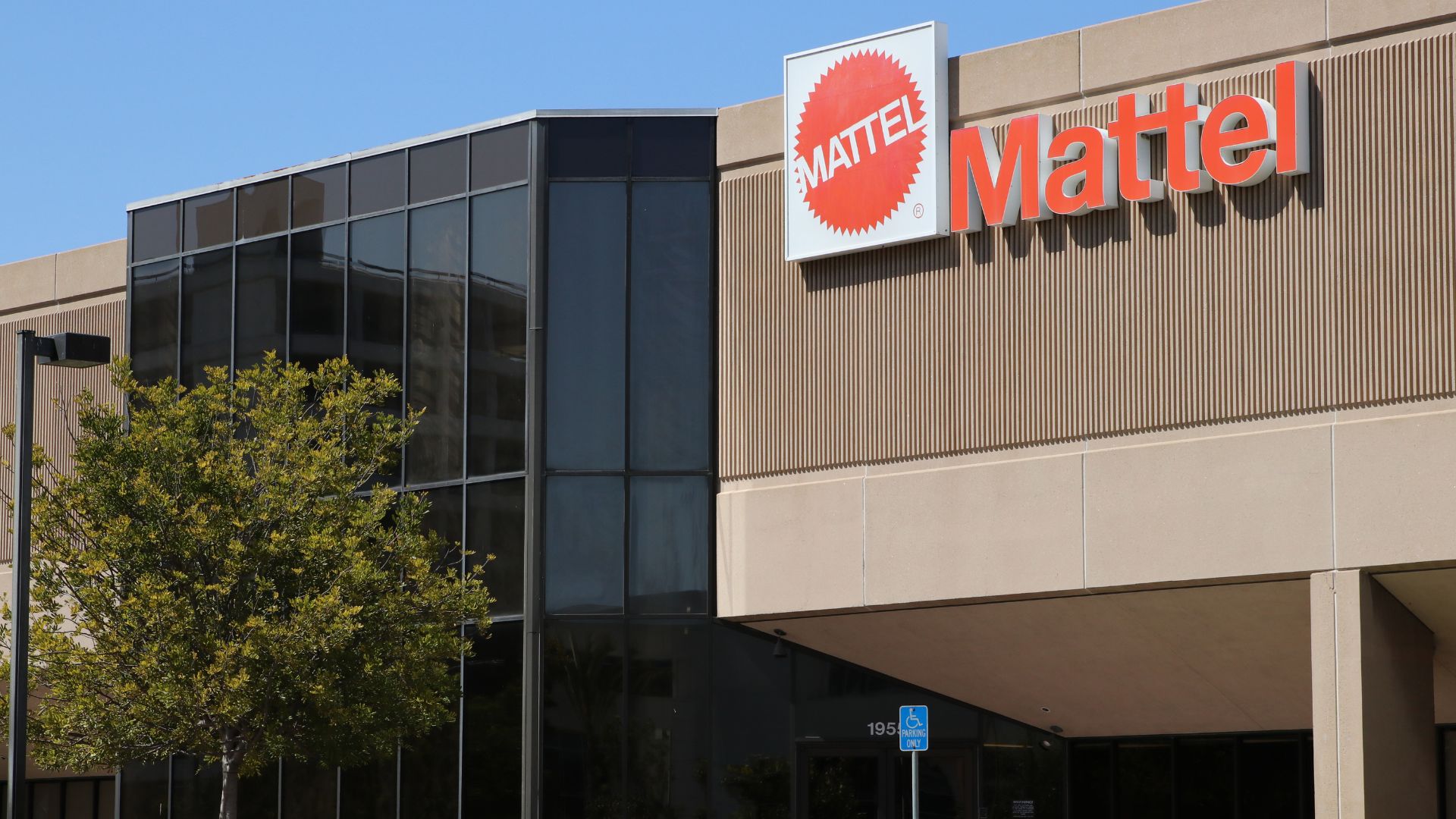

Mattel is undergoing a significant transformation as it adapts to shifting consumer behavior and evolving entertainment trends. While the company remains closely associated with iconic toys, its latest decisions reflect a broader strategy focused on digital experiences and media expansion. Recent layoffs and restructuring efforts highlight a pivotal moment, as Mattel aims to strengthen its position in a more competitive and diversified market.
Workforce Reductions Signal Strategic Reset

Mattel has announced a new round of layoffs affecting dozens of employees, marking another step in its ongoing effort to streamline operations. The company confirmed that 65 positions at its headquarters will be eliminated, with changes taking effect in late May. This follows earlier job cuts over the past year, indicating a consistent push to reshape internal structures and improve efficiency.
Restructuring To Align With New Operating Model

Company representatives explained that these workforce changes are part of a broader restructuring initiative designed to support a more brand-focused operating model. By reorganizing teams and redefining roles, Mattel aims to better align its internal processes with long-term growth priorities and evolving market demands.
Legal Framework Behind Layoff Announcements

As required by law, Mattel submitted a formal WARN notice to inform employees and local authorities about the upcoming layoffs. This process ensures transparency and provides advance notice, giving affected workers time to prepare for the transition while maintaining regulatory compliance.
Ongoing Job Cuts Reflect Broader Organizational Changes

The latest layoffs are not isolated, as earlier reductions included nearly 90 employees at the start of the year. These decisions were tied to adjustments within the company’s global brands division, reinforcing the idea that Mattel is actively reshaping key areas of its business to stay competitive.
Financial Pressures Influence Strategic Decisions

Economic challenges have played a major role in accelerating these changes. In early 2025, Mattel experienced a notable decline in market performance, with its stock dropping sharply and erasing a substantial portion of its market value. These pressures have pushed leadership to rethink priorities and pursue more resilient revenue streams.
Holiday Sales Disappoint And Impact Core Products

A weaker-than-expected holiday season further highlighted vulnerabilities in Mattel’s traditional toy segment. Although Barbie saw renewed attention following its recent cultural resurgence, sales did not maintain the same momentum, contributing to an overall dip in performance across key product lines.
Annual Revenue Shows Slight Decline

Mattel reported annual net sales of approximately $5.3 billion for 2025, representing a slight decrease compared to the previous year. While the decline may appear modest, it reflects broader shifts in consumer preferences and signals the need for innovation beyond conventional toy offerings.
Digital Gaming Emerges As A Growth Priority

In response to these trends, Mattel is placing greater emphasis on digital gaming as a central pillar of its strategy. Executives view this sector as a more scalable and profitable opportunity, particularly as audiences increasingly engage with interactive and online experiences tied to established brands.
Investment In Mobile Gaming Capabilities

To support its digital ambitions, Mattel has taken full control of its mobile gaming studio, previously operated as a joint venture. This move strengthens the company’s ability to develop and distribute games based on its intellectual property, expanding its reach into fast-growing digital markets.
Expanding Into Entertainment And Film Partnerships

Beyond gaming, Mattel is also investing heavily in entertainment, including film and streaming collaborations. Partnerships with major platforms and upcoming movie projects tied to well-known franchises are expected to reinforce brand visibility, creating a cycle where success in entertainment fuels demand for toys, and vice versa.