Massive $1.5 Trillion Lithium Deposit Discovered in the U.S.


Buried beneath an ancient supervolcano on the Oregon-Nevada border sits what geologists believe could be the largest lithium deposit ever identified in the United States, valued at roughly $1.5 trillion. The McDermitt Caldera may hold between 20 and 40 million metric tons of the metal, enough to reshape America’s entire electric vehicle supply chain. But the discovery has ignited a collision between economic ambition, ecological concern, and Indigenous rights that is only just beginning.
Born From a Supervolcano 16 Million Years Ago
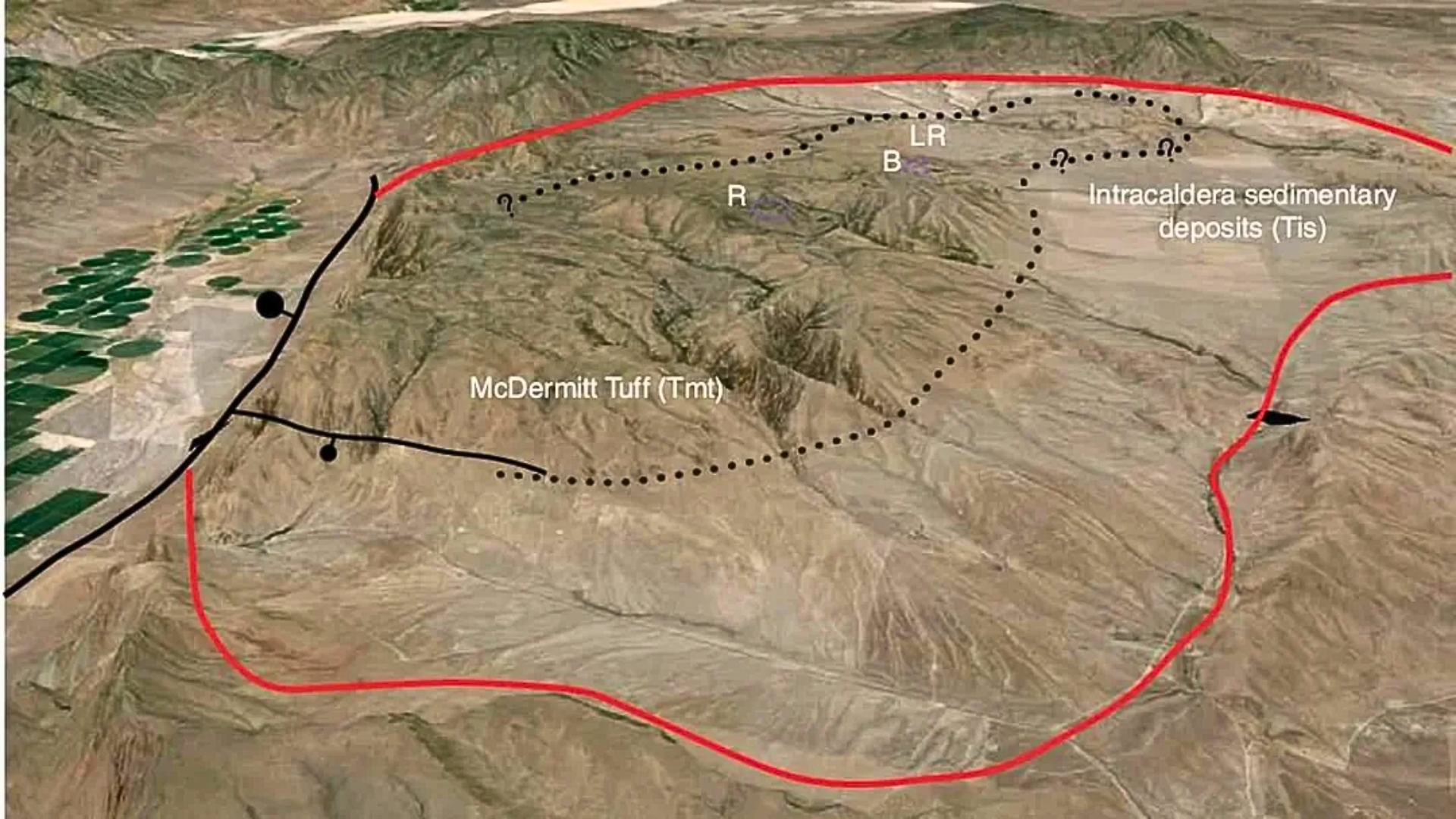
The McDermitt Caldera formed when a massive volcanic eruption emptied a magma chamber, causing the ground above to collapse roughly 16.4 million years ago. The eruption left behind magma unusually rich in sodium, potassium, and lithium. A lake formed inside the crater, depositing lithium into clay sediments at its floor. A later eruption dried the lakebed and concentrated the metal further. The result is a claystone formation with lithium levels that appear to exceed any other deposit currently known on Earth.
Bigger Than Bolivia? What the Numbers Actually Mean
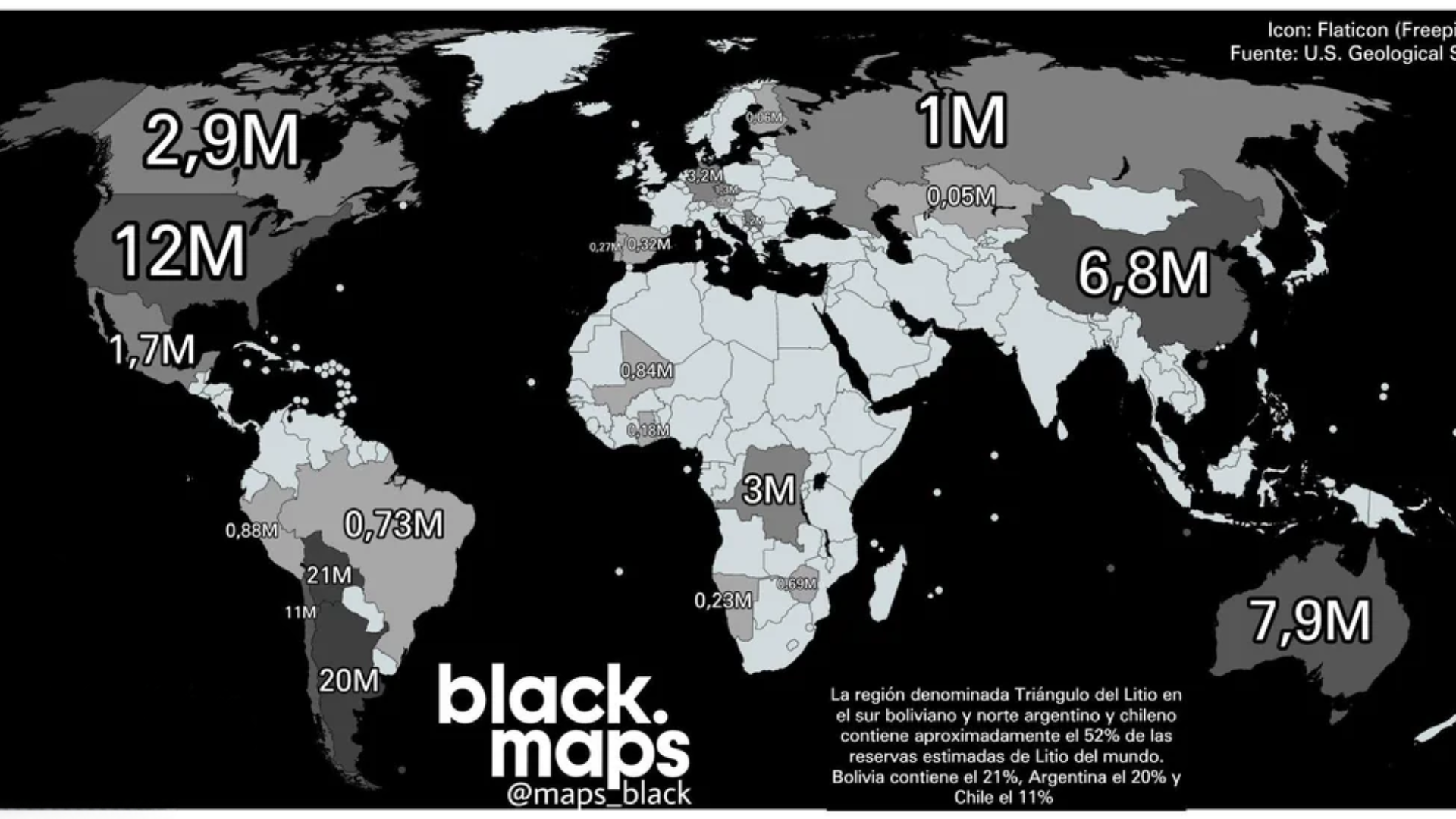
Bolivia’s Salar de Uyuni currently holds the record for the world’s largest known lithium reserve. If the McDermitt estimates are accurate, this U.S. deposit could hold nearly double that amount. The caldera spans roughly 45 by 35 kilometers across the Oregon-Nevada state line. Scientists caution that the figures come from geological modeling, not confirmed mining data. Even so, analysts say that if extraction methods prove efficient, the United States could vault into the top tier of global lithium suppliers almost overnight.
Why the World Is Running After Lithium Right Now
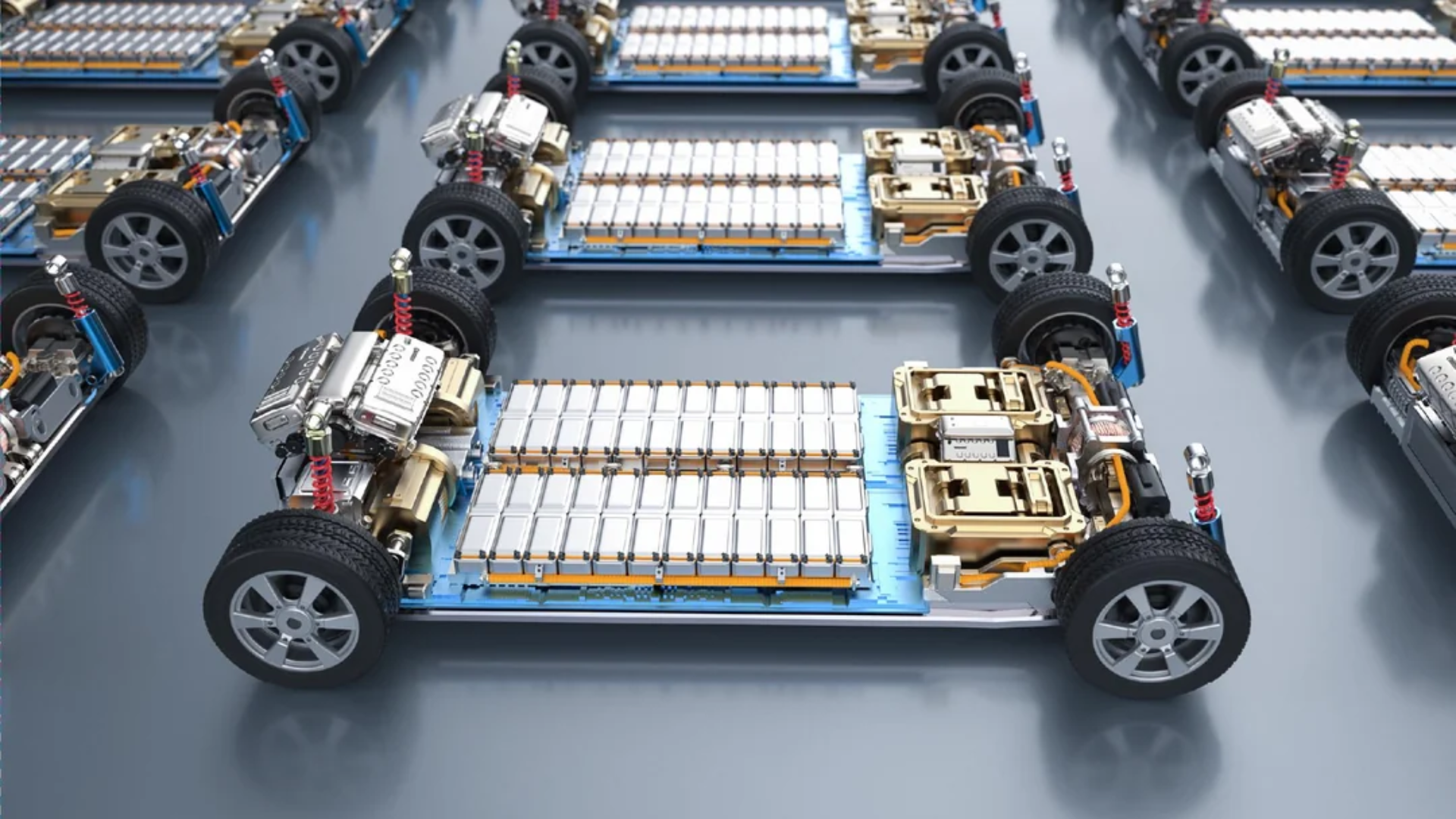
Lithium is the essential ingredient in rechargeable batteries that power electric vehicles and store renewable energy. Global EV sales rose 25% in 2024 alone, and annual battery demand crossed one terawatt-hour for the first time. China currently produces more than 80% of the world’s lithium-ion batteries. American policymakers and manufacturers are eager to reduce that dependence, and a domestic deposit of this scale could offer exactly the supply security the country has been searching for during a period of rising geopolitical tension.
Drilling Has Already Begun Next Door in Nevada
The southern portion of the caldera, called Thacker Pass and located in Nevada, is already under active development by Lithium Americas, backed by over $2 billion in government loans and investments from General Motors. On the Oregon side, HiTech Minerals Inc., a subsidiary of Australia-based Jindalee Resources, received federal approval in December 2025 to conduct exploratory drilling at up to 168 sites across 7,200 acres of Bureau of Land Management land, with more than 20 miles of new access roads also approved. The race to extract is moving fast.
A Wildlife Stronghold Sits Directly in the Path
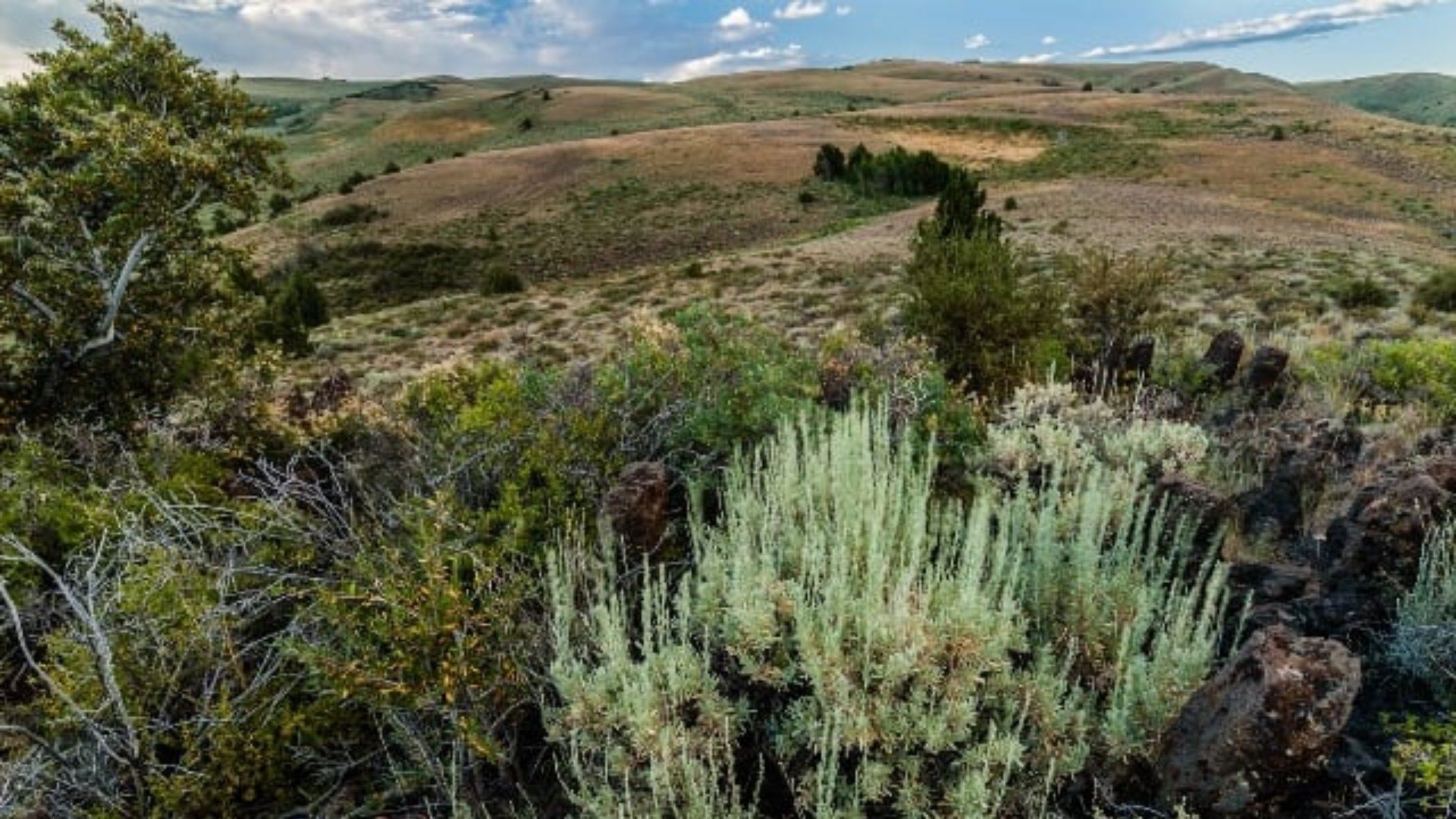
The McDermitt Caldera is one of the last significant sagebrush habitats remaining in Oregon’s high desert. It supports greater sage-grouse, pronghorn antelope, and Lahontan cutthroat trout, all species facing shrinking ranges. The Obama administration designated the caldera a Sage Grouse Focal Area because of its dense breeding populations. The Sierra Club Oregon has described the site as a place that would be “permanently and irreparably” harmed by large-scale mining. Environmentalists warn that once sagebrush habitat is cleared, it rarely recovers on a human timescale.
Tribes Say Their Sacred Land Is Being Overlooked
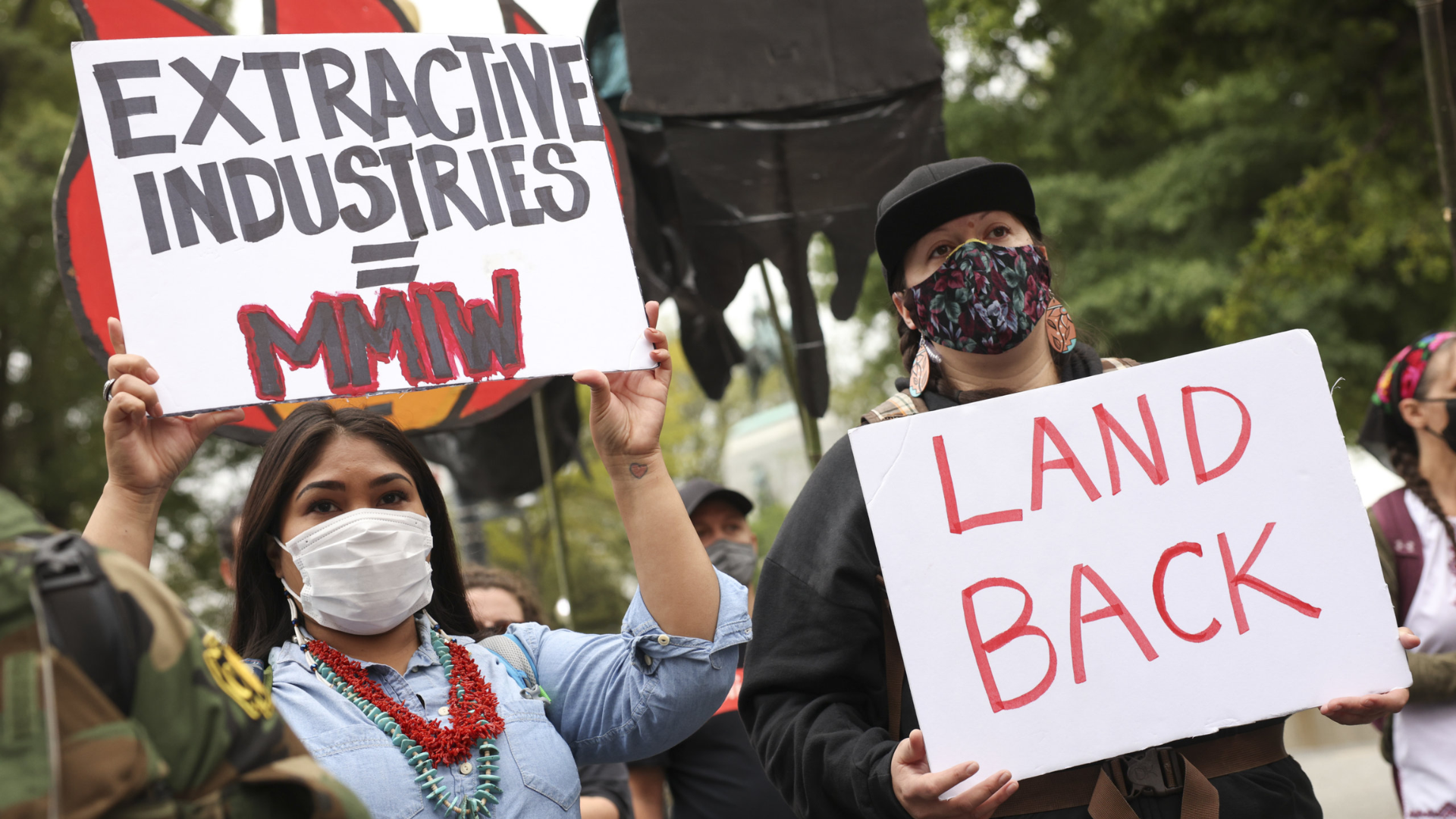
The caldera holds deep historical and spiritual significance for the Fort McDermitt Paiute, Shoshone, and Bannock Tribes. Tribal descendants affiliated with the Atsa Koodakuh wyh Nuwu, which translates as People of Red Mountain, have contested similar proposals on the Nevada side, pointing to sacred ceremonial sites and lands central to traditional ways of life. Community advocates argue that federal review timelines are too short to meaningfully include Indigenous voices. The original Bureau of Land Management public comment window in Oregon was initially just five days.
Claystone Lithium Is Harder to Extract Than It Looks
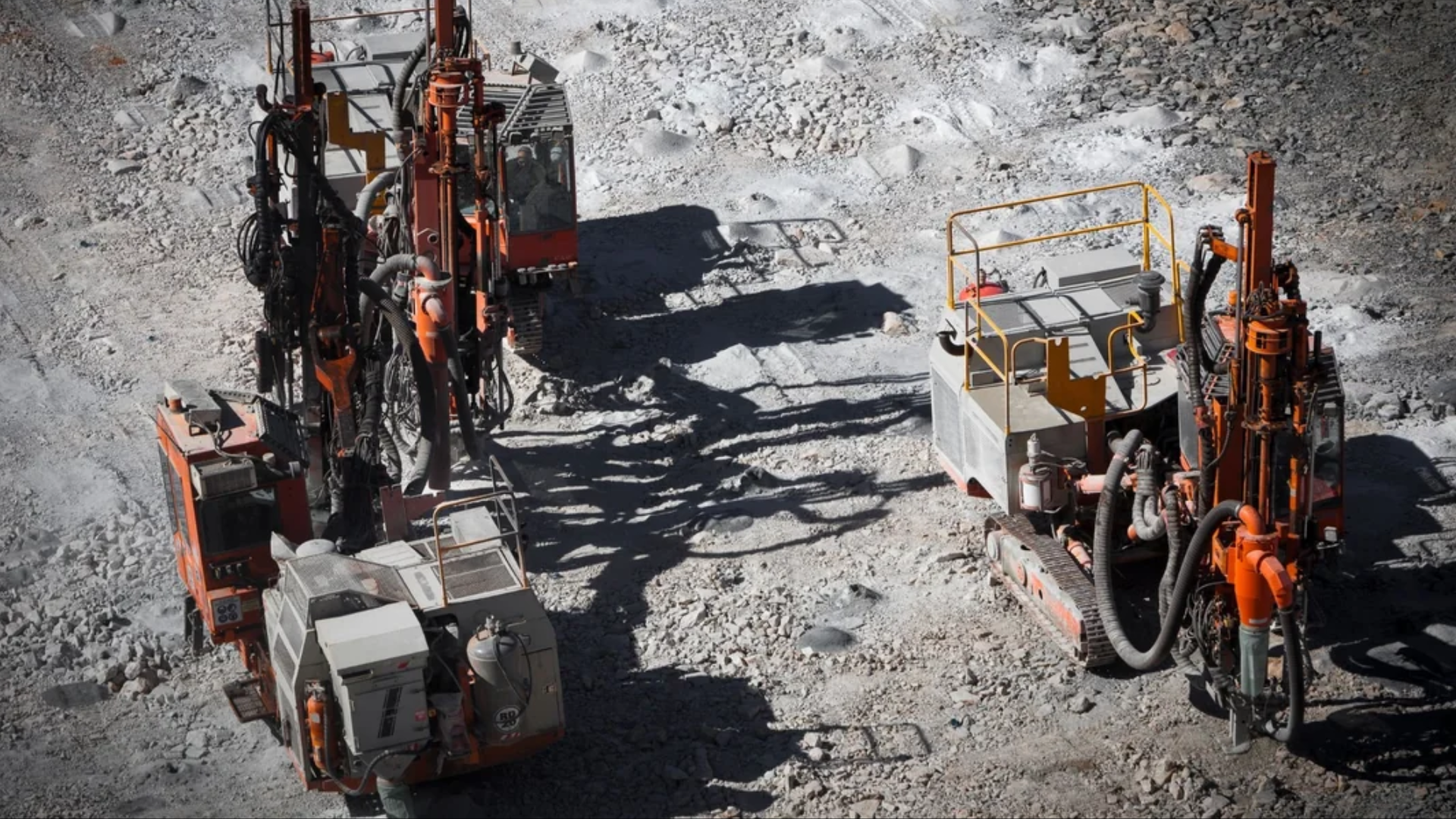
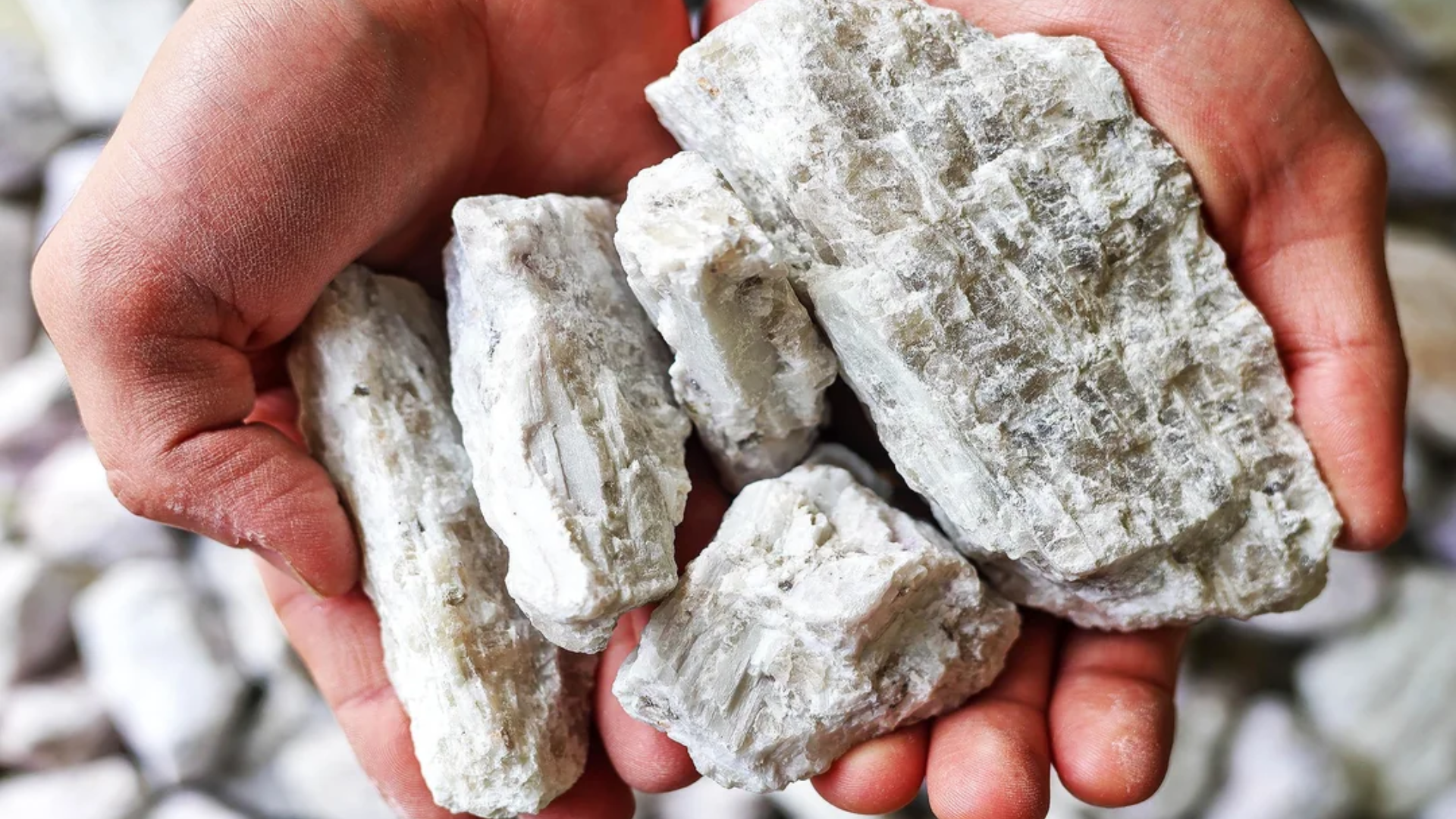
Most lithium production today comes from salt brine operations in South America, where the metal is pumped from underground lakes. McDermitt’s lithium sits inside hard claystone, requiring more complex processing, potentially including acid leaching, which produces chemical waste and raises questions about water contamination. Large desert excavations also risk disturbing groundwater tables. Geologist Sammy Castonguay of Treasure Valley Community College put it plainly: “This feature is 16 million years old, and we’re making decisions in a matter of years.” The technical and environmental unknowns remain significant.
For Oregon’s Poorest County, This Is Personal

Malheur County is one of Oregon’s most economically distressed regions, and for many residents, the promise of jobs and tax revenue is difficult to dismiss. Greg Smith, the county’s director of economic development, has said the project must be done “the Oregon way, with full accountability and shared benefits.” But others worry that rural communities typically absorb the environmental costs of extraction while seeing little of the long-term wealth. The concern is familiar across the American West: who truly benefits when a resource boom arrives, and who is left with the aftermath?
A $1.5 Trillion Question With No Easy Answer
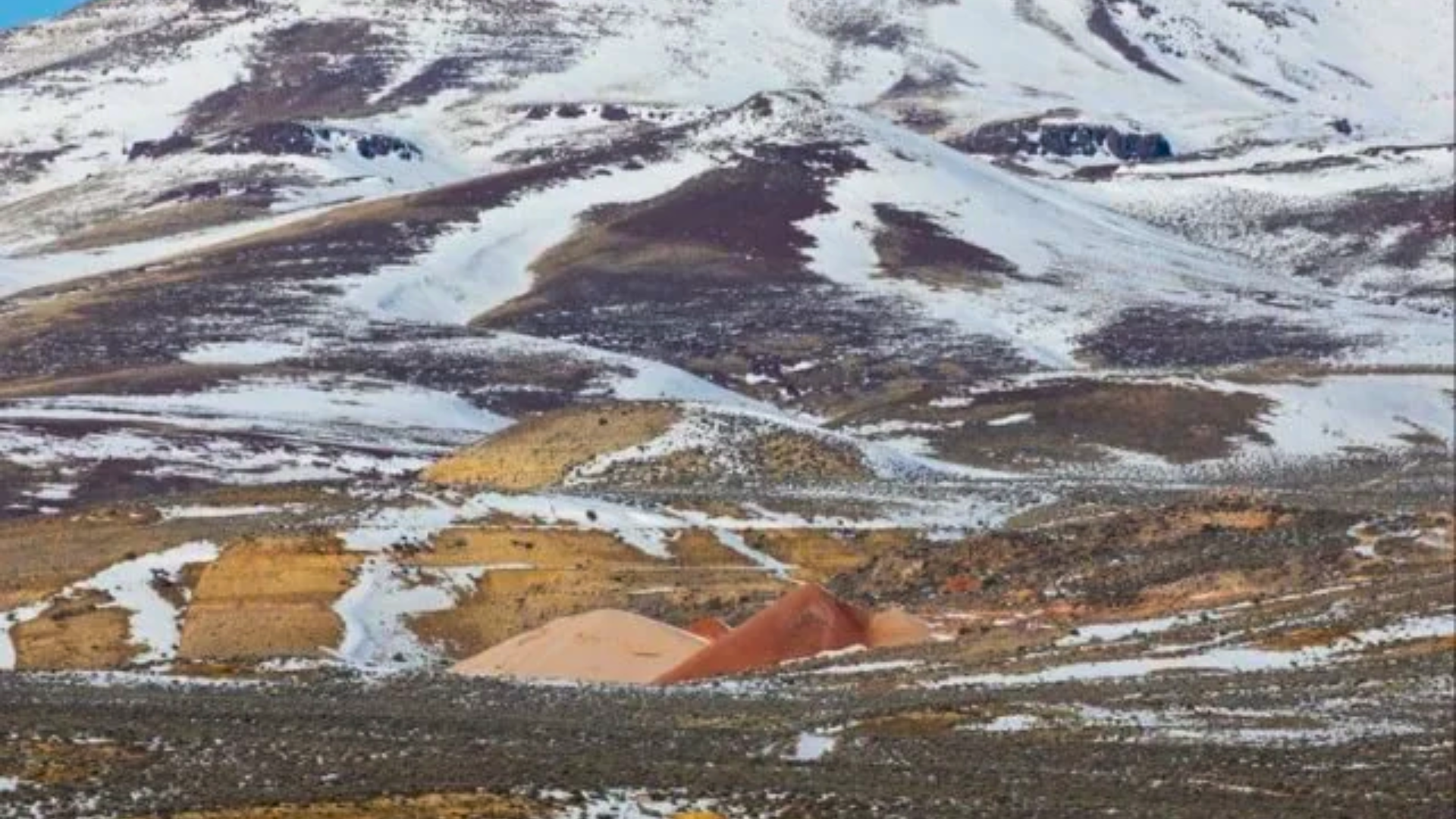
The McDermitt Caldera offers the United States a rare opportunity to anchor its clean energy future in domestic soil. But the path from discovery to production runs directly through fragile desert ecosystems, ancestral tribal lands, and communities that have seen resource booms come and go. The lithium is real. The demand is urgent. What remains uncertain is whether the country can develop this deposit without repeating the mistakes of past extraction rushes. That question may define American energy policy for the next generation.