Map Reveals Which U.S. States Are Seeing COVID Transmission Increase
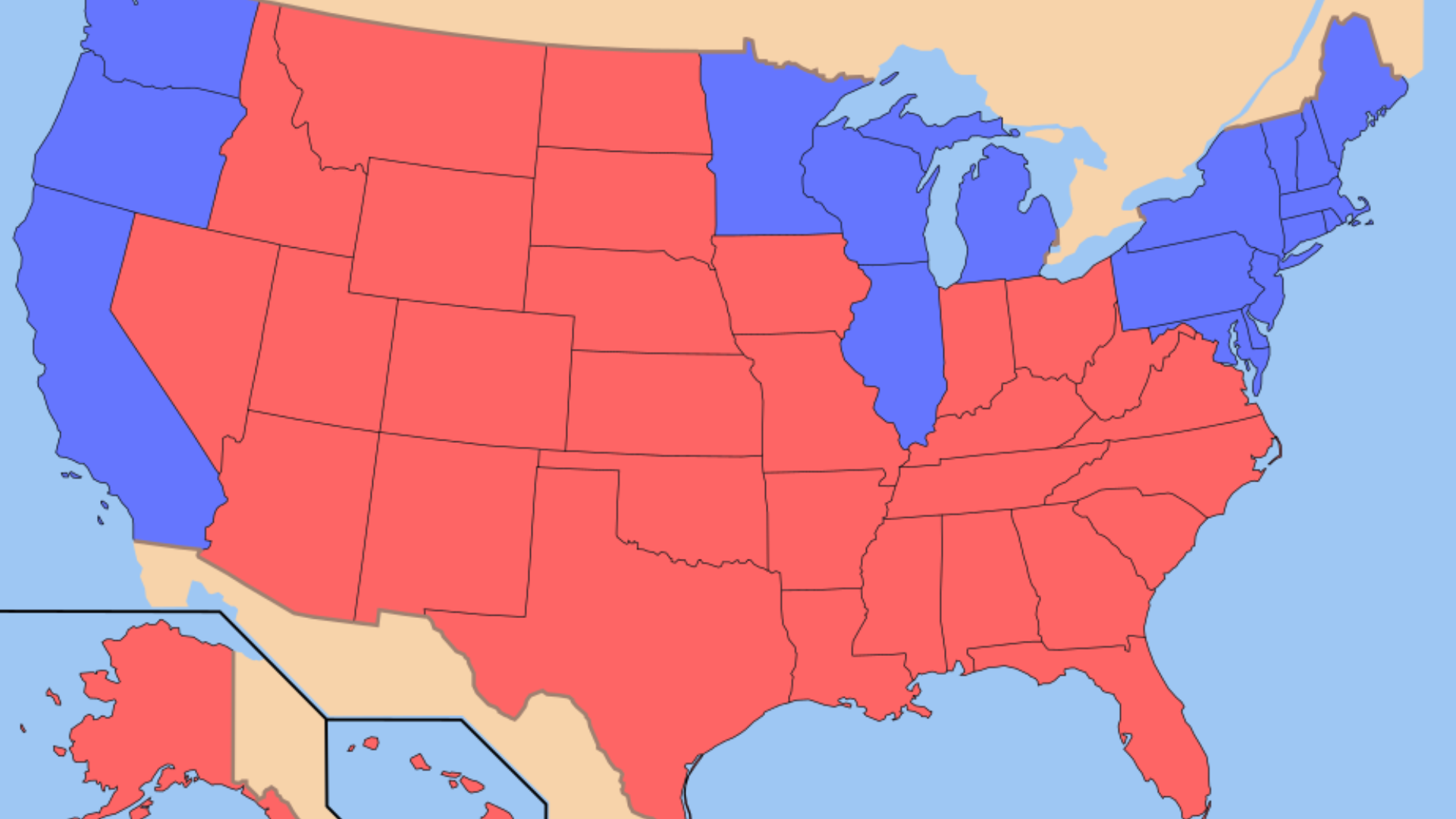

Health officials are reporting a rise in COVID-19 transmission across several parts of the United States, according to the latest surveillance data. While nationwide activity remains well below the peaks seen earlier in the pandemic, recent increases suggest the virus continues to circulate and spread in certain regions. Public health experts say monitoring these trends helps communities, healthcare providers, and individuals make informed decisions about protecting vulnerable populations.
The Latest Map Shows Regional Differences
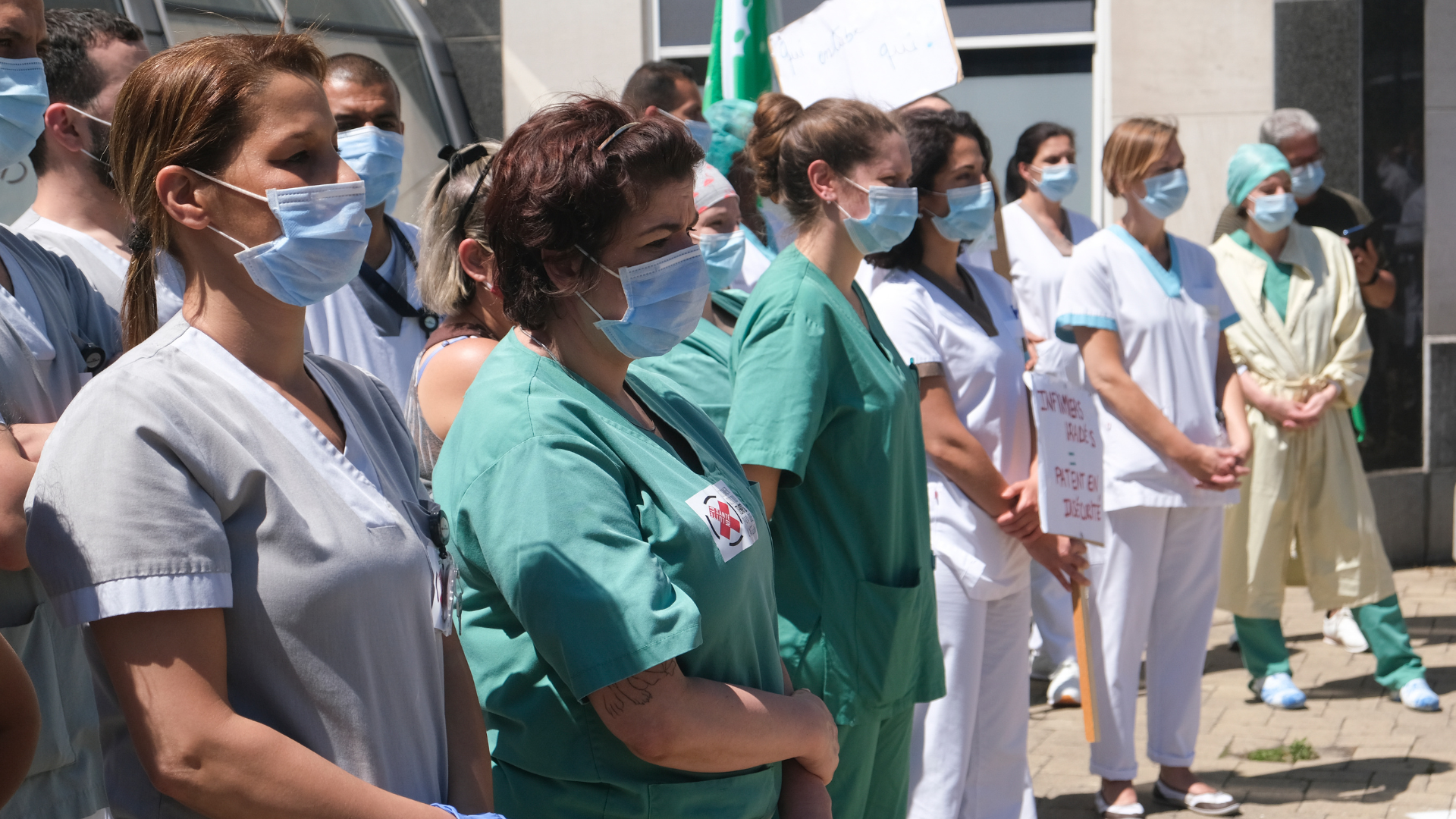
Recent surveillance maps indicate that COVID transmission is not rising evenly across the country. Higher levels of viral activity have been reported in parts of the Southeast, Gulf Coast, and portions of the Western United States, while many other states continue to report stable or lower transmission levels. Health officials emphasize that local conditions can change quickly as new data becomes available.
Several States Are Reporting Increased Transmission
Among the states showing increasing COVID activity are Florida, Texas, Louisiana, Mississippi, Alabama, Georgia, South Carolina, California, Nevada, and Arizona, according to the latest public health monitoring. These increases are based on multiple surveillance indicators rather than a single measurement. Officials continue tracking changes to determine whether transmission continues to accelerate or begins to level off.
Wastewater Monitoring Remains an Important Tool

One of the most reliable ways to detect changing COVID trends is through wastewater surveillance. By measuring the amount of viral material found in community wastewater systems, researchers can identify rising transmission even before increases appear in hospital admissions or reported cases. This method has become a key component of the nation’s disease monitoring system.
Hospitalizations Are Also Being Watched
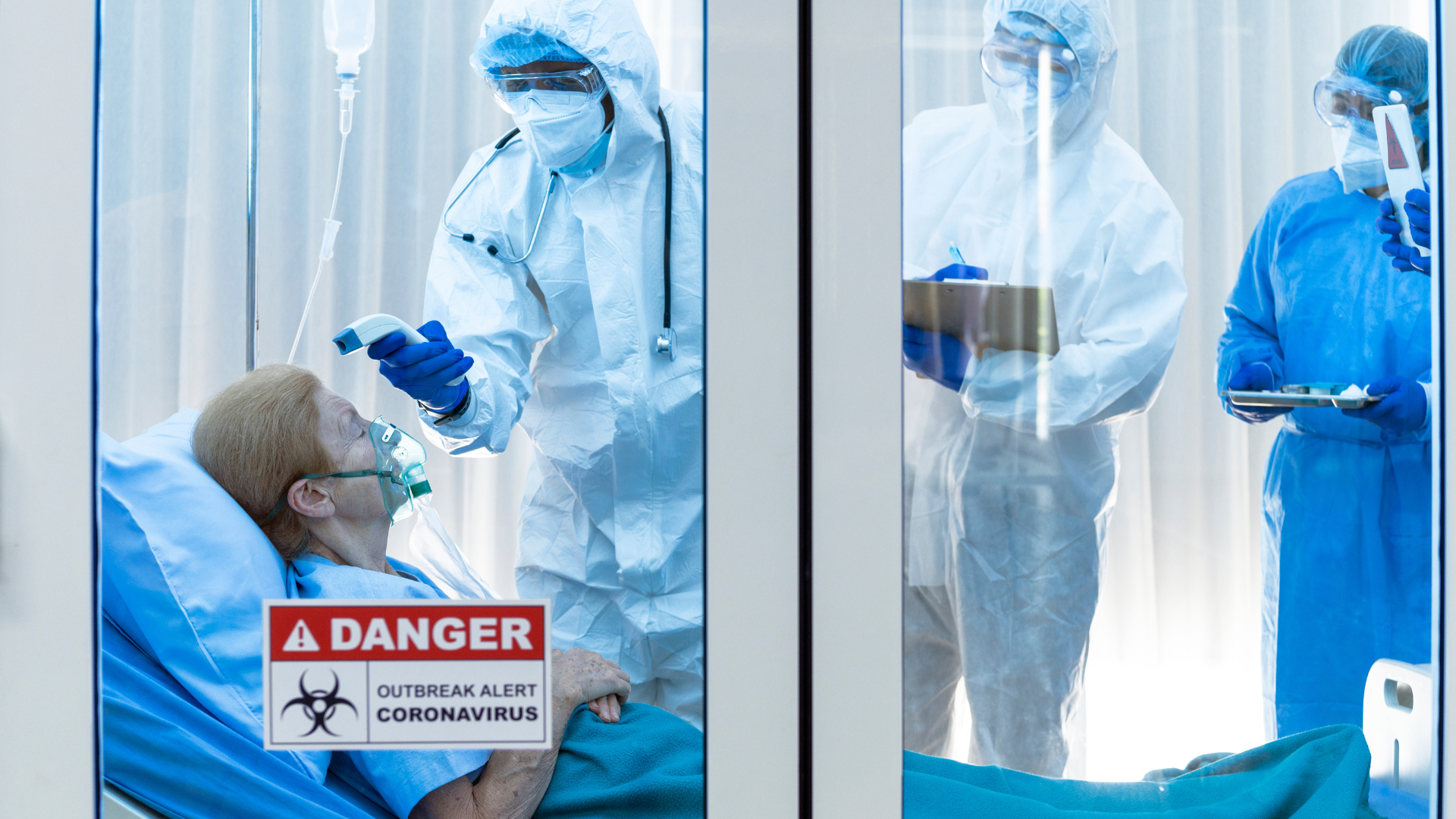
Although COVID activity has increased in some areas, health officials continue monitoring hospital admissions to determine whether the rise is leading to more serious illness. Hospitalization data helps public health agencies assess the overall impact on healthcare systems and identify communities where additional precautions may be warranted. Current hospitalization levels remain significantly lower than during earlier pandemic surges.
Seasonal Patterns Continue to Influence COVID

Experts have observed that COVID transmission often increases during certain times of the year, particularly when people spend more time indoors or travel frequently. Summer travel, large gatherings, and changing weather patterns can all contribute to localized increases in respiratory virus activity. Public health officials say seasonal fluctuations have become a recurring feature of COVID transmission.
Health Officials Encourage Practical Precautions
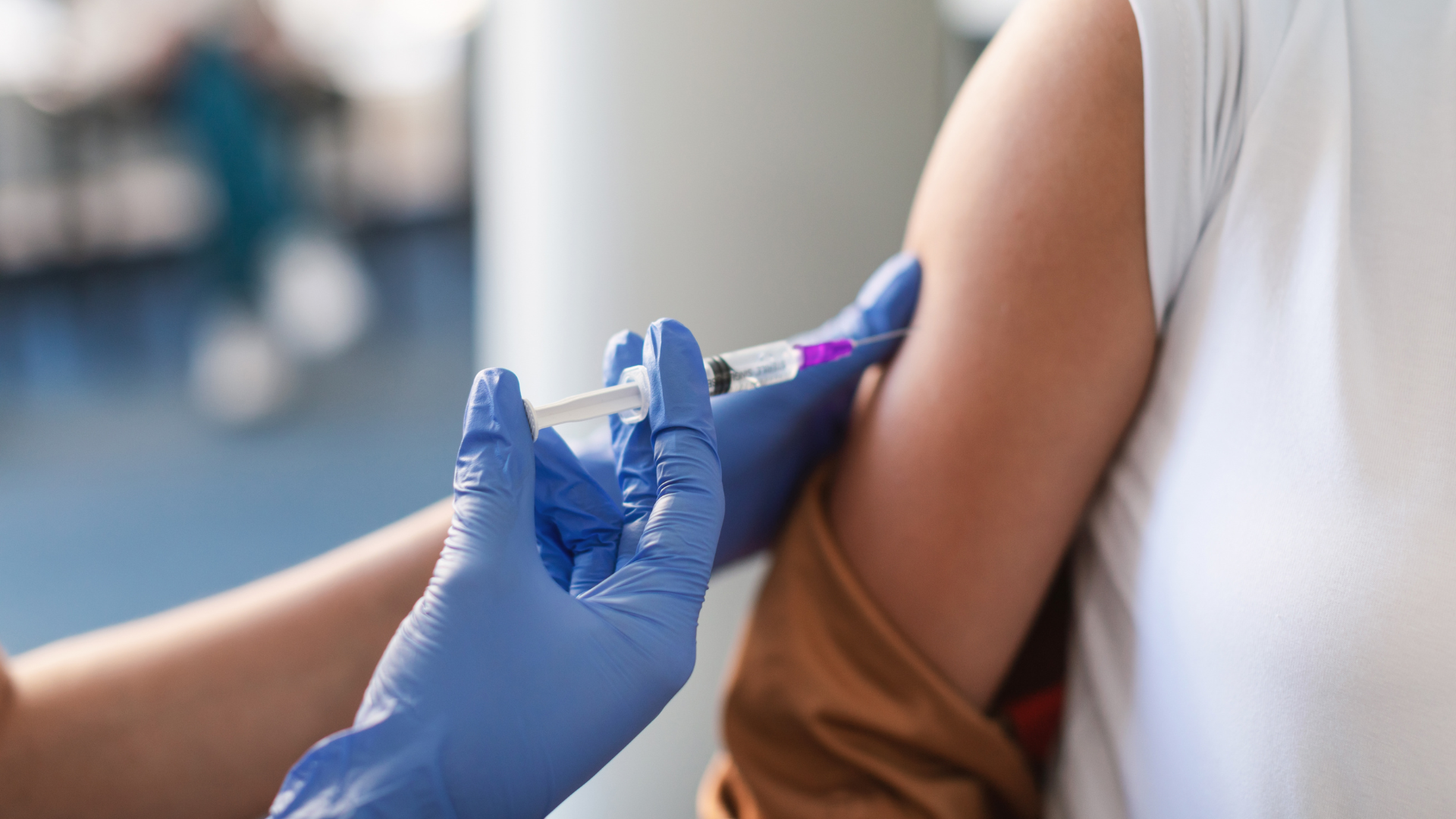
Public health agencies recommend that individuals who are at higher risk for severe illness stay current with recommended vaccinations and consider additional precautions during periods of increased transmission. People experiencing symptoms are encouraged to stay home when possible, seek testing if appropriate, and avoid exposing others, particularly those with weakened immune systems or chronic medical conditions.
Most People Can Continue Normal Activities

Despite localized increases, health experts stress that current COVID conditions are very different from the early years of the pandemic. Widespread immunity from previous infections and vaccinations has helped reduce the overall severity of illness for many people. Most communities continue normal daily activities while remaining aware of changing local health conditions.
Monitoring Will Continue Throughout the Year

Federal and state health agencies will continue tracking COVID through wastewater surveillance, laboratory testing, hospital admissions, and other public health indicators. Because virus activity can shift rapidly between regions, officials encourage people to monitor updates from local health departments, particularly if they or family members are at elevated risk for complications.
Staying Informed Remains the Best Protection
The latest surveillance map shows that COVID transmission is increasing in several states, even as overall national activity remains far below previous pandemic highs. By following local public health updates, understanding regional transmission trends, and taking sensible precautions when needed, Americans can continue protecting themselves and those most vulnerable to severe illness. Health officials emphasize that awareness, rather than alarm, remains the most appropriate response as COVID continues to evolve.