Manhattan Rent Just Hit an All-Time High and the City’s Vacancy Rate Is at Its Lowest Level


A one-bedroom apartment in Manhattan now costs more, on average, than most Americans’ entire monthly take-home pay. As of July, Corcoran reported Manhattan’s median rent hit $5,295 a month, an all-time record, while the average rent climbed to $6,655. Both figures represent the highest levels the brokerage has ever recorded. For a mayor who campaigned specifically on making the city more affordable, the timing could hardly look worse.
The Vacancy Rate Hasn’t Been This Low Since 1968
Behind the record rents sits an even more extreme supply problem. New York City’s net rental vacancy rate has fallen to roughly 1.4 to 1.5 percent depending on which survey is cited, its lowest level since 1968. Real estate analysts generally consider anything below 5 percent a landlord’s market. Manhattan’s available listings specifically dropped 22 percent compared to July 2025, leaving renters with far fewer options to choose from.
More Tenants Are Chasing Fewer Apartments Than Ever
Basic supply and demand explains much of what happened this summer. Even as available Manhattan listings shrank by 22 percent, the number of signed leases actually rose 3 percent over the same period. “This increased demand for apartments in the borough, coupled with reduced supply, has created a pressure cooker,” said Gary Malin, chief operating officer of The Corcoran Group. “Too many would-be tenants are seeking a shrinking number of available apartments.”
Industry Voices Blame Specific Tenant Protection Laws for the Squeeze
Industry voices point to specific policy decisions as part of what shrank that supply. Malin separately cited New York’s “good cause” eviction law, the FARE Act, and 2019 rent regulations as factors that have “curtailed the supply of rental housing.” Brokers have also pointed to an incoming rent freeze on stabilized units, set to take effect October 1, and a new tax on second homes as additional pressure pushing landlords toward the unregulated market.
Mamdani Traces the Real Roots of This Crisis Back to the 1960s

Mamdani’s administration traces the shortage back much further than any single recent policy. “This crisis did not arrive all of a sudden,” Mamdani said, announcing his “Block to Block” housing strategy. “For centuries, New York City built enough housing to keep pace with our population growth until the 1960s.” City planning data shows housing production began falling behind demand shortly after that period, constrained since by strict zoning rules.
The Mayor’s Plan Rests on Two Very Specific Production Targets
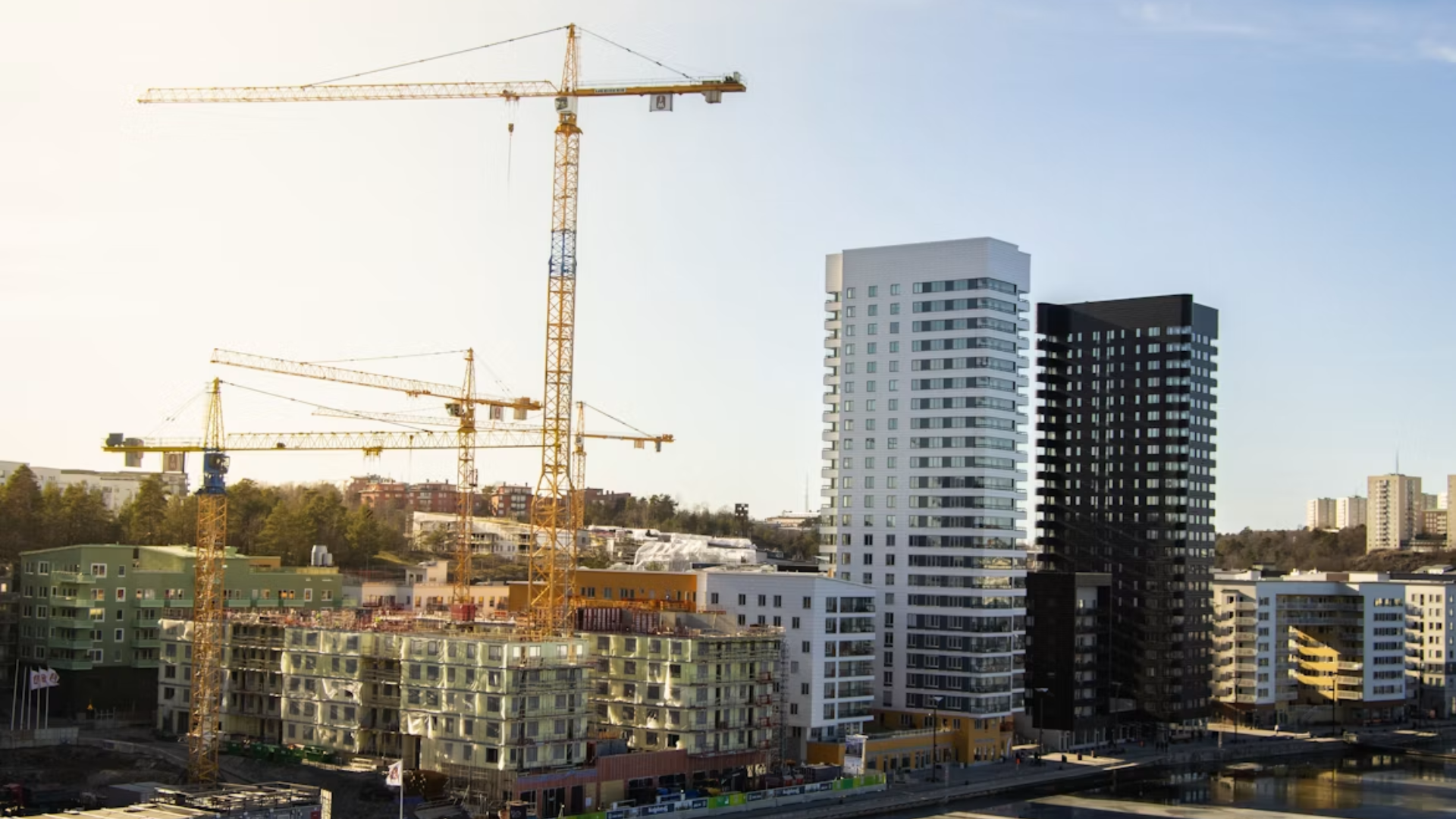
Mamdani’s plan centers on two ambitious production targets rather than new restrictions. “We are delivering on a promise we made during the campaign. Over the next decade, City government will build 200,000 new, affordable rent-stabilized homes,” he said, adding a pledge to preserve another 200,000 existing affordable units. The combined 400,000 homes would be funded through a $22 billion capital investment over five years.
The Plan Also Leans on City-Owned Land and New Financing Tools

Beyond new construction, the plan includes several additional tools aimed at speeding up delivery. City Hall says it will deploy new financing mechanisms to stretch public housing dollars further, double the existing Open Door homeownership program, and launch a new “Our Home” initiative for permanently affordable co-operatives. Officials have also mapped more than 100 city-owned properties across the five boroughs that could yield over 50,000 additional homes.
The City Already Broke a 60-Year Construction Record Last Year
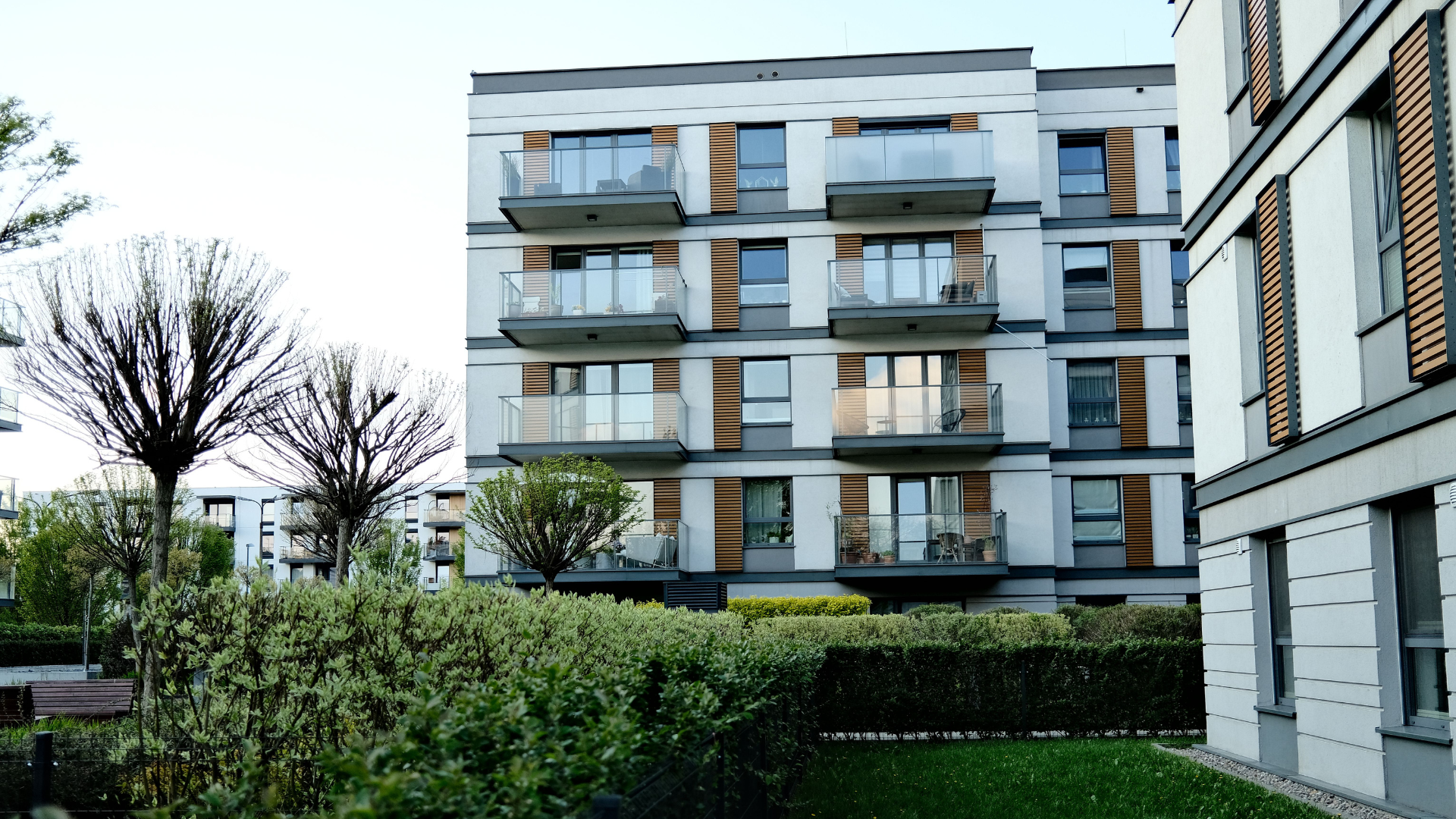
The city is not starting entirely from zero on housing production. In December 2024, New York passed “City of Yes for Housing Opportunity,” its biggest zoning update since 1961, which city planners estimate will generate roughly 82,000 additional homes over the next decade. New York also added 38,682 apartment units in 2025 alone, its biggest single-year construction increase since 1965, according to The Wall Street Journal.
Even a Record Pace Would Take a Decade to Close the Gap

Even that historic pace of construction would take years to meaningfully close the gap. Zillow estimates New York City currently faces a shortfall of roughly 400,000 affordable housing units. At last year’s record building pace, closing that specific deficit would still take approximately ten more years, assuming construction continued at 2025’s unprecedented rate without slowing down at any point along the way.
More Than 113,000 New Yorkers Already Left the City in 2024
The stakes extend beyond apartment listings, based on recent population data. More than 113,000 New Yorkers left the city in 2024, according to Assemblymember Tony Simone, whose office released a report this week outlining 32 state-level legislative actions aimed at boosting housing production. A separate study from the Citizens Budget Commission found the city’s net population fell by 12,000 last year, pointing to high housing costs as the primary driver.