Man Uses Legal Loophole to Claim 117,000 Sq Meters of Land and Declares Himself ‘King of Switzerland’
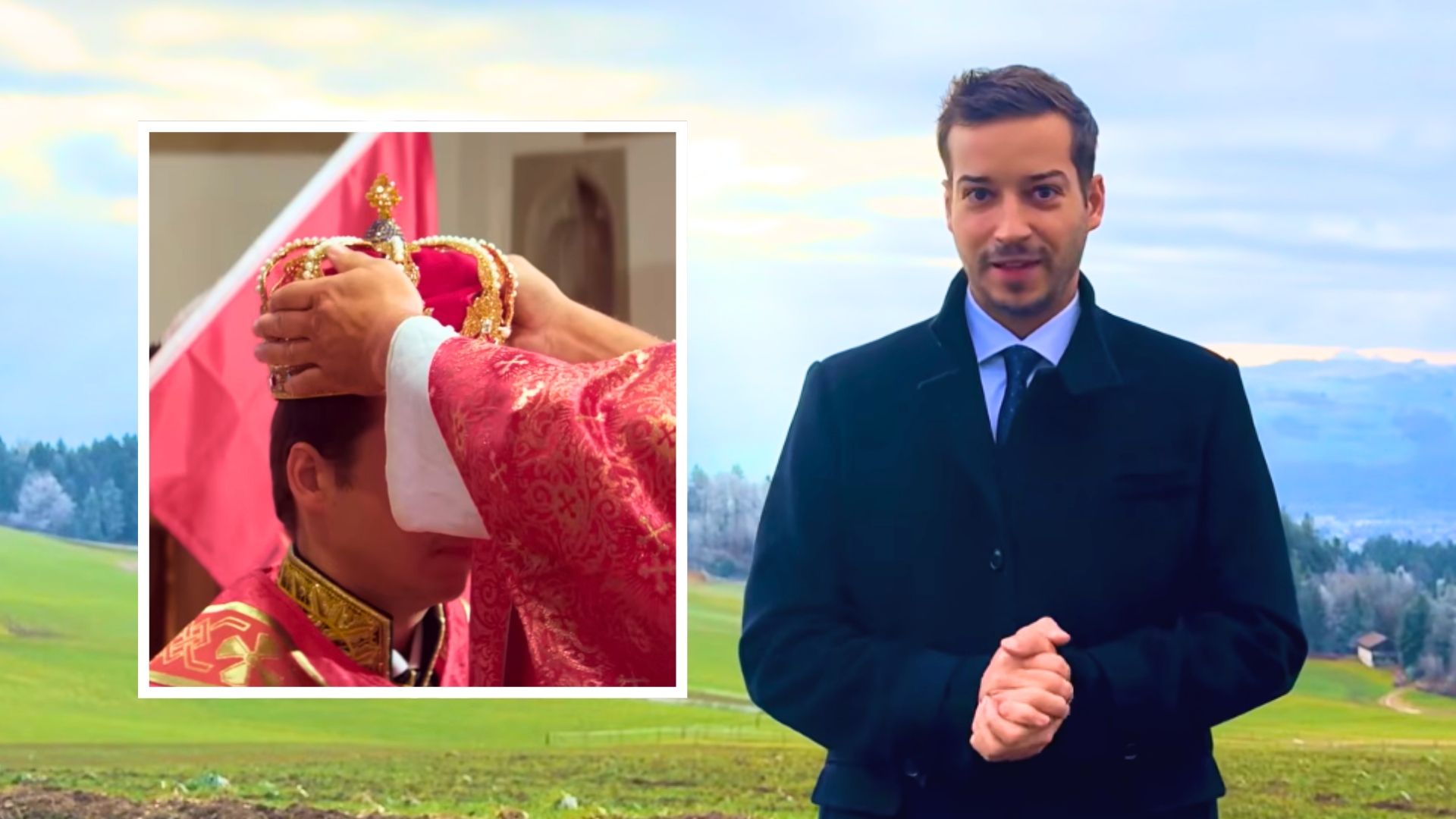

For years, Switzerland’s land registry system quietly contained a little-known provision that allowed citizens to claim officially ownerless property at no cost. The rule, tied to Article 658 of the Swiss Civil Code, was originally meant to handle unusual situations involving abandoned roads, disputed inheritances, or forgotten rural parcels. Then Jonas Lauwiner decided to treat it less like a bureaucratic footnote and more like a business strategy.
How Jonas Lauwiner Built His “Empire”
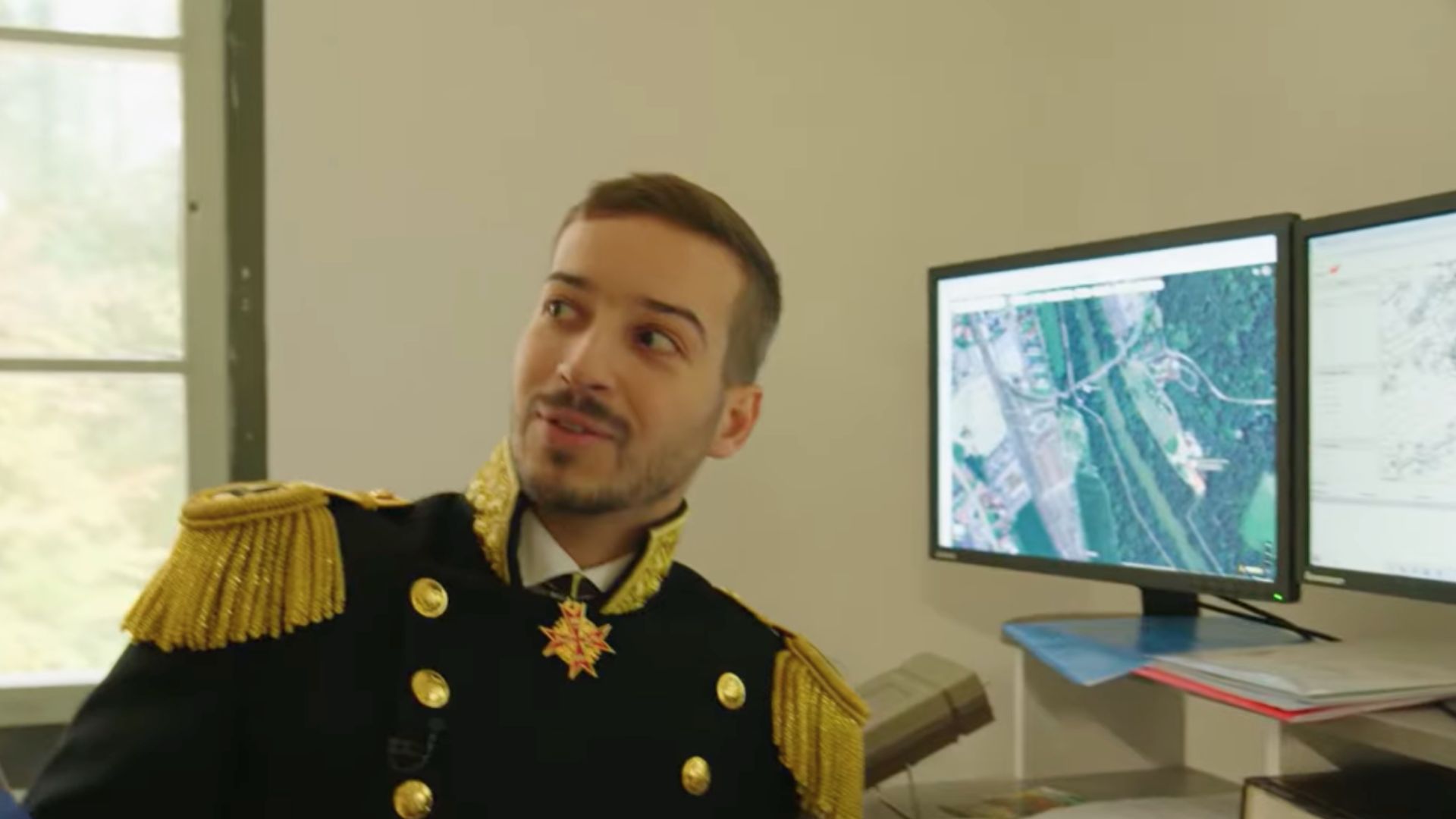
According to multiple reports, Lauwiner spent years searching through land registries across Swiss cantons looking for plots with no legal owner attached. By filing formal claims with municipalities, he reportedly accumulated roughly 148 parcels totaling about 117,000 square meters, or nearly 29 acres, spread across nine Swiss cantons including Bern, Valais, and Schwyz. Reports say the holdings include forests, agricultural land, abandoned roads, and scattered development plots, with one acquisition in Schwyz alone totaling roughly 19,000 square meters of uninhabited land.
The Coronation That Turned Heads
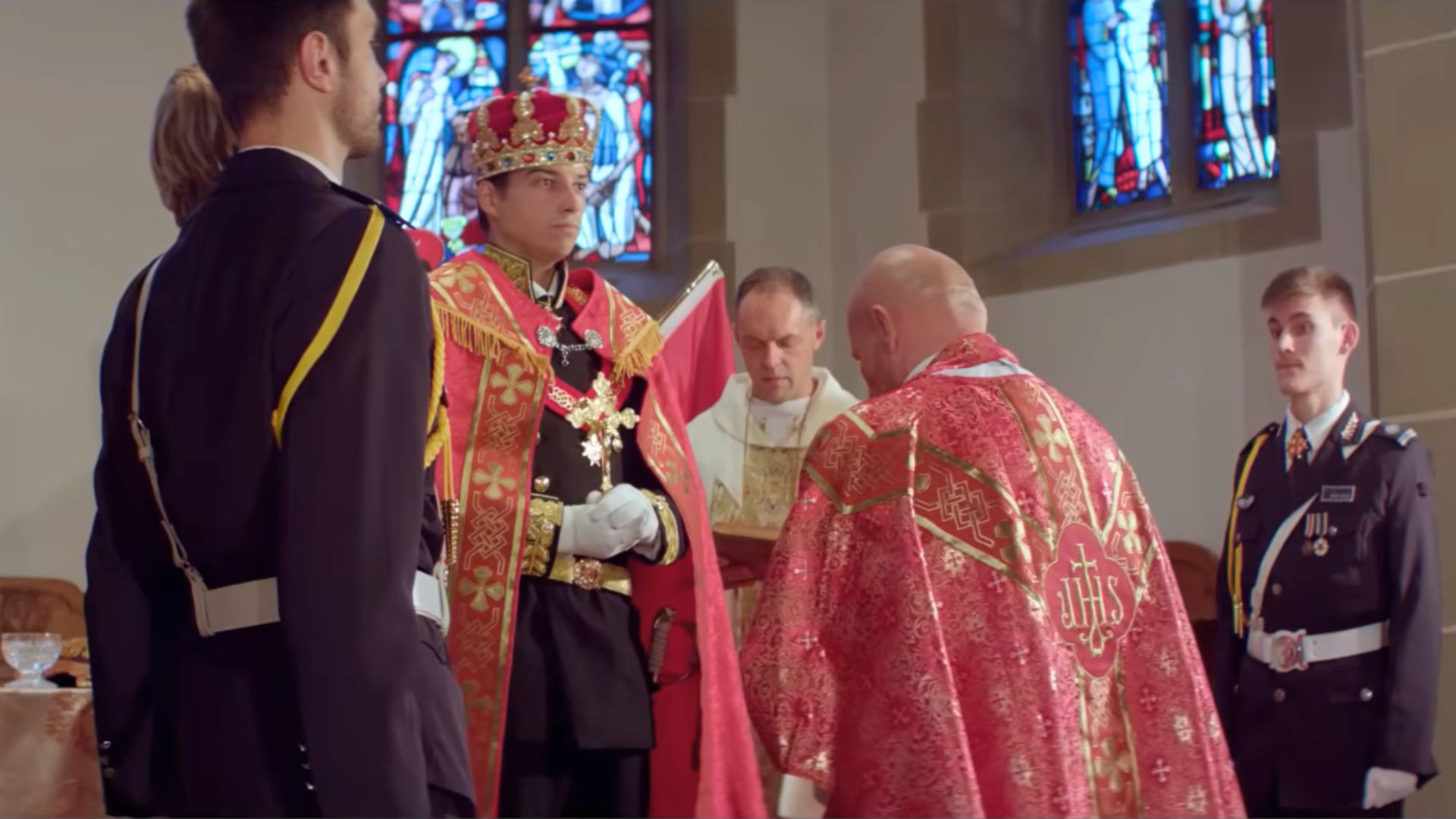
Lauwiner’s project was never purely about real estate. In 2019, at age 24, he staged a symbolic coronation ceremony at Nydegg Church in Bern and began publicly referring to himself as a king. Over time, international media adopted the label “King of Switzerland,” even though Switzerland has never had a reigning monarch in the modern era. Lauwiner later leaned fully into the image, appearing in military-style uniforms and building an elaborate royal persona around the acquisitions.
Why Roads Became the Biggest Flashpoint
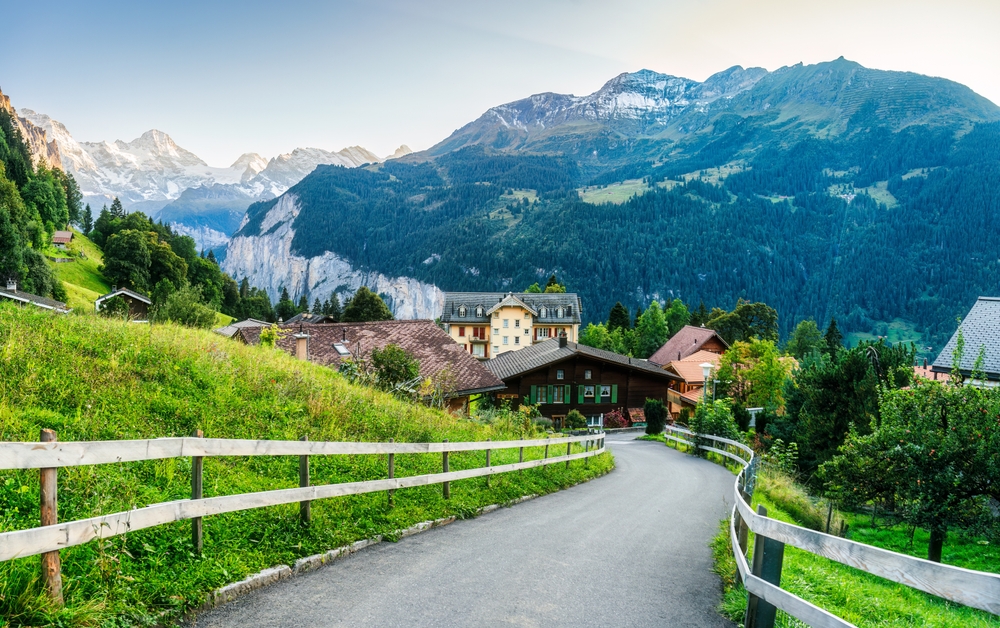
The controversy intensified once residents realized some of the roads they used daily were no longer effectively communal. Reports claim Lauwiner gained ownership of at least 83 stretches of road, including routes inside residential developments abandoned by builders years earlier. He then began charging maintenance fees and access-related costs to people using the roads. Critics argued that residents suddenly faced unexpected expenses tied to infrastructure they had long assumed was public.
Supporters See Entrepreneurship, Critics See Exploitation
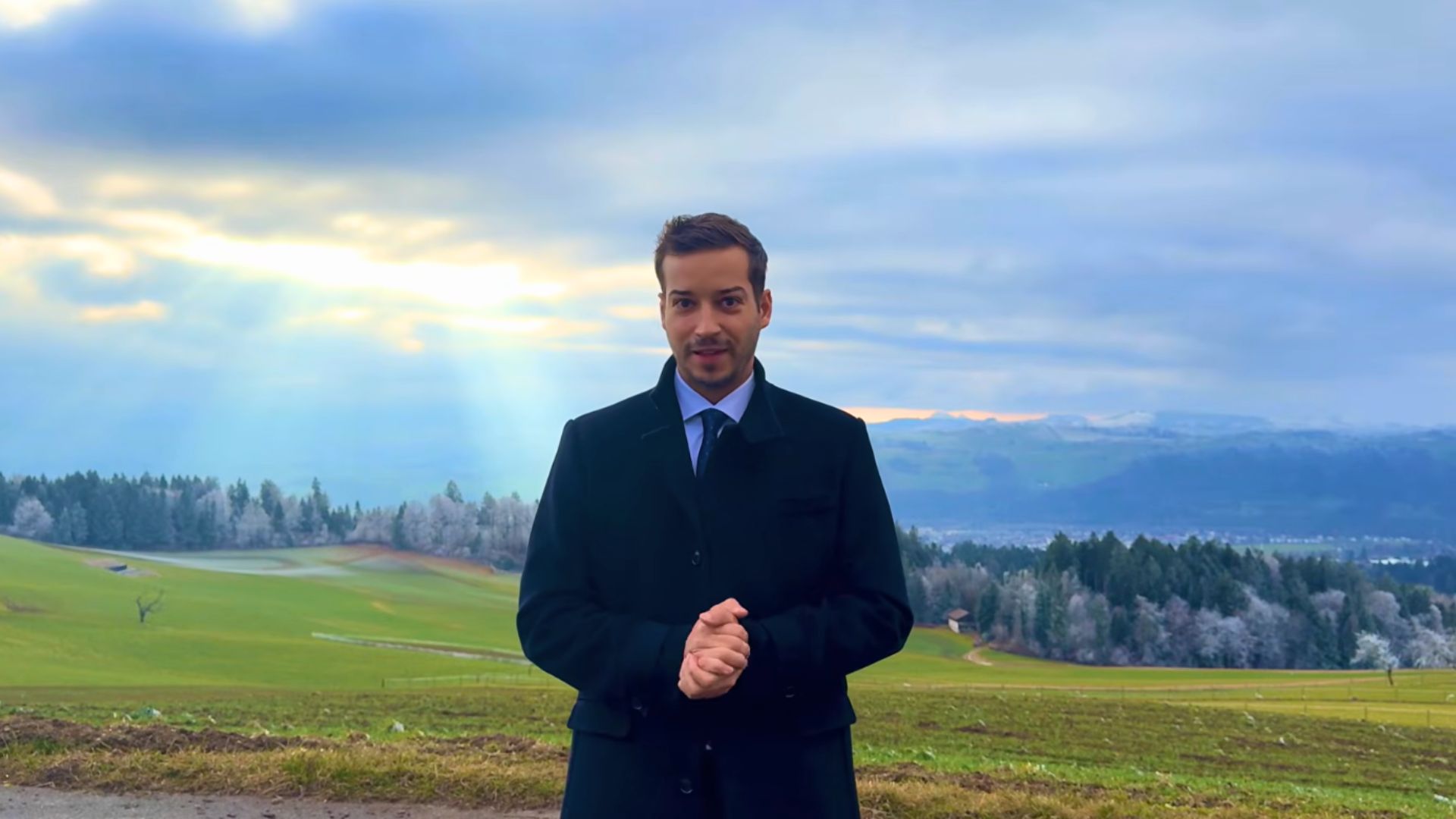
The case quickly divided public opinion. Supporters described Lauwiner as someone who simply understood the law better than everyone else and used it creatively. Critics accused him of exploiting a loophole never intended for large-scale private accumulation. Lawyer Loris Fabrizio Mainardi reportedly sued Lauwiner over what he described as abusive exploitation of the system, but the lawsuit was dismissed. Lauwiner repeatedly argued that every acquisition followed existing Swiss law exactly as written.
Swiss Politicians Moved to Shut the Door

The backlash eventually reached cantonal governments. Several Swiss cantons, including Bern, reportedly began reviewing reforms that would give local councils first refusal rights over abandoned or ownerless land before private citizens could claim it. Officials feared that Lauwiner’s success might inspire copycats to begin systematically harvesting forgotten parcels across the country. What had once been a rarely used legal mechanism suddenly became a national political issue.
The “King” Expanded Beyond Land
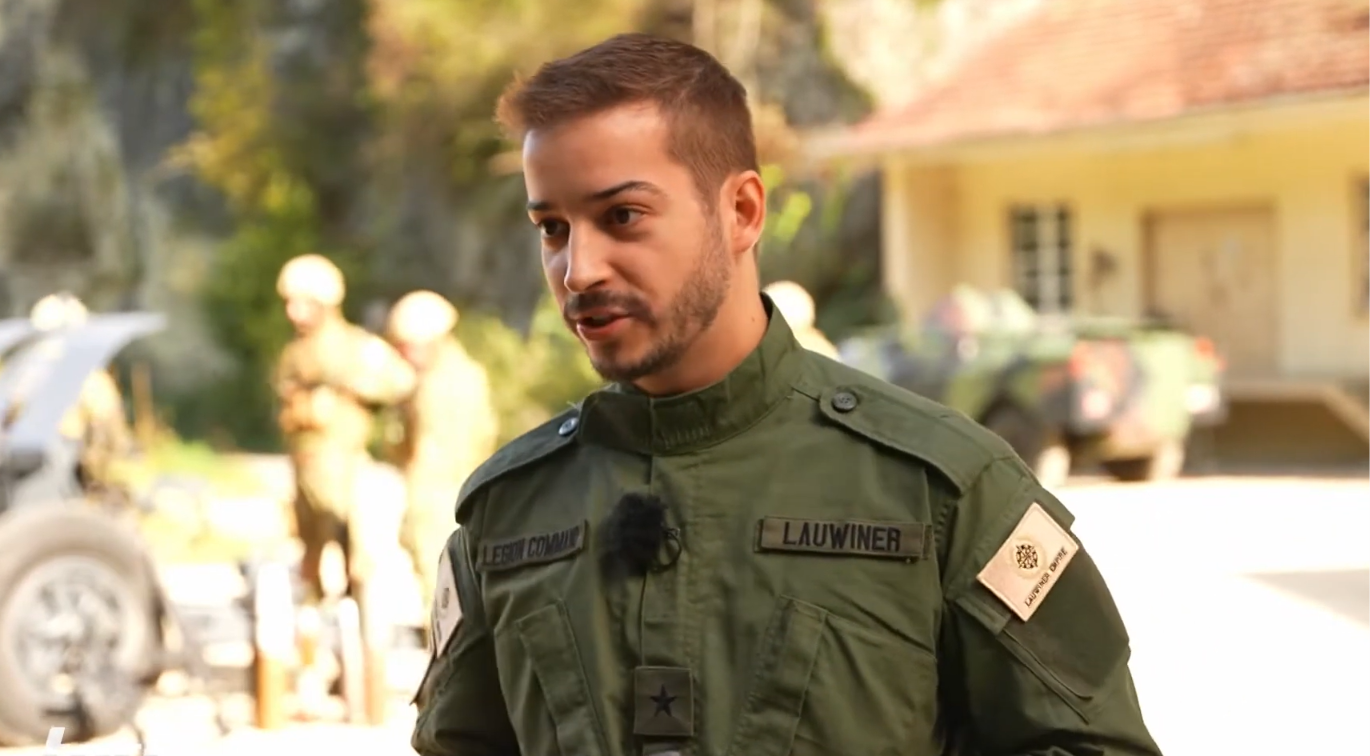
Lauwiner’s public identity grew far beyond property ownership. His self-described “empire” includes an official website, an “Imperial Bank,” ceremonial awards, and what he calls an “Empire Legion.” The website also promotes citizenship applications, diplomatic relations, and government jobs connected to the symbolic monarchy. Though much of it appears theatrical, the branding helped transform a local land dispute into an international curiosity story.
Even His Armored Vehicle Reached Court
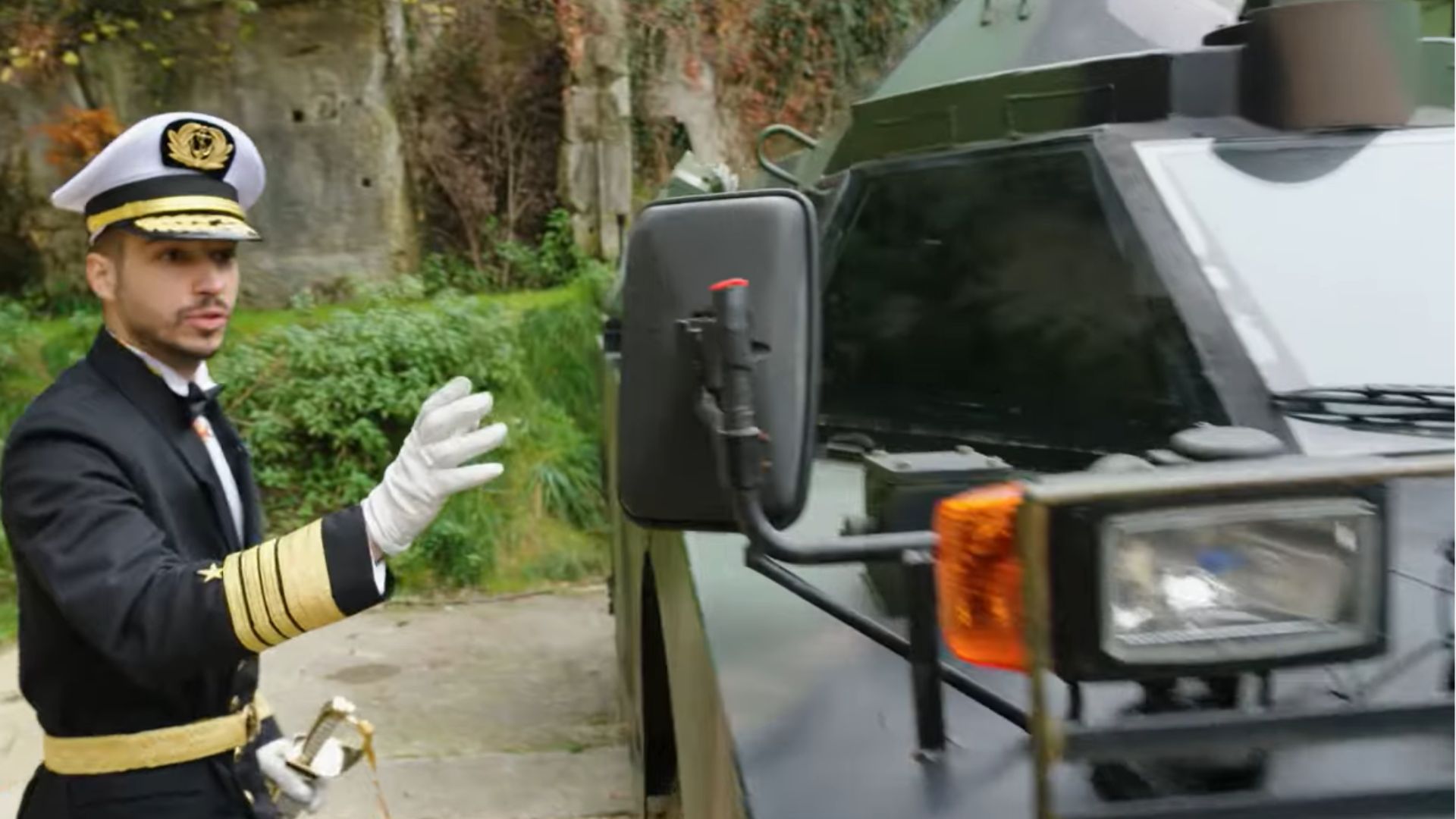
One of the stranger chapters involved a decommissioned BRDM-2 armored reconnaissance vehicle imported from Germany. Swiss authorities in Bern revoked the vehicle’s registration over safety concerns, including the armored car’s sharp exterior features. Lauwiner appealed, and the Bern Administrative Court partially sided with him, ruling authorities should have conducted a deeper safety examination before withdrawing the vehicle’s license and plates. The ruling added another layer to his growing reputation as someone constantly testing the boundaries of Swiss bureaucracy.
Lauwiner Says the Project Is Symbolic

Despite the royal imagery, Lauwiner insists he is not attempting to undermine the Swiss state. In interviews and on his official biography page, he describes his kingship as symbolic rather than political. He compares being a king to being the CEO of a company, focused on strategy, ownership, and responsibility rather than sovereignty. In recent years, he has also entered local politics, unsuccessfully running for mayor of Burgdorf in 2024 before winning a seat on the city council later that year, and then launching campaigns for Bern’s cantonal parliament and executive council in 2026. He’s been presenting himself as a participant in democratic institutions rather than an opponent of them. He has also argued that his story demonstrates how ordinary people can still find overlooked opportunities inside rigid modern systems.
Switzerland May Never Look at “Ownerless” Land the Same Way Again
Jonas Lauwiner / YouTube
Whether Lauwiner is remembered as a visionary entrepreneur, an eccentric performance artist, or someone who exposed a major flaw in Swiss property law, his impact is already visible. Cantons are rewriting procedures, municipalities are reviewing abandoned plots more carefully, and public attention has turned toward legal gray areas that once escaped scrutiny. In a country famous for order and administrative precision, one man managed to force a national conversation simply by asking a question almost nobody else bothered to ask: who actually owns the land no one claims?