Man Discovers He Shares DNA With 9,000-Year-Old Skeleton Found in Cave Near His Home


Most people think of history as something distant, something locked away in museums or buried underground. But for one man in England, the past turned out to be far closer than anyone expected. What began as a scientific study ended with a surprising connection that stretched back thousands of years.
A Skeleton Found Deep in a Cave
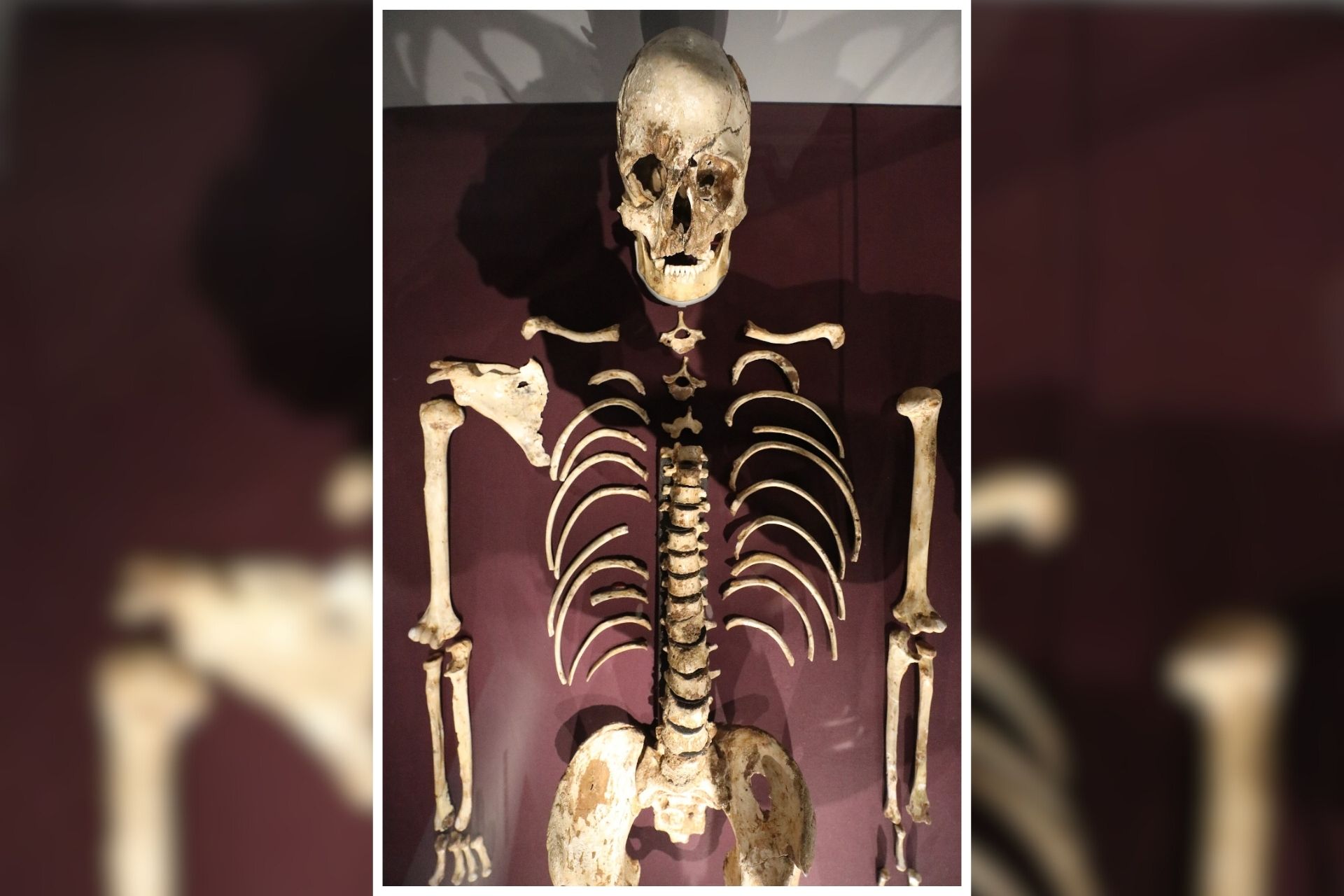
The story begins in 1903, when researchers uncovered a human skeleton inside Gough’s Cave in Cheddar Gorge, Somerset. The remains belonged to a man who lived around 10,000 years ago during the Mesolithic period, making him one of the oldest nearly complete human skeletons ever found in Britain. Over time, he became known simply as “Cheddar Man.”
A Glimpse Into Early Human Life
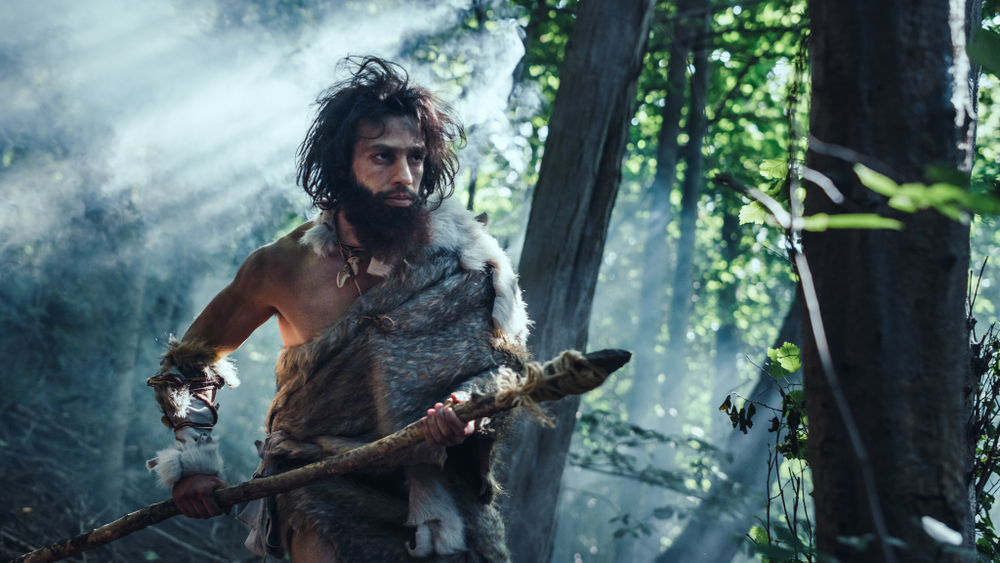
Scientists believe Cheddar Man lived as a hunter-gatherer in a landscape that looked very different from modern Britain. At the time, the region was heavily forested and still connected to mainland Europe. He likely survived on wild animals, fish, nuts, and seeds, living a life shaped entirely by nature and seasonal change.
DNA Unlocks a New Story
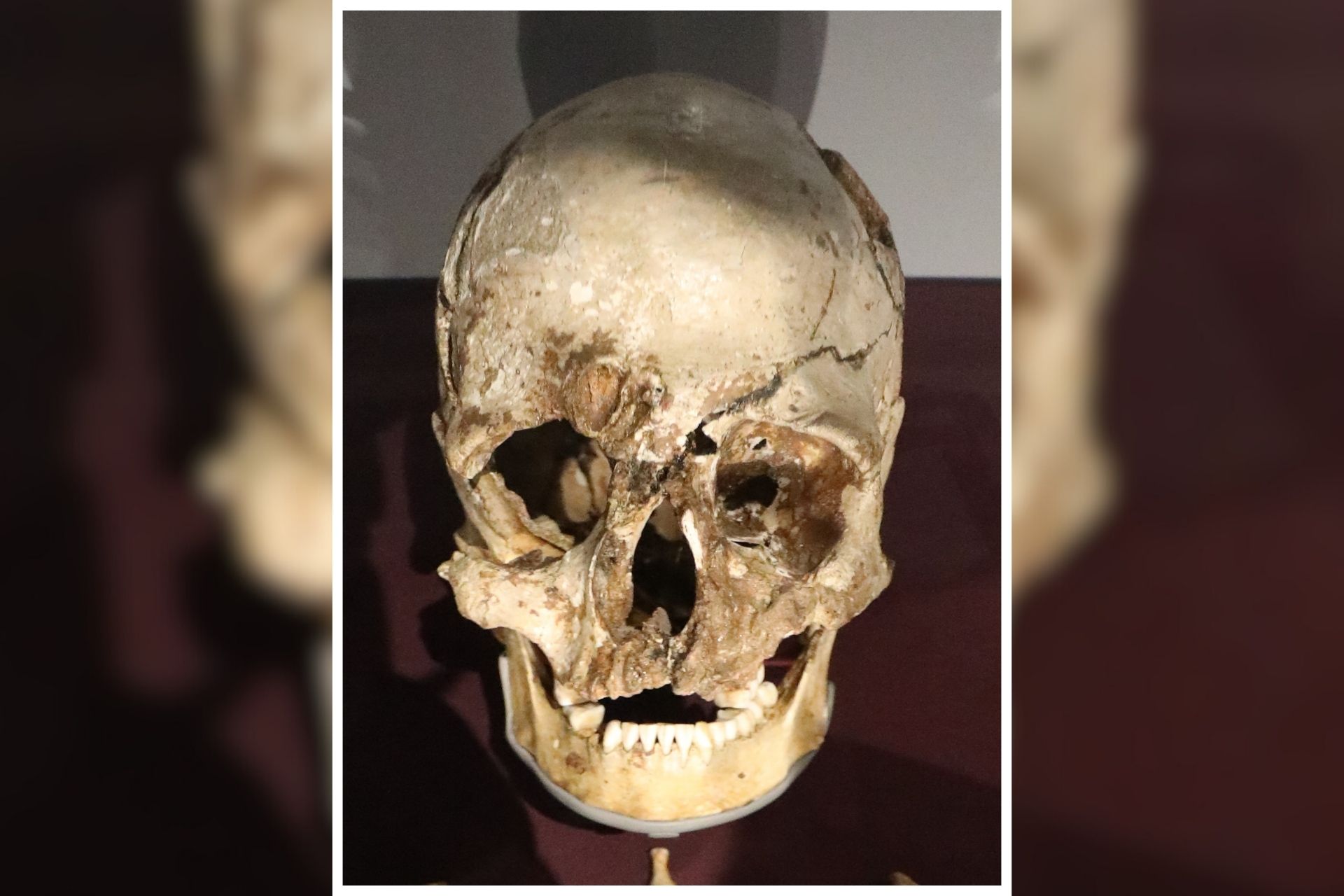
For decades, Cheddar Man remained an important archaeological find, but new technology changed everything. Advances in DNA analysis allowed scientists to extract genetic material from his remains, particularly from dense bones that preserved DNA well over thousands of years. This breakthrough opened the door to a deeper understanding of who he was and how he might connect to people today.
What Scientists Discovered About Him

The DNA results revealed surprising details about Cheddar Man’s appearance. Researchers found that he likely had dark skin, blue or green eyes, and dark hair, challenging long-held assumptions about early Europeans. As Dr. Tom Booth explained, these findings show that familiar traits we see today did not always appear together in the past.
A Modern Man Enters the Story

While scientists were studying the ancient DNA, they decided to test whether any living people might share a genetic link. Samples were taken from local residents in the Cheddar area, including a history teacher named Adrian Targett. What they found would turn an academic study into a deeply personal story.
A Connection Across 300 Generations
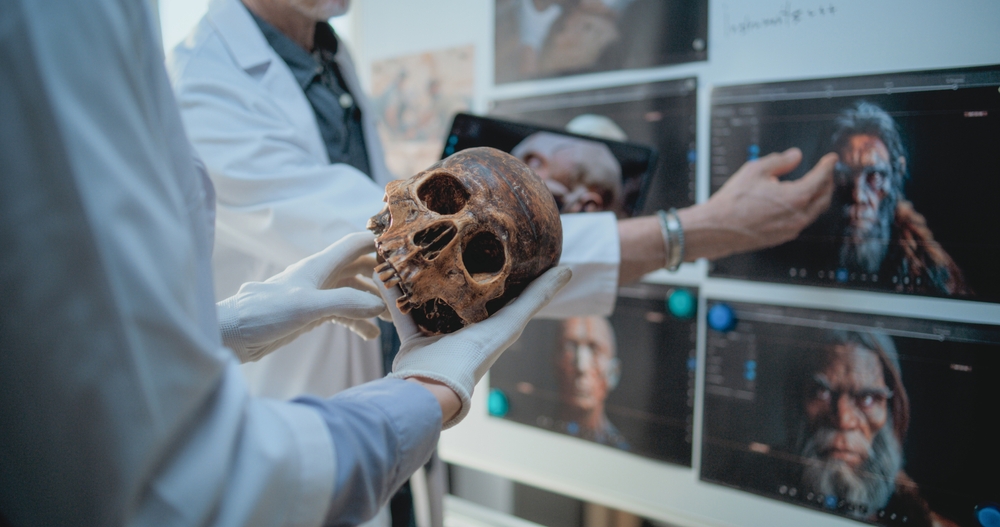
The tests revealed that Adrian Targett shared a common maternal ancestor with Cheddar Man. The connection stretched back roughly 300 generations, making it one of the longest traced genetic lineages ever identified. “They would have shared a common ancestor about 10,000 years ago,” said geneticist Dr. Bryan Sykes, who led the research.
Living Just Miles From the Past

What made the discovery even more striking was geography. Targett lived less than a mile from the cave where Cheddar Man’s remains were found. In other words, while thousands of years had passed, the genetic line had remained rooted in the same area. According to Guinness World Records, Targett holds the distinction of being one of the farthest traced descendants ever identified through DNA.
What the Discovery Means for History
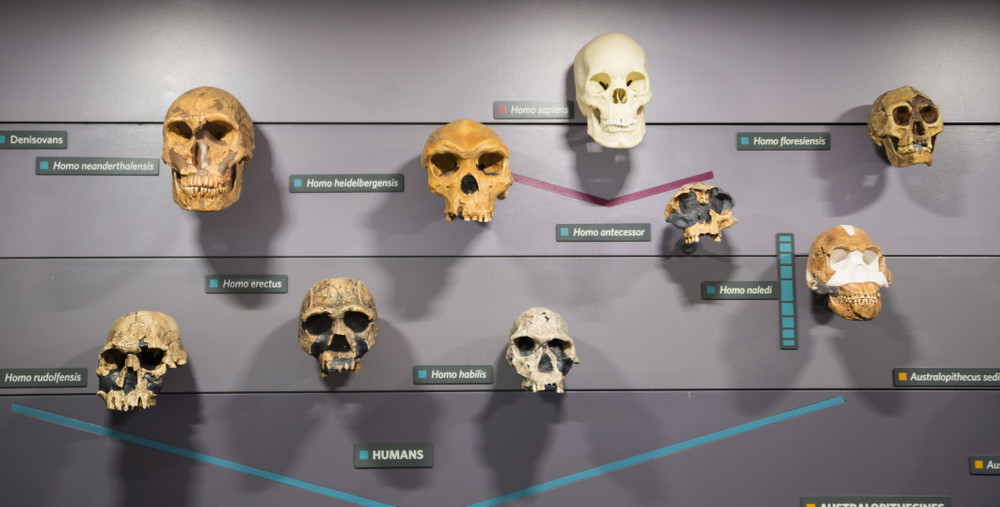
This finding has broader implications beyond one individual. It suggests that at least some genetic lines from ancient hunter-gatherers survived waves of migration and change in Britain. While many early populations were later replaced or mixed with incoming groups, fragments of their DNA still exist in modern people today.
A Reminder That the Past Is Still Present

Stories like this reshape how we think about history. The idea that someone living a normal life today could share ancestry with a person from 9,000 years ago makes the past feel less distant. It also highlights how science continues to uncover connections that were once impossible to imagine, linking modern lives with ancient ones in ways that feel almost surreal.