Mamdani’s Class Size Reversal Sparks Backlash From NYC Parents and Teachers


New York City’s ongoing battle over classroom sizes has erupted into a fresh political controversy after mayoral candidate Zohran Mamdani faced criticism for shifting his position on the state’s class size reduction law. The issue centers on a landmark mandate requiring New York City schools to gradually reduce the number of students in classrooms over several years. Parents, teachers, and education advocates who supported the law expressed frustration after Mamdani appeared to back away from earlier commitments. The dispute has intensified debate over school funding, educational quality, and the future of public education in the nation’s largest school district.
The Class Size Law Was Designed to Reduce Overcrowding

The controversy stems from New York’s class size reduction law, enacted in 2022, which requires the city to gradually lower classroom sizes across grade levels. The law sets targets of 20 students per class in kindergarten through third grade, 23 students in grades four through eight, and 25 students in high school academic classes. Supporters argue that smaller classes improve student performance, increase teacher attention, and create better learning environments. The mandate is scheduled to be fully implemented by 2028.
Mamdani Previously Supported Smaller Classes
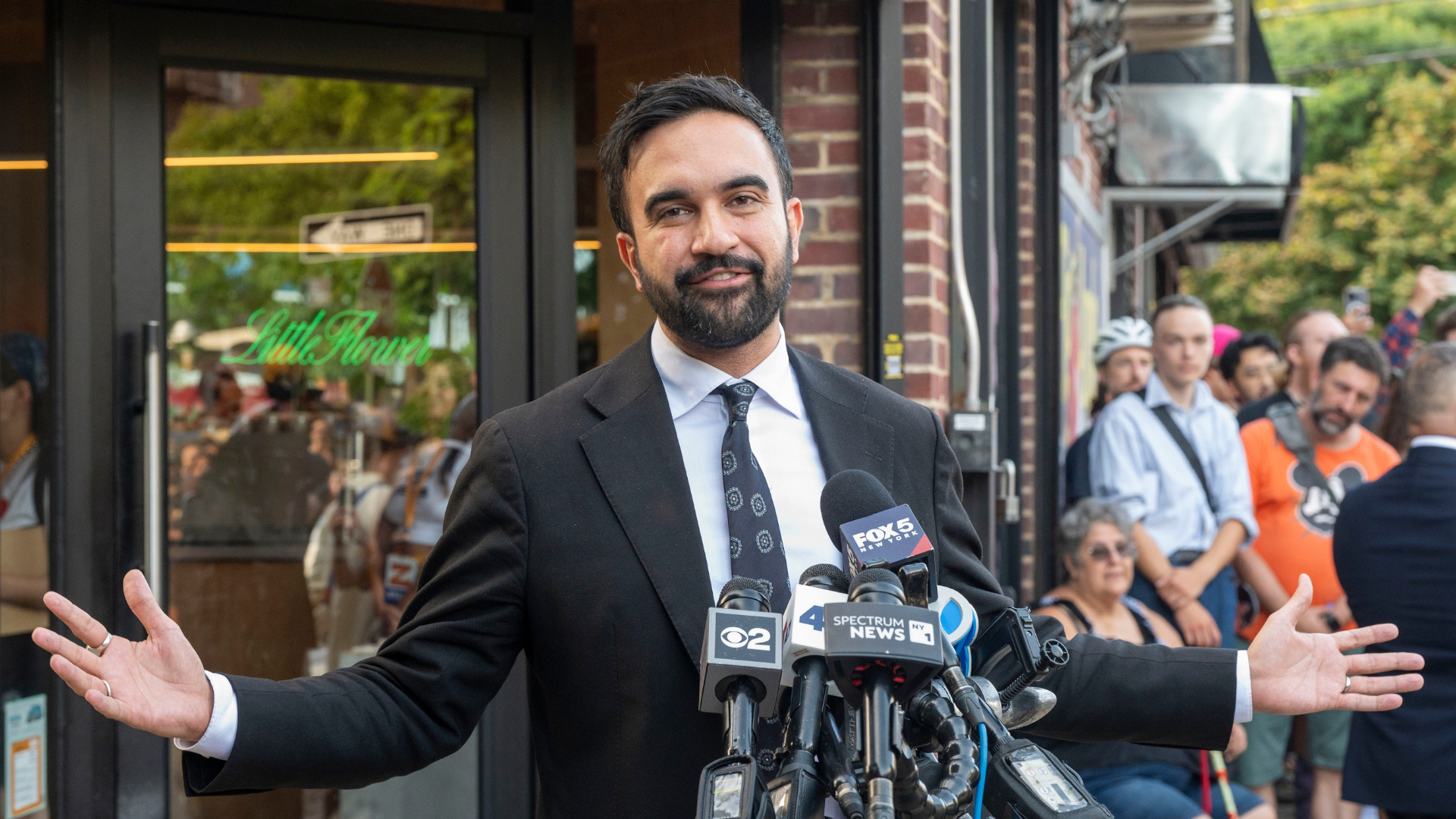
Mamdani had previously expressed support for reducing class sizes, aligning himself with many education advocates and teacher organizations. During his campaign, he emphasized improving public schools and addressing educational inequities across the city. Many supporters viewed his position as a commitment to fully implementing the state’s class size law. That earlier support made his more recent comments particularly controversial among education activists.
Critics Say He Backtracked on a Key Promise

The backlash intensified after critics accused Mamdani of retreating from his original position. Opponents argued that his latest stance could weaken efforts to enforce class size reductions and potentially delay improvements for students. Some education advocates described the move as a broken promise, claiming that families had been led to believe he would strongly support full implementation. The criticism has become a significant issue in discussions about his education platform.
Funding Challenges Remain a Major Obstacle

One of the biggest challenges facing the class size law is cost. City officials estimate that complying with the mandate could require billions of dollars in additional spending for new classrooms, school expansions, and thousands of additional teachers. Some policymakers argue that reducing class sizes without sufficient funding could strain school budgets and force difficult tradeoffs elsewhere. Financial concerns have become central to the debate surrounding implementation.
Teachers Argue Smaller Classes Improve Learning

Many educators continue to support the law, pointing to research suggesting that students benefit when teachers can provide more individualized attention. Teachers say overcrowded classrooms make it harder to address learning gaps, manage behavior, and support students with special needs. Education unions have repeatedly argued that smaller class sizes contribute to better academic outcomes and improved working conditions. These concerns have kept pressure on elected officials to maintain the law’s original goals.
Parents Fear Delays Could Hurt Students

Parent advocacy groups have voiced concern that any weakening of the class size mandate could leave students in overcrowded classrooms for years longer than expected. Many families supported the legislation specifically because it promised tangible improvements to classroom conditions. Critics argue that delaying implementation would disproportionately affect students in underserved communities where overcrowding is often most severe. The issue has become a rallying point for several parent organizations.
Supporters Say Practical Solutions Are Necessary
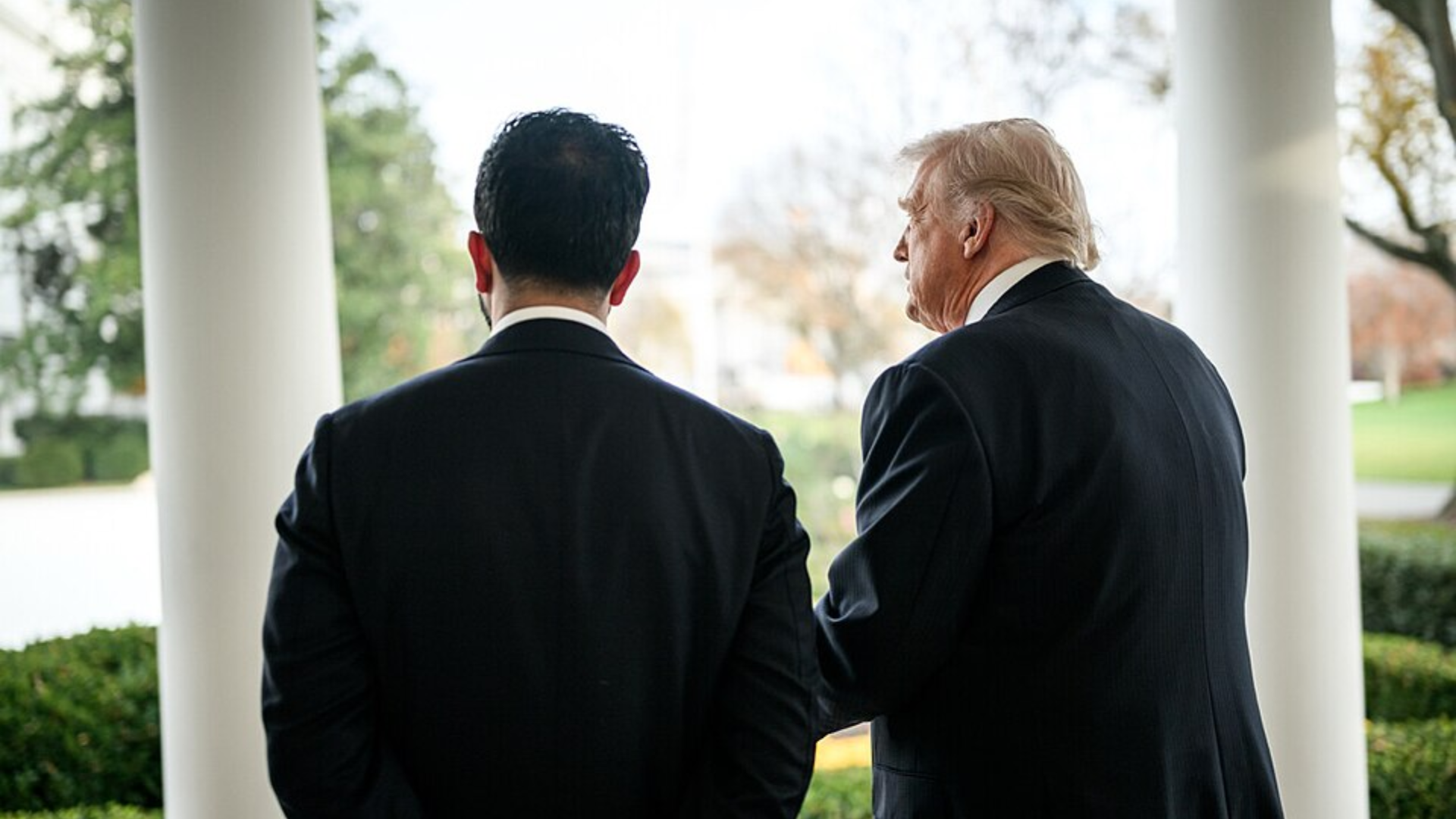
Some supporters of Mamdani’s position argue that practical realities must be considered alongside educational goals. They note that New York City faces challenges including declining enrollment in some districts, limited classroom space, and budget constraints. These supporters believe city leaders should focus on implementing the law in a financially sustainable manner rather than rushing to meet deadlines. They argue that careful planning is necessary to avoid unintended consequences.
The Debate Reflects Broader Education Priorities

The controversy extends beyond class sizes and touches on broader questions about public education policy. Voters, educators, and policymakers are debating how limited resources should be allocated and what reforms will have the greatest impact on student success. Issues such as teacher retention, school funding, infrastructure needs, and academic performance remain closely linked to the class size discussion. The debate highlights the difficult decisions facing New York City’s education system.
Class Size Remains a Defining Education Issue

The dispute surrounding Zohran Mamdani’s position on New York’s class size law has reignited a major conversation about the future of public education in the city. At the heart of the controversy are competing concerns about educational quality, financial realities, and political accountability. Parents and teachers who champion smaller classes remain determined to see the law fully implemented, while others argue that flexibility may be necessary to address logistical and budgetary challenges. As the debate continues, class size reduction remains one of the most closely watched education issues facing New York City schools.