Majority of US States Back Balcony Solar Bills, Lawmakers Move to Expand Home Energy Access
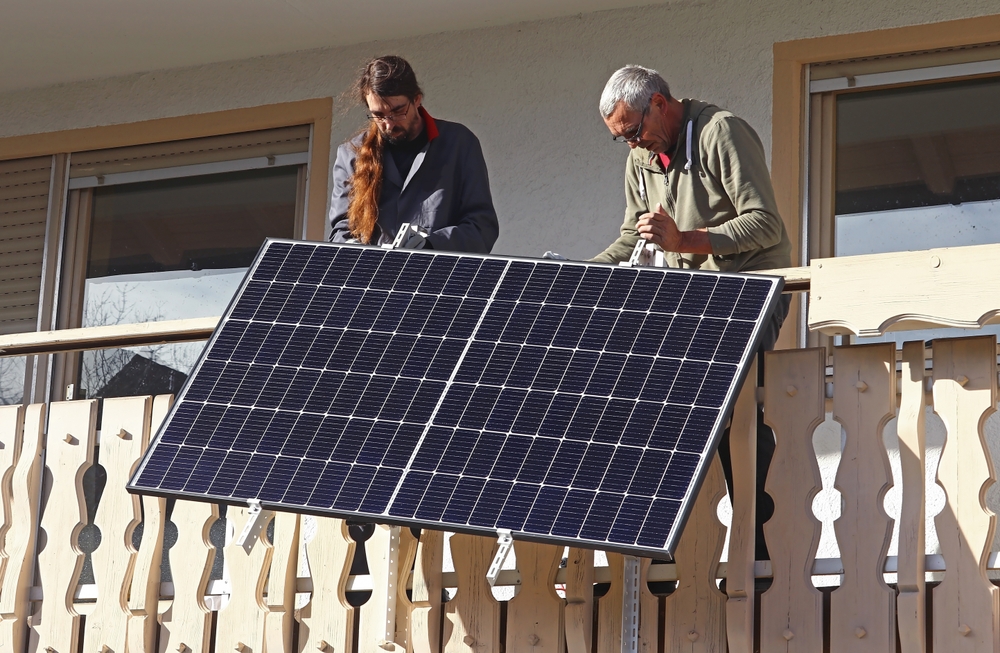

Across the United States, a new kind of solar movement is gaining momentum, and it is happening not on rooftops but on balconies. Lawmakers in a majority of states are now backing bills that would allow residents to use plug-in solar panels, also known as balcony solar. These small systems are designed to be simple, affordable, and easy to install. As more states take up the issue, what started as a niche idea is quickly turning into a nationwide effort to expand access to clean energy.
What Balcony Solar Actually Means
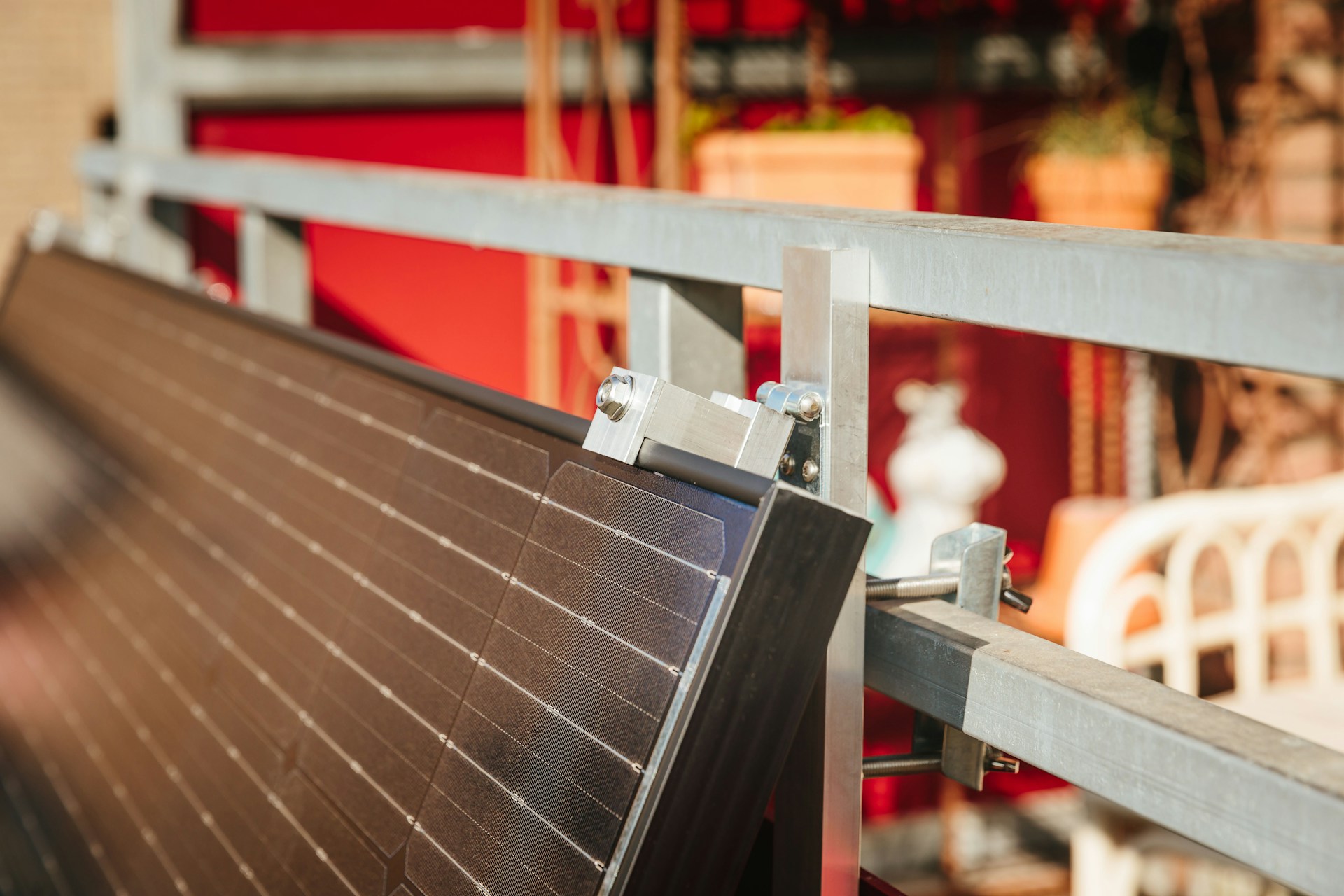
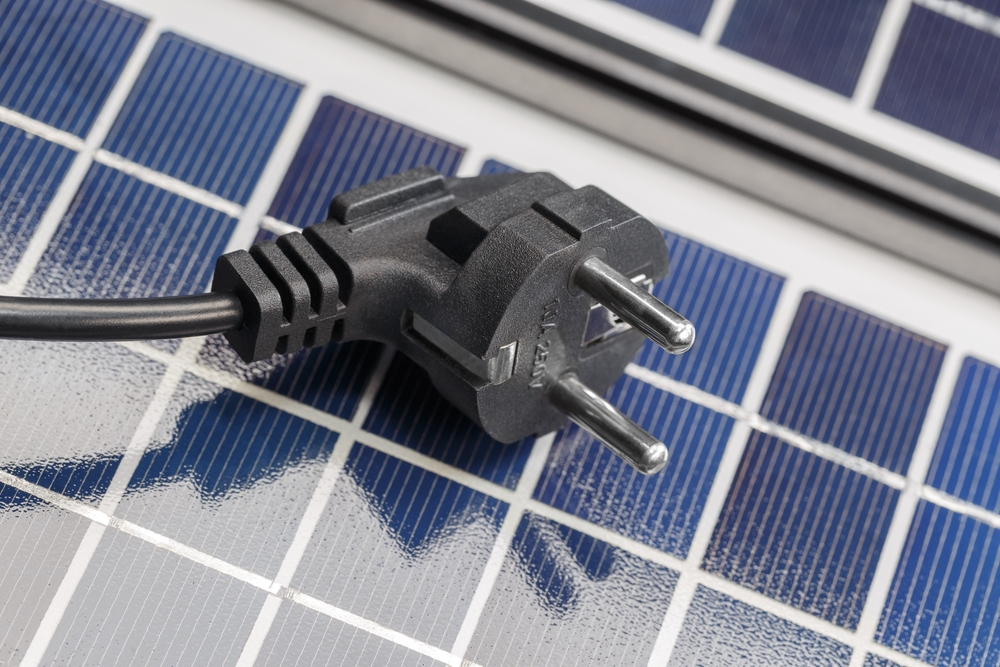
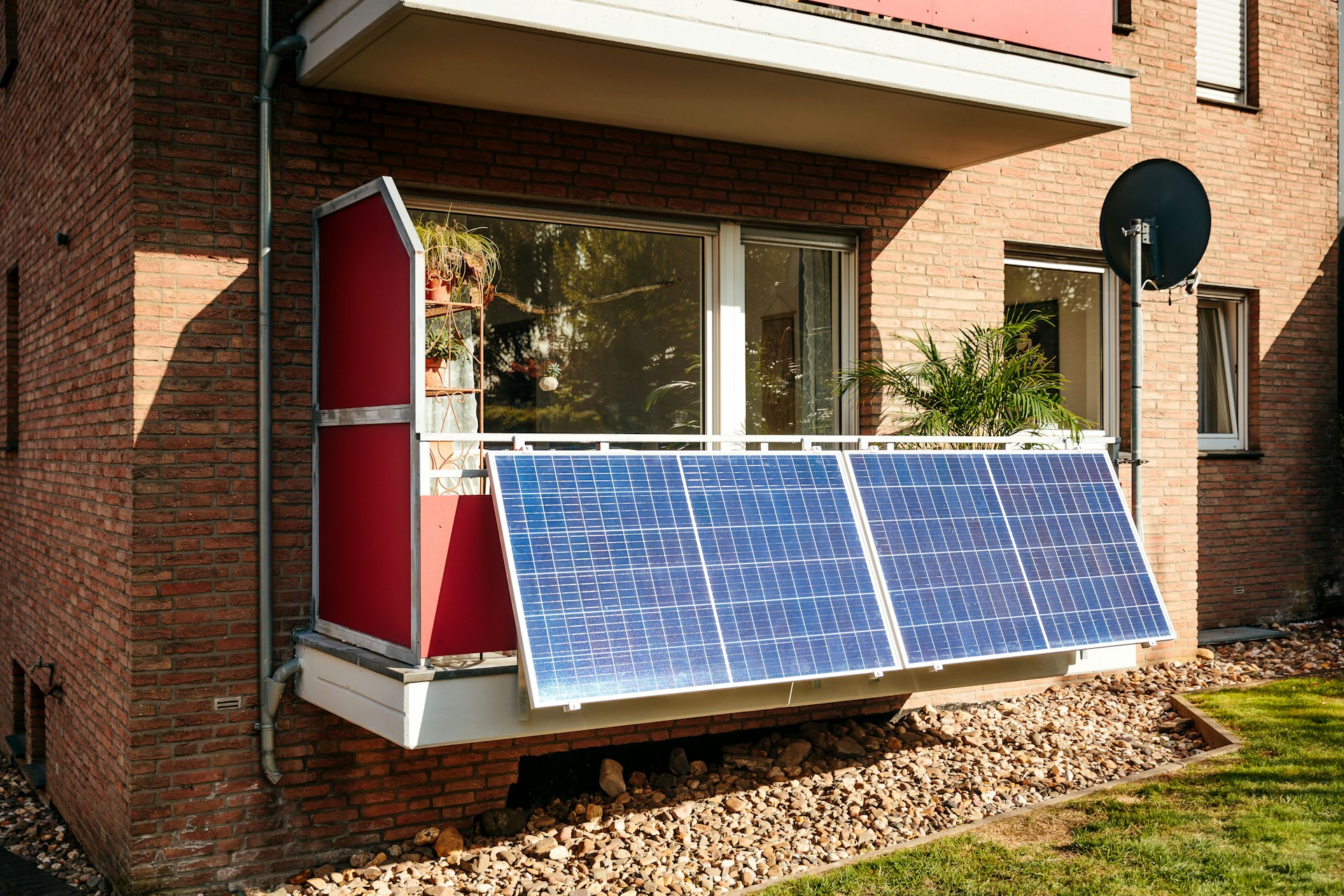
At its core, balcony solar is a straightforward concept. Residents can purchase small solar panels, plug them into a standard wall outlet, and begin generating a portion of their own electricity. Unlike traditional rooftop systems, these devices often do not require permits or professional installation under proposed laws. Instead, they function more like everyday appliances. As outlined in the NCEL report, these systems reduce how much electricity a home draws from the grid, helping lower monthly utility bills.
Why Lawmakers Are Paying Attention
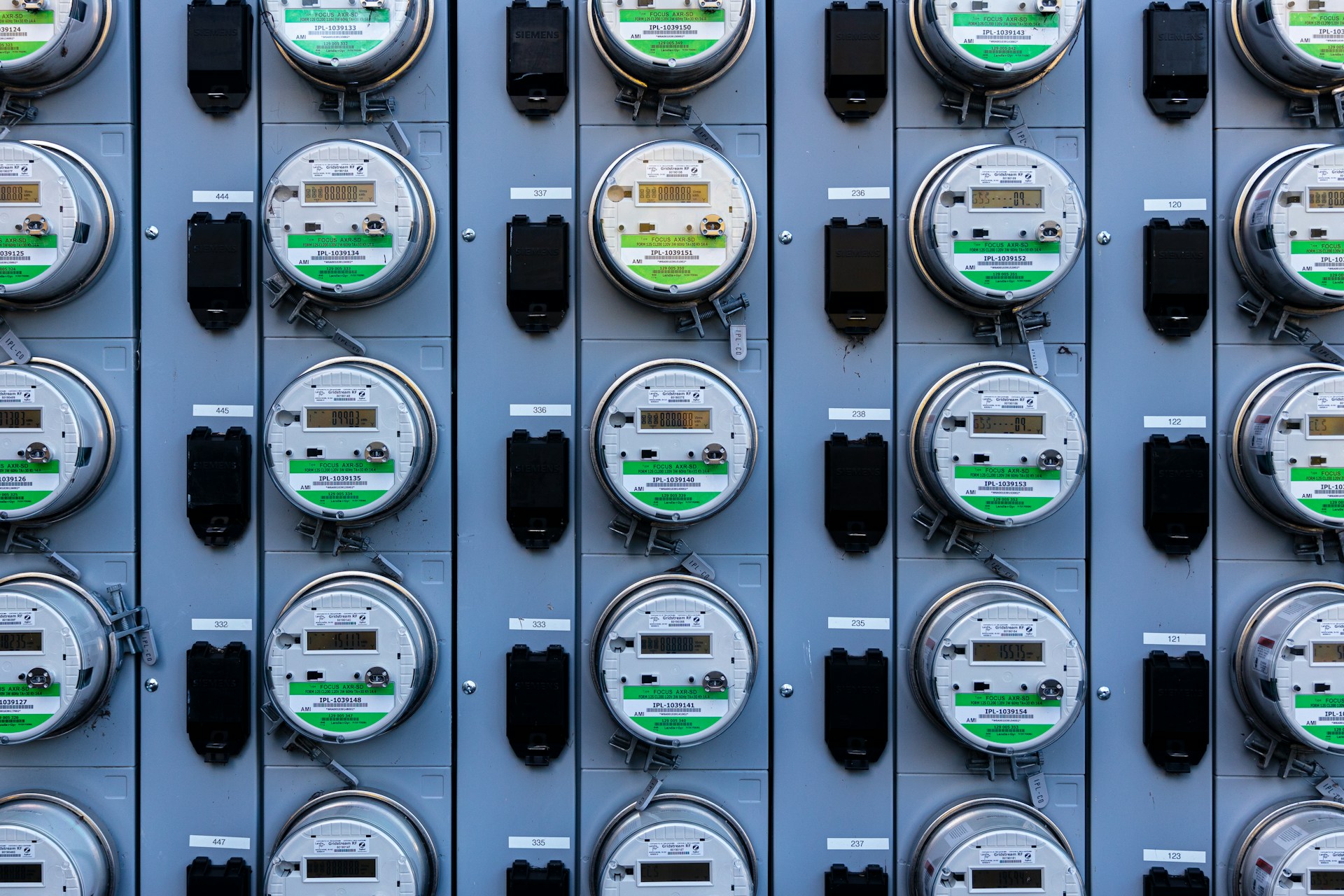
The growing interest in balcony solar is closely tied to rising energy costs. Electricity has become one of the fastest-growing household expenses, with prices increasing significantly in recent years. Many Americans are now worried about how high their bills could climb. In response, lawmakers see plug-in solar as a practical way to give households more control over their energy use without requiring large upfront investments.
A Solution for People Left Out of Solar
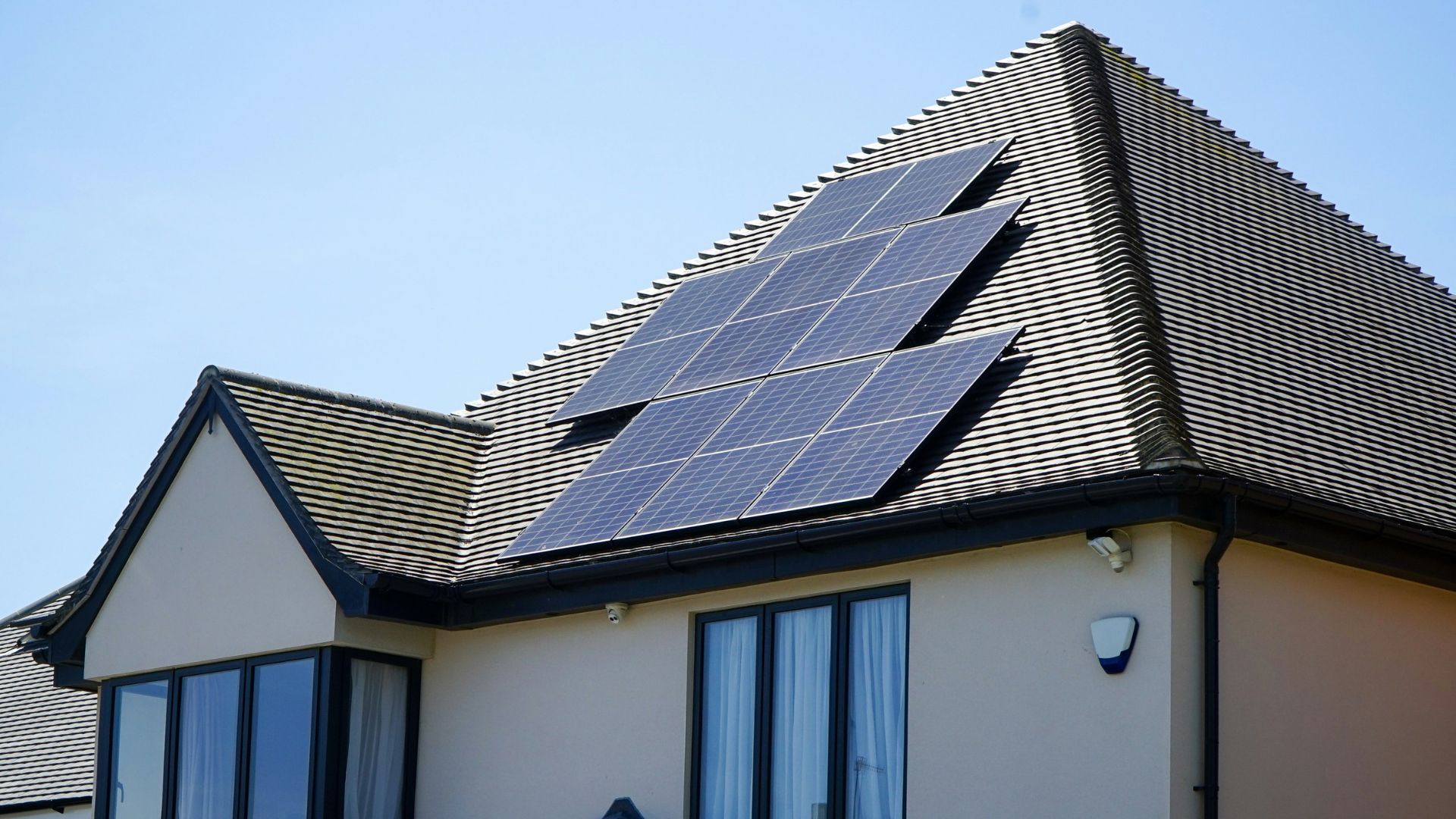
One of the strongest arguments behind these bills is accessibility. Traditional rooftop solar is not an option for many Americans, especially renters or people living in apartment buildings. In fact, around 70 percent of households cannot easily access rooftop solar due to cost, building type, or ownership limitations. Balcony solar offers a way to close that gap, allowing more people to participate in clean energy without major structural changes.
Utah Sparked a Nationwide Trend
The movement gained real traction when Utah passed the first plug-in solar law in 2025. The legislation created a legal category for small solar systems and removed key barriers, such as requiring complex utility agreements. As reported by Solar Builder, the bill passed quickly and even received limited resistance from utilities, helping establish a workable model for other states. That early success set off a ripple effect across the country.
Momentum Builds Across States
Since Utah’s decision, legislative activity has expanded rapidly. More than half of U.S. states have introduced or are considering similar plug-in solar bills, with estimates ranging from about 28 to over 30 states. These efforts span both Republican and Democratic lawmakers, making balcony solar one of the few energy topics gaining bipartisan support. That broad backing has helped accelerate the push toward wider adoption.
Real Benefits for Everyday Households
For many households, the appeal of balcony solar is simple. These systems can help reduce electricity bills by powering small appliances or offsetting part of a home’s energy use. In some cases, users have reported noticeable savings after installing just a few panels. While the systems do not generate enough electricity to fully power a home, they can still make a meaningful difference, especially as energy prices continue to rise.
Economic Opportunity and Market Growth
Beyond individual savings, balcony solar could also reshape parts of the energy market. As demand increases, companies are already offering plug-in solar kits at relatively low prices, with some systems costing under $1,000. Lawmakers argue that simplifying regulations can reduce costs even further by eliminating installation fees and permitting requirements. Over time, this could make clean energy more competitive and accessible nationwide.
Concerns and Ongoing Debate
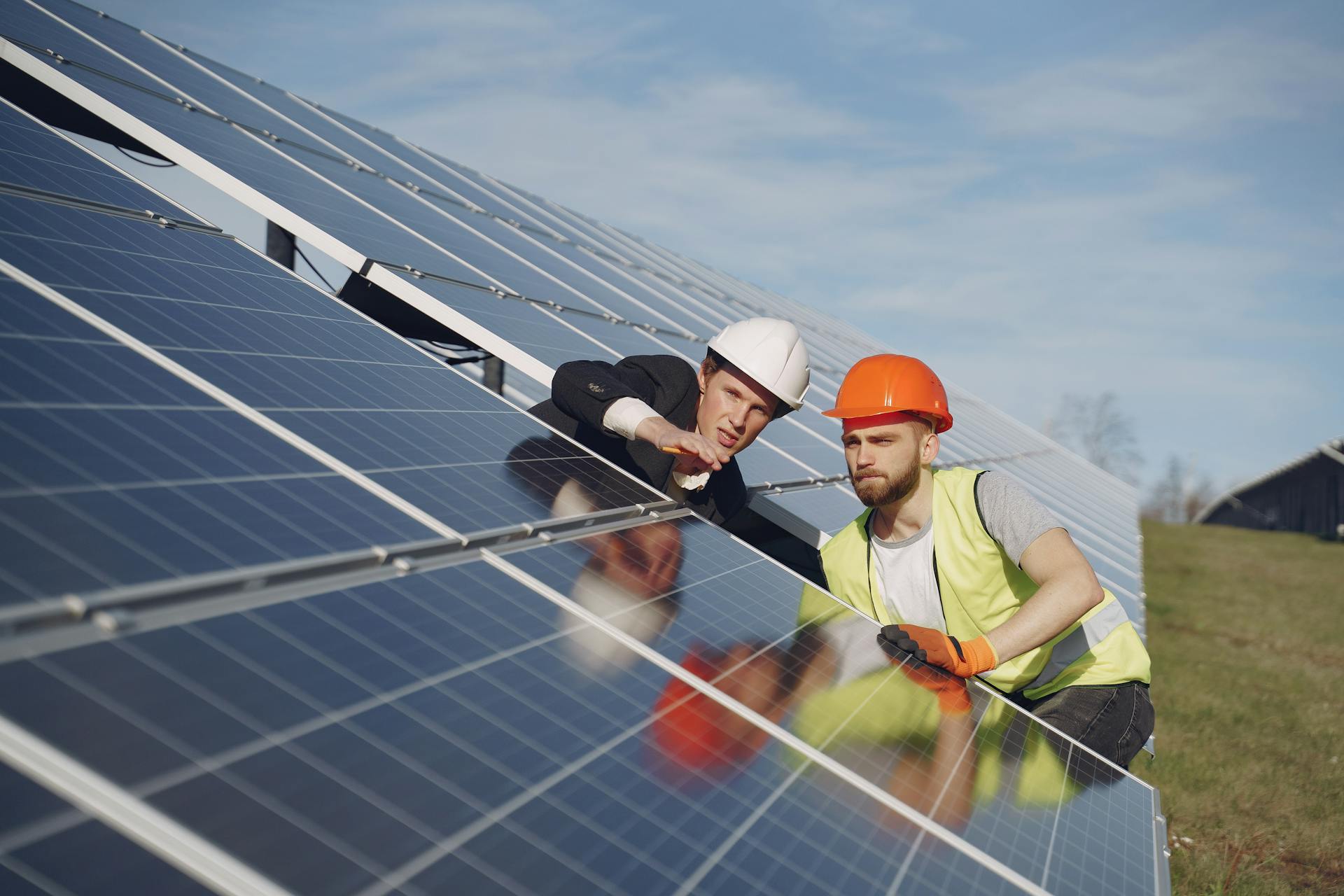
Despite strong momentum, the push for balcony solar has faced resistance. Utility companies have raised concerns about safety, particularly the risk of electricity feeding back into the grid during outages. These concerns have led some states to delay or reconsider legislation. However, safety experts point to certification standards, such as those from UL Solutions, which are designed to ensure systems shut down during outages and meet strict safety requirements.
What Comes Next for Balcony Solar
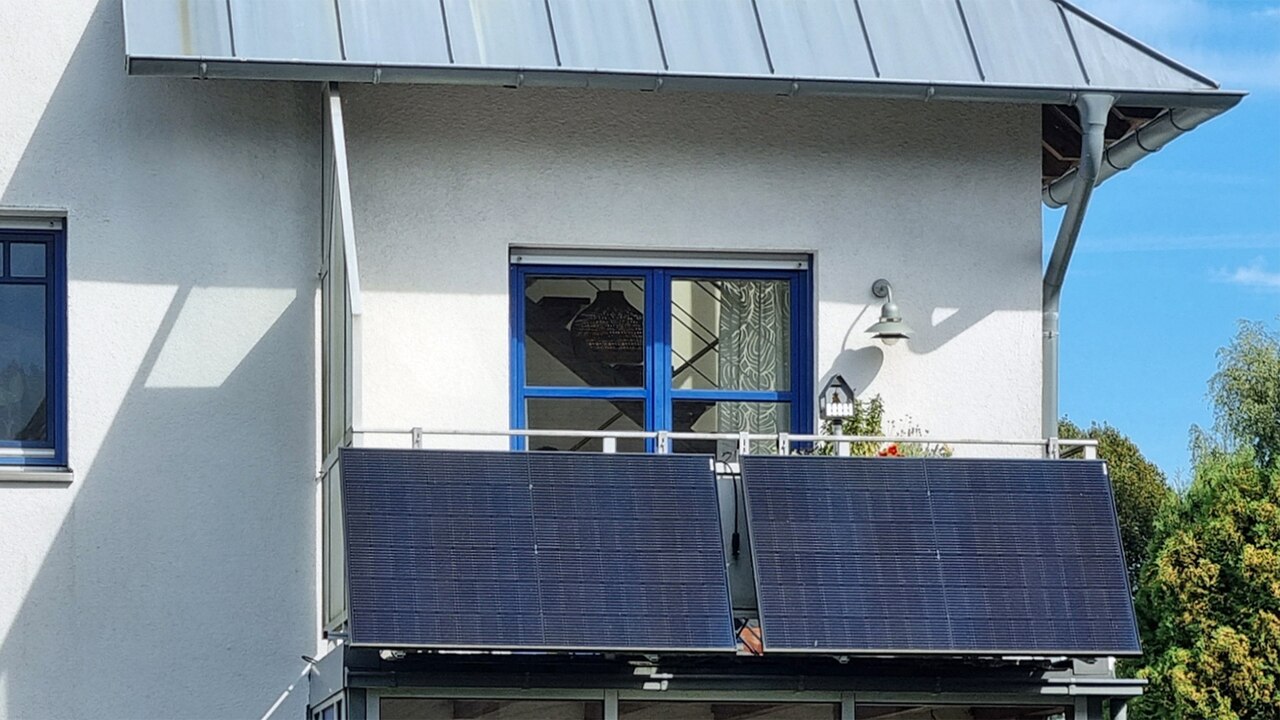
Looking ahead, the future of balcony solar in the United States will depend on how quickly states move from proposals to law. Some states are already close to passing legislation, while others are still working through regulatory questions. If the current pace continues, these small plug-in systems could soon become a common feature in homes and apartments. For millions of Americans, especially those previously left out of solar, that shift could mark a major step toward more affordable and accessible energy.