LG Is Under Fire Over Claims Its TVs Secretly Record Users, Even When They’re Offline
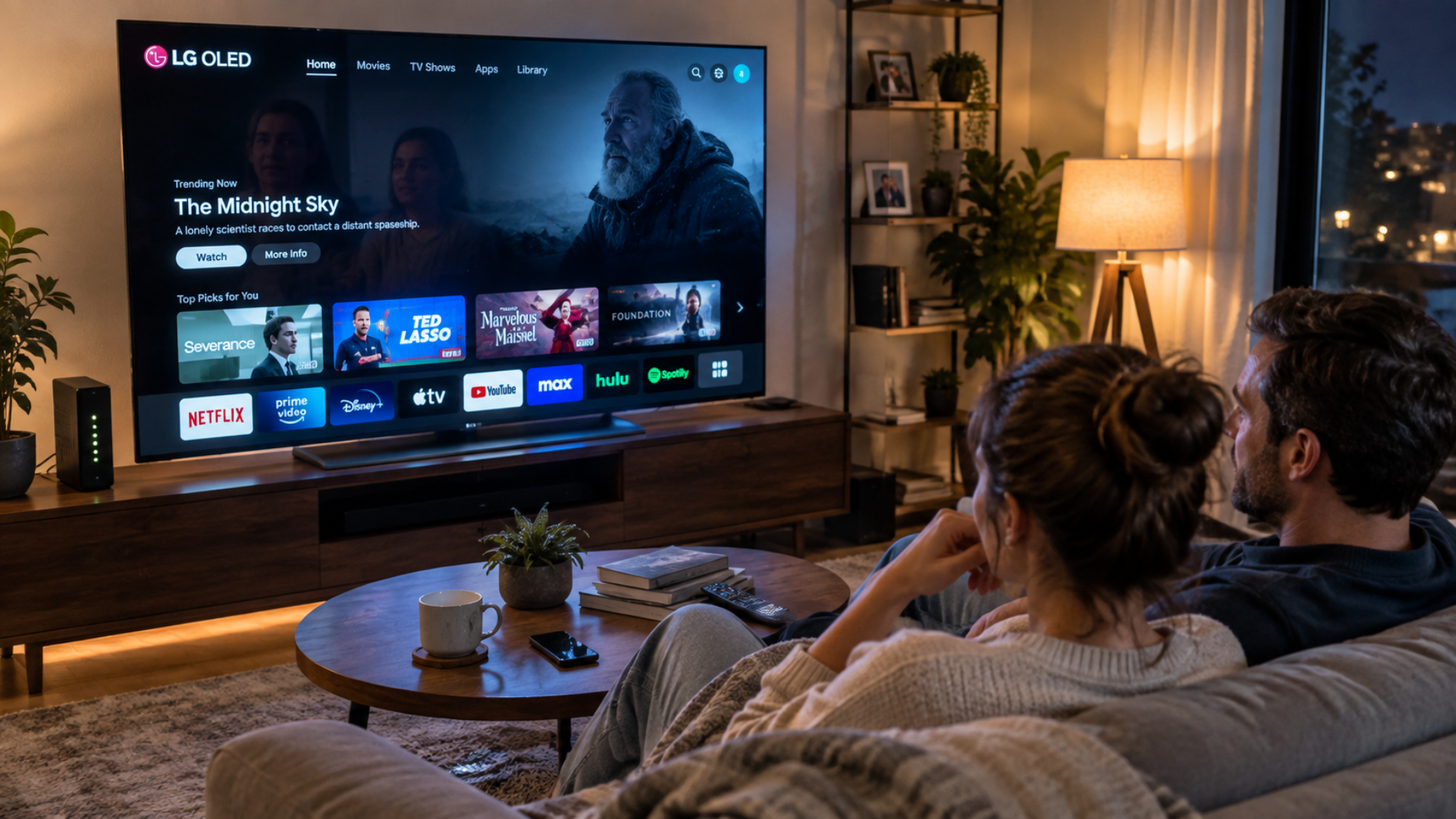

LG says roughly 216 million of its televisions are currently sitting in homes worldwide. According to a new investigation, a portion of them may be logging far more than what’s on screen. Independent researchers spent time examining the company’s webOS software, intercepting the TVs’ outgoing data and digging through their firmware. What they say they found goes well beyond typical smart TV advertising tracking, and it doesn’t appear to stop just because the screen looks dark.
This article was created with the assistance of AI and reviewed by our editorial team for accuracy and clarity.
Gamers Nexus and Level1Techs Spent Two Hours Laying Out the Case
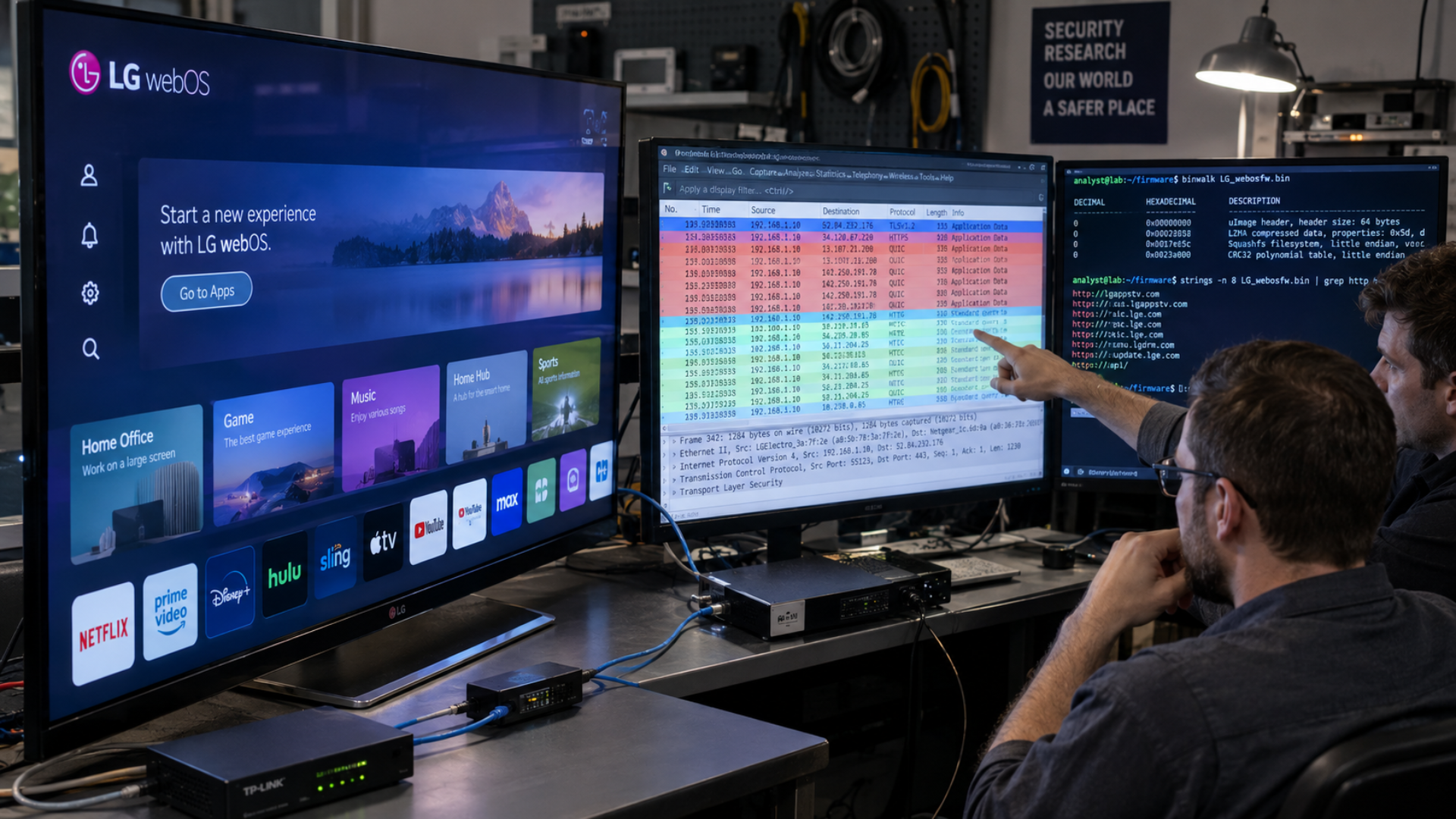
On September 6, YouTube channel Gamers Nexus published a 135-minute investigation made with Level1Techs and independent security researchers, titled “216,000,000 Spy TVs: The LG Smart TV Problem.” That number came straight from LG’s own marketing about its installed base. The team said the project combined firmware analysis with live packet captures, tracking exactly what data left the TVs, when, and where it was headed. The scale of what they logged reportedly surprised even them.
One Test TV Mapped 38 Devices It Was Never Connected To
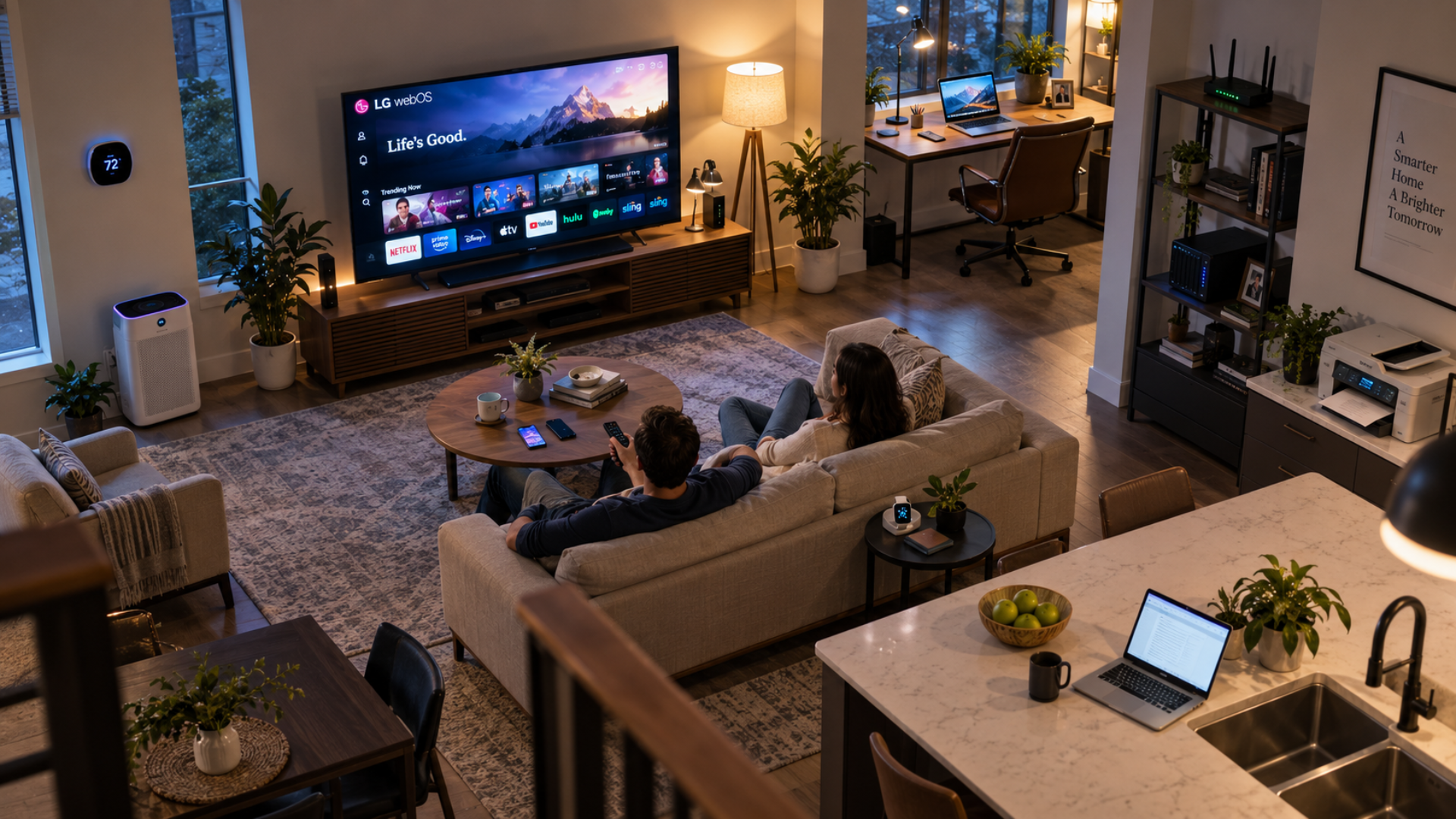
Using packet captures, the researchers found LG televisions actively scanning local Wi-Fi networks to catalog nearby devices. One test set identified roughly 38 gadgets it had no direct connection to, including smartphones, smartwatches, printers, thermostats, air purifiers, and even server hardware. The TVs also logged nearby Wi-Fi network names, signal strength, and channel data, details that can help pinpoint a home’s location. None of the owners of those other devices had agreed to any of it.
LG Executives Have Called It “Owning the Glass”
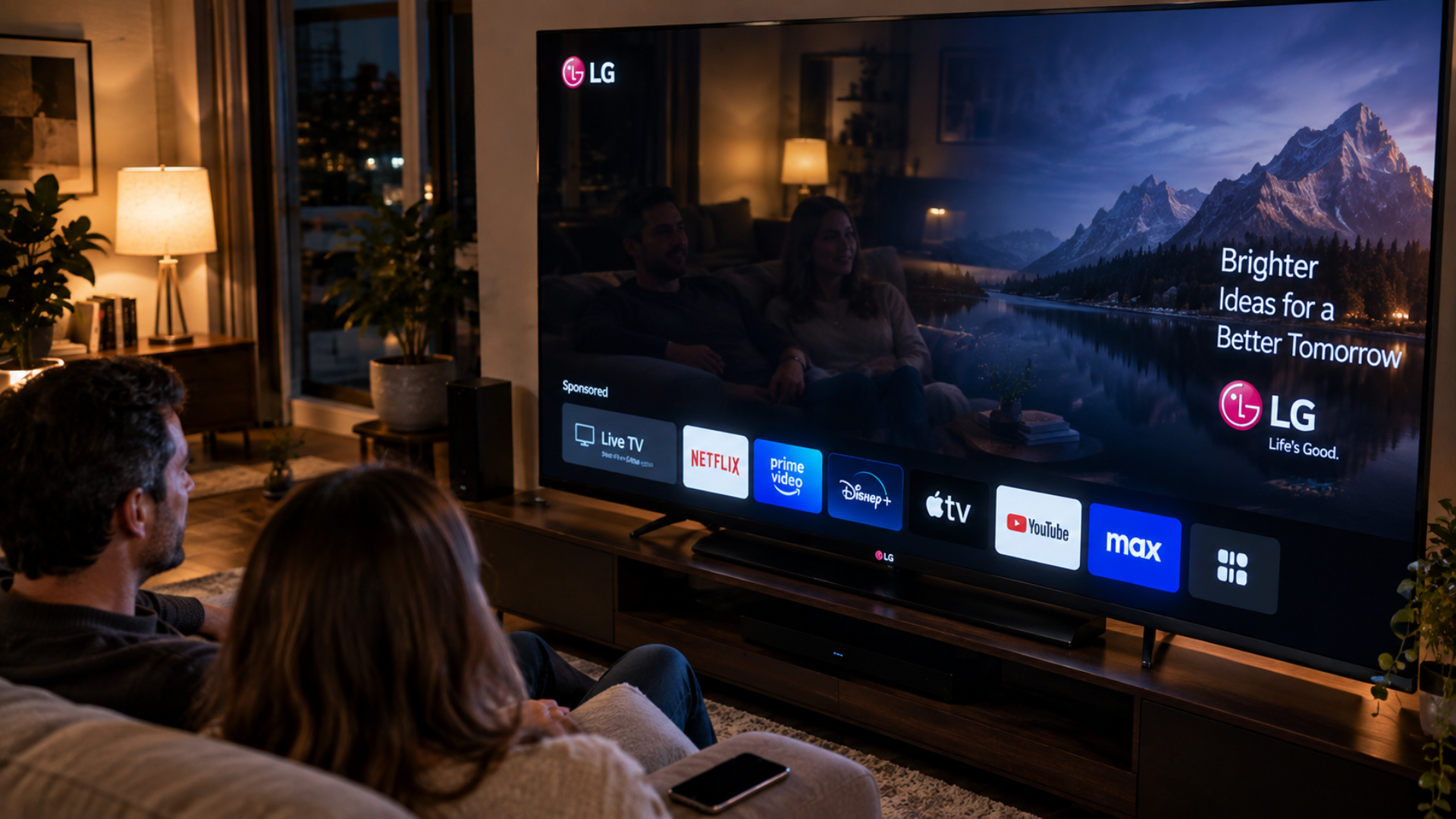
That network data doesn’t exist in isolation. LG TVs also run automatic content recognition, software that fingerprints what’s playing on screen and checks it against a reference database to track viewing habits. Paired with device discovery, both systems feed LG Ad Solutions, the company’s advertising division. Gamers Nexus included clips of LG executives describing the strategy bluntly, with one telling advertisers the company “owns the glass” inside millions of households.
Researchers Rooted a TV and Found Plain-Text Conversation Logs
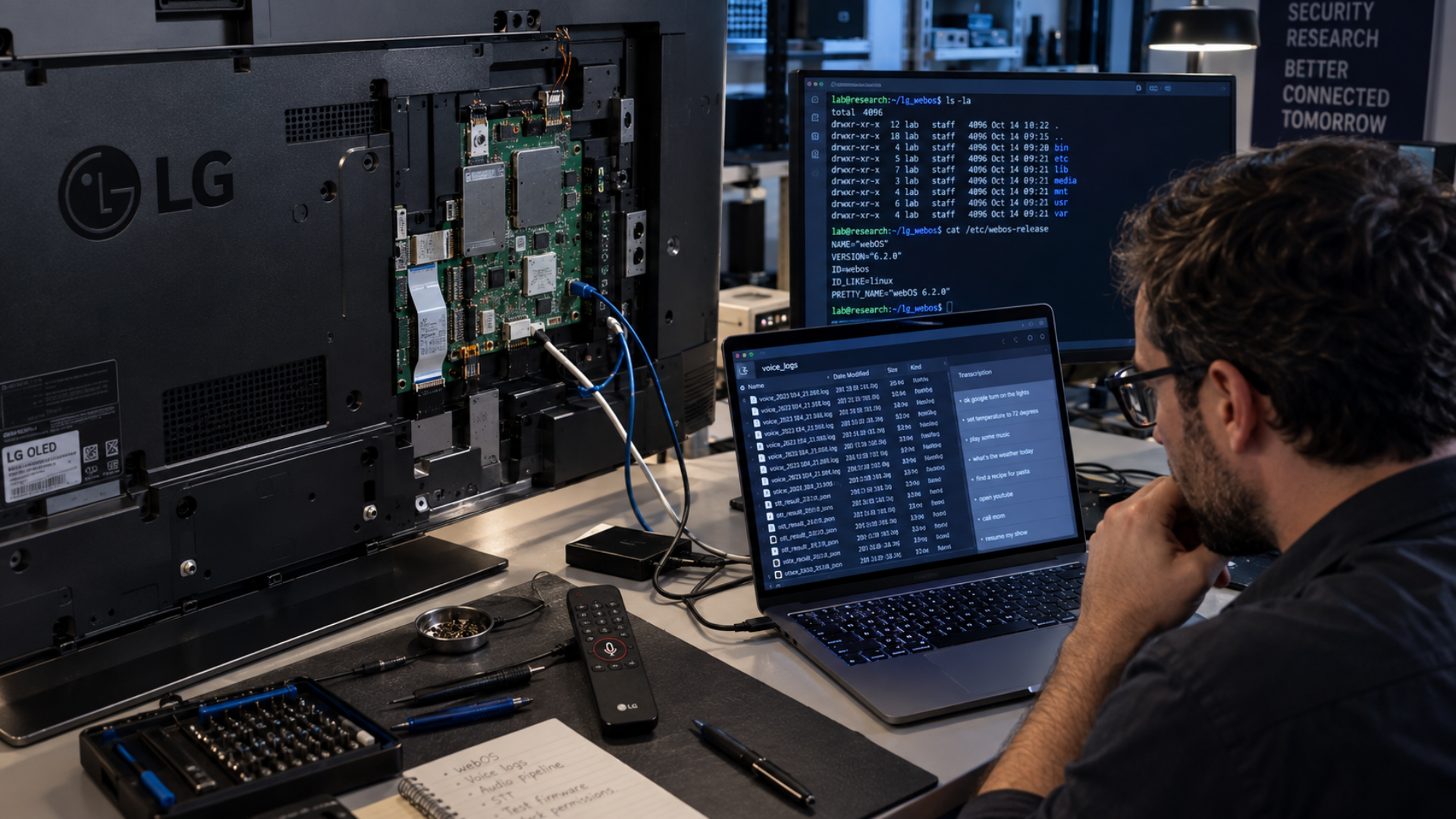
To dig deeper, the team rooted a test unit to access its internal logs directly. Inside, they say they found speech-to-text files generated by the TV’s voice system, some capturing 10 to 15 seconds of speech after a command had already finished. That window meant the microphone kept transcribing whatever came next, whether or not it was meant for the TV at all. The files were stored as plain, readable text rather than encrypted audio.
The Microphone Reportedly Stayed Active Even in Standby
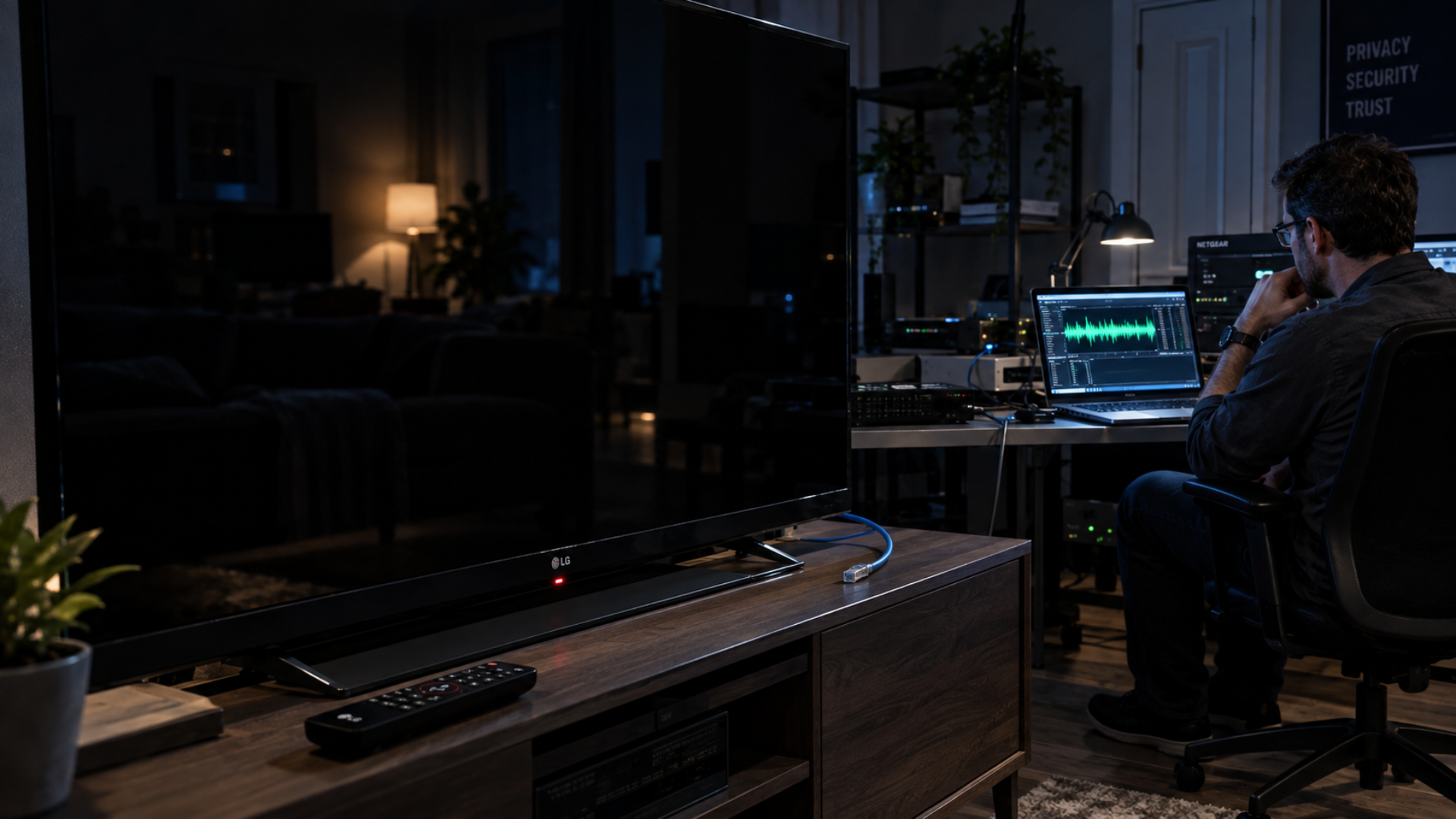
The most alarming claim involves TVs that appear completely off. Gamers Nexus says testers captured usable microphone audio while sets sat in standby mode, the low-power state most owners assume counts as “off.” Even after cutting a TV’s network connection entirely, the recording reportedly continued, with audio stored locally on the device. The moment connectivity returned, researchers say they watched the backlog upload automatically, as if the offline period had only been a delay.
LG Calls the Investigation’s Claims “Not True”

LG disputes the characterization directly. In a statement responding to the report, the company said, “The claims made in the recently published video are not true.” LG maintains its TVs process voice data only when someone presses the remote’s voice button or says a wake word, and that unrecognized audio is deleted on the device rather than transmitted anywhere. It describes its network scanning as a standard smart TV feature. Outside researchers reviewing that response weren’t fully convinced.
A Security Flaw Could Let Outsiders Listen Remotely
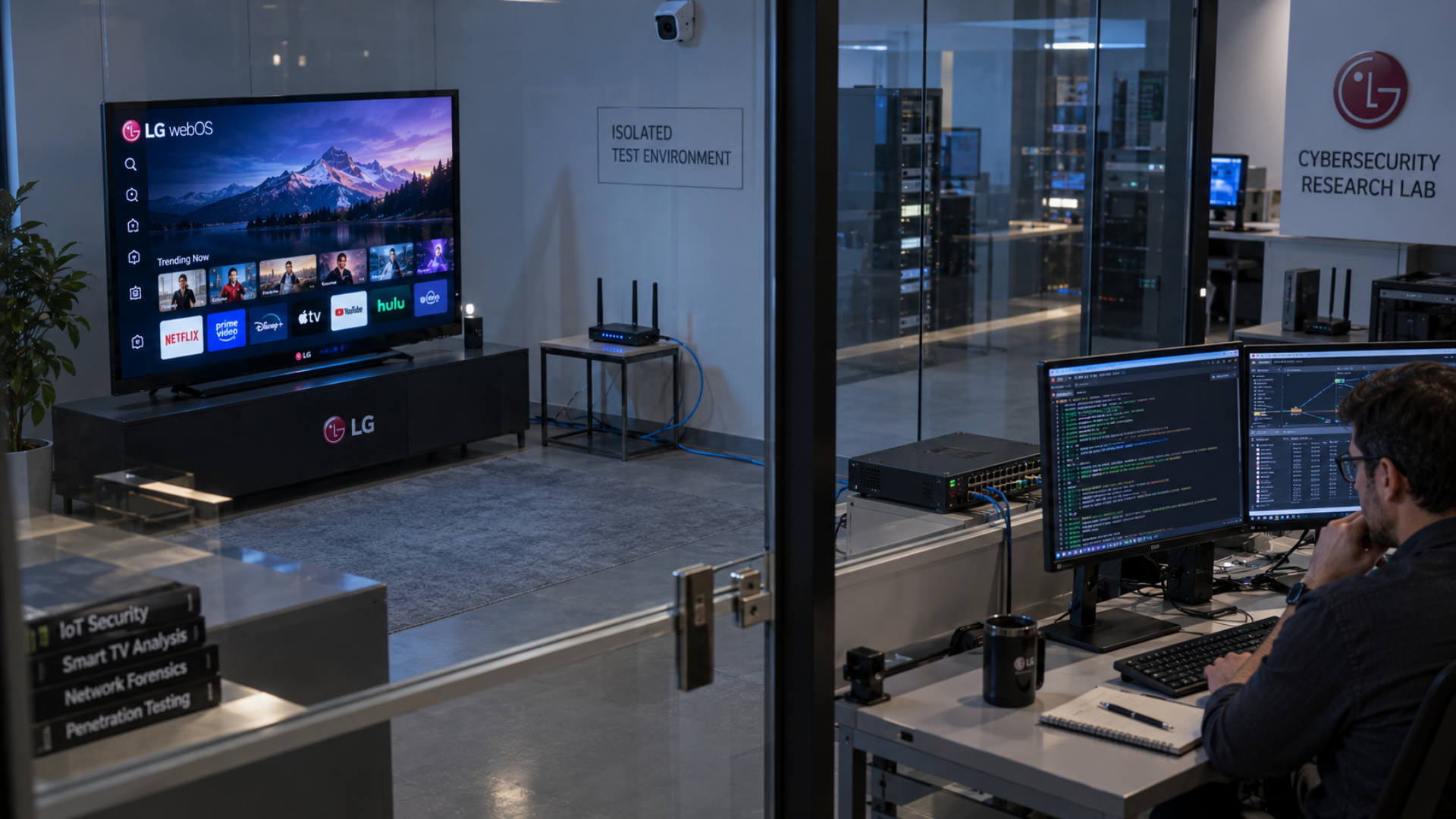
Beyond the TV’s built-in behavior, researchers say they also found a remote code execution vulnerability, serious enough that an attacker could potentially seize control of a set from outside the home. The team is withholding technical details while working through responsible disclosure with LG. One researcher flagged the risk of leaving such devices unpatched for years, warning that a compromised TV in a hotel room or government office could expose far more sensitive conversations than any advertiser was after.
It’s the Second LG Privacy Controversy in Six Weeks
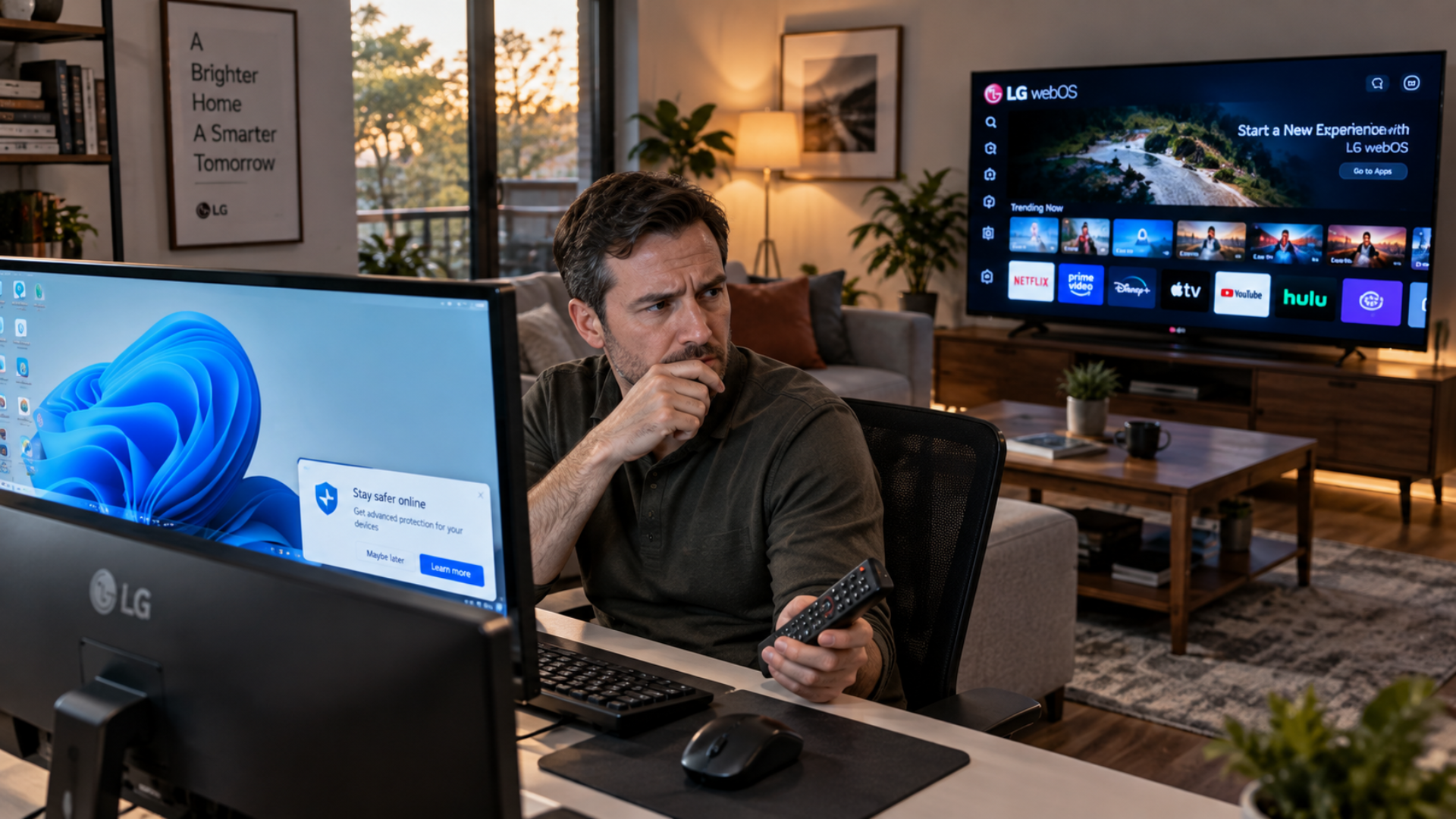
This isn’t LG’s first run-in with Gamers Nexus this year. About six weeks earlier, the same channel exposed LG monitors quietly installing software that pushed McAfee pop-up ads through Windows Update without users choosing to download anything. The backlash reached Microsoft, whose Windows chief publicly confirmed the company pressed LG to disable the ads. Owners still frustrated by that episode are now watching a second, larger controversy unfold around the same brand.
The Fix Exists, but It Requires Giving Up Convenience
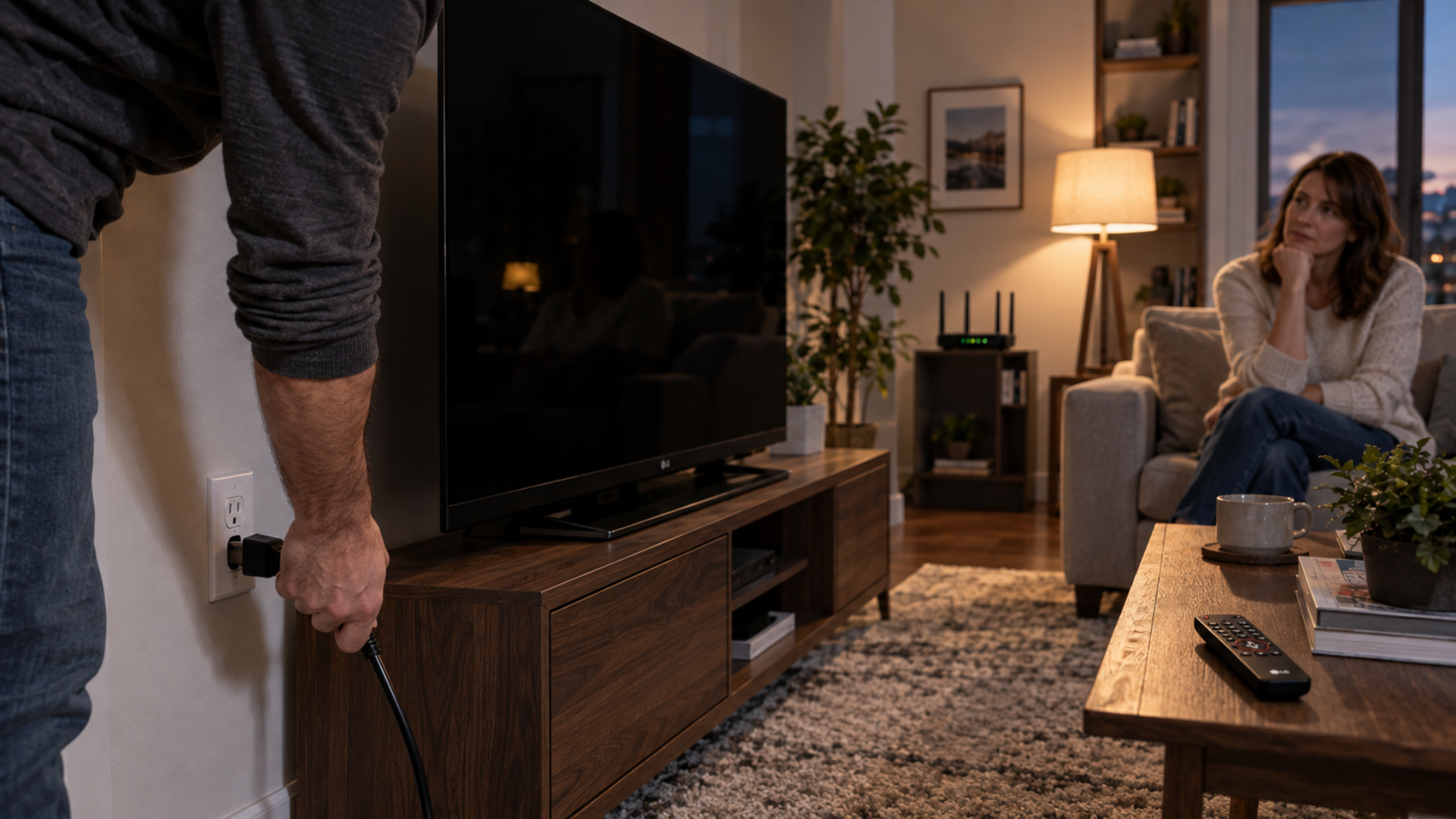
Researchers’ advice is consistent: turn off automatic content recognition in the TV’s settings, put smart TVs on a separate network, and unplug them when privacy matters most, since a full power-down is currently the only guaranteed way to stop the microphone. LG disputes the most serious framing of the findings, but it hasn’t disputed that its TVs scan networks and process voice data by design. For millions of owners, the convenience of a smart TV now comes with a documented cost.