Legal Fight Erupts Over Trump’s Reflecting Pool Project as Cost Estimates Keep Growing
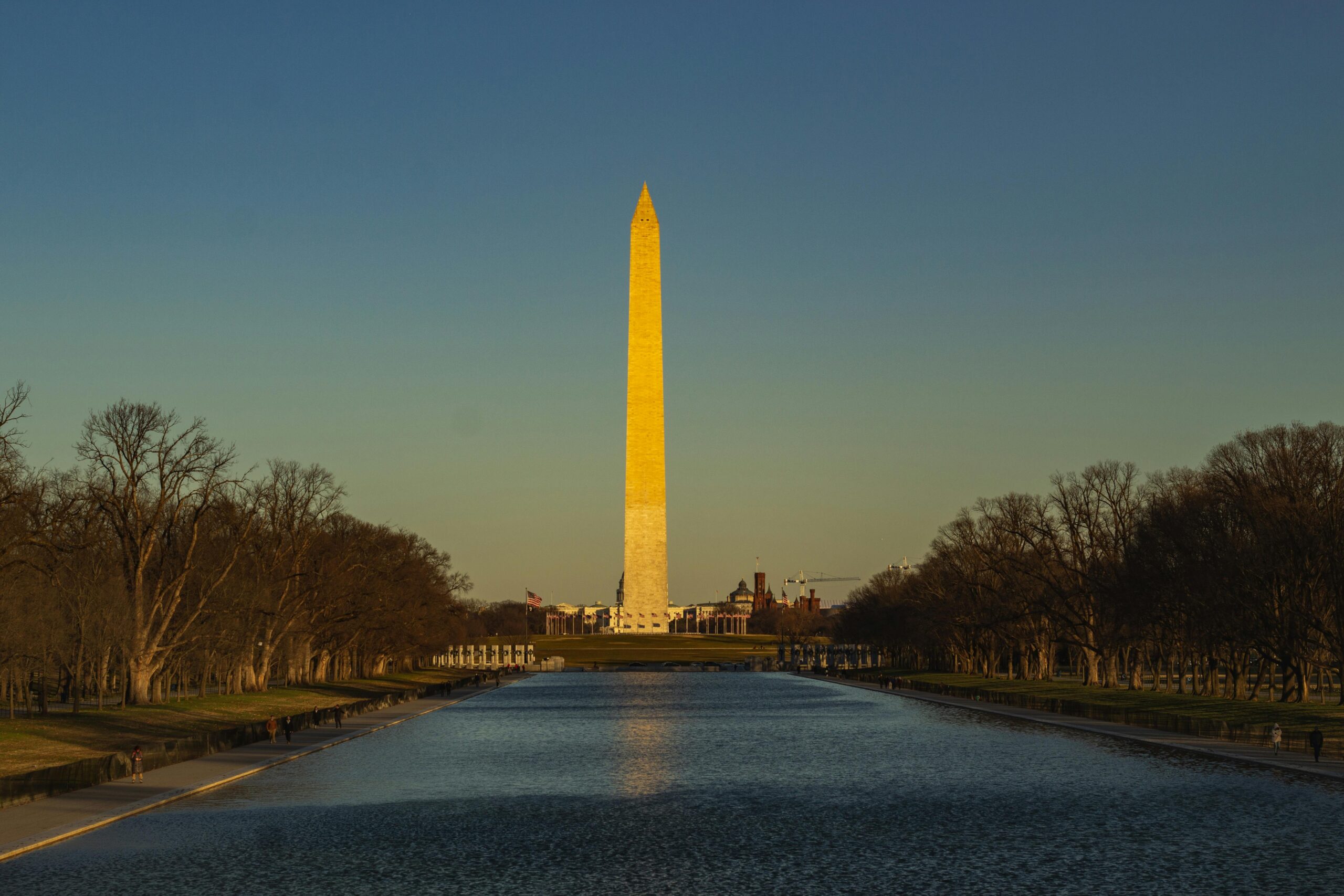

A growing legal and political fight has erupted around President Donald Trump’s controversial plan to renovate the Lincoln Memorial Reflecting Pool, as critics challenge both the project’s rapidly increasing costs and its proposed redesign of one of America’s most recognizable landmarks.
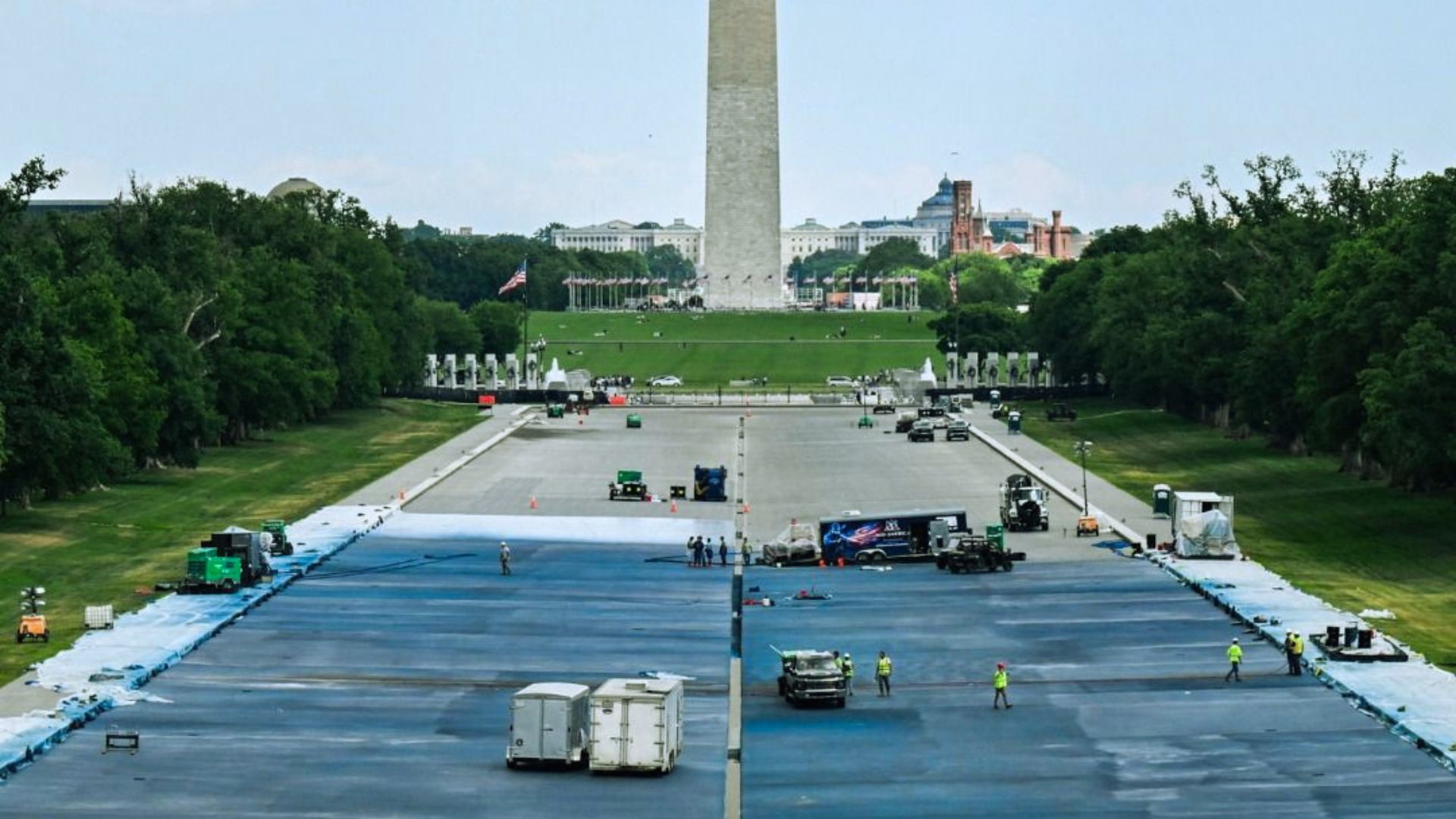
The dispute centers on a federal project aimed at repainting portions of the Reflecting Pool “American Flag Blue” while carrying out broader renovations around the National Mall site. Advocacy groups, historians, preservation experts, and labor organizations have all raised objections in recent weeks, arguing that the administration moved forward too aggressively without fully considering environmental, historical, and worker-safety concerns.
At the same time, projected costs tied to the project have continued climbing. Early estimates reportedly placed the renovation near $13 million, but critics now warn the final total could rise significantly higher depending on construction delays, legal challenges, and additional modifications tied to the redesign effort. The growing controversy has transformed what began as a symbolic renovation project into a broader national debate about preservation, executive power, and public spending.
Lawsuits Challenge The Administration’s Renovation Plans
Several advocacy and preservation groups have now filed legal challenges seeking to halt or delay portions of the project. Critics argue the administration failed to complete proper environmental and historical review procedures before moving ahead with plans that could significantly alter the appearance of the Reflecting Pool and surrounding landmark areas.
According to court filings and reporting from PBS and CNN, opponents contend the project may violate federal preservation standards governing historically protected sites on the National Mall. Some historians and preservation experts also criticized the proposal to paint the pool blue, arguing the Reflecting Pool’s appearance carries symbolic historical importance tied to decades of American civic events, protests, and national memorial gatherings.
The administration has defended the project as both patriotic and necessary, arguing the renovations will modernize aging infrastructure while improving the visual appearance of one of Washington’s most visited public spaces. Supporters also say the changes align with Trump’s broader focus on monument restoration and national symbolism across federal sites.
Historians And Labor Groups Are Raising Separate Concerns
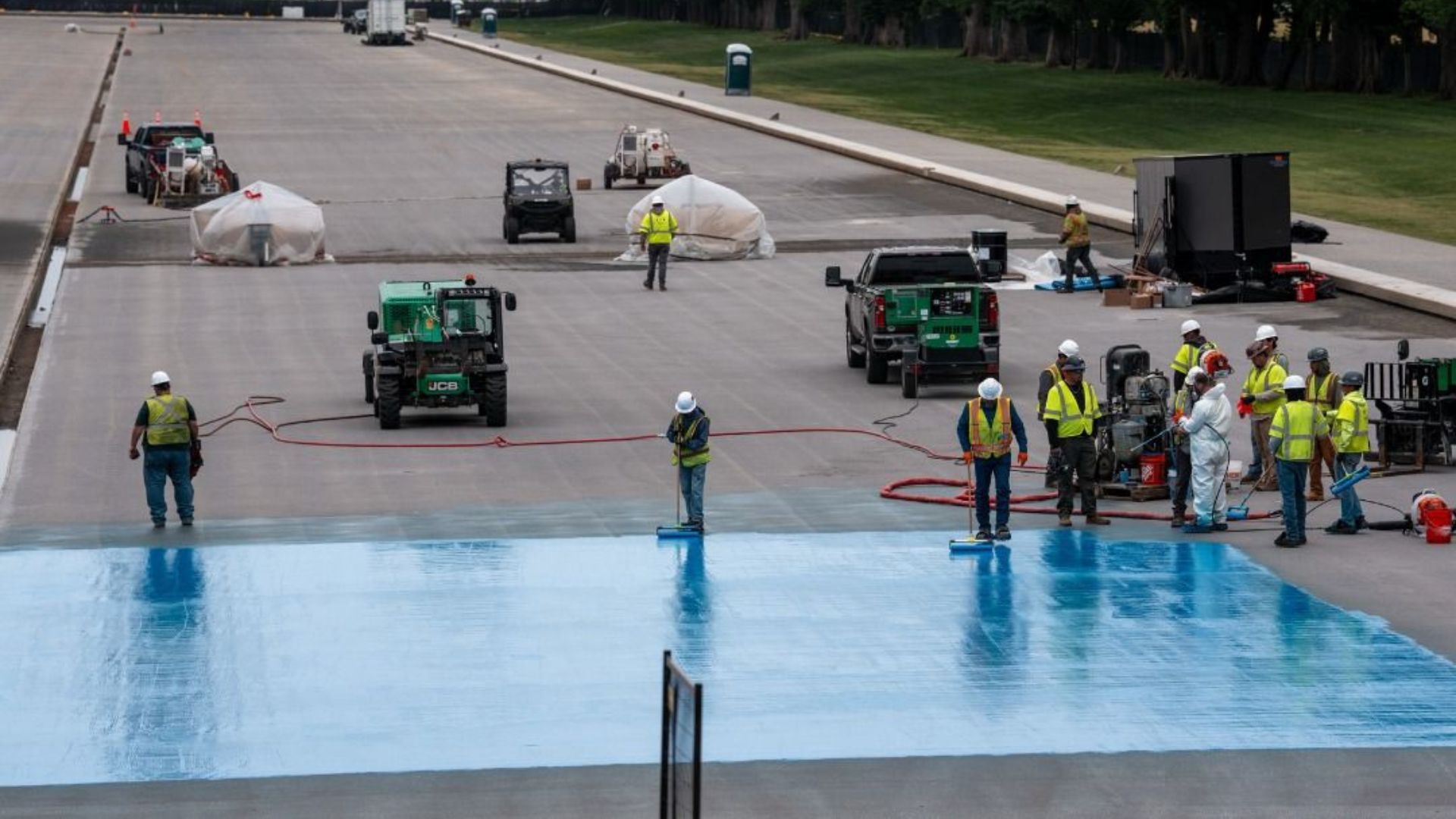
Beyond the legal fight itself, historians and labor advocates have voiced growing concern about how quickly crews are moving to complete portions of the project.
Several historians interviewed by major outlets criticized the proposed visual changes, arguing the Reflecting Pool represents a historically significant civic landscape closely associated with events including Martin Luther King Jr.’s “I Have a Dream” speech and numerous presidential ceremonies. Critics warned that altering its appearance too dramatically risks changing the visual identity of one of America’s most recognizable public memorial spaces.
Labor groups have also raised safety concerns involving workers tasked with repainting and modifying sections of the pool under tight deadlines. According to reporting from The Guardian, union representatives warned that accelerated schedules and difficult working conditions near chemically treated water areas could place workers at unnecessary risk if proper safeguards are not maintained consistently throughout construction.
The Reflecting Pool Debate Has Become Bigger Than The Renovation Itself
What began as a restoration project has now evolved into a larger political and cultural debate about how the federal government approaches historic landmarks, public symbolism, and taxpayer spending.
Supporters of the renovation argue the administration is investing in neglected infrastructure and creating a more visually striking national monument area that better reflects patriotic themes. Critics, however, view the project as an unnecessary redesign of an iconic public space that already holds deep historical meaning in its existing form.
As lawsuits move forward and scrutiny over project costs intensifies, the future of the Reflecting Pool renovation remains uncertain. The legal battle may ultimately determine not only whether the redesign proceeds as planned, but also how far future administrations can go when altering nationally significant public landmarks tied to American history and civic identity.