Lawn and Garden Supplier Files Bankruptcy Despite Record Spending

Americans spent more on lawn and garden products in 2025 than ever before. Total spending hit $79 billion, a jump of 13.5%. Lawn care alone grew by 26%. Despite all that growth, one of the industry’s oldest wholesale suppliers just filed for bankruptcy. BFG Supply Co. is now asking a court for permission to sell itself or shut down completely. A record year did not save the company at all.
A Company Built in 1972 Is Now Fighting to Survive
BFG Supply has been in business since 1972. That makes it 54 years old this year. The company sells things garden centers and greenhouses need every day, like soil, fertilizer, pots, and irrigation parts. It even runs its own online store called Greenhouse Megastore. For more than five decades, it grew right alongside the industry it serves. Now that same company is asking a bankruptcy court for help.
The Bankruptcy Filing Covers Far More Than One Company
BFG Supply did not file for bankruptcy alone. It filed together with 16 related companies in a Delaware bankruptcy court on August 18. Court papers list between $100 million and $500 million in both assets and debts. That is a wide gap, and it shows how uncertain the company’s finances really are. The filing gives BFG room to search for a buyer while its future stays unsettled.
BFG Owes Big Names in the Garden Industry Millions

The bankruptcy papers list who BFG owes the most money. The Scotts Company, a well known lawn care brand, is owed more than $2.9 million. Roxul USA is owed over $2.8 million, and Hawthorne Hydroponics is owed more than $2.5 million. Syngenta Crop Protection and ICL Specialty Fertilizers round out the top five unsecured creditors. Even trusted supplier relationships were not enough to keep the company afloat.
This Supplier Touches Nearly Every Corner of the Garden World
BFG Supply is not a small, local operation. It runs 19 facilities across 12 states, plus one more in Canada. Its customers include independent garden centers, greenhouse operators, commercial nurseries, and hydroponic retailers. Growing media, containers, irrigation gear, and crop protection products all move through its network. At its busiest, the company employed about 700 people. Court papers say that number has now fallen to roughly 461 workers.
The Company Says Fixing Itself Wasn’t Enough
BFG’s own leadership admits its turnaround plan fell short. According to a bankruptcy declaration from Chief Restructuring Officer Adam Zalev, the company faced declining revenue and tightening credit from vendors for three straight fiscal years. Zalev said internal fixes alone could not solve the company’s cash problems. That admission points to deeper trouble than a single bad year. If operational changes were not enough, what actually went wrong?
An Industry Expert Says Big-Box Stores Are the Real Culprit

Rising sales did not help every company in the chain. Dominick Miserandino, CEO of RTM Nexus, explained the disconnect to TheStreet’s Daniel Kline. He said “this isn’t about whether people are buying plants,” but about where shoppers choose to spend. More people are heading straight to big-box stores like Home Depot and Walmart for garden supplies. Those retailers use their size to demand lower prices from growers. That pressure eventually flows all the way down to suppliers like BFG.
The Squeeze Traveled From Store Shelves All the Way to BFG
The pressure on BFG did not start with BFG at all. Growers who supply big retailers are being squeezed on price first. When those growers earn less, they push back on what they pay their own suppliers, including BFG. That chain reaction turned a strong sales year into a weak one for wholesalers stuck in the middle. Record spending flowed through the industry, but not evenly. Some companies profited while others absorbed the cost.
BFG Has Two Paths Left, and Neither Is Guaranteed

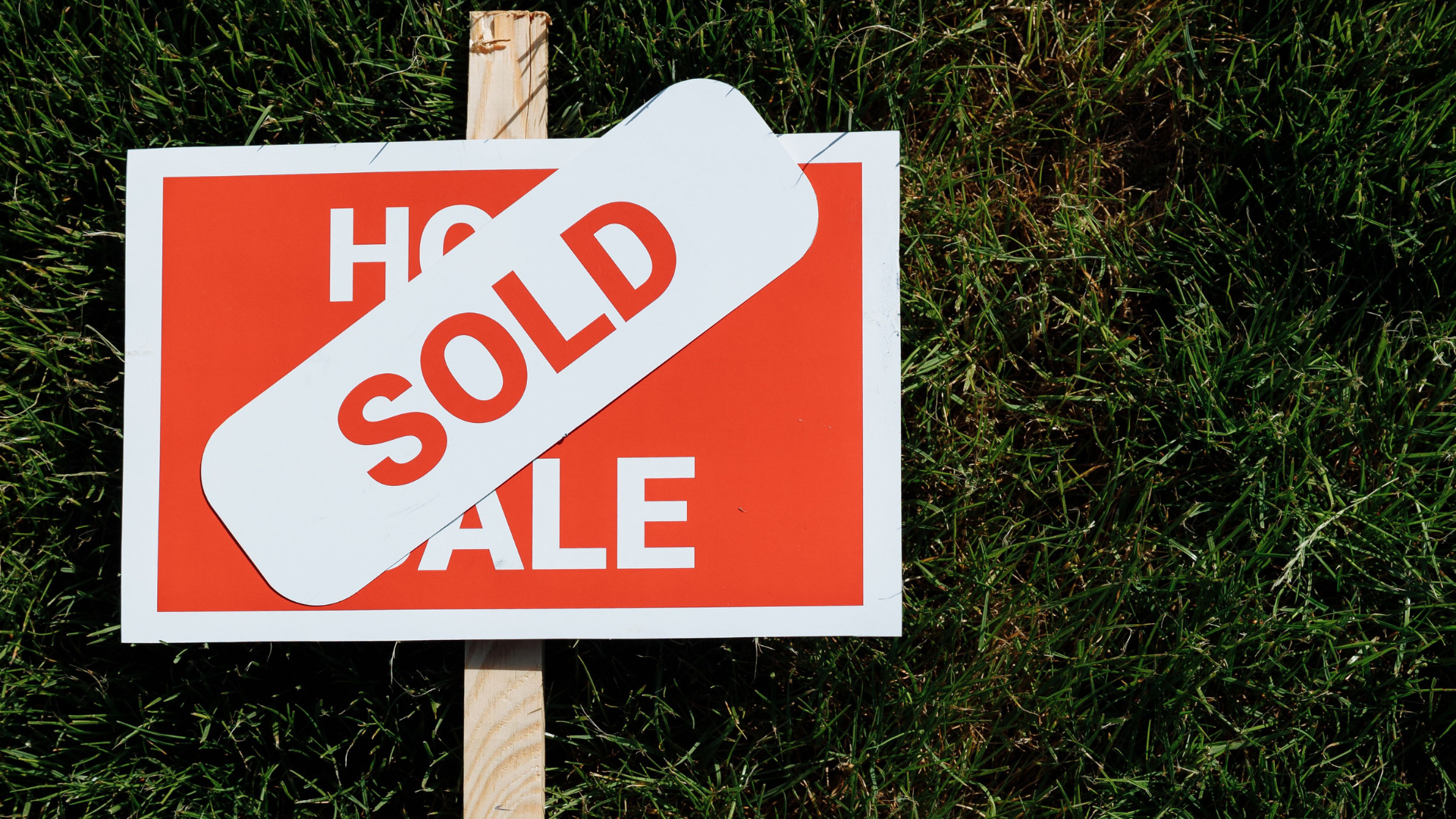
BFG’s bankruptcy filing lays out two possible outcomes. The company can search for a buyer willing to keep it running as a going concern. Or it can liquidate, selling off its assets piece by piece and shutting down for good. A combination of both is also possible, court papers show. Neither path is certain yet, and BFG has not said how long the search for a buyer will take.
A Booming Industry Couldn’t Save One of Its Own
The lawn and garden industry just had its best year on record. BFG Supply, a company that helped build that industry for over 50 years, still ended up in bankruptcy court. That gap between a thriving market and a struggling supplier says something bigger about who wins when spending grows. Big retailers captured much of the boom. Whether BFG survives now depends on finding a buyer before its story reaches its final chapter.