Lavender Marriages Are Making a Modern Comeback


A relationship arrangement once associated primarily with Hollywood’s Golden Age is finding new relevance among some younger adults. Known as a “lavender marriage,” the term traditionally described marriages between a man and woman that concealed one or both partners’ sexual orientation during periods when being openly LGBTQ+ could lead to discrimination or career damage. Today, however, experts say the concept is evolving, with some Millennials and Gen Z individuals embracing similar arrangements for entirely different reasons.
Modern lavender marriages are generally less about secrecy and more about practical partnership. In an era marked by rising housing costs, changing views on romance, and greater acceptance of diverse relationship structures, some people are exploring marriages built on friendship, companionship, financial stability, or shared life goals rather than traditional romantic expectations.
While still uncommon, the growing discussion surrounding these relationships reflects broader changes in how younger generations define commitment, family, and long-term partnership.
From Hollywood Secret To Modern Arrangement

Historically, lavender marriages were often used by actors, entertainers, and public figures who faced intense pressure to appear heterosexual. During much of the 20th century, openly LGBTQ+ individuals risked losing careers, contracts, and social standing, leading some to enter marriages that protected their public image while concealing their private lives.
Today’s versions are typically very different. Rather than serving as a cover, modern lavender marriages are often openly discussed and entered into voluntarily by people who may identify as asexual, aromantic, LGBTQ+, or simply uninterested in conventional romantic relationships. Some participants view marriage as a practical partnership that provides emotional support, legal protections, shared finances, and long-term stability without requiring a traditional romantic dynamic.
Experts note that younger generations are increasingly willing to challenge assumptions about what marriage should look like. As social expectations evolve, many people feel more comfortable designing relationships that fit their individual needs rather than following older cultural norms.
Why Some Young Adults Are Embracing The Idea

Economic realities are playing a significant role in the renewed interest. Rising housing prices, student debt, healthcare costs, and general affordability concerns have led some people to view partnership through a more practical lens. Marriage can offer financial benefits, tax advantages, legal protections, and shared living expenses that are increasingly attractive in a challenging economic environment.
At the same time, attitudes toward relationships have become more flexible. Many younger adults place a higher value on compatibility, emotional trust, and mutual support than on following a traditional romantic script. For some, a strong friendship can provide the foundation for a successful long-term partnership even if romantic attraction is not the primary focus.
Social media and online communities have also contributed to the conversation by allowing people to share experiences and explore alternative relationship models. As a result, arrangements that might once have seemed unusual are now being discussed more openly and with less stigma.
Redefining What Marriage Can Mean
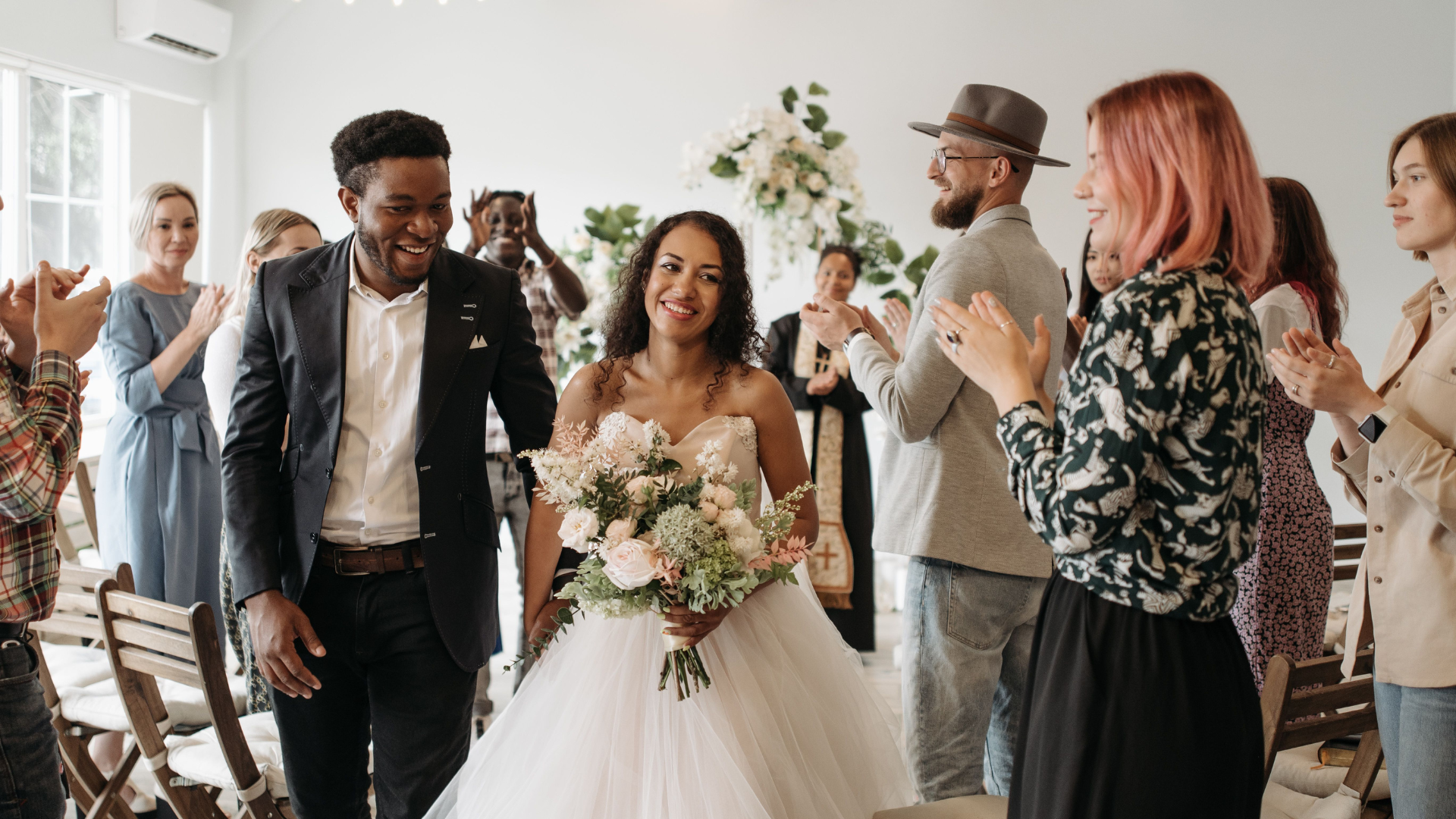
Relationship experts emphasize that there is no single model for a successful marriage. While romantic partnerships remain the most common form, growing acceptance of diverse lifestyles has encouraged broader conversations about commitment, companionship, and personal fulfillment.
Supporters of modern lavender marriages argue that these arrangements challenge the assumption that romance is the only path to a meaningful lifelong partnership. Instead, they suggest that trust, communication, shared values, and mutual support may be just as important as traditional romantic expectations.
Ultimately, the renewed interest in lavender marriages highlights how rapidly ideas about relationships are changing. As younger generations continue redefining marriage on their own terms, arrangements once associated with secrecy and social pressure are being reimagined as intentional partnerships designed around choice, practicality, and personal happiness.