Late-Season Cold Snap Triggers Frost And Freeze Warnings For 21 States
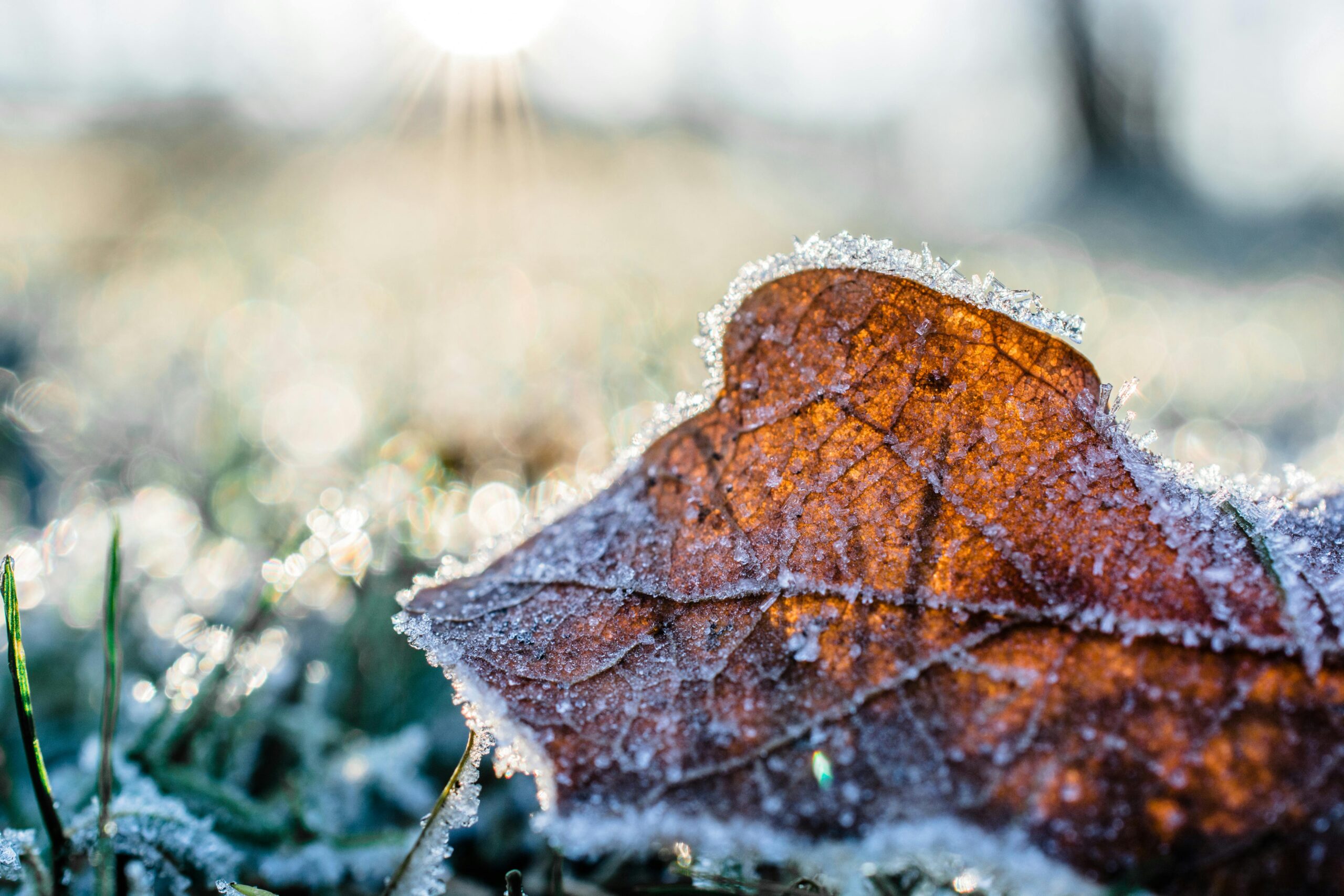

Just as much of the United States settled into spring, a sweeping blast of cold air is pulling temperatures back toward winter-like conditions across large sections of the country. Meteorologists have issued frost and freeze warnings stretching from parts of the Midwest to the Northeast and Mid-Atlantic, with overnight temperatures expected to dip below freezing in some areas. The unusual cold snap arrives after weeks of warmer-than-average conditions that encouraged early planting and blooming across many states. Forecasters warn that the sharp temperature drop could damage vulnerable crops, gardens, and fruit trees that have already entered critical growing stages. In some regions, residents are being urged to cover outdoor plants and bring sensitive vegetation indoors before nighttime temperatures fall.
Weather agencies say the cold air mass developed behind a powerful storm system that swept through the northern United States. As skies clear and winds weaken overnight, conditions become ideal for rapid heat loss near the ground, allowing frost to form even in locations where temperatures remain slightly above freezing. The sudden shift has surprised many communities that had already experienced several days of mild spring weather, with some areas recording temperatures far above seasonal averages only days earlier. Forecasters say these dramatic swings are not uncommon during seasonal transitions, though the intensity of this outbreak has drawn broader attention.
Residents across affected states are being encouraged to stay updated through local weather alerts as conditions may vary significantly from one area to another. Rural valleys and low-lying regions often cool more quickly overnight, increasing the risk of frost formation even when nearby towns remain slightly warmer. Meteorologists also note that calm winds and clear skies can intensify freezing conditions, particularly during the early morning hours before sunrise. For many communities, the return of winter-like temperatures in mid-May serves as a reminder that spring weather patterns can remain highly unpredictable well into the growing season.
Freeze Alerts Stretch Across Multiple Regions
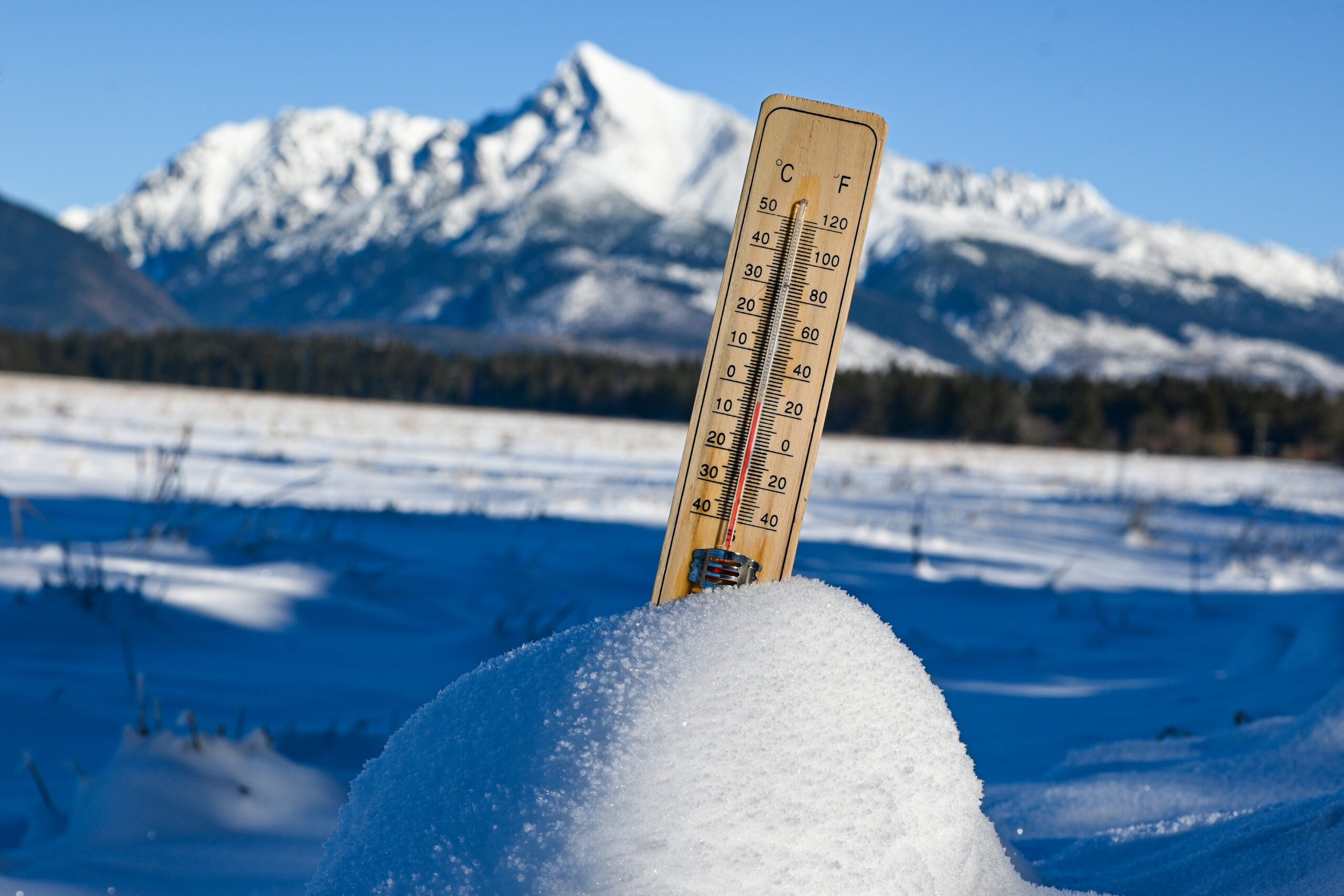
The cold weather threat is affecting a broad swath of the country, with freeze watches, frost advisories, and freeze warnings issued across 21 states. Areas of Minnesota, Wisconsin, Michigan, Iowa, Illinois, Indiana, Ohio, Pennsylvania, New York, Vermont, New Hampshire, Massachusetts, Connecticut, Rhode Island, Maine, West Virginia, Missouri, Nebraska, South Dakota, North Dakota and parts of New Jersey are among those facing the highest risk of overnight freezing temperatures. Some locations in the Upper Midwest and interior Northeast are expected to see temperatures fall into the upper 20s and low 30s Fahrenheit. Meteorologists say these readings are unusually cold for mid-May, particularly after a relatively mild spring season.
Several cities could approach daily temperature records if the coldest forecasts materialize. Weather officials have emphasized that even a short period of freezing conditions can have serious impacts on agriculture and outdoor vegetation. Fruit growers, vineyard operators, and home gardeners are especially vulnerable during this time of year because many plants have already emerged from dormancy. Frost damage can affect blossoms and newly forming crops, potentially reducing yields later in the season and creating financial strain for agricultural communities already dealing with unpredictable weather patterns.
Forecasters continue to stress that frost conditions can vary depending on cloud cover, wind speeds, and elevation changes. Urban centers may remain slightly warmer due to retained heat from buildings and pavement, while surrounding rural areas experience sharper temperature drops overnight. The National Weather Service and private forecasting groups have advised residents to monitor local forecasts closely and prepare for rapidly changing conditions. In some regions, schools, local agencies, and agricultural organizations are sharing protective measures to help communities reduce potential damage from the unexpected cold.
Farmers And Gardeners Brace For Potential Damage
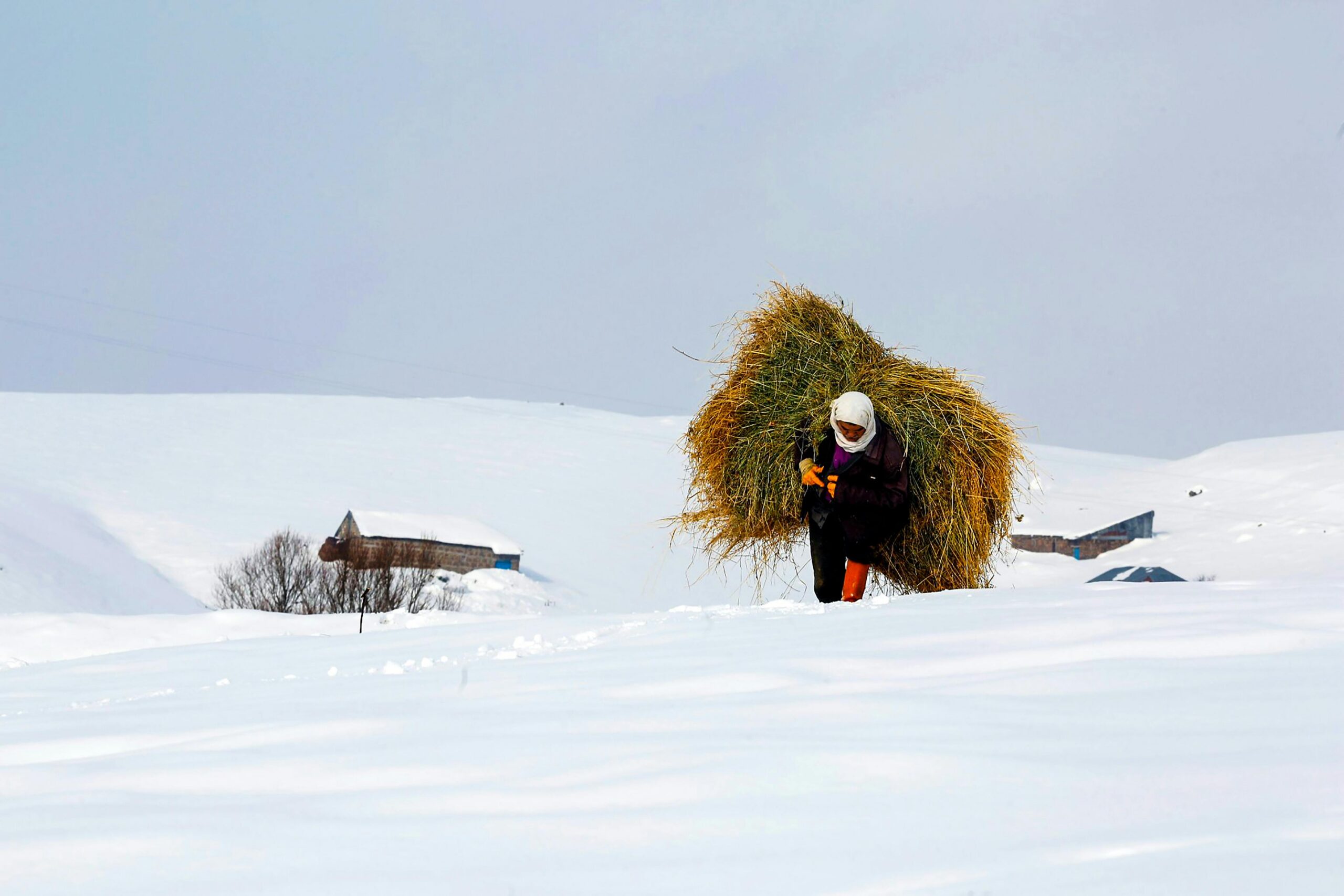
For farmers across parts of the Midwest and Northeast, the timing of the cold snap is particularly concerning. Many growers began planting earlier than usual after warmer spring temperatures accelerated soil warming and extended the growing season in several regions. The sudden reversal now threatens young crops that may not tolerate freezing conditions. Agricultural experts say late-season freezes can be especially damaging because plants are often at delicate stages of development when exposed to sudden temperature drops.
Fruit orchards are among the most vulnerable agricultural sectors during these cold events. Apple, peach, and cherry trees that are already flowering or beginning to produce fruit can suffer significant losses if exposed to prolonged frost. Some farmers are preparing overnight mitigation efforts such as wind machines, irrigation systems, and protective coverings designed to keep temperatures around crops from dropping too low. These methods can help reduce damage, though they often require additional labor and expense during an already demanding growing season.
Home gardeners are also being encouraged to take precautions before temperatures fall overnight. Experts recommend covering sensitive plants with breathable fabric or sheets while avoiding plastic materials that can trap moisture and worsen frost damage. Potted plants should ideally be moved indoors or placed in sheltered locations until conditions improve. Although late-season frosts are not unheard of in Northern States, meteorologists say the geographic reach and intensity of this cold outbreak make it unusual for this point in May, especially after such an early start to spring warmth.
Cooler Temperatures May Linger Into Mid-May
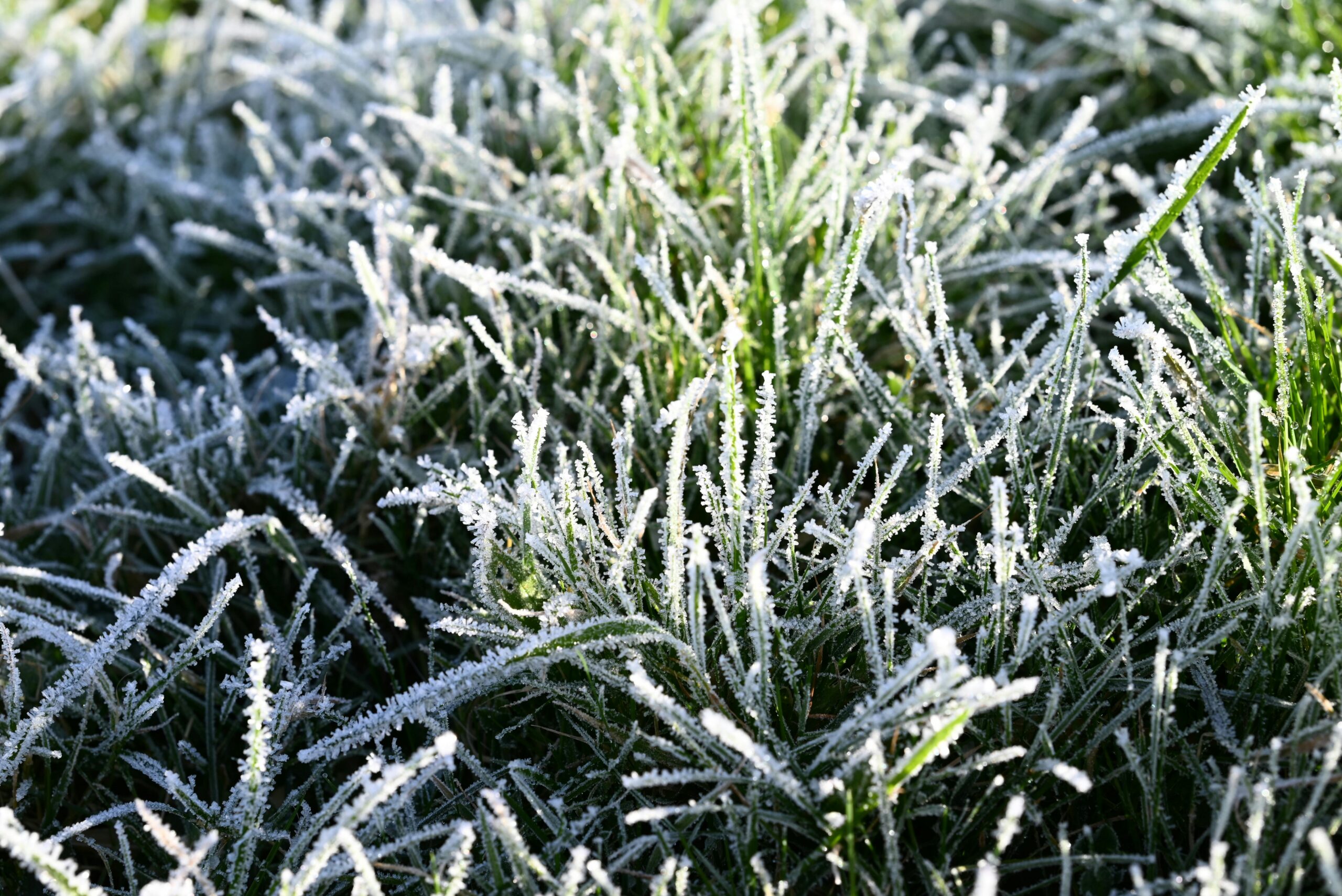
The current cold snap is expected to ease gradually, but forecasters say unstable spring weather patterns could continue across parts of the country through mid-May. Additional swings between warm and cool air masses may produce further temperature volatility, especially across the Midwest and Northeast where jet stream patterns remain active. Meteorologists explain that spring transitions often create sharp contrasts because lingering cold air from Canada can still move southward while warmer conditions begin expanding across the southern United States.
This collision of seasonal air masses can produce rapid weather changes over short periods of time. Some areas may experience chilly mornings followed by mild afternoons, while others could continue seeing below-average temperatures for several more days. Long-range outlooks suggest temperatures may rebound closer to seasonal norms by late week in many affected states, though forecasters are also monitoring the possibility of additional rounds of rain and thunderstorms as warmer air returns and interacts with the departing cold system.
For now, weather officials are encouraging residents to remain prepared for unseasonably cold mornings, especially in agricultural communities where even one night of freezing temperatures can have lasting economic consequences. Farmers, gardeners, and local businesses tied to seasonal crops are watching forecasts closely as they assess potential impacts from the cold. The unusual mid-May freeze has once again highlighted how quickly spring weather conditions can shift across the United States, forcing communities to adapt to sudden changes even after warmer temperatures appear to signal the arrival of summer.