Las Vegas Has a ‘Pricing Problem’ and Rick Harrison Says It’s Scaring Tourists Away From the Strip


Las Vegas built its reputation on excess, but rising costs may now be pushing visitors away. Tourism dropped to about 38.5 million last year, a notable decline that signals a shift in traveler behavior, according to the Las Vegas Convention and Visitors Authority. Even longtime advocates are sounding alarms. Rick Harrison, best known for “Pawn Stars,” believes the city’s pricing strategy is starting to work against it, raising a bigger question about Vegas’s future appeal.
Harrison argues the issue is simple. Visitors have options, and Las Vegas is no longer the automatic choice. Speaking in an interview with Fox News Digital, he said some hotels and casinos are charging too much for rooms, food, and experiences. Unlike essential services, entertainment depends on value perception. If guests feel overcharged, they leave. That reality is beginning to reshape how some businesses operate on and off the Strip.
Not every venue is struggling. Harrison points to places like Circa Resort that remain busy because they avoid what he calls “crazy prices.” Their strategy focuses on balance, offering entertainment without overwhelming costs. This contrast highlights a growing divide within Las Vegas itself. Some businesses are adapting quickly, while others risk losing relevance, setting the stage for deeper changes across the city’s tourism economy.
When Pricing Outpaces Experience, Tourists Look Elsewhere

Harrison’s own business offers a different approach. His Gold and Silver Pawn Shop attracts thousands of visitors daily, yet he refuses to charge an entry fee. His reasoning is straightforward. Positive experiences lead to word-of-mouth promotion. Visitors who feel welcomed are more likely to recommend the destination. That philosophy stands in contrast to rising fees across the Strip, where even basic amenities now come at a premium.
The broader tourism numbers reflect this tension. Travel experts and officials have pointed to declining international visitors, particularly from Canada. Some estimates suggest Canadian tourism has dropped between 20% and 50% depending on the month, as reported by Fox News. Currency differences and rising costs make Las Vegas less competitive, forcing resorts to rethink pricing strategies to win back key markets.
Domestic factors are also adding pressure. Gas prices hovering above $5 per gallon in Nevada increase the cost of road trips, especially for visitors from California, a major source of tourism revenue. Economic uncertainty tied to global events further complicates travel decisions. Together, these factors amplify the impact of high prices, creating a perfect storm that challenges Las Vegas’s traditional draw.
A City at a Crossroads Between Luxury and Accessibility

Las Vegas has always balanced luxury with accessibility, offering both high end experiences and affordable fun. Harrison believes that balance is slipping. In earlier years, cheaper rooms and meals made the city approachable for a wide range of travelers. Today, rising costs risk turning Vegas into a destination primarily for high spenders, potentially alienating the middle-class audience that once fueled its growth.
Some operators are already adjusting. Promotions like exchange rate matching for Canadian visitors and modified all-inclusive packages signal an effort to restore value. According to reporting from travel and hospitality coverage, these initiatives aim to rebuild trust with cost conscious travelers. Still, isolated efforts may not be enough if broader pricing trends continue upward, leaving the city in a delicate balancing act.
Harrison also notes a decline in Asian tourism, though he attributes it more to global economic conditions than local decisions. Even so, the combined drop in multiple visitor segments highlights a vulnerability. Las Vegas depends heavily on diverse international and domestic audiences. When several groups pull back at once, the impact becomes harder to ignore, forcing the industry to confront deeper structural challenges.
Can Las Vegas Win Back Its Crowd Before It’s Too Late?
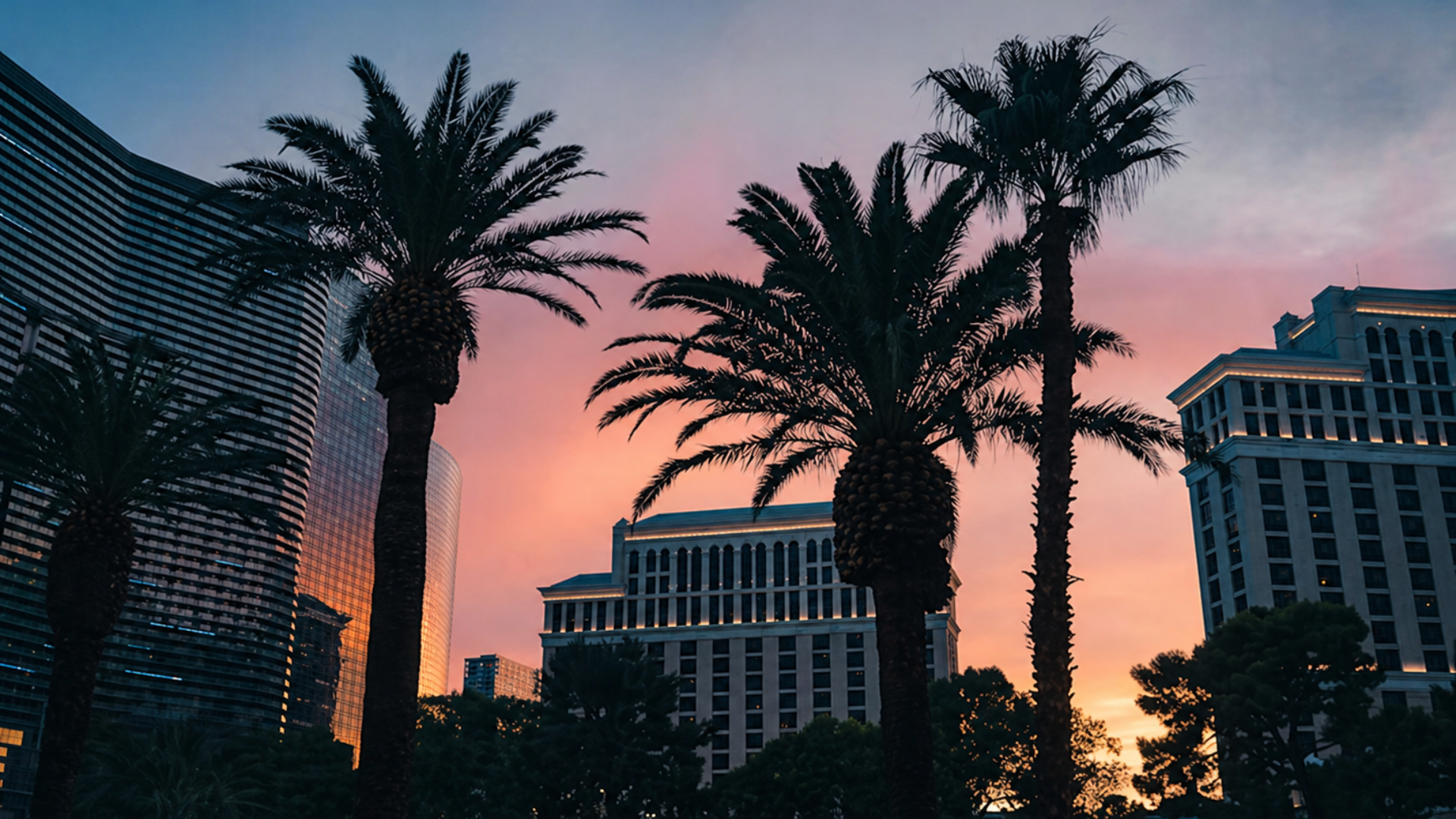
Despite the concerns, Harrison remains optimistic about the city’s potential. He still calls Las Vegas “the greatest city in the world,” pointing to its unmatched entertainment options and constant activity. The issue is not a lack of attractions, but how those experiences are priced and delivered. If visitors feel they are getting value, the appeal remains strong, suggesting the solution may lie in recalibration rather than reinvention.
The coming months will be critical. With rising travel costs and shifting global conditions, casinos and hotels must decide whether to prioritize short-term profits or long-term loyalty. History shows that Las Vegas thrives when it feels accessible and exciting, not exclusive and expensive. The businesses that recognize this shift early may be the ones that shape the next chapter of the Strip.
Las Vegas has reinvented itself many times, from gambling hub to entertainment capital. Now it faces another test, one driven not by competition, but by its own pricing choices. The question is whether the city can adjust before travelers fully look elsewhere. If value becomes the deciding factor for visitors, Las Vegas may need to rediscover what made it irresistible in the first place.